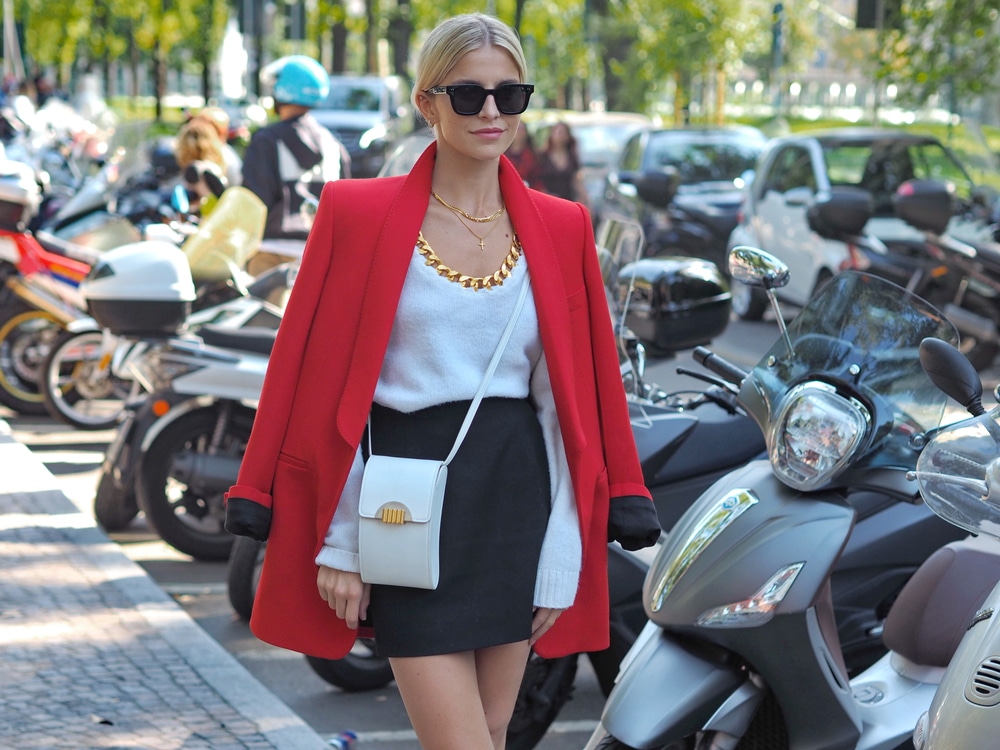
The First 7 Seconds: Why Accessories Define Your 2026 Interview Look
In the high-stakes world of 2026, where the "Modern Business Professional" aesthetic blends razor-sharp efficiency with approachable personality, first impressions remain your most potent currency. Research consistently shows that initial judgments are formed within the first seven seconds—and 55% of that perception is purely visual.
As an editor focused on the finer details, I believe your choice of accessories isn't just a stylistic preference; it’s the exclamation point of your professional statement. Strategic layering and the right investment pieces communicate an attention to detail that words alone cannot convey.
1. The Foundation: A Structured Handbag or Portfolio
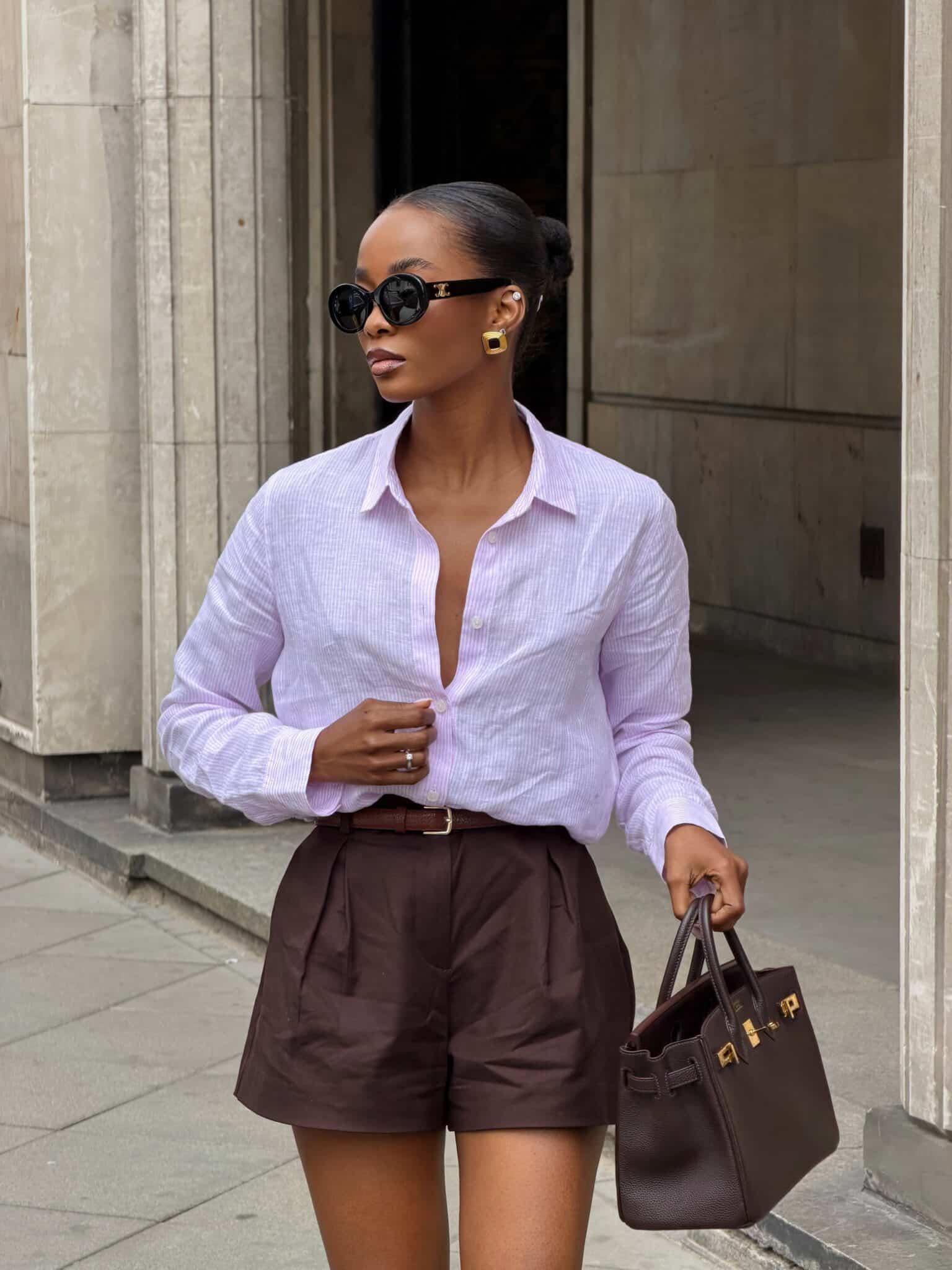
Your choice of "carry" is the primary indicator of your organizational prowess. In 2026, the shift is away from oversized, floppy totes and toward architectural, structured silhouettes. Carrying a high-quality leather portfolio or a structured handbag suggests a mind that is equally disciplined and prepared.

Style Rule: The Organization Metric Opt for neutral tones—onyx, deep navy, or slate charcoal. These shades provide a sophisticated "Visual Flow" that doesn't compete with your attire. A structured bag isn't just about carrying your resume; it’s about signaling that you have the tools and the temperament to manage complex tasks. Statistically, candidates with streamlined, professional tools are perceived as 40% more organized by hiring panels.
Pro-Tip: The Investment Value Look for craftsmanship in the hardware. Polished brass or brushed steel accents on a bag speak volumes about your appreciation for quality. Avoid logos; let the silhouette do the talking.
2. Timeless Jewelry: The ‘Less is More’ Philosophy
The 2026 interview look is defined by "Quiet Luxury." Your jewelry should serve as a subtle frame for your face, not a distraction from your dialogue. When your wardrobe incorporates contemporary textures like heritage plaid or modern polka dots, your jewelry must act as the grounding element.

Style Rule: The Trio Limit Follow the "Rule of Three": a pair of earrings, a watch, and perhaps one ring or a delicate necklace. Stick to classic materials like freshwater pearls, gold studs, or a simple chain. These pieces offer styling versatility, moving seamlessly from the interview room to the boardroom. Avoid "loud" statement pieces that jingle or catch the light excessively, as they can overshadow your verbal answers and disrupt the visual harmony of your ensemble.
3. The Classic Watch: Signaling Reliability
While the world is increasingly digital, the traditional timepiece has seen a massive resurgence in the 2026 professional landscape. Wearing a classic watch signals a respect for time—both yours and the interviewer's.
Style Rule: Digital Detox In an era of constant connectivity, smartwatches can be a liability in an interview. Notification vibrations can break eye contact and suggest you are "on-call" for someone else. An analogue or high-end minimalist watch demonstrates focus and a commitment to the present moment. It suggests a candidate who values precision and traditional professional cues.
Pro-Tip: Strap Coordination Ensure your watch strap matches the leather of your bag or shoes. This level of coordination is a hallmark of the Modern Business Professional, showing a holistic approach to your self-presentation.
4. Polished Footwear: Grounding Your Ambition
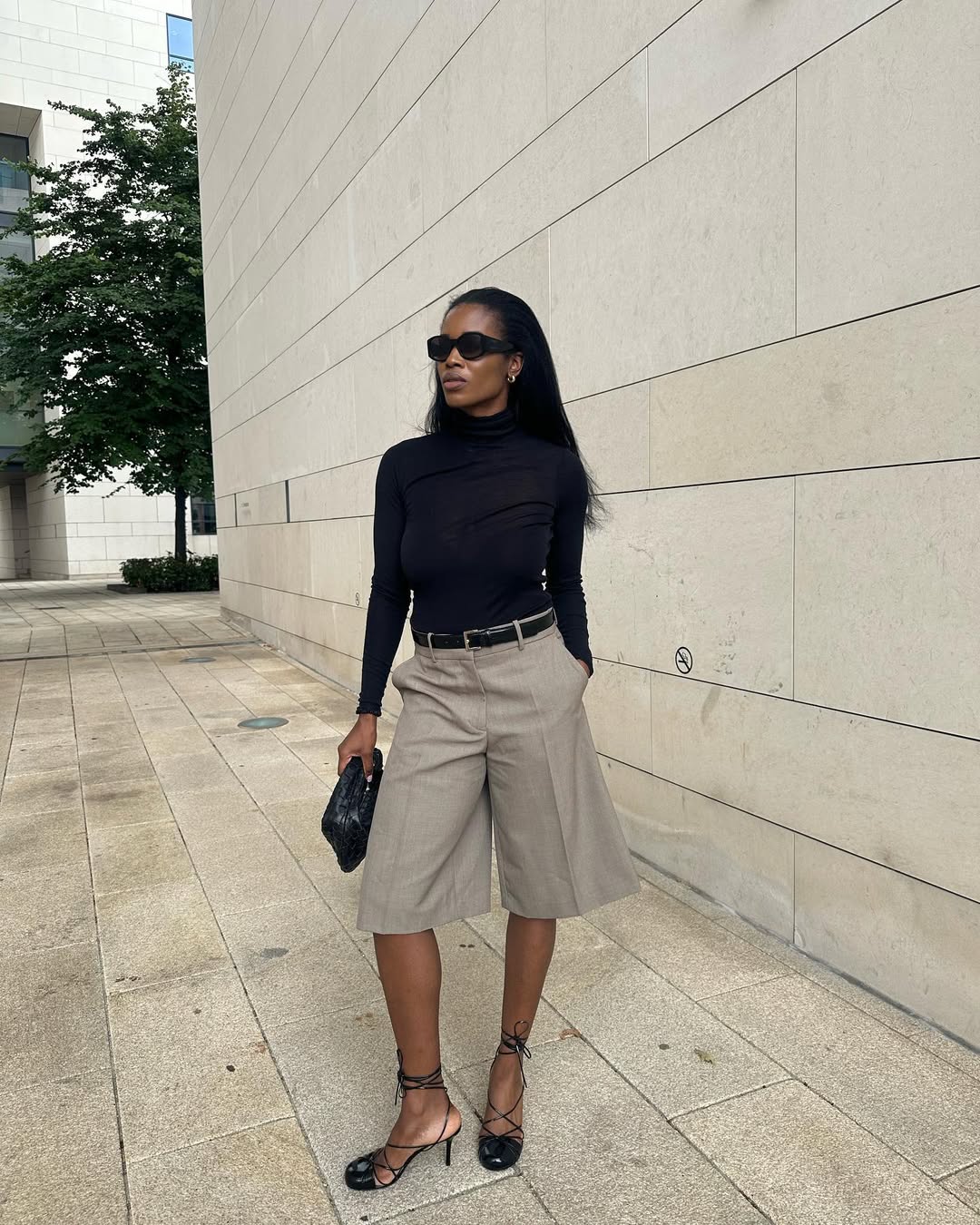
Your shoes are the literal foundation of your look. In 2026, the "Professional Look" has evolved to embrace comfort without sacrificing elegance. We are seeing a definitive transition from the traditional high pump to sophisticated loafers and sleek Oxfords.
Style Rule: The Scuff-Free Mandate Regardless of the price point, your footwear must be pristine. 87% of hiring managers agree that unkempt shoes are a major red flag, often interpreted as a lack of attention to detail in one's work.
Pro-Tip: Modern Silhouettes A pointed-toe loafer in a matte finish offers a contemporary edge that feels more "2026" than a standard round-toe flat. It provides a sharp, directional finish to a tailored trouser or a midi skirt, grounding your ambition in tangible quality.
5. The Invisible Accessory: Grooming and Subtle Textures
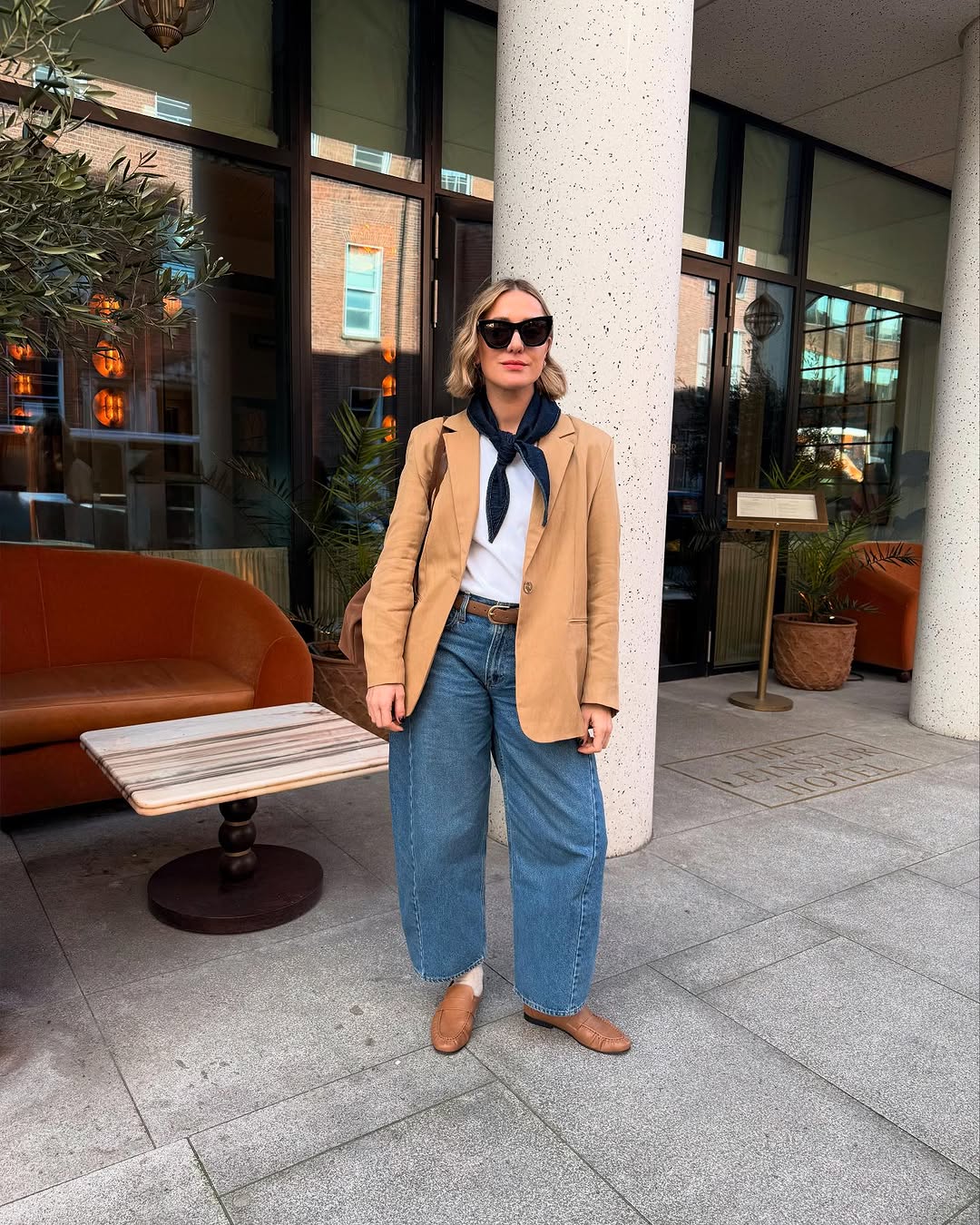
Finally, the most powerful accessory is the one you can’t "buy" in a traditional sense: your grooming and the strategic use of texture. How you wear your clothes—the "Strategic Layering" of a navy polka-dot blouse under a sharp blazer—communicates your personality within professional bounds.

Style Rule: Personality Within Bounds Patterns like small-scale polka dots or micro-checks add a layer of approachability to a dark suit. It shows you have a personal brand but understand the corporate "Visual Flow." Grooming should be equally intentional: a clean silhouette for your hair and a scent so subtle it’s barely there. You want to leave behind a memory of your talent, not a cloud of perfume.
Pro-Tip: Confidence as a Finisher When your grooming is impeccable and your textures are balanced, you naturally carry yourself with more confidence. This "invisible accessory" is what ultimately closes the deal.
Dressing for the Job You Want
In 2026, your interview wardrobe is a curated collection of signals. By prioritizing structured foundations, timeless jewelry, and precise timepieces, you demonstrate that you are a candidate who understands both the big picture and the minute details. Remember: accessories shouldn't just look good; they should give you the silent confidence to own the room and ace the interview.