Quick Facts
- The Movement: Food sovereignty in Puerto Rico is a grassroots revolution aimed at dismantling the island's 90% dependency on imported food by reviving ancestral agricultural practices.
- The Catalyst: Hurricane Maria (2017) served as a devastating wake-up call, exposing the fragility of a food system reliant on external supply chains and sparking a youth-led return to the land.
- The History: Between 1920 and 1950, the island saw a tripling of sugarcane acreage to over 750,000 acres, a colonial monoculture shift that displaced diverse native food crops for decades.
- Best Experiences: From the "Ayurrican" vegan retreats in Vieques to high-end farm-to-table dining in San Juan’s Santurce district, the movement is as much about flavor as it is about politics.
Introduction: The Taste of a New Borikén
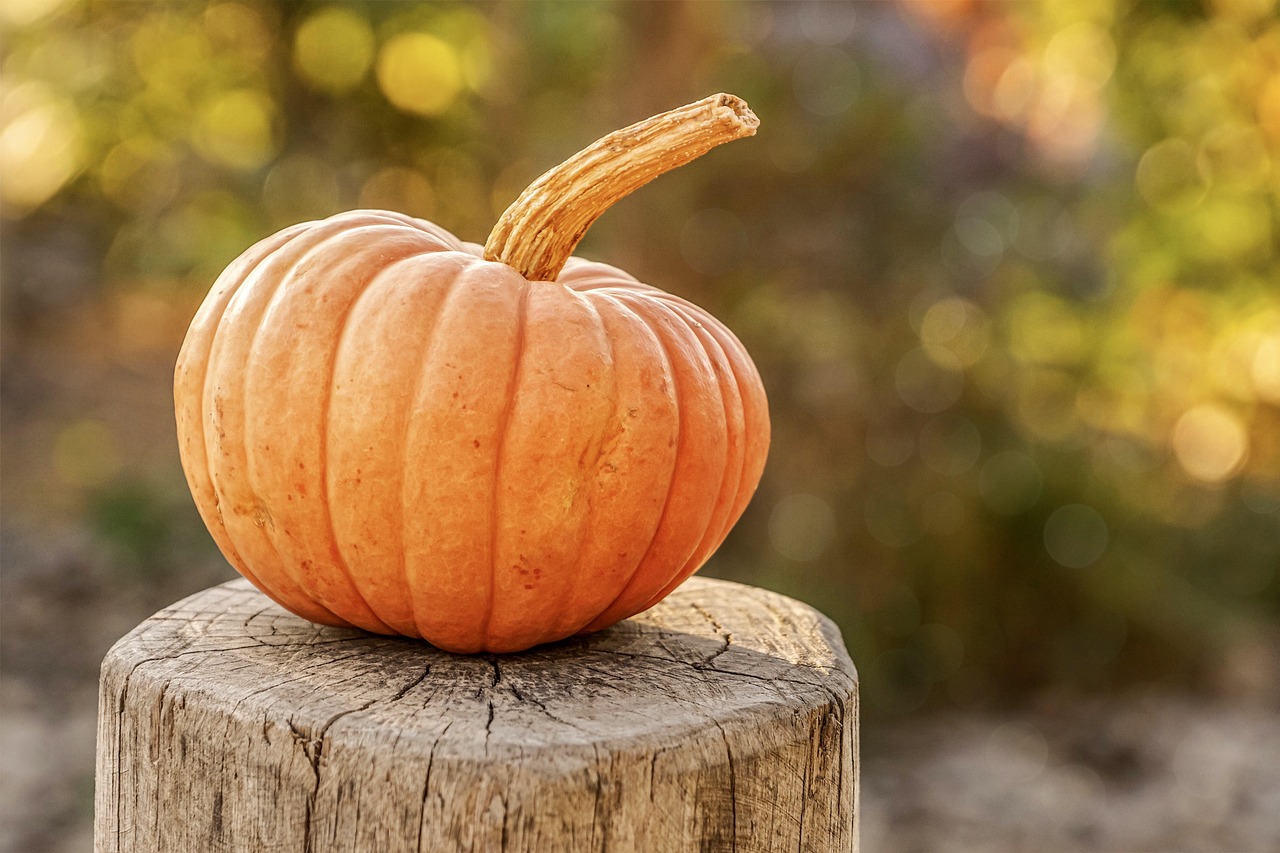
There is a specific, grounding sweetness to a piece of roasted pumpkin harvested from the volcanic soil of the Cordillera Central. When paired with the earthy, velvet texture of malanga and a bright, jagged chiffonade of local cilantro, you aren't just tasting a meal; you are tasting a quiet act of rebellion. This is the flavor of the food sovereignty movement—a profound effort by Puerto Ricans to reclaim their relationship with the land and reduce the staggering reality that approximately 90% of all food consumed on the island, from grains to vegetables, is imported from the continental United States.
To understand food sovereignty here is to understand a reclamation of identity. It is more than "farm-to-table" as a culinary trend; it is a grassroots necessity. It is the practice of communities asserting their right to define their own agricultural and food systems. For travelers, this evolution offers a rare opportunity to move beyond the resort gates and engage with a culture that is actively healing itself through soil, seed, and ancestral wisdom.
The Catalyst: From Hurricane Maria to Agricultural Independence
The narrative of modern Puerto Rican agriculture is split cleanly into two eras: before and after September 20, 2017. When Hurricane Maria tore across the island, it didn't just dismantle the power grid; it decimated 80% of the island’s crop value in a single day. In the weeks of silence and darkness that followed, the vulnerability of the island's food supply became a visceral trauma. When the ports were jammed and the supermarket shelves sat empty, the few communities that thrived were those with small-scale, diversified farms.
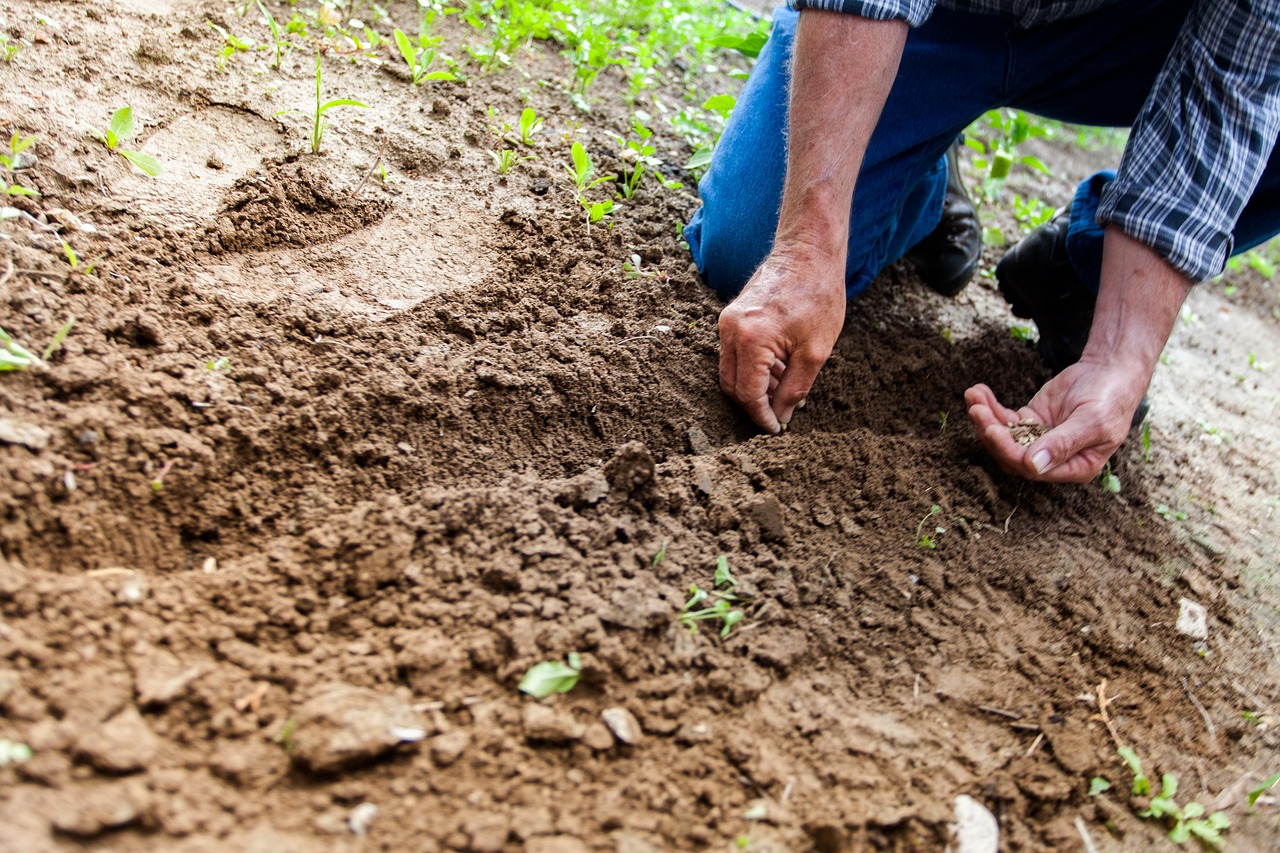
This crisis transformed a simmering interest in ecology into a full-blown "agro-ecological" movement. A new generation of agricultores—many of them young professionals who left urban careers—began clearing debris to plant what their grandparents once grew. They are overturning the ghosts of the mid-20th century, a time when Puerto Rico’s landscape was coerced into a sugar monoculture. Between 1920 and 1950, acreage dedicated to sugarcane tripled, occupying over 750,000 acres and effectively "whitewashing" the island’s diverse agricultural heritage to serve foreign industrial interests.
Today, the philosophy of "Ayurrican" farming—a portmanteau of Ayurveda and Puerto Rican traditions—is gaining ground. This approach merges the ancient Indian science of life with the island's tropical bounty, treating food as medicine. It is a philosophy born of resilience, proving that the land can provide healing even after the most violent storms.
San Juan: The Epicenter of the Farm-to-Table Movement
While the movement lives in the soil of the mountains, its most sophisticated expression is found in the dining rooms of San Juan. In neighborhoods like Santurce and Condado, chefs have become the loudest advocates for local farmers, transforming "peasant" ingredients like pana (breadfruit) and apio (celeriac) into high-end culinary art.
The historical heart of this exchange is La Placita de Santurce. By day, it is a bustling market where elderly residents haggle over avocados the size of papayas. By night, it evolves into a vibrant social hub. But beyond the party, the real magic happens in the nearby kitchens where the "Oriundo" philosophy—prioritizing native and endemic species—takes center stage.
- Vianda (Santurce): Chefs Francis Guzmán and Amarilys Colón have created a temple to the local harvest. The menu changes frequently based on what farmers bring to their back door. Expect dishes like roasted chayote with miso-tahini or local crudo with citrus from the mountains.
- Price: $60–$100 per person.
- Cocina Abierta (Condado): Known for its "Oriundo" pop-up series, this restaurant functions as a research lab for Puerto Rican ingredients. They collaborate directly with agronomists to revive forgotten crops.
- Price: $50–$90 per person.
- Lote 23 (Santurce): A gastronomic park with various kiosks, many of which use local meats and produce, offering a more casual but equally "sovereign" taste of the island.
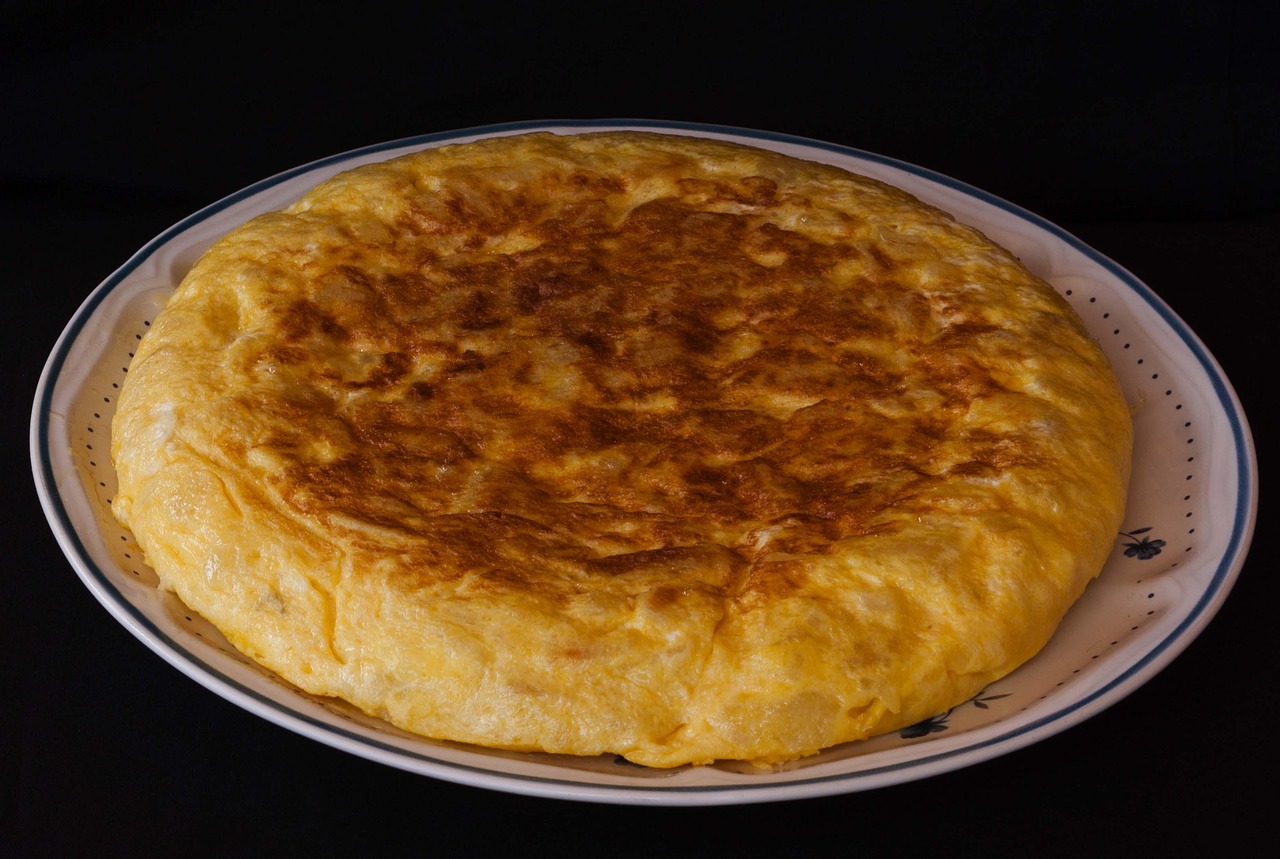
"We aren't just buying vegetables; we are investing in the survival of a farmer," a local chef told me over a plate of seared snapper. "Every dollar spent on a local plantain is a dollar that stays in our soil, rather than flowing back to a multinational shipping company."
The Mountain & The Coast: Agritourism Destinations
To truly feel the pulse of this movement, one must leave the capital and head toward the "green interior" and the offshore islands. Here, agritourism has evolved into a sophisticated blend of luxury and radical sustainability.
Finca Victoria (Vieques)
Located on a ridge overlooking the Caribbean Sea on the island of Vieques, Finca Victoria is more than a hotel; it is an eco-retreat dedicated to Ayurvedic healing. The property features a lush medicinal garden and a vegan kitchen that sources almost everything from its own grounds. Guests wake up to fresh herbal infusions and sourdough bread made with local fruits.
- Price: From $159 per night.
- Experience: Morning yoga followed by an "Ayurrican" breakfast.
Carité 3.0 (Guayama)
Deep in the mountains of Guayama, Carité 3.0 offers a glimpse into the future of sustainable living. This forest-farm specializes in cacao and plantains, offering unique stays in eco-friendly cabins and even a "treetop" experience. It is a place where you can learn about the complexities of tropical permaculture while falling asleep to the rhythmic chirp of the coquí frog.
- Price: From $128 per night.
- Experience: Cacao processing workshops and forest bathing.
Finca Pajuil (Hatillo)
For those interested in the science of healing, Finca Pajuil in Hatillo is a must-visit. They produce medicinal essences and tinctures from native plants, focusing on "clean" agriculture that rejects synthetic pesticides. It is a sensory journey through the scents of lavender, lemongrass, and native turmeric.

Conservation Beyond the Plate: Protecting Puerto Rico’s Biodiversity
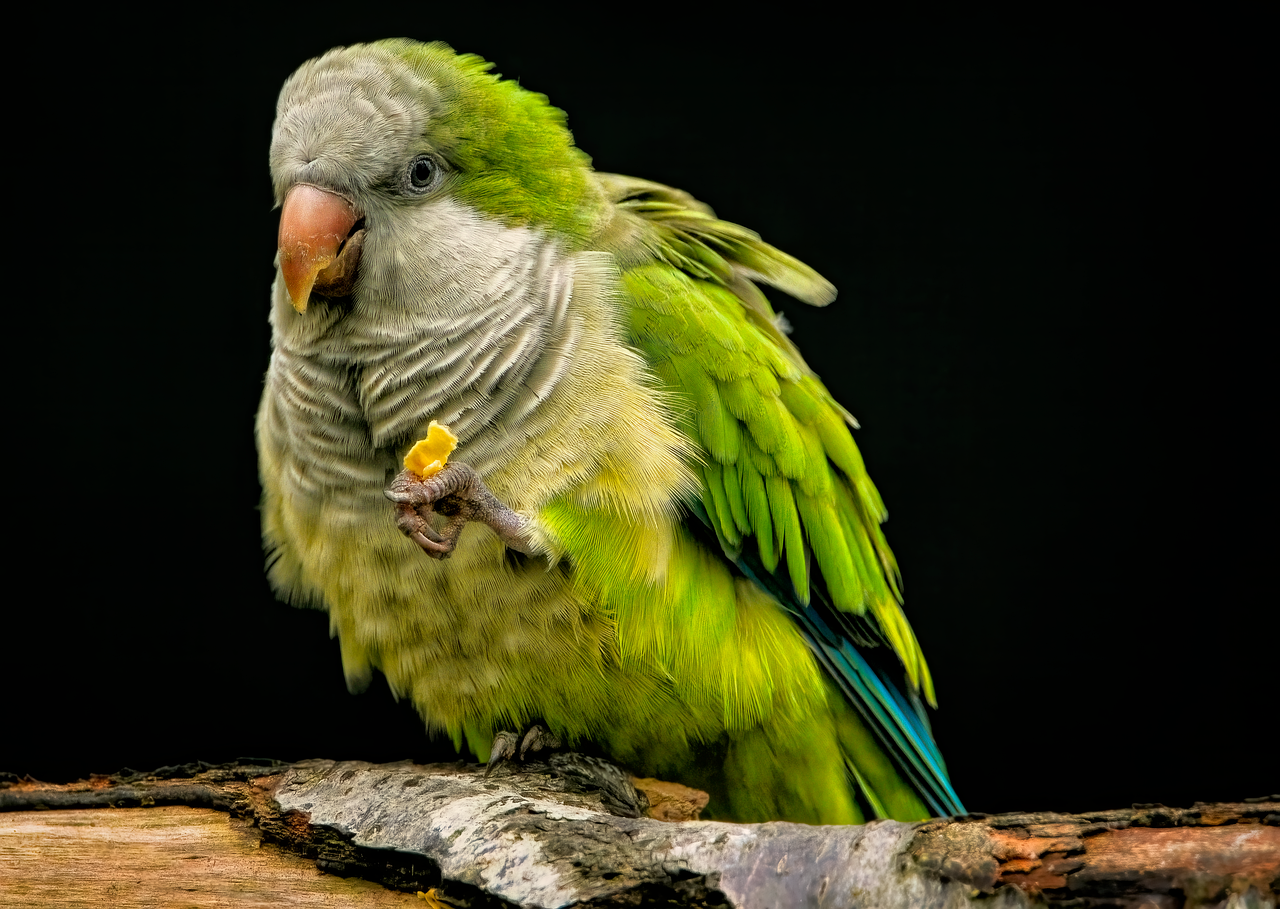
The push for food sovereignty is inextricably linked to the conservation of Puerto Rico’s unique biodiversity. Sustainable farming practices provide a buffer for the island's shrinking natural habitats. In the Rio Abajo State Forest, for instance, the preservation of the surrounding agricultural land is vital for the survival of the Puerto Rican Amazon parrot, one of the rarest birds in the world. Agroecological farms act as "biological corridors," allowing wildlife to move safely between protected forests.
This ethos extends to the coast. In places like La Parguera, coral reef restoration projects are being led by the same communities advocating for sustainable fishing. They recognize that a healthy ocean is just as important to food sovereignty as healthy soil. By supporting eco-certified tours to the bioluminescent bays or dining at restaurants that follow seasonal fishing guidelines, travelers directly contribute to the preservation of these fragile ecosystems.
Planning Your Sustainable Journey
Navigating the agricultural routes of Puerto Rico requires a bit of planning and a spirit of adventure.
- Best Time to Visit: December to February offers the most comfortable weather for hiking and farm tours. However, visiting between March and May provides excellent value and coincides with several local harvest festivals.
- Logistics: While San Juan is walkable, reaching the most impactful agro-tourism sites requires a rental car. The mountain roads (the Ruta Panorámica) are winding and narrow, but they offer the most breathtaking views of the "heart" of the island.
- What to Pack:
- Eco-friendly, reef-safe sunscreen (to protect the coral).
- Sturdy hiking gear for exploring El Yunque National Forest.
- A reusable water bottle (many farms provide filtered spring water).
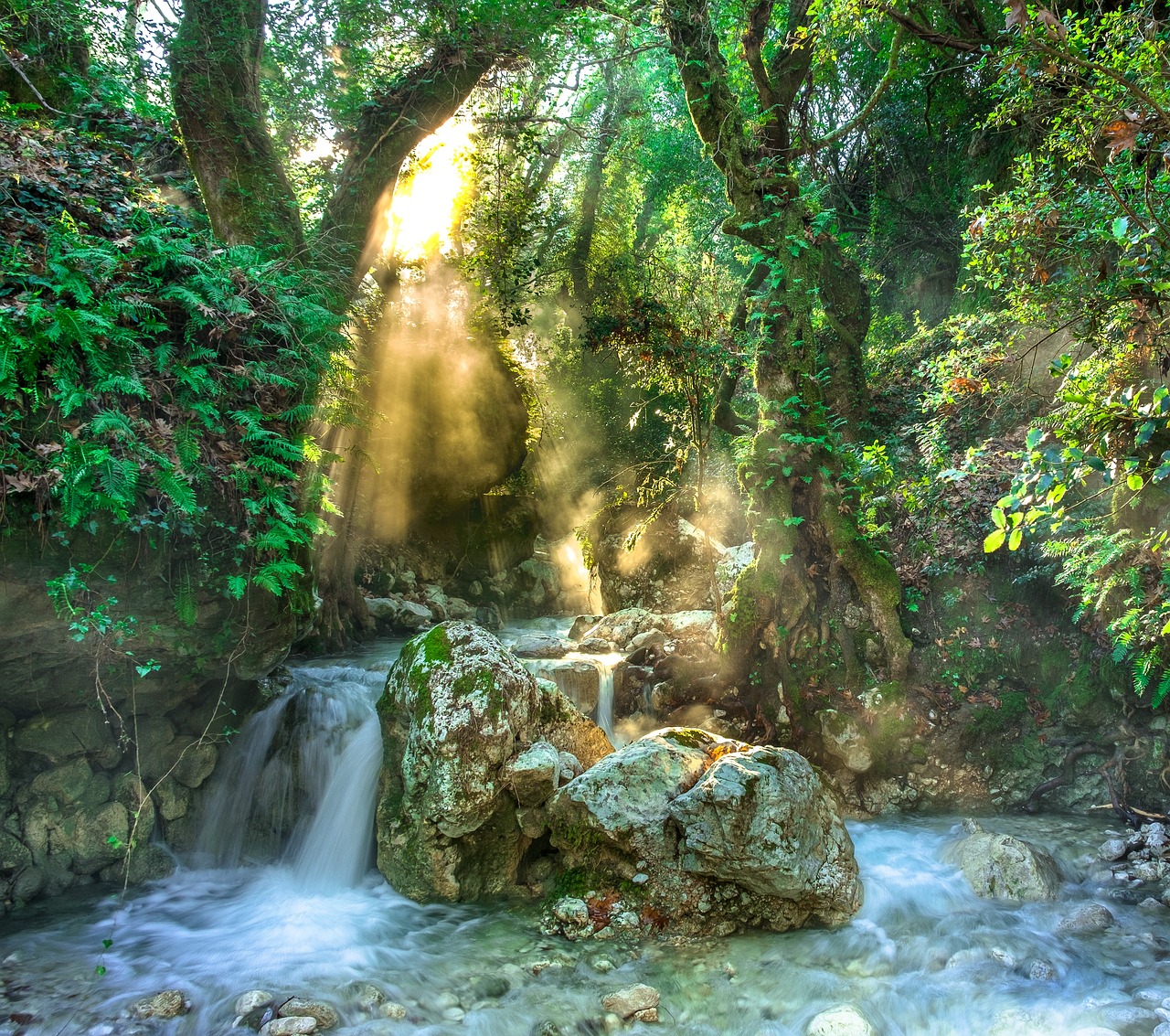
Beyond the plate, the natural wonders of the island serve as a constant reminder of what is at stake. A hike through the mist-covered canopy of El Yunque—the only tropical rainforest in the U.S. National Forest System—underscores the inherent beauty that the food sovereignty movement seeks to protect for future generations.
Sustainable Travel Comparison
| Destination | Core Experience | Best For | Recommended Duration |
|---|---|---|---|
| San Juan | High-end farm-to-table dining | Urban foodies & culture seekers | 2–3 Days |
| Vieques | Ayurvedic healing & vegan kitchens | Wellness & beach relaxation | 3–4 Days |
| Guayama | Cacao farming & treetop stays | Adventurers & nature lovers | 2 Days |
| Hatillo | Medicinal herbs & tinctures | Botanical enthusiasts | Day Trip |
FAQ
1. Is it difficult to find vegetarian or vegan food in Puerto Rico? Traditionally, Puerto Rican cuisine is heavy on pork and seafood. However, the food sovereignty movement has led to a surge in plant-based options. Farm-to-table restaurants in San Juan and eco-retreats like Finca Victoria specialize in creative, vegetable-forward menus that cater perfectly to vegetarians and vegans.
2. How can I ensure my visit actually supports local farmers? Look for the "Agro-Turismo" certification from the Puerto Rico Tourism Company. Eat at independent restaurants rather than large chains, and shop at local placitas (markets). Engaging in farm stays or booking tours directly through the farm's website ensures your money stays within the local community.
3. Is it safe to drive into the mountain regions? The roads are well-paved but can be very steep and winding with sharp turns. It is best to drive during daylight hours and use a GPS app like Waze, which is very accurate in Puerto Rico. A compact SUV is recommended for better handling on mountain inclines.
Join the Movement
The next time you sit down for a meal in Puerto Rico, look closer at your plate. Ask where the coffee was roasted, where the pumpkin was grown, and who caught the fish. By choosing to support the island's burgeoning agricultural scene, you aren't just a tourist; you are a participant in a historic cultural revival.