In the rarefied world of custom automotive design, true luxury is rarely found in the loudest roar, but in the most meticulous transformation. Today, we look at an industrial masterpiece that blurs the line between mechanical engineering and fine art: the ZEROVECTOR Manta Ray.
The 10-Year Masterpiece: From Utility to Art
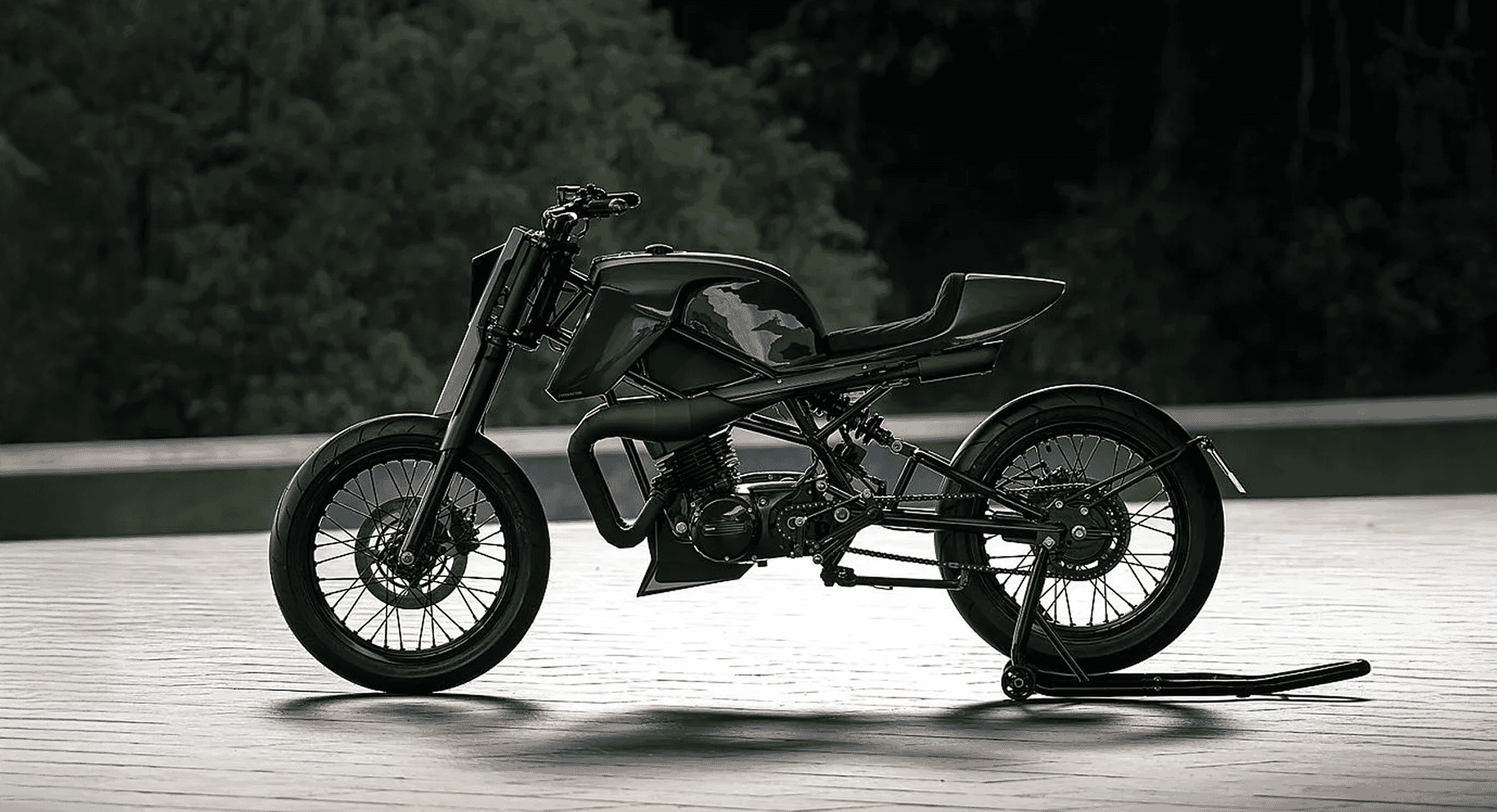
True craftsmanship is often a slow burn, a sentiment echoed in the decade-long odyssey of designer Chiu. What began as an ambitious industrial design thesis has culminated in the 'Manta Ray,' a stunning reimagining of the ubiquitous 1980s Suzuki BS125. In Taiwan, the BS125 is the quintessential delivery bike—a rugged, utilitarian workhorse. Chiu’s vision elevates this humble heritage into the realm of high-concept sculpture. By stripping away the mundane and imposing a silhouette of aggressive elegance, the ZEROVECTOR project challenges our perception of "value," proving that even a common tool can be transmuted into an investment-grade masterpiece through sheer artistic will and ten years of refinement.
Biomorphic Geometry: The Manta Ray Inspiration
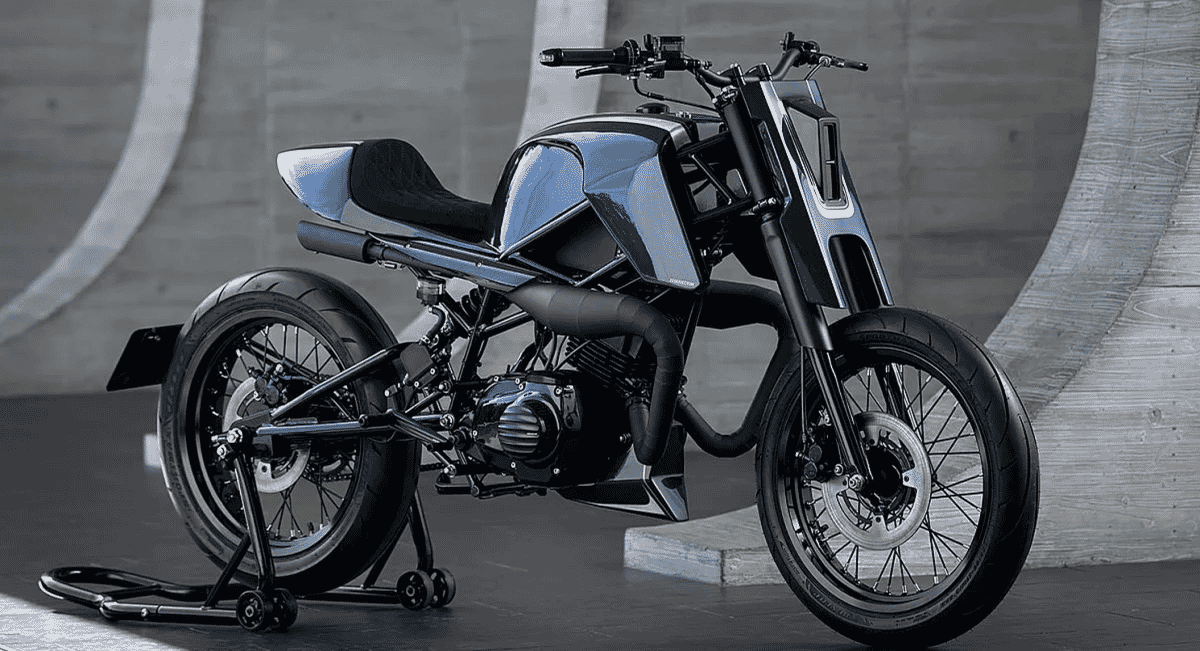
The aesthetic language of the Manta Ray is decidedly biomorphic, drawing a direct parallel between the fluid motion of marine life and the aerodynamic requirements of the street. To achieve this level of organic flow, Chiu spent over 300 hours in the tactile pursuit of manual clay modeling, a process typically reserved for high-end automotive prototyping. The resulting bodywork mimics the graceful yet powerful sweep of a manta ray’s pectoral fins. This is not merely styling; it is an exercise in "sculptural kinesis," where the bike appears to be in motion even when stationary. For the discerning collector, it represents a rare intersection where biological inspiration meets rigid industrial geometry.
Engineering the Trellis: A Custom Skeleton
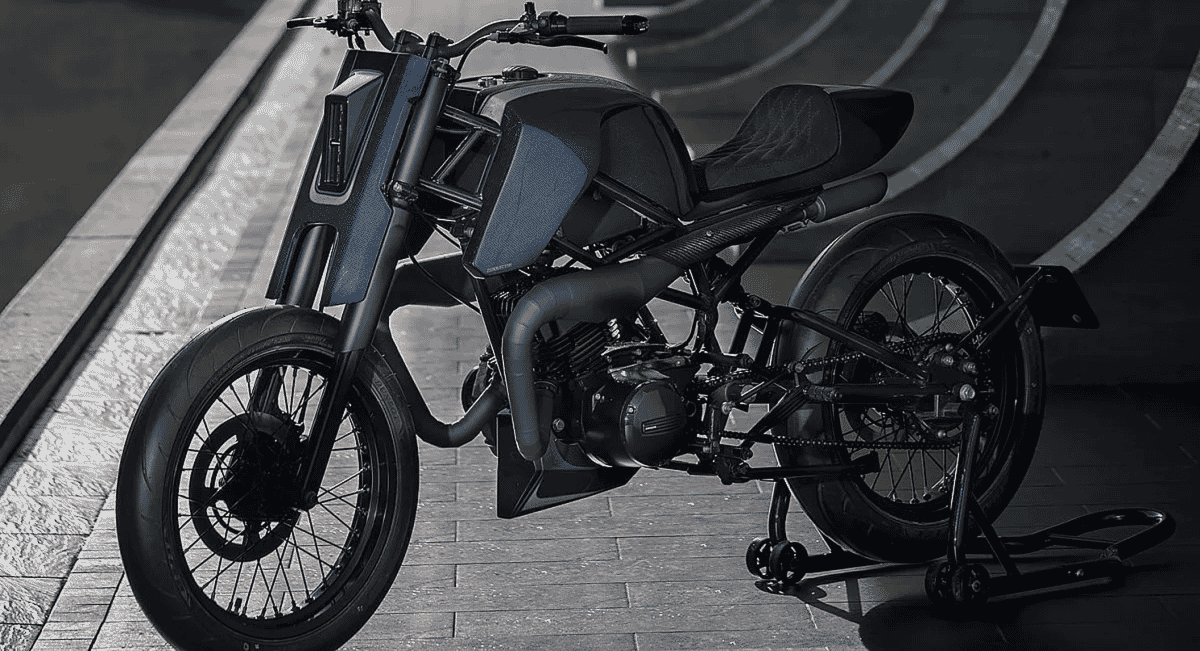
Beneath the avant-garde skin lies a feat of architectural engineering. Chiu discarded the original frame in favor of a bespoke, self-designed trellis architecture. This skeletal framework provides the necessary rigidity for modern performance while maintaining a visual lightness that complements the biomorphic bodywork. The integration of a mono-shock swingarm, paired with Kymco KTR 150 forks and high-performance DNM suspension, bridges the gap between vintage charm and contemporary stability. It is this balance of structural integrity and aesthetic transparency that defines the ZEROVECTOR ethos: the machine’s "bones" are just as beautiful as its skin.
The Two-Stroke Soul: Performance Reimagined
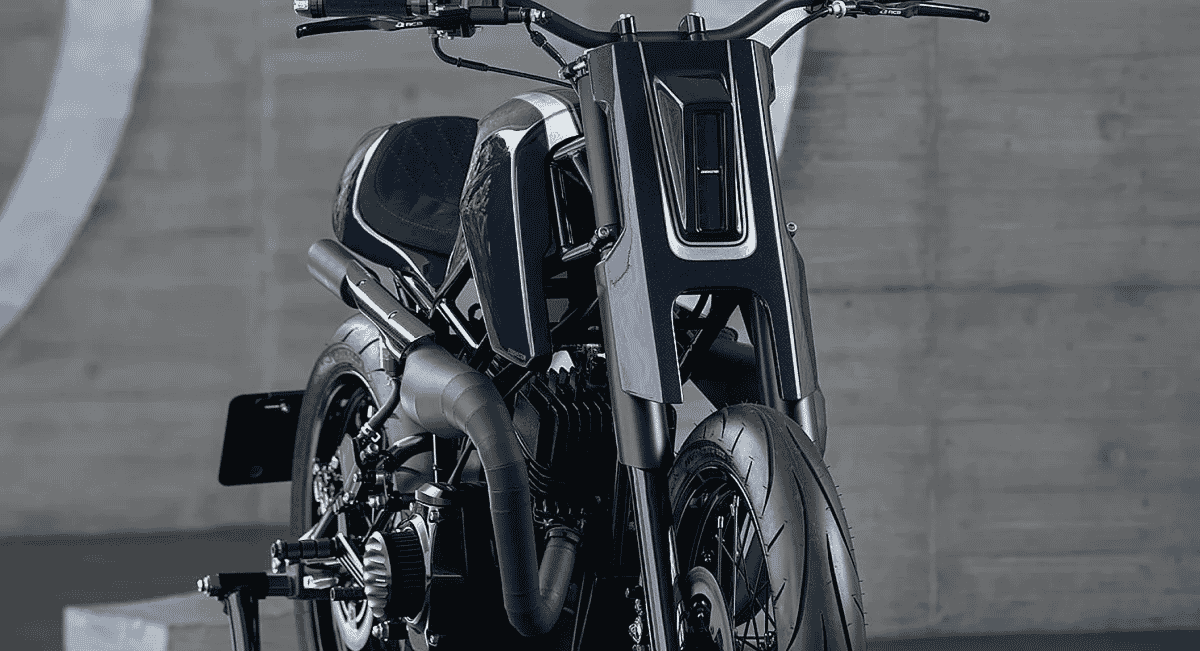
For the connoisseur of mechanical heritage, the preservation of the BS125’s two-stroke engine is a masterstroke of nostalgic engineering. Rather than opting for a modern, sterile powerplant, Zerovector revitalized the raw, visceral soul of the 125cc engine. The performance is augmented by a pair of bespoke, blacked-out twin-pipe expansion chambers handcrafted by Banai. These pipes do more than manage exhaust; they are tuned instruments that follow the aggressive, angular lines of the chassis, creating a low-slung stance that suggests a predator ready to strike. The sound is unmistakable—a crisp, rhythmic mechanical heartbeat that honors the origins of the machine.
Material Mastery: Carbon Fiber & Silver Leaf
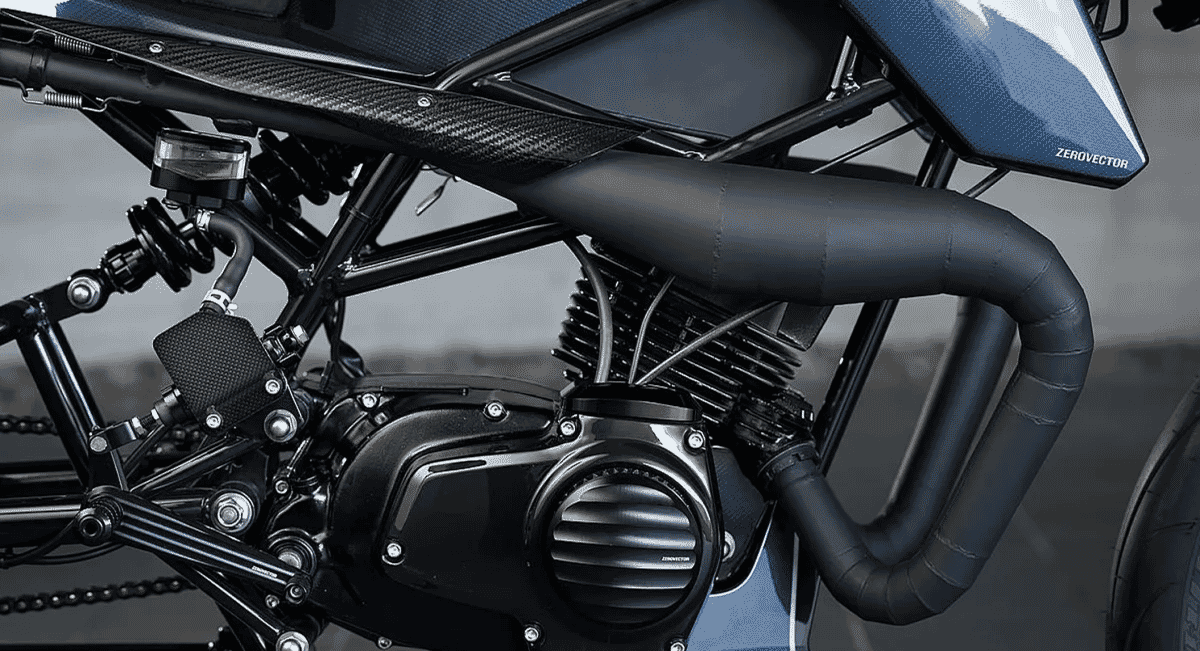
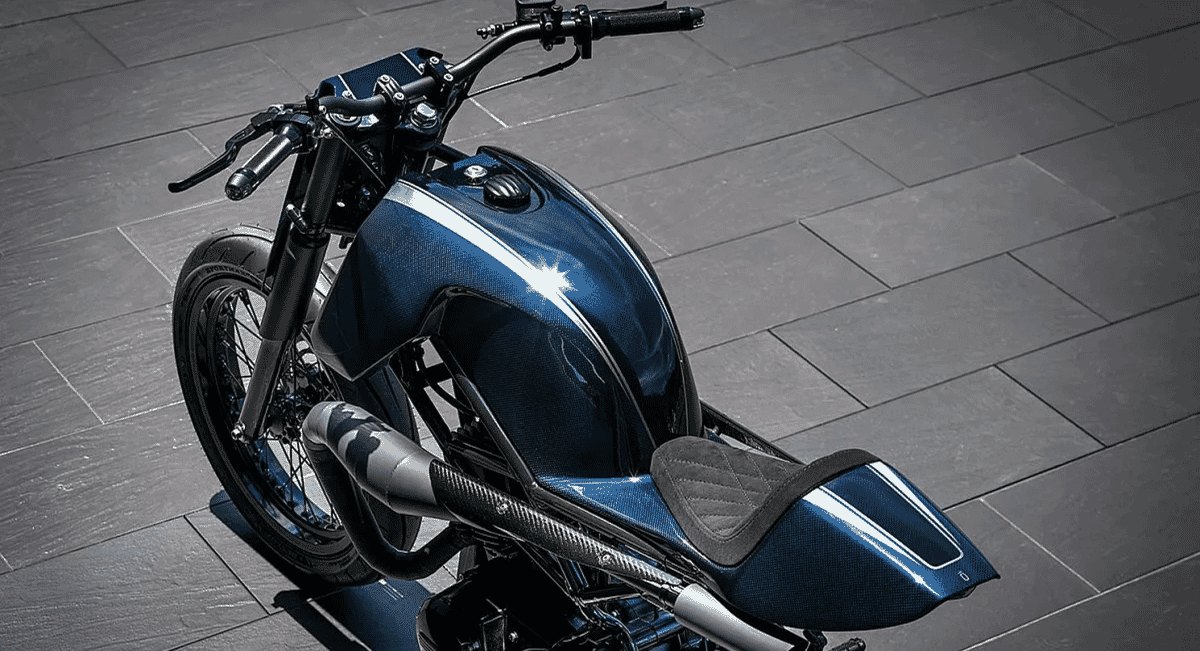
The final layer of the Manta Ray is a masterclass in composite materiality. Working with Simon Fiber Craft, Zerovector applied a carbon fiber veneer that serves as both structural reinforcement and a luxurious finish. Under direct sunlight, a hidden depth is revealed: a unique blue tint integrated into the weave that mimics the shimmering textures of aquatic life. This is further elevated by Jeffrey’s Finishing Touch, whose expert paintwork utilizes silver leaf to create a prismatic effect. These details transform the motorcycle from a vehicle into a "haptic experience," where the interplay of light, shadow, and texture demands closer inspection—a hallmark of true luxury design.
Conclusion: A Legacy of Industrial Craft
The ZEROVECTOR Manta Ray, having secured a prestigious 4th place in the Freestyle class at the Speed and Crafts show, stands as a definitive statement on the future of custom builds. It is a testament to the power of reimagining nature through the lens of industrial craft, turning a decade of dedication into an enduring legacy of style.