True luxury, in its most contemporary form, is no longer defined by the gilded hallways of a city hotel, but by the absolute freedom to traverse the world’s most unforgiving terrains without ever compromising on the refinement of home. This is the ethos of the Arksen U1700, a vehicle that demands we rethink what an "investment piece" truly is in the realm of high-end travel.
The Apex of Expedition: Introducing Project Everest
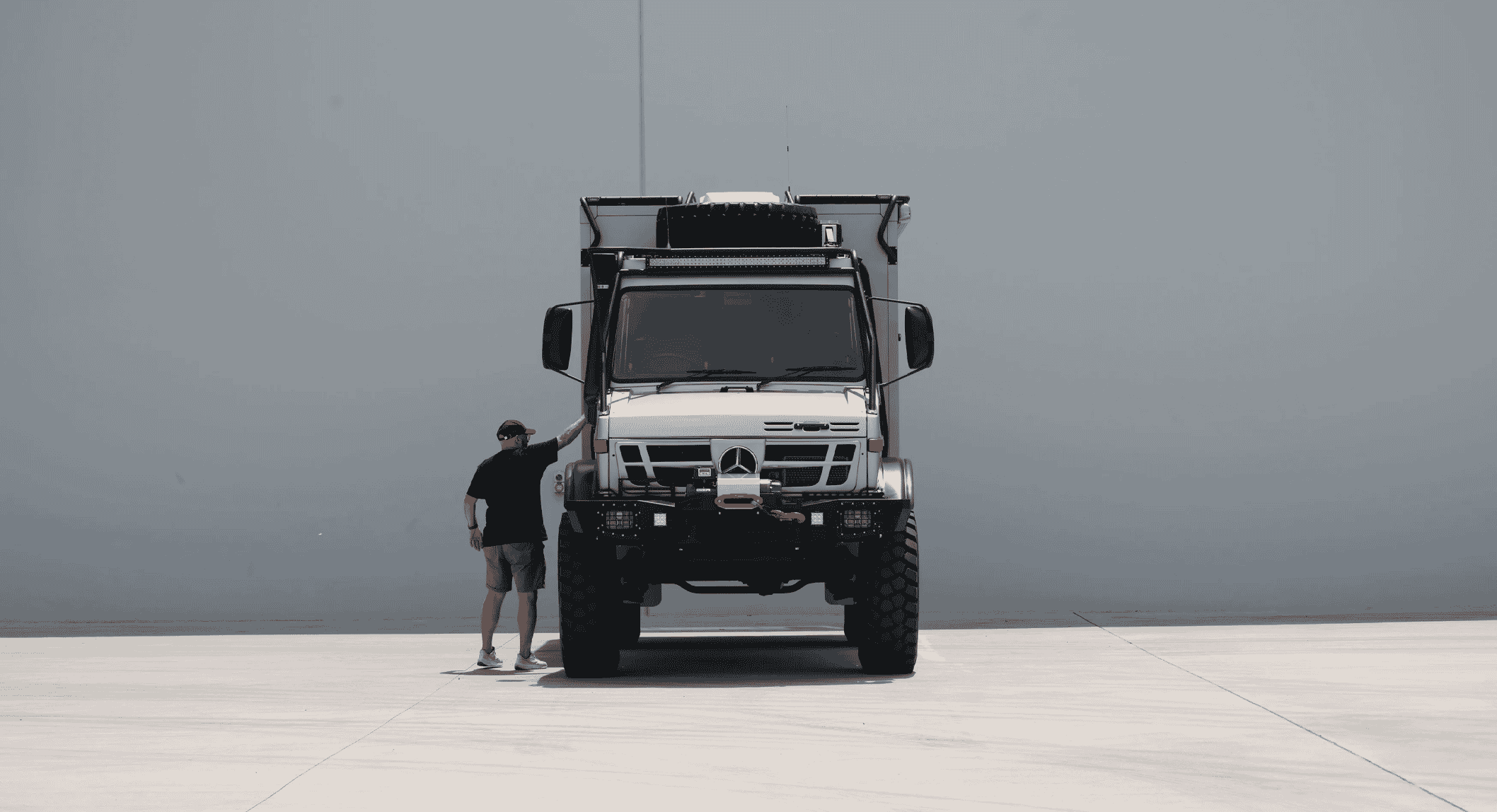
Project Everest represents a rare intersection where the legendary provenance of the Mercedes-Benz Unimog meets the sophisticated design language of Arksen’s marine heritage. For the modern adventurer, this is not merely a vehicle; it is a meticulously engineered sanctuary. Standing beside the U1700, one is immediately struck by its imposing scale—a brutalist masterpiece finished in a crisp, industrial white that feels more like a mobile gallery than a traditional off-roader. It is a bold statement of intent, designed for those who view the horizon not as a limit, but as a destination.
Marine-Inspired Engineering: The Exterior Beast
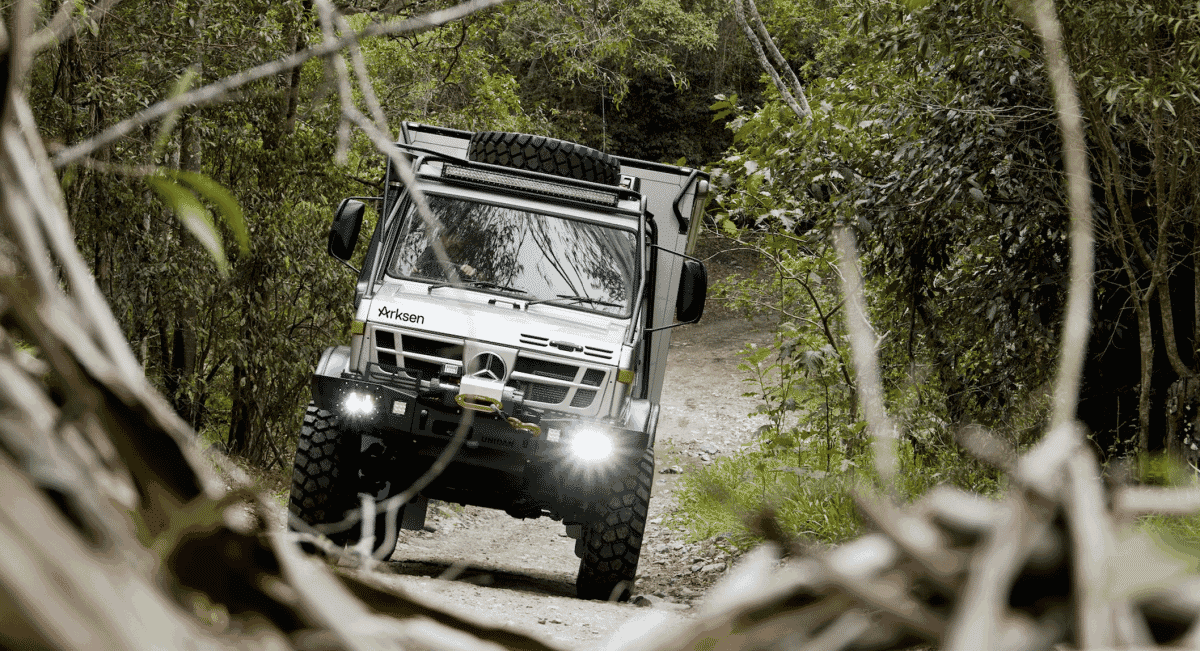
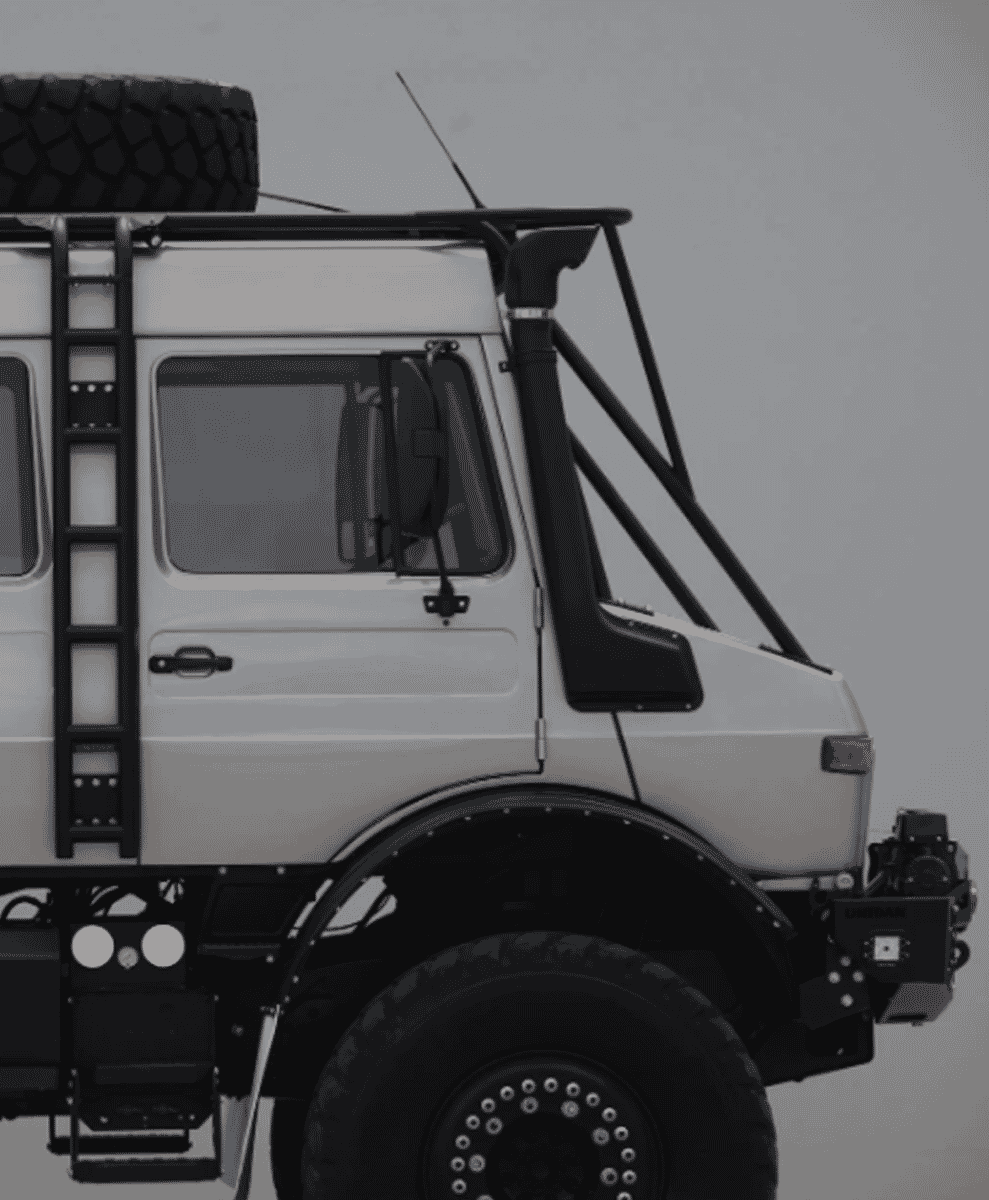
What sets the U1700 apart is its commitment to "circular luxury." By utilizing a "body-off" restoration process on a classic Unimog chassis, Arksen achieves a 75% lower CO2 footprint than a new build—a detail that resonates deeply with the conscious connoisseur. Beneath the rugged Mojave Silver accents lies an upgraded 5.7L turbodiesel engine, paired with massive 46-inch tires that provide a visceral sense of dominance over the landscape. Whether navigating a dense forest trail or a rocky mountain pass, the engineering remains impeccably composed. The exterior aesthetics are a masterclass in utilitarian chic, where every black accessory and reinforced panel serves a distinct purpose in the narrative of survival.
The Sanctuary: Interior Luxury Without Compromise
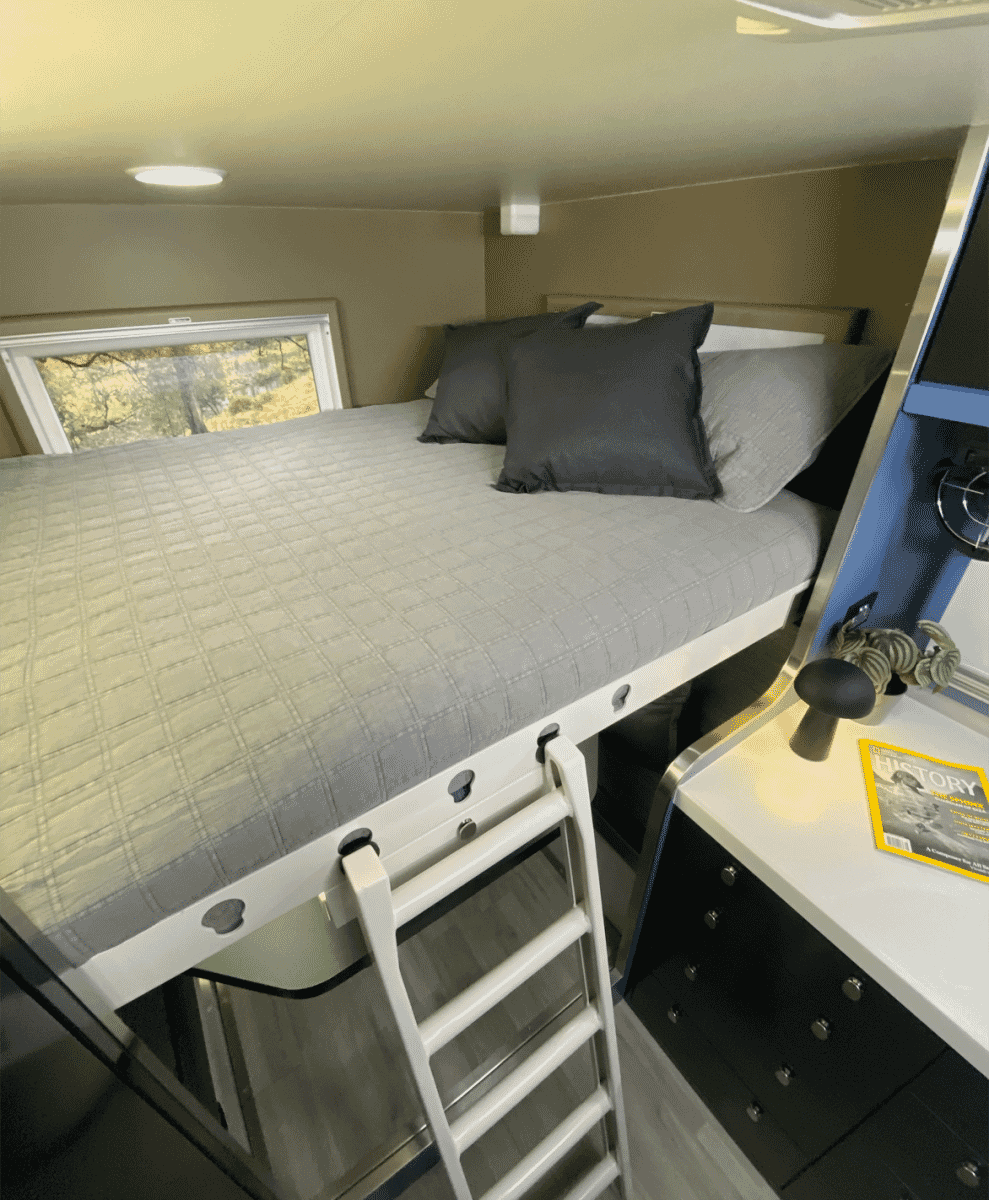
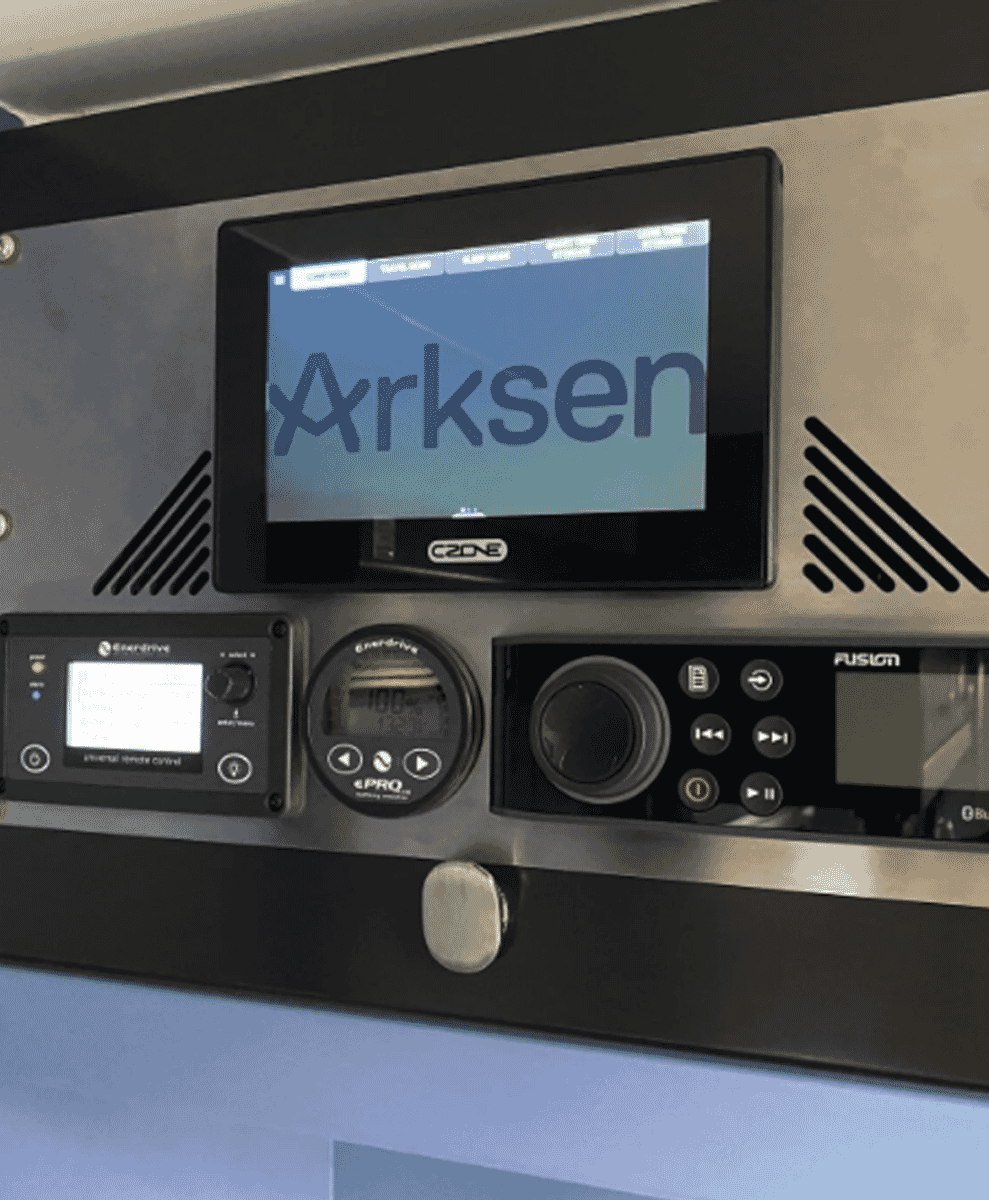
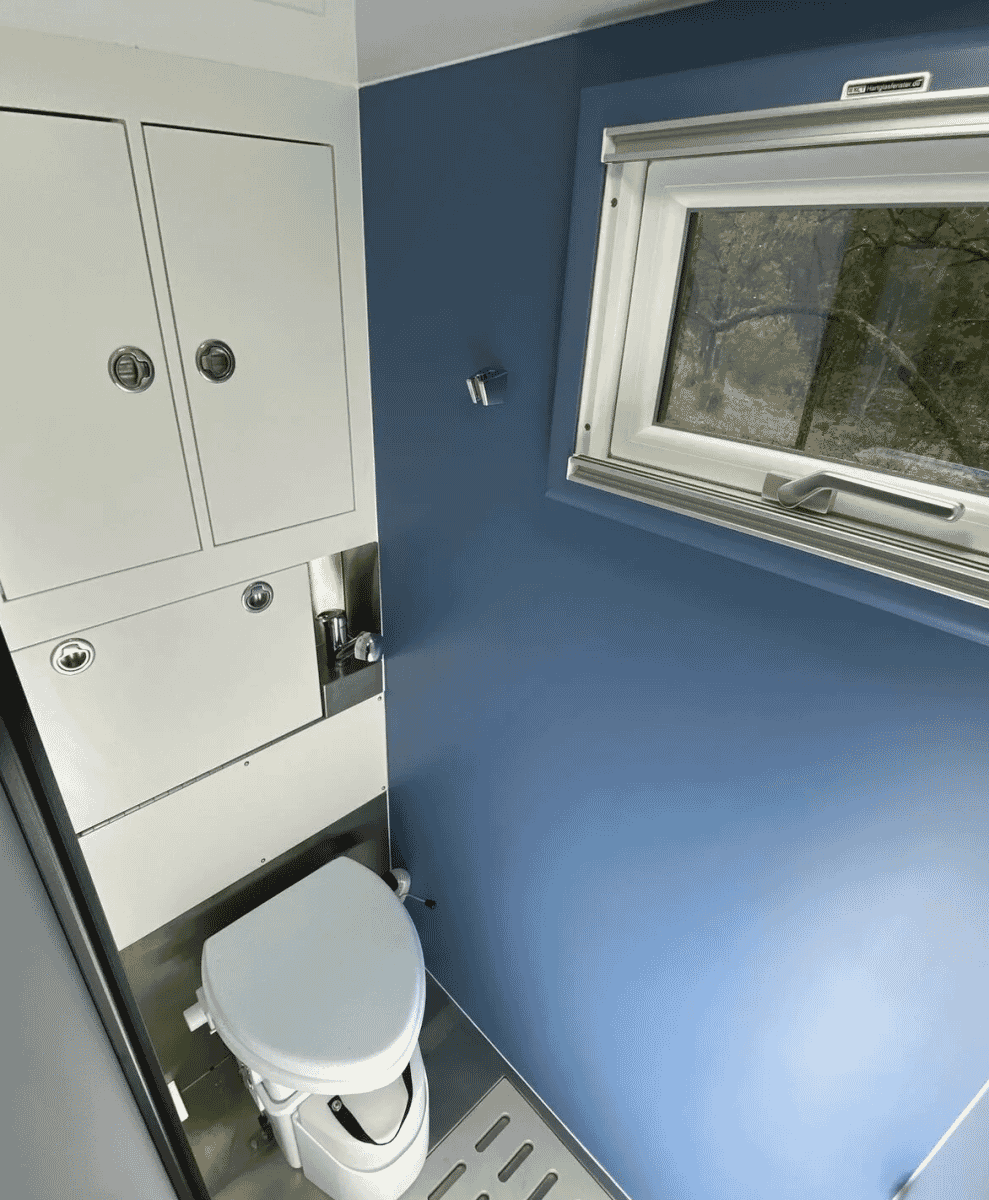
Stepping inside the U1700 is akin to entering the cabin of a high-end explorer yacht. Arksen has masterfully translated its marine expertise into a compact, land-based living space. The soundproofed cab and vegan leather seating for six offer a serene contrast to the rugged exterior. We see a space-efficient loft bed that mimics the clever cabinetry found in maritime design, alongside a command center powered by the CZone control system—yacht-grade technology that manages power and utilities with a single touch. Even the bathroom, finished in a striking, vibrant blue, proves that high-utility spaces can be infused with an editorial aesthetic. It is a masterclass in "quiet luxury" for the wild.
Survival in Style: The Arksen Go-Anywhere Apparel
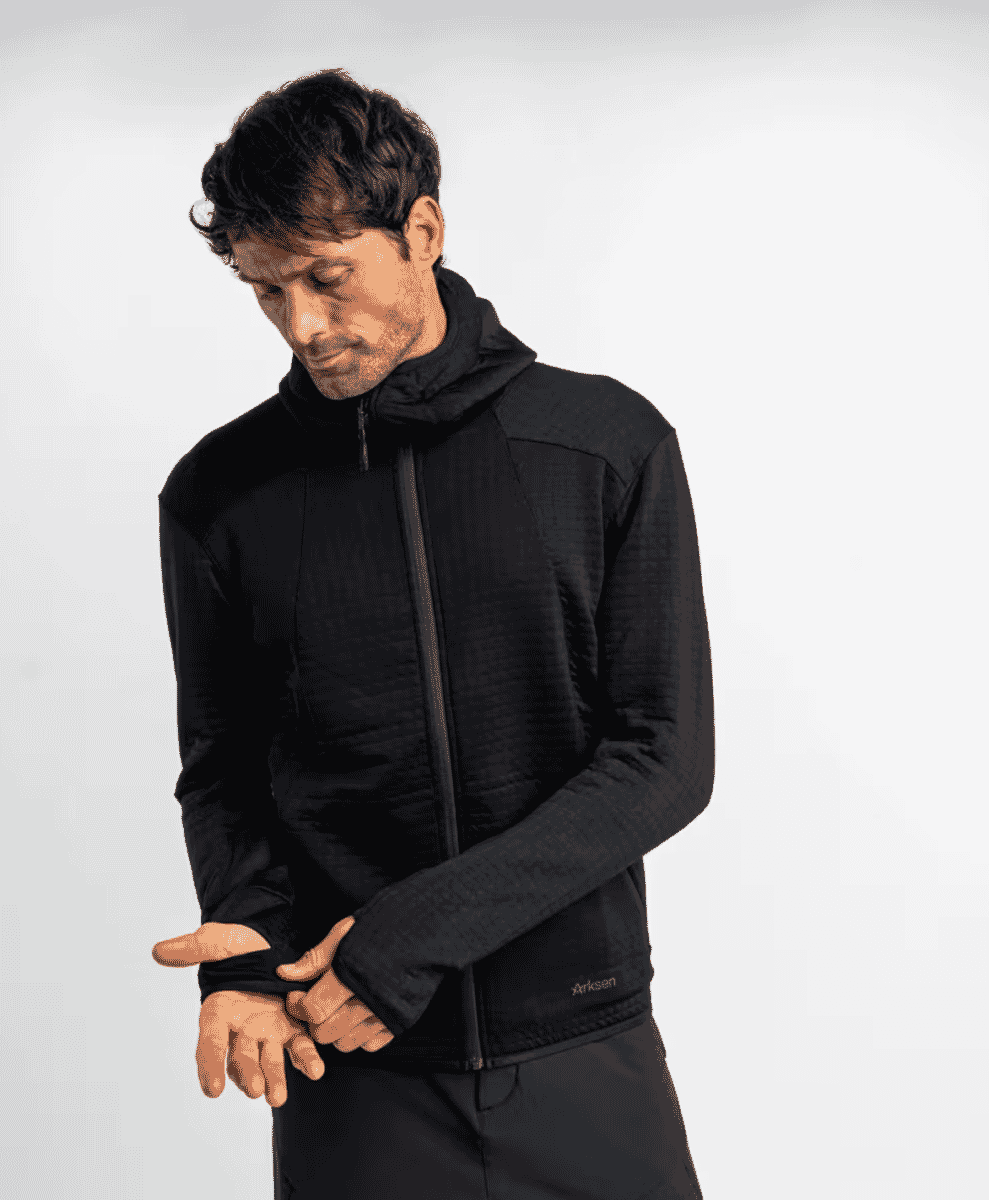
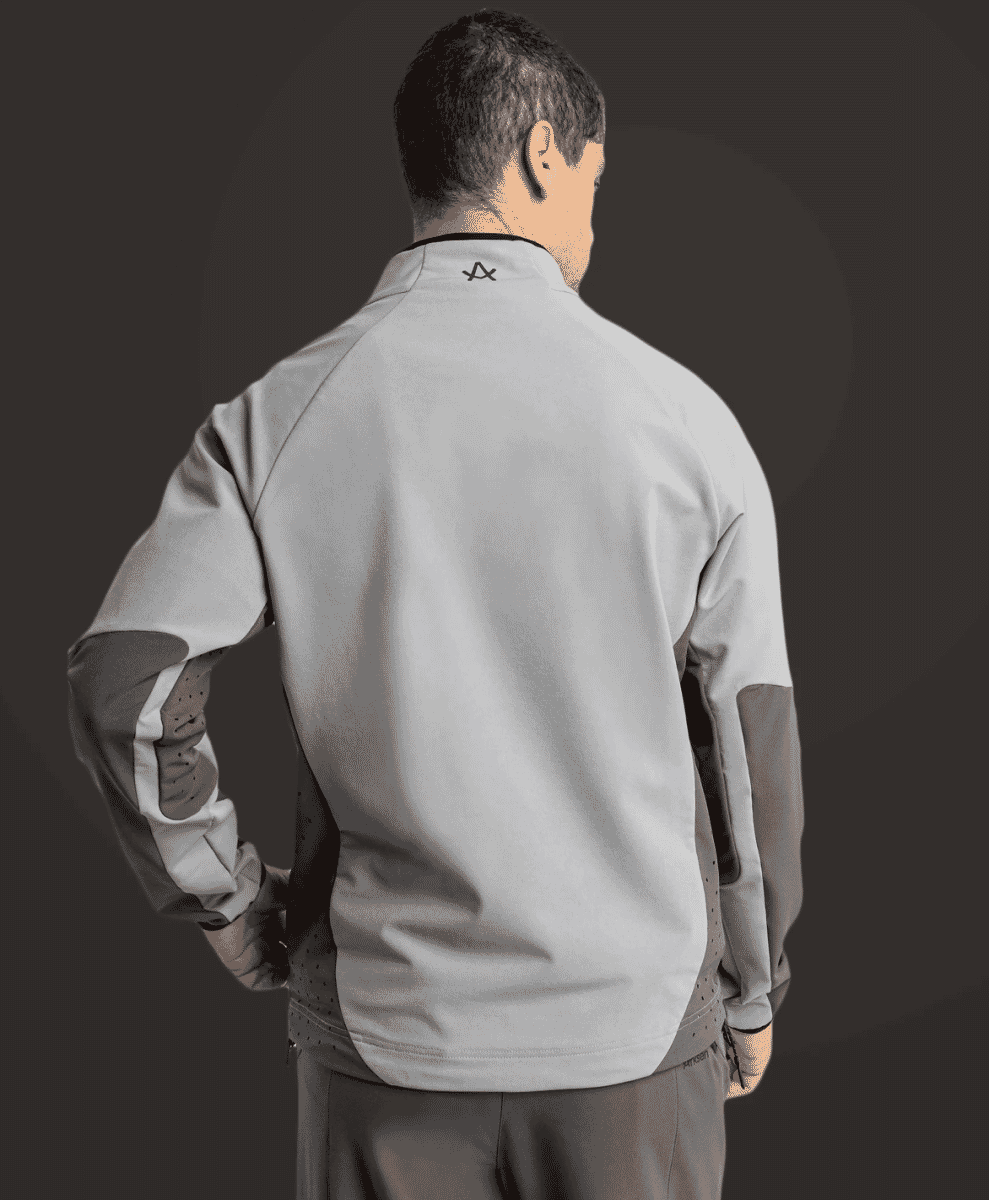
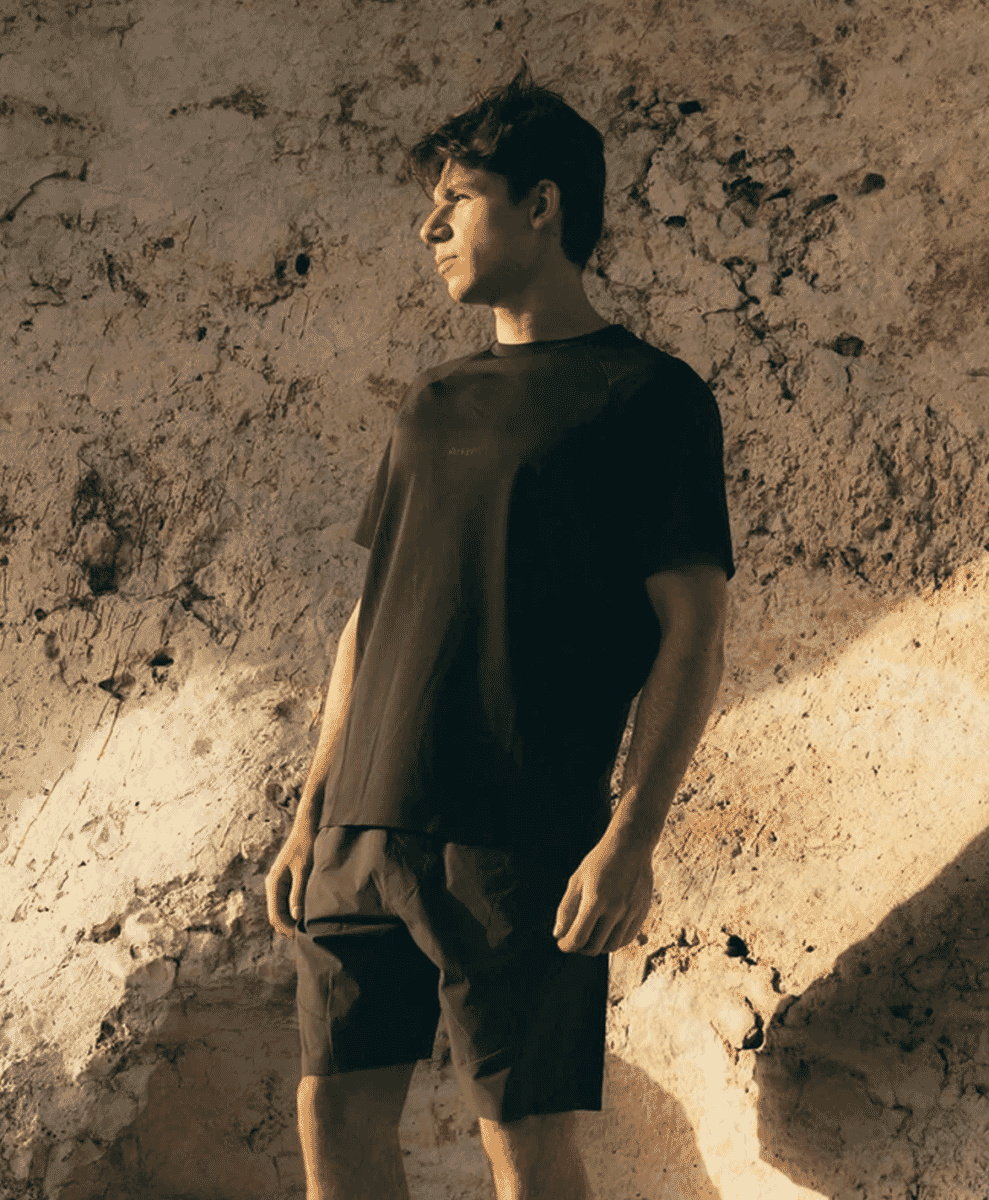
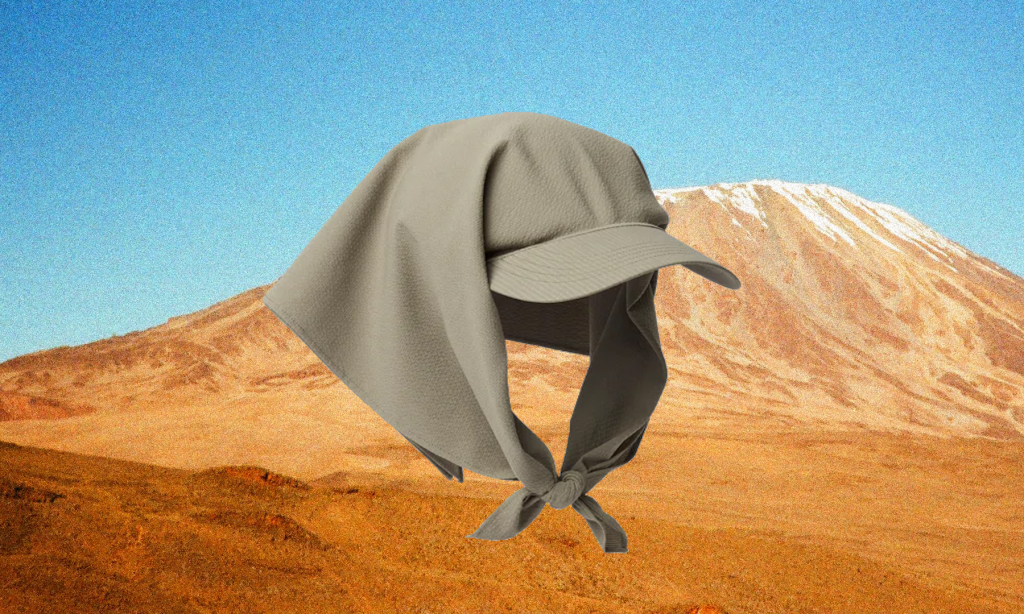
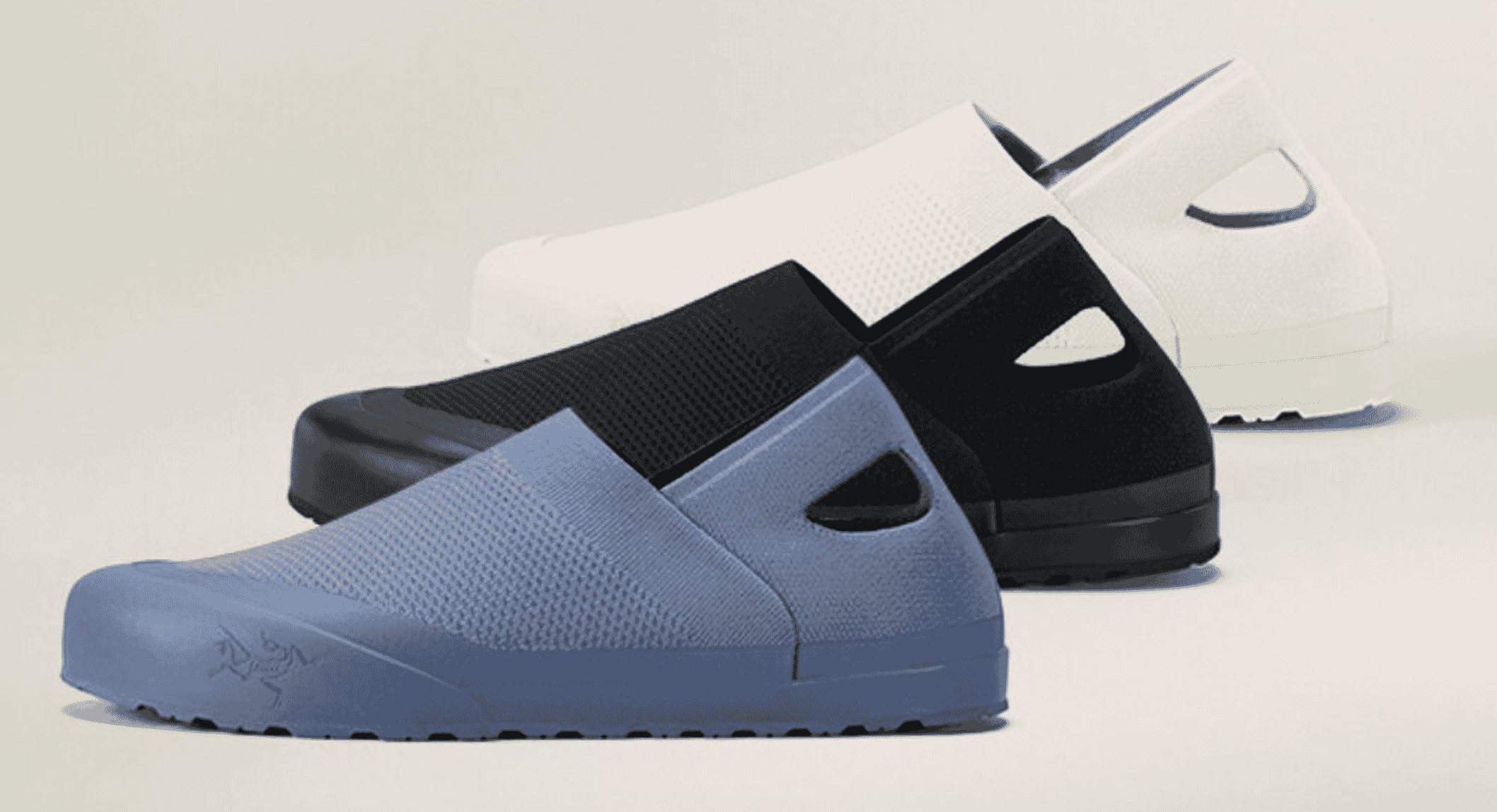
An expedition is only as successful as the equipment one wears. The Arksen SS25 apparel collection serves as the essential uniform for this lifestyle. The Nox hoodie is a standout—crafted from recycled Italian fabrics, it offers a technical silhouette that transitions seamlessly from a jungle trek to a city evening. The collection’s palette of earth tones and charcoal grays mirrors the rugged landscapes the U1700 is built to explore. The Limosa zip-through and relaxed-fit shorts emphasize mobility and durability, proving that high-performance gear can possess a sophisticated, tailored edge. These are pieces designed to be lived in, aged, and kept as part of a curated adventure wardrobe.
The Off-Grid Command Center
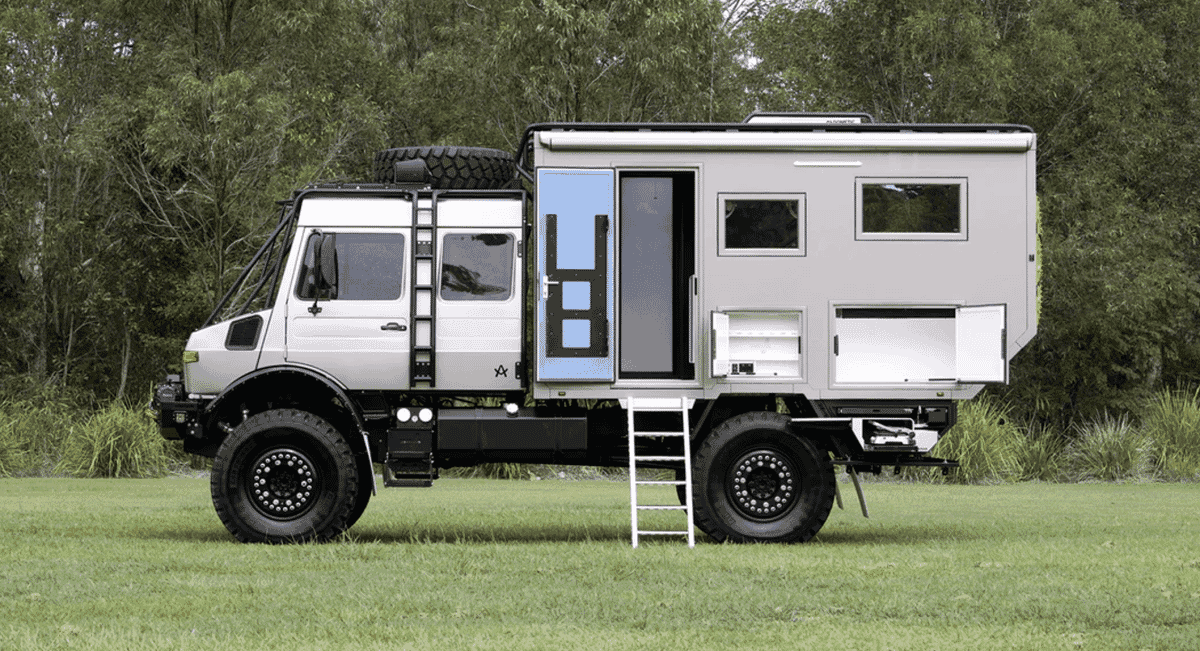
The true brilliance of the Arksen U1700 lies in its independence. With solar power integration and a pop-up roof that extends the living quarters, it functions as a fully autonomous command center. Each vehicle is a 8-10 month custom labor of love, tailored to the specific needs of its owner while meeting the stringent US 25-year import rules for global accessibility. In a world of mass-produced SUVs, Project Everest stands as a bespoke monument to craftsmanship. It is, without question, the world’s toughest luxury platform—a vehicle that doesn't just take you to the end of the world, but ensures you arrive there in impeccable style.
In the realm of high-end expedition, Arksen has not just built a truck; they have crafted a legacy of exploration that feels as at home on a remote plateau as it does in the pages of a design journal.