In the world of luxury real estate, a vibrant lawn is to a house what the perfect fabric is to a bespoke suit—it provides the essential foundation upon which all other design elements rest. Just as high-end garments require a specific maintenance routine to preserve their texture and sheen, your landscape demands a disciplined approach to irrigation to maintain its "runway-ready" appeal.
Timing the Glow: The Golden Hours for Hydration

In fashion, timing is the difference between a trendsetter and an afterthought. The same logic applies to your lawn’s hydration schedule. To achieve that enviable, lush aesthetic seen in modern architectural photography, you must treat your watering schedule like a morning skincare routine. The "runway standard" for irrigation is completing the cycle before 10:30 a.m.
During these early hours, the air is cooler and winds are typically calm, ensuring that every drop of water reaches the roots rather than being lost to the atmosphere. Research indicates that irrigating before 10 a.m. reduces water waste by a staggering 25-30% by minimizing evaporation. If your professional schedule doesn’t allow for a morning soak, a secondary window exists between 4 p.m. and 6 p.m. However, be cautious: watering too late in the evening can leave moisture sitting on the blades overnight, which is the horticultural equivalent of leaving a damp silk garment in a dark closet—it invites unwanted fungal "blemishes" that can ruin the lawn's pristine finish.
The Volume Rule: Measuring for Perfection
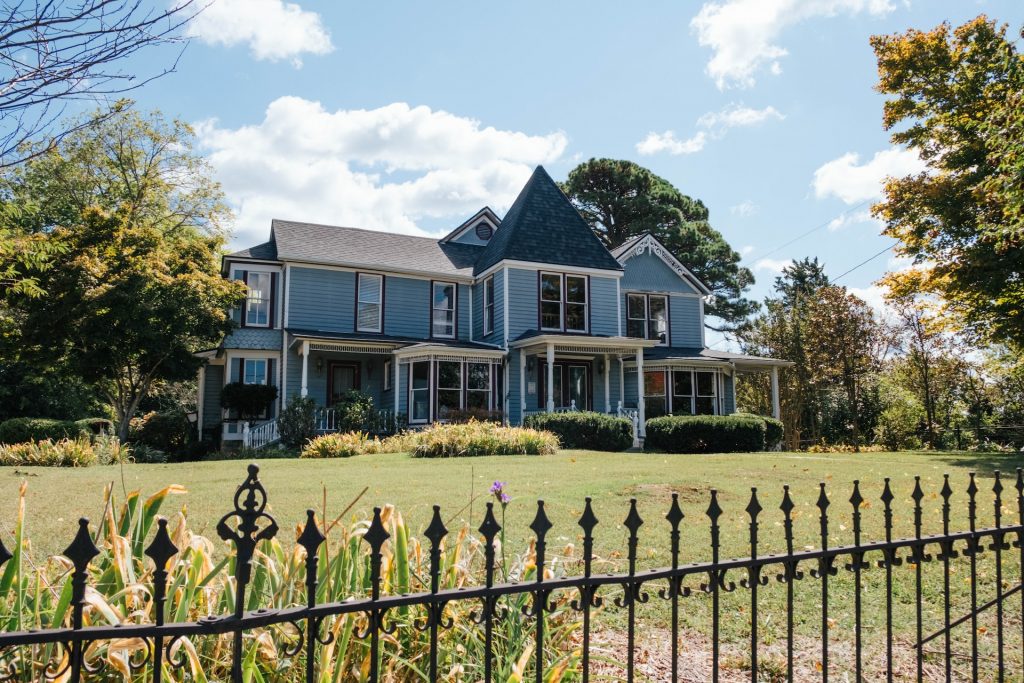
Classic curb appeal, much like a traditional Victorian silhouette, relies on structure and consistency. When managing an established landscape, the most critical "measurement" is the volume of water applied. To maintain a deep, emerald-green hue that complements ornate architectural details, most established lawns require 1 to 1.5 inches of water per week, inclusive of natural rainfall.
Achieving this "perfect fit" requires more than just guesswork. You can verify your irrigation system's performance using the "tuna can test": place empty cans around your yard and measure how long it takes to collect half an inch of water. Alternatively, use the "screwdriver test"—if you cannot easily push a screwdriver six inches into the soil, your lawn is dehydrated and its "fabric" is tightening. Precision in volume ensures that even the most complex landscapes, bordered by iron fences and intricate stonework, remain healthy and vibrant rather than wilted and worn.
Deep Watering: Building Strength from the Roots
There is a fundamental difference between a "fast-fashion" lawn and a "luxury investment" landscape. The secret lies beneath the surface. Many homeowners make the stylistic error of shallow, daily watering—a habit that creates a weak, pampered root system. To build a lawn that can withstand the "wear and tear" of a hot summer, you must commit to a deep watering philosophy.
By watering less frequently but more deeply, you signal to the grass that it must reach further into the earth for sustenance. Lawns on deep watering schedules develop root systems up to 40% deeper than those receiving light, frequent sprinkles. This increased root depth acts as a biological insurance policy, providing superior drought resistance and a denser, more resilient "weave" of turf. In the high-stakes world of curb appeal, this structural integrity is what separates a truly premium yard from a merely decorative one.
Seasonal Adjustments: Caring for Different 'Fabrics'
Just as you wouldn't wear heavy wool in July or linen in December, your lawn's "wardrobe" needs change with the seasons. The key is identifying whether your lawn is a Cool-Season variety (like Fescue or Bluegrass) or a Warm-Season variety (such as Bermuda or Zoysia). Each "fabric" requires a different care label.
- The Summer Season: This is the peak of the "growth gala." During high-heat months, your lawn may require irrigation 3-4 times per week to combat the intense sun.
- The Autumn Transition: As the air cools, the metabolic rate of your grass slows down. Shift your schedule to 1-2 times per week to prevent oversaturation as the lawn prepares for its winter "dormancy."
Adjusting your irrigation frequency based on the seasonal "collection" ensures that you are never over-accessorizing with water, which can lead to runoff and nutrient depletion.
A vibrant, healthy yard is the ultimate outdoor accessory, a living testament to disciplined maintenance and aesthetic precision. By mastering the timing, volume, and depth of your irrigation routine, you ensure that your home’s first impression is always one of perennial elegance.