To the true connoisseur, the appreciation of a rare vintage begins long before the liquid touches the palate. It is a choreographed sequence of sensory cues: the resonant 'clink' of a crystal stopper, the amber liquid cascading against faceted walls, and the weight of a hand-cut base that grounds the entire experience.
The Visual Power of the Pour: Setting the Mood
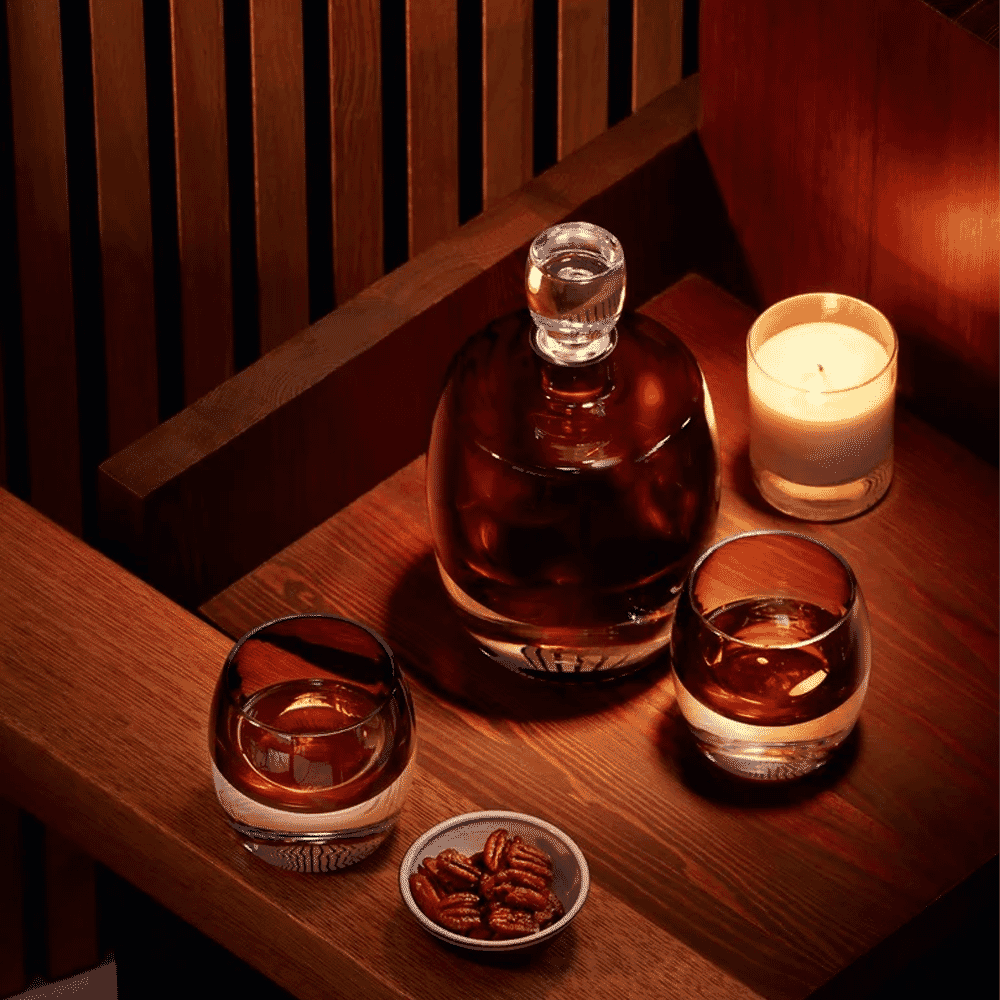
Luxury whiskey is as much about the environment as it is about the mash bill. When we speak of the "Visual Power of the Pour," we are discussing the curation of an atmosphere that honors the heritage of the spirit. A dark oak table, the flickering warmth of candlelight, and a vessel that captures the liquid’s natural viscosity create a visceral connection to the distillery's history. This isn't just consumption; it’s an investment in a moment. The glassware serves as the primary lens through which we view the spirit’s maturity, turning a simple drink into a masterclass in atmospheric design.
Crystal vs. Glass: The Science of Brilliance and Heft
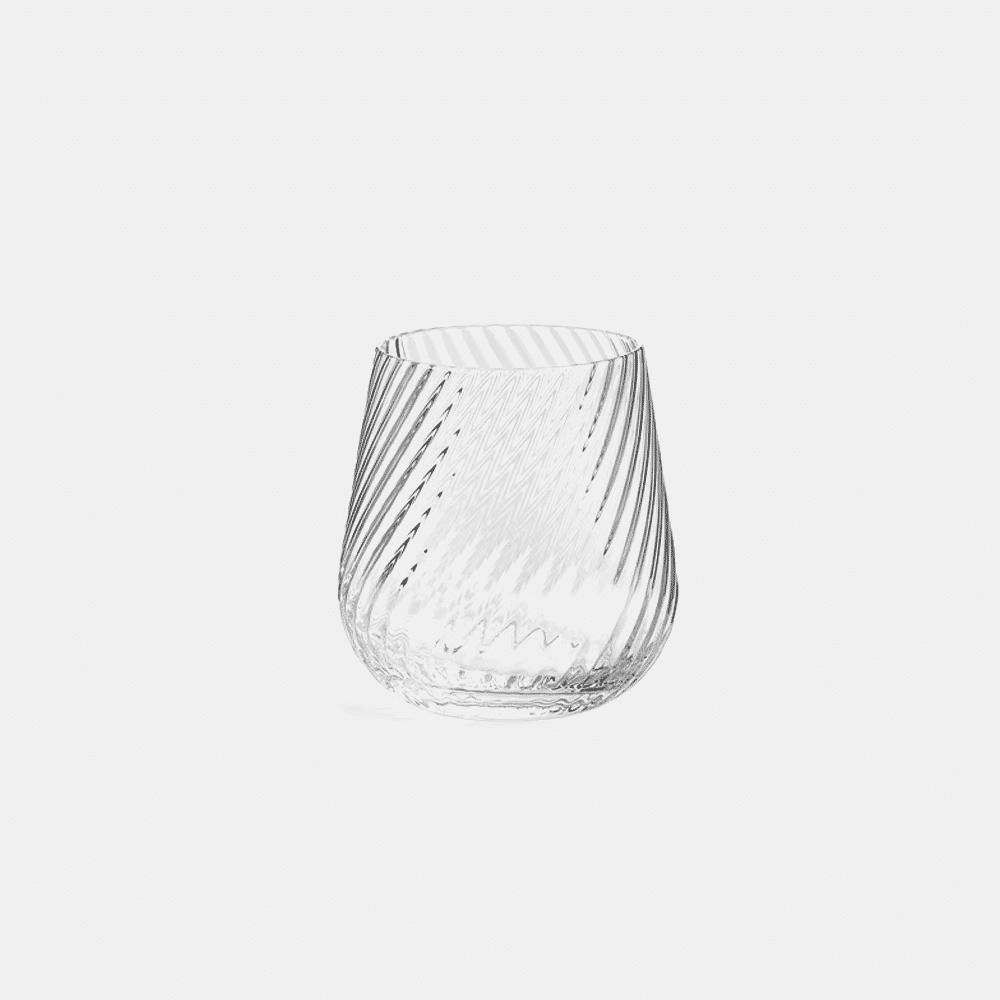
In the realm of high-end spirits, the distinction between standard glass and premium lead-free crystal is non-negotiable. Crystal possesses a significantly higher refractive index, meaning it bends light with greater intensity, making the whiskey appear to glow from within. Beyond the optics, there is the "heft"—the psychological reassurance of quality felt through the hand. A weighted, faceted base provides stability and a tactile richness that standard soda-lime glass cannot replicate. This structural integrity allows for intricate textures, such as diagonal ribbing, which not only catch the light but offer a secure, sophisticated grip for the discerning collector.
The Purist’s Tool: Engineering the Tasting Experience
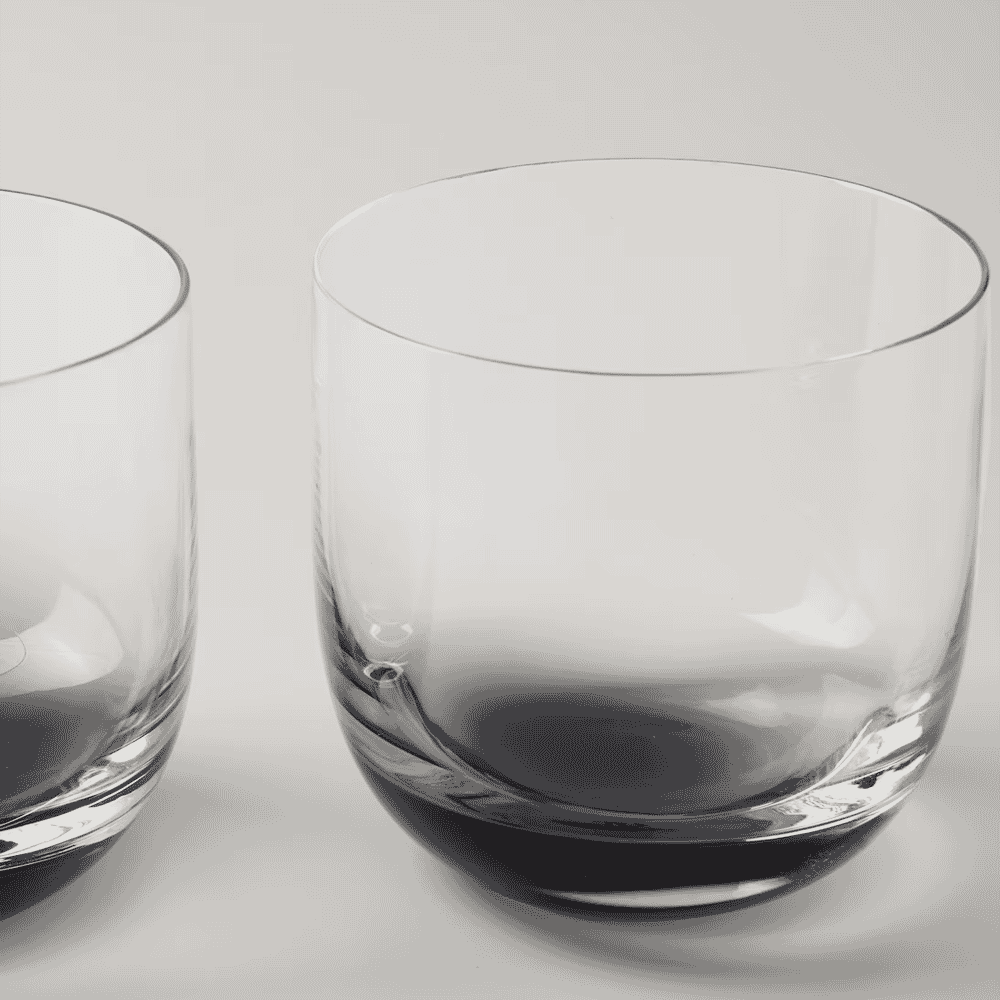
While the traditional rocks glass is synonymous with the "social sip," the purist looks for engineering. The 2025 trend in whiskey appreciation leans heavily toward tapered silhouettes that bridge the gap between a Glencairn and a tumbler. These tulip-shaped vessels are designed specifically for "nosing"—the critical stage where ethanol diffusion is managed to let the subtle notes of peat, vanilla, or tobacco emerge. By narrowing at the rim, the glass concentrates these aromatics toward the nose, ensuring that the olfactory experience is as nuanced as the first sip. This is where technical design meets the art of the pour, providing a tool that is as functional as it is beautiful.
The Modern Tumbler: Minimalist Design for the Social Sip
The modern landscape of 2025 sees a significant shift toward "hybrid" designs. Consumers are increasingly seeking glassware that offers the technical benefits of a tasting glass with the substantial, masculine feel of a classic heavy-bottomed tumbler. We’ve noted a 15% increase in interest for these artisanal forms, which prioritize clean lines and architectural silhouettes.
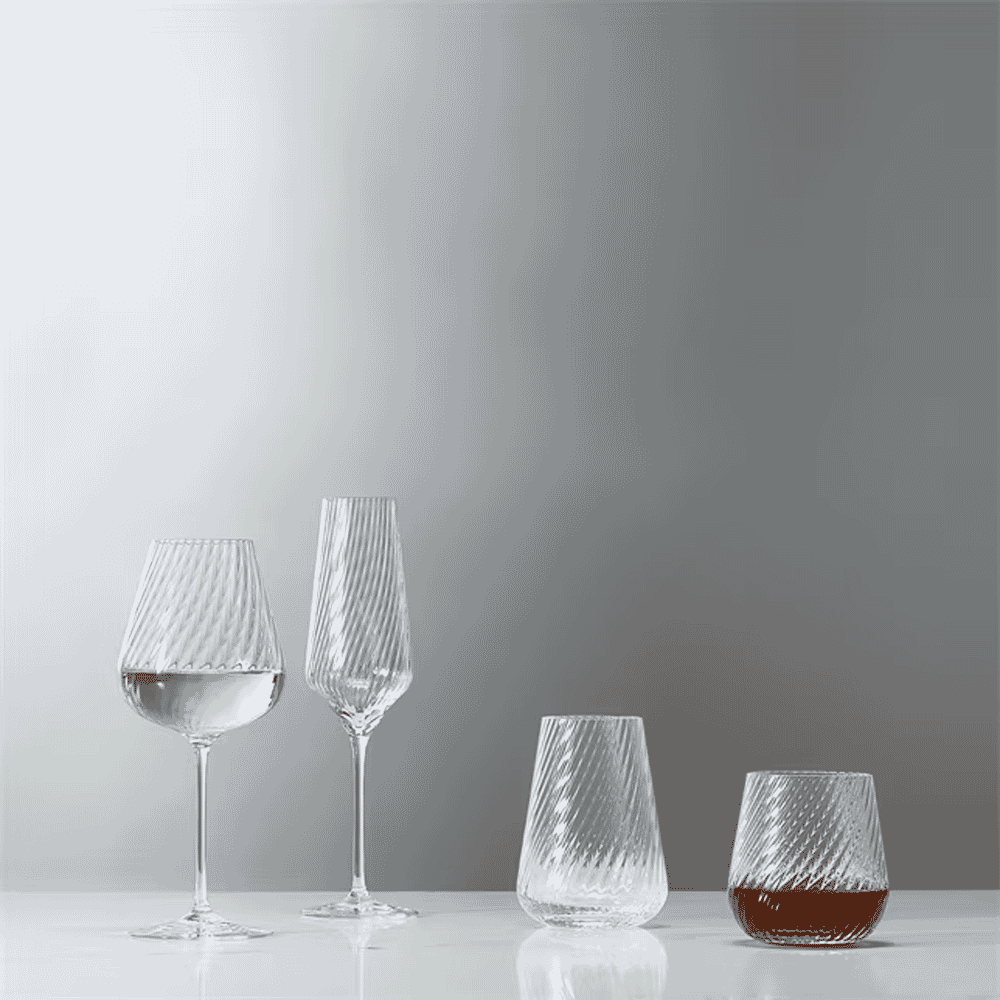
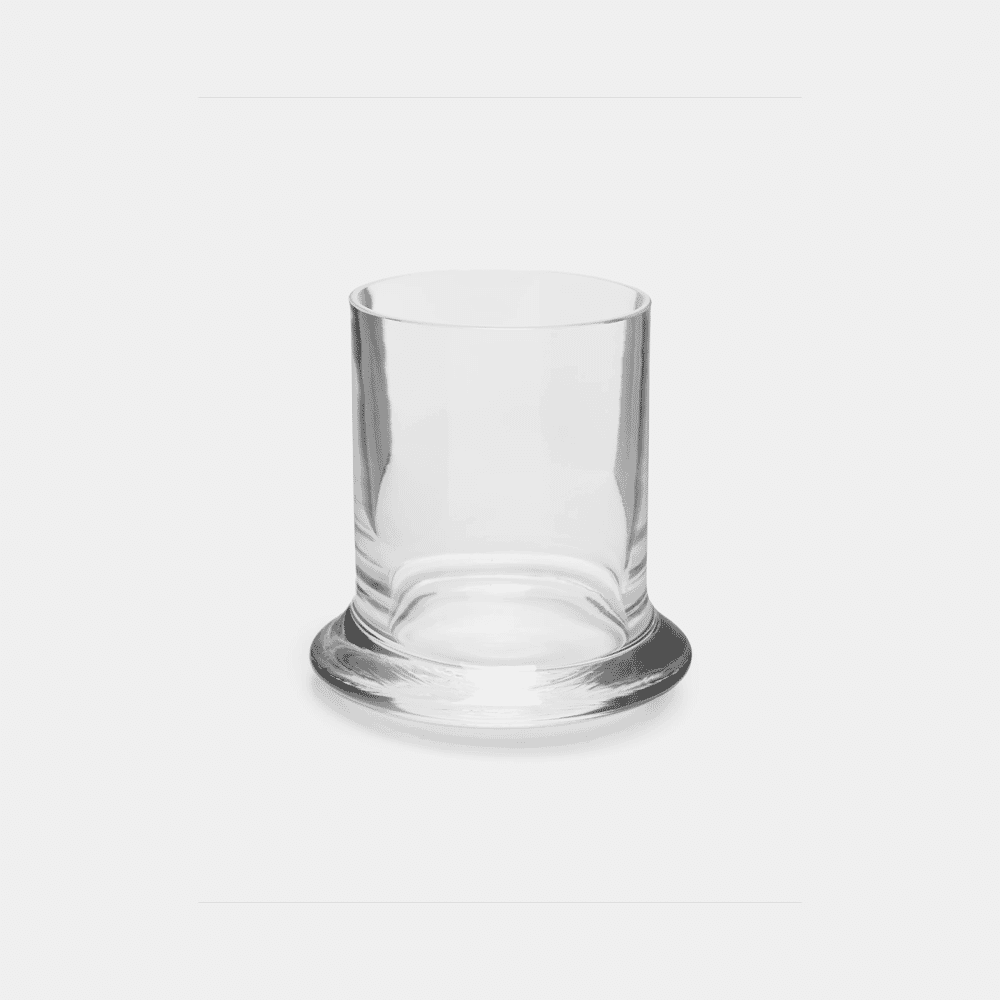
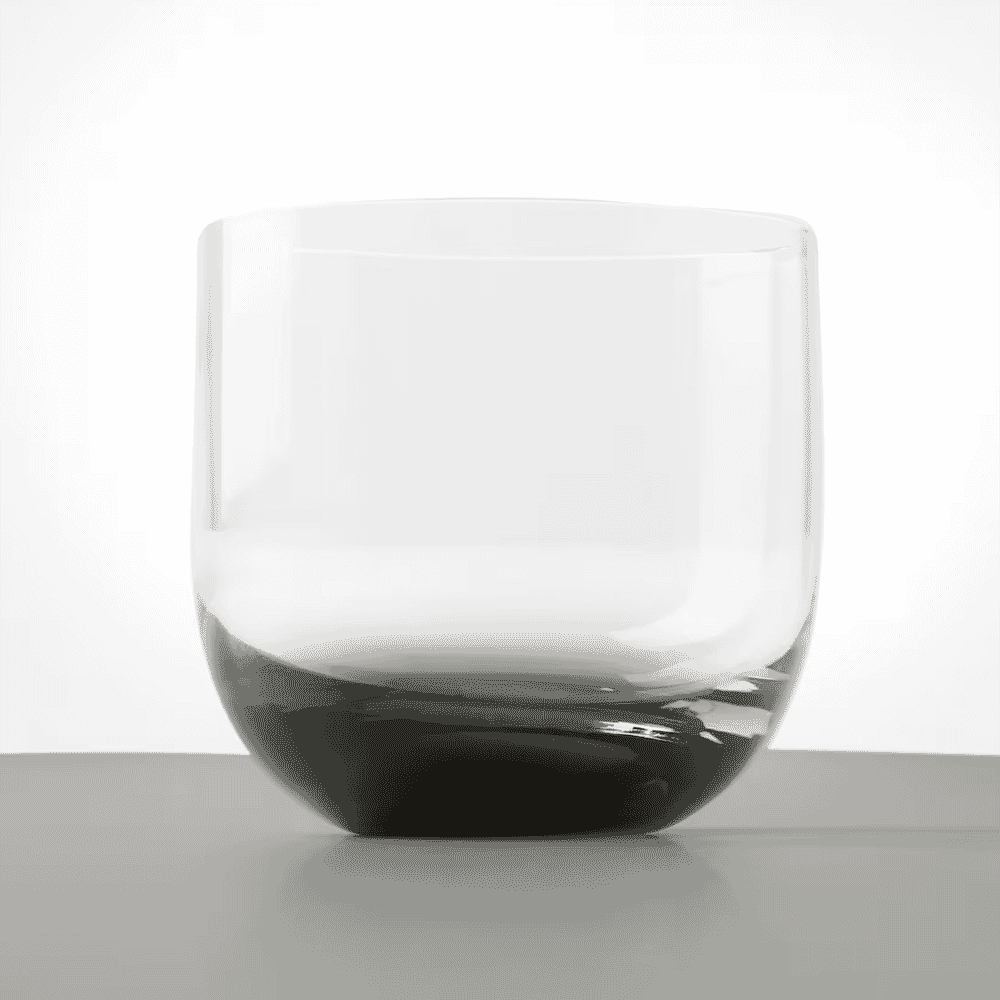
These tumblers are the workhorses of the home bar, designed for the social ritual where ice spheres or a splash of spring water are involved. The minimalism of the glass allows the clarity of the whiskey to take center stage, while the twisted patterns or ultra-smooth finishes provide a contemporary edge. For the host, these pieces are more than just drinkware; they are conversational assets that reflect a commitment to modern craftsmanship.
The Heirloom Ritual: Decanters and Gifting
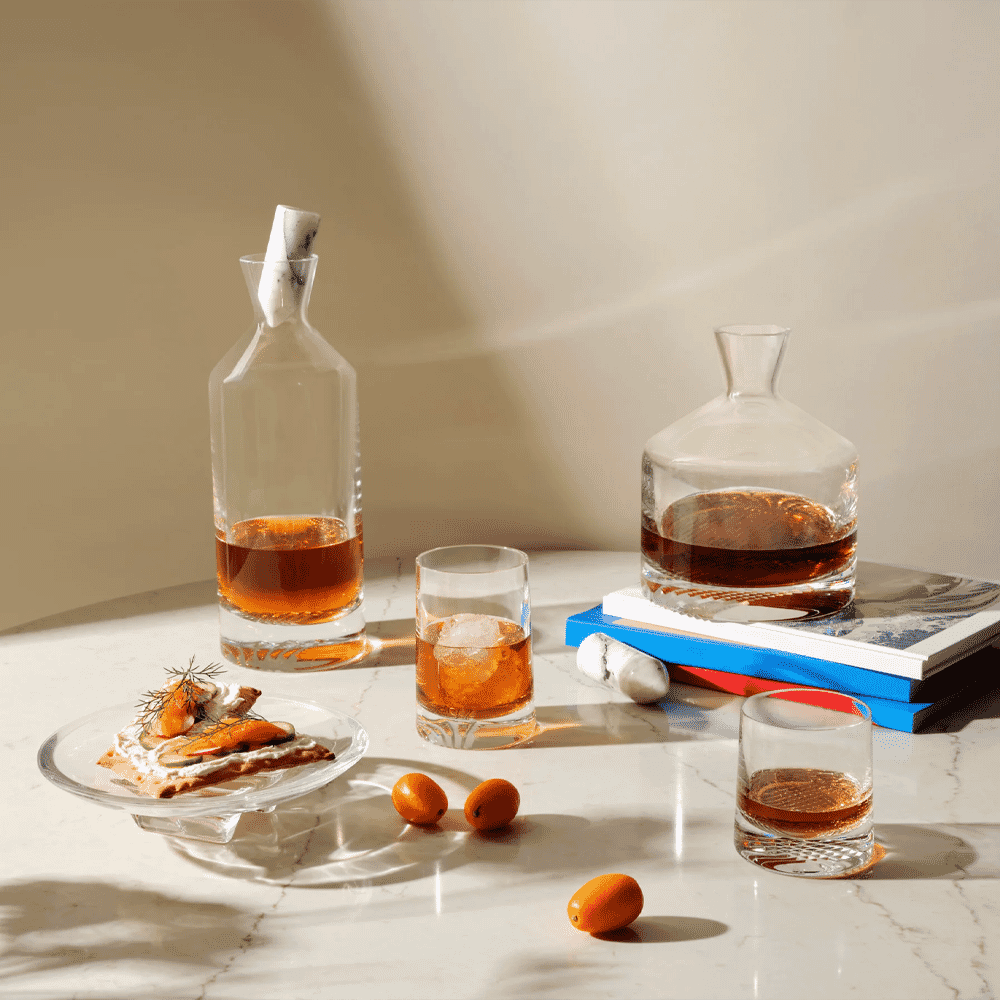
To complete the narrative of luxury, one must look to the decanter. While whiskey does not "breathe" in the same way wine does, the decanter serves as the ultimate centerpiece of a curated home bar. It signifies permanence and hospitality. Transitioning a rare bottle into a crystal decanter removes the branding and focuses entirely on the liquid's hue and the host's taste. In 2025, we see a rise in premium handcrafted gift sets—featuring a decanter and matching tumblers—as the ultimate investment piece for the modern connoisseur. It transforms the act of serving into an heirloom ritual, grounding the fleeting nature of a drink in the timeless elegance of crystal.
Whether you are savoring a 25-year-old single malt or a contemporary craft bourbon, remember that the glass is the final stage of the distiller’s journey. Choose wisely, for the vessel defines the pour.