As a fashion editor, I’ve always believed that your home is the ultimate extension of your wardrobe—a sanctuary that reflects your aesthetic evolution. As we approach 2026, the trend landscape is shifting away from clinical, cold spaces toward a movement we’re calling "Warm Minimalism."
The Dawn of Warm Minimalism: 2026’s Core Aesthetic
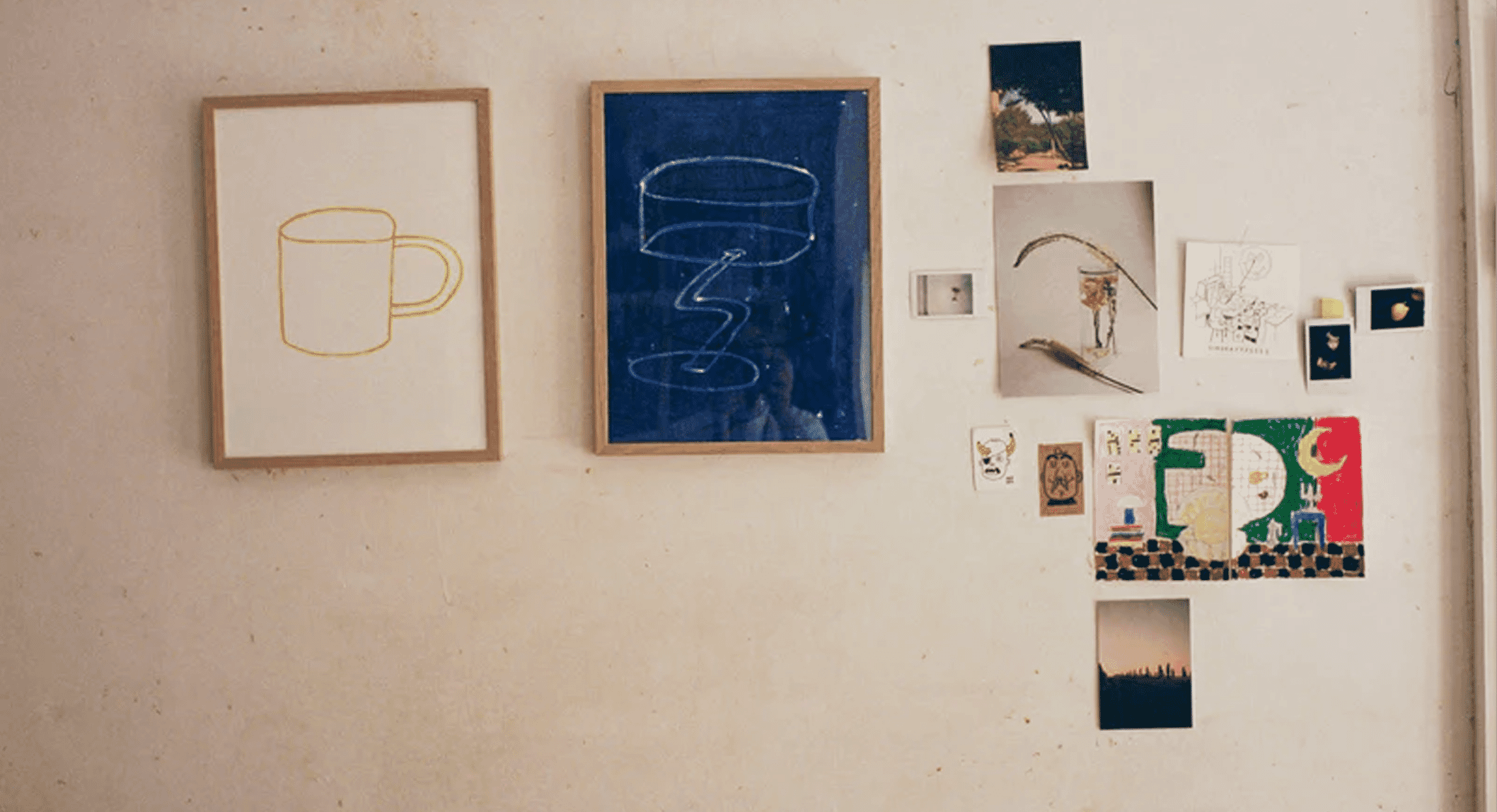
Minimalism in 2026 is no longer about what you remove, but what you carefully choose to keep. We are seeing a gorgeous transition from the stark, sterile white galleries of the past decade to spaces that embrace "tactile layering." Think pitted plaster walls, woven textiles, and art that feels like it has a pulse. This hero shot perfectly encapsulates the new mood: a blend of Scandinavian functionalism and Bauhaus-inspired depth. To achieve this look, focus on a curated collection of framed artwork that plays with varied heights and textures. It’s about creating a visual rhythm that feels intentional rather than impulsive, turning a blank wall into a narrative of personal style and sophisticated restraint.
The New Neutral Palette: Terracotta, Khaki, and Sage
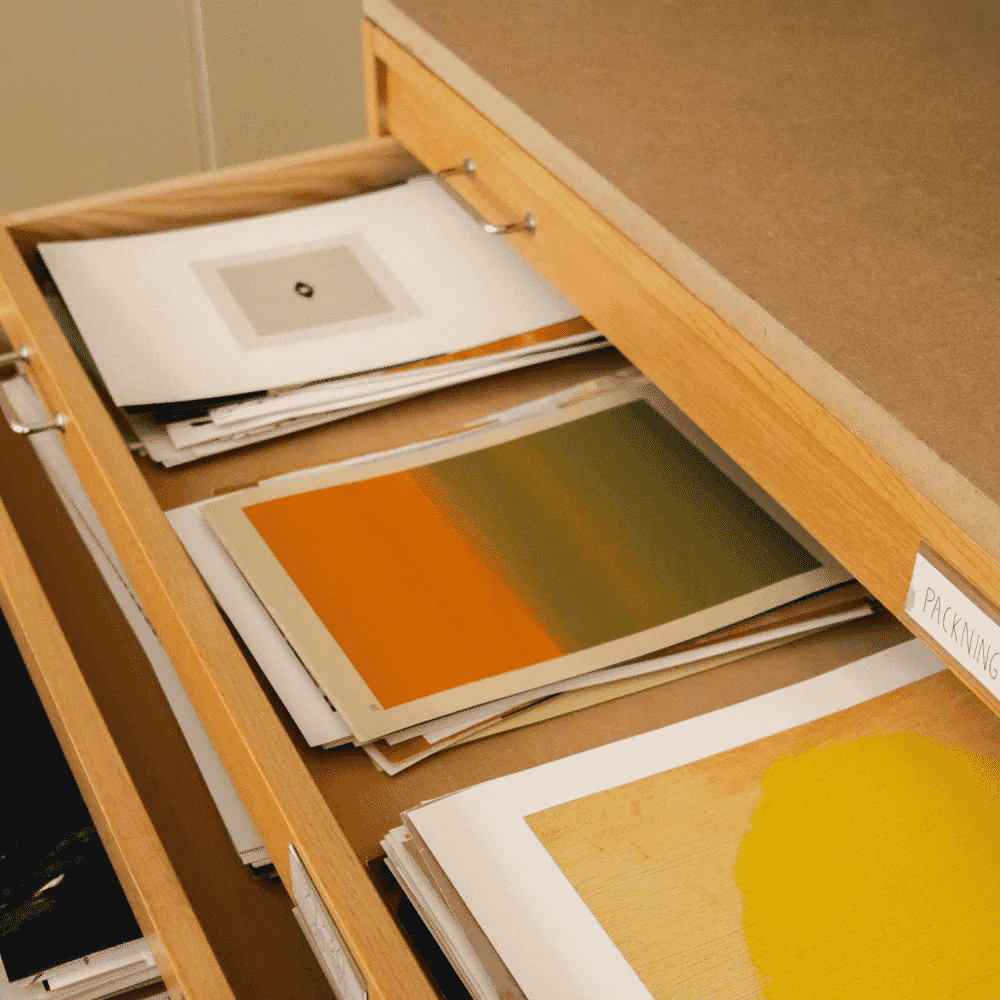
If 2024 was about "quiet luxury" in beige, 2026 is about "earthy resonance." We are officially moving beyond the dominance of cool grays. The new foundation for your interior palette revolves around terracotta, khaki, and sage—colors that ground a room while providing a subtle warmth. This shift toward "warm neutrals" reflects our collective desire for comfort and stability. When selecting art prints, look for pieces that incorporate these tonal depths. A simple wooden drawer filled with these swatches shows how effortlessly these colors interact with natural materials like oak and marble. It’s the "new greige"—versatile enough to act as a backdrop but rich enough to stand on its own as a design statement.
Leading Motifs: From Biophilic Botanicals to Abstract Silhouettes
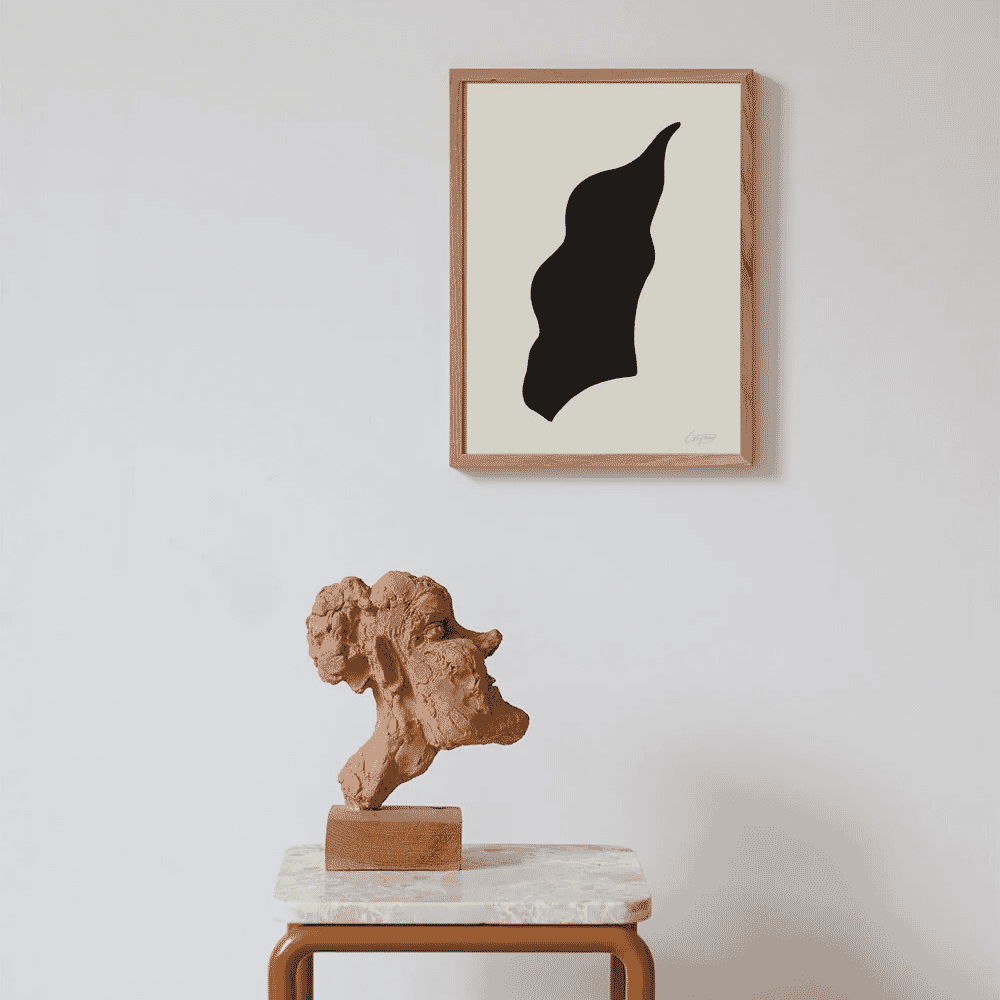
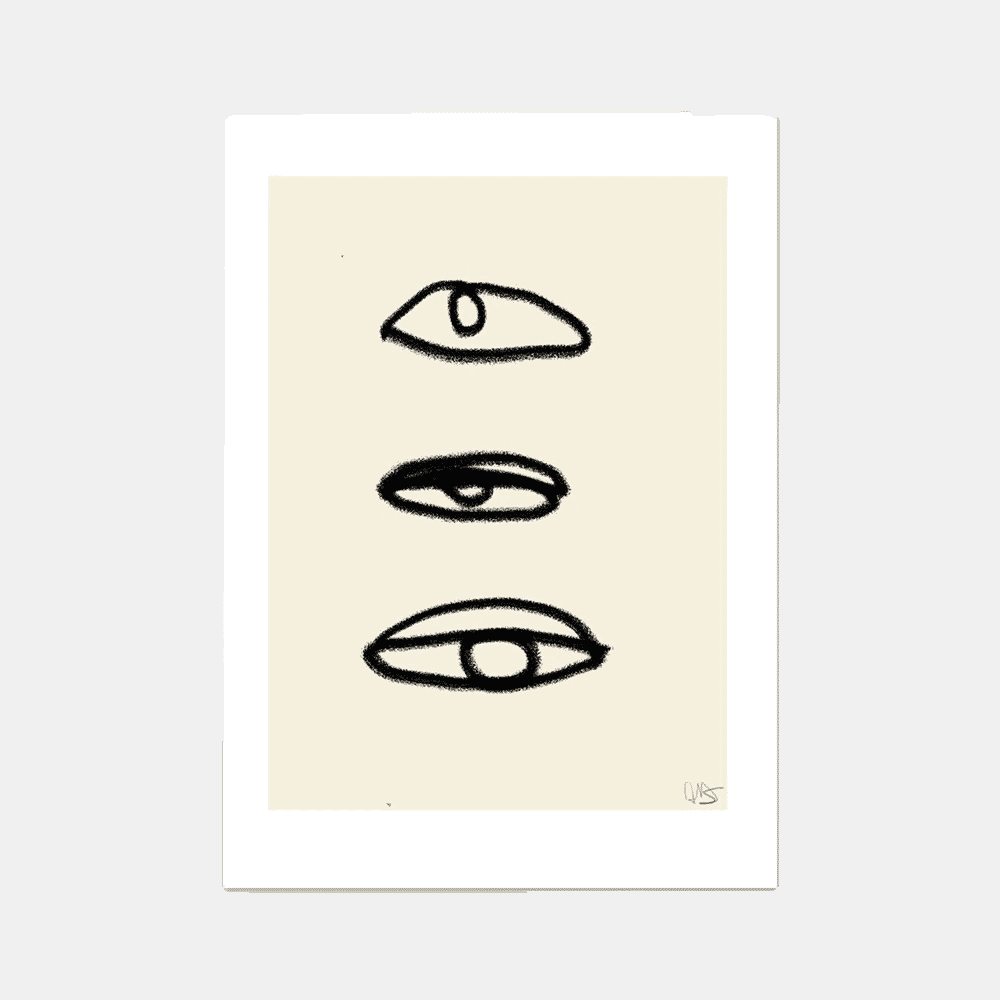
In 2026, the most coveted motifs are those that feel hand-drawn and authentically human. We’re moving away from generic geometric prints toward organic silhouettes and observational line work. Notice the rise of the "Eyes" motif—pioneered by artists like Anna Mörner—which adds an intimate, almost conversational feel to a living space. These pieces work beautifully when paired with tactile objects like terracotta busts or ceramic vases. The key here is contrast: the bold, black ink of a silhouette against a soft, textured wall creates an immediate focal point. Whether it’s a stylized figure or an abstract organic form, these motifs bring a sense of soul into the minimalist home, making the art feel like a curated find from a boutique gallery in Copenhagen or Paris.
Mastering the 2026 Gallery Wall: Curated, Not Cluttered
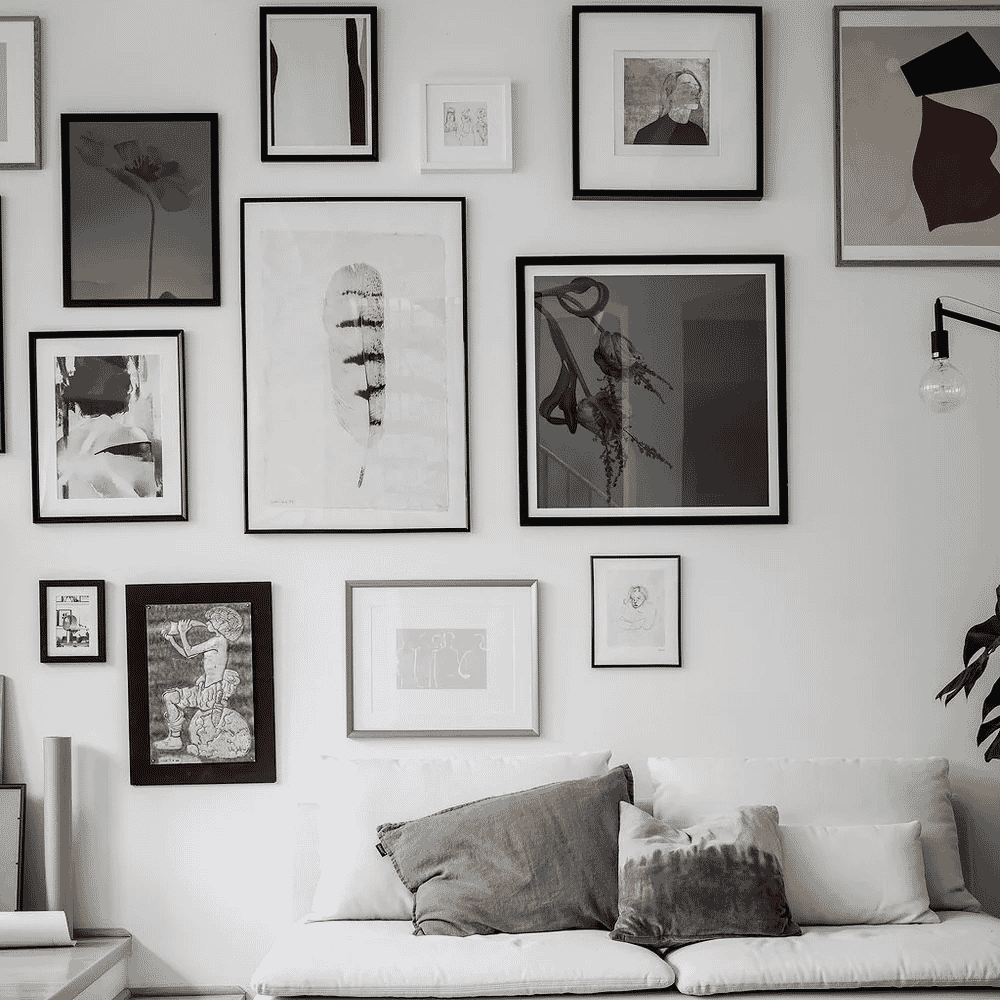
The gallery wall is being reimagined for 2026 with a focus on "curated composition." The secret to mastering this look without it feeling cluttered is tonal consistency. By mixing black-and-white photography with abstract line drawings, you create a sophisticated dialogue between different mediums. Varying your frame sizes is essential; it breaks up the linearity of a room and adds a sense of effortless chic. Pro tip: maintain a common thread, such as thin black frames or a unified color story, to keep the arrangement grounded. This monochrome approach above a soft white sofa proves that you don't need loud colors to make a massive impact. It’s about the "tonal depth" and the negative space between the frames that truly allows the art to breathe.
Biophilic Beauty: Bringing the Outdoors In
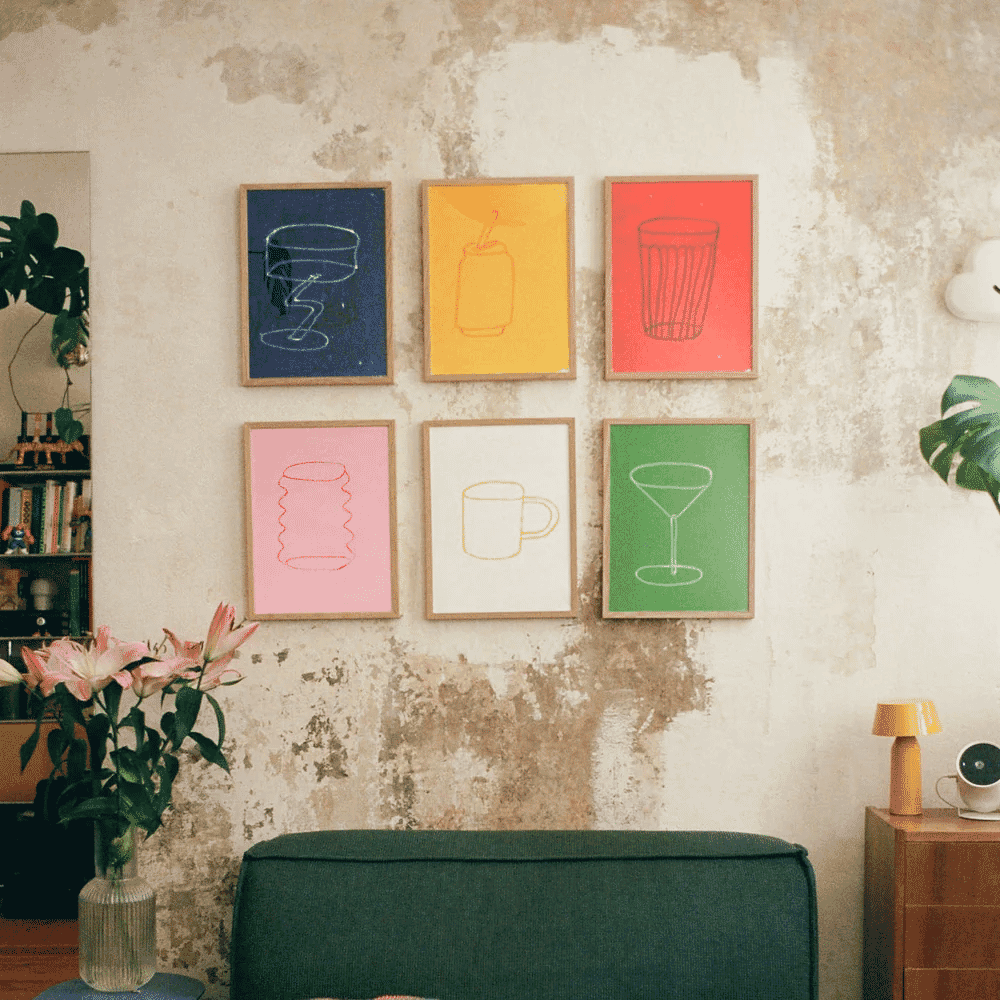
Biophilic design—the practice of connecting our indoor environments to the natural world—is reaching its peak in 2026. This isn't just about adding a few potted plants; it’s about choosing art that facilitates "natural comfort." We’re seeing a surge in botanical illustrations paired with vibrant jewel tones like emerald and deep forest green. These colors provide a refreshing contrast to the warm neutrals of the furniture. Look for prints that depict organic life, whether it's the curve of a leaf or the playful silhouette of a wine glass in a garden setting. This approach bridges the gap between our high-tech lives and our innate need for nature, creating a living space that feels restorative, vibrant, and deeply connected to the seasons.
Styling the Home Office: Productivity Meets Artistry
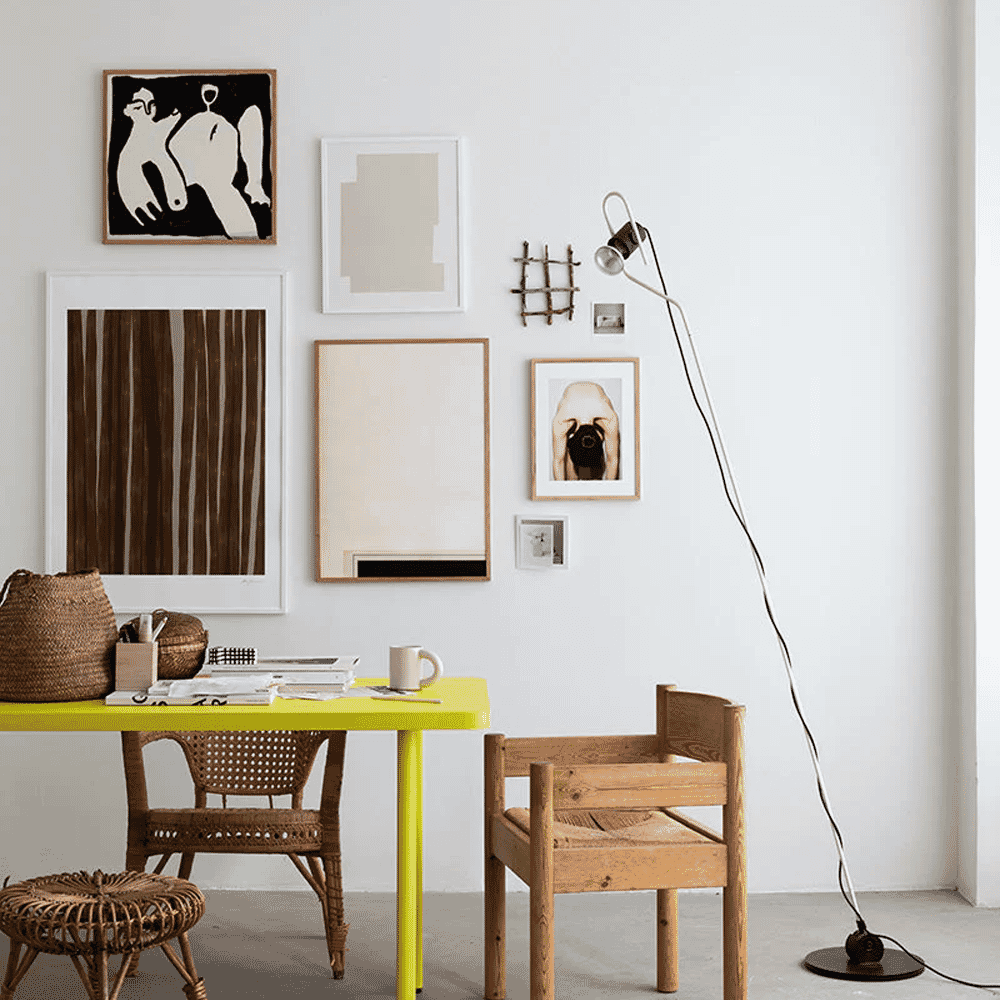
As the boundaries between work and home continue to blur, the home office has become a prime canvas for personal expression. For 2026, we are seeing the rise of "dopamine brights" used strategically within minimalist frameworks. A single bold element—like a bright yellow desk—paired with abstract, calming wall art creates a workspace that inspires energy without causing visual distraction. The goal is to balance "productivity with artistry." Choose art that encourages focus, such as soft geometric abstracts or minimalist landscapes, but don't be afraid to let your furniture do the talking. This balance ensures that your workspace is functional for your 9-to-5 but stylish enough to blend seamlessly with your home’s overall design language during the after-hours.
The Sustainable Shift: Quality Over Mass Production
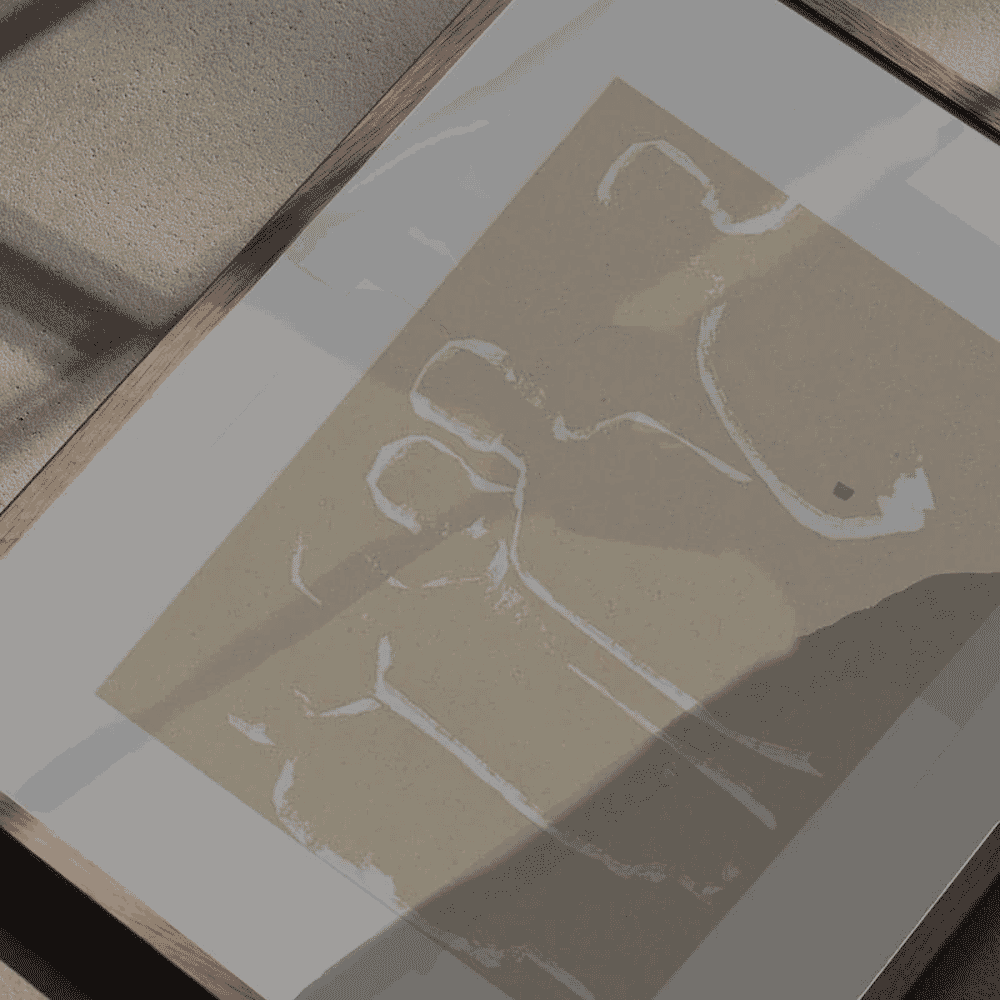
Perhaps the most significant trend for 2026 is the "Sustainable Shift." Just as we’ve moved toward slow fashion, we are now embracing "slow decor." There is a 40% increase in demand for circular-made art—pieces that prioritize the planet without sacrificing style. This means investing in prints on FSC-certified paper and opting for frames made from reclaimed wood or sustainable metals. This textured, abstract beige brushstroke pattern on heavy, archival-quality paper represents the pinnacle of this movement. It’s about quality over mass production. When you choose art that is sustainably sourced, you’re not just decorating a wall; you’re making a commitment to ethical luxury and timeless craftsmanship that will endure long after the season’s trends have passed.
Refreshing your space for 2026 is an exercise in intentionality, blending the warmth of the earth with the clean lines of modern design to create a home that is as curated as your favorite wardrobe staples.