Quick Facts
- Best Time to Visit: October to April offers the most temperate climate, perfect for exploring open-air archaeological sites without the searing heat of summer.
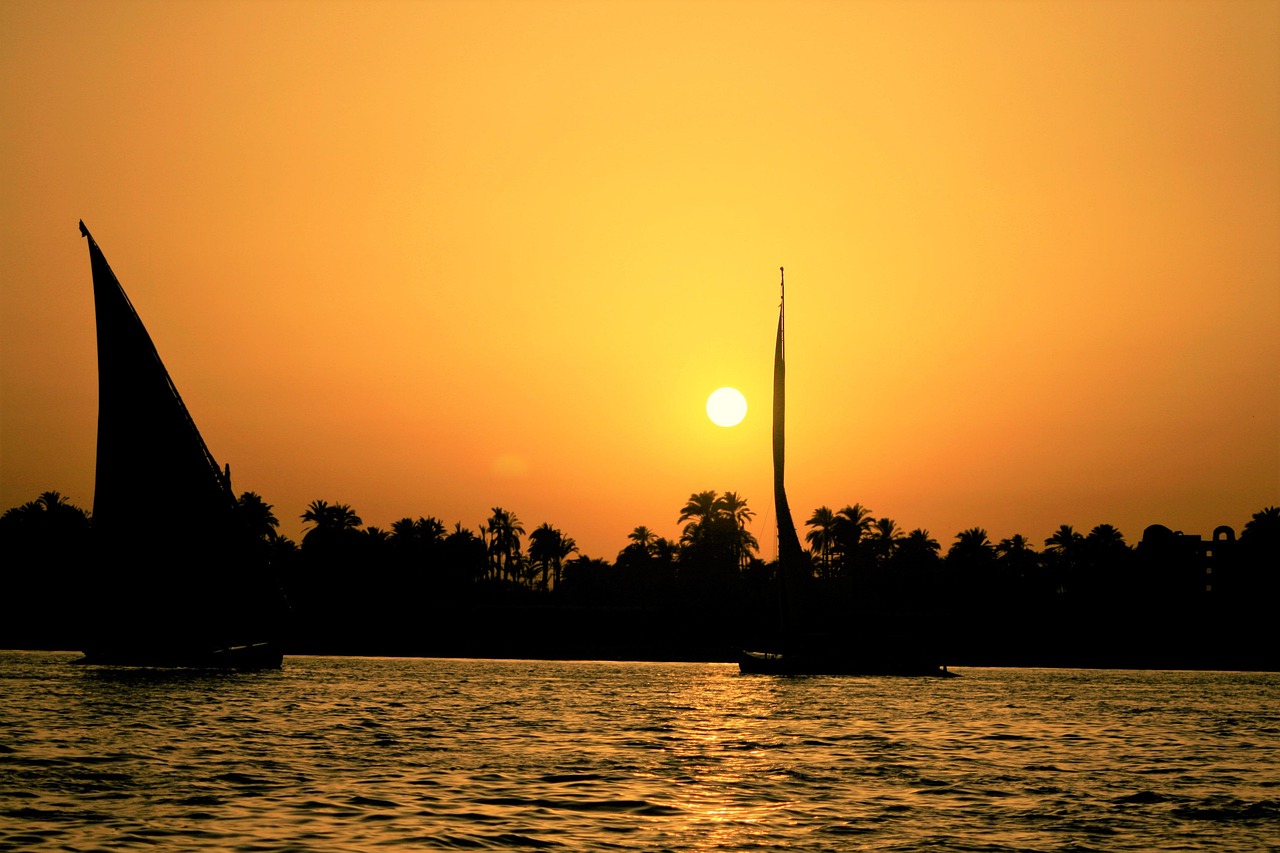
- The "Slow Travel" Philosophy: A 2026 Grand Tour prioritizes depth over speed—think private sunset felucca rides and dawn visits to the Grand Egyptian Museum.
- Essential Experience: A Nile River cruise remains the heartbeat of any Egyptian journey, providing exclusive access to temples that have stood for millennia.
- Hidden Gem: Beyond the Giza plateau, the recently excavated tombs at Saqqara offer a more intimate, vivid look at Old Kingdom life.
Introduction: Why Egypt in 2026 is the Antidote to Travel Fatigue
There is a specific kind of exhaustion that comes from modern travel—the frantic checking of lists, the curated "Instagrammable" moments that feel hollow once the shutter clicks. We find ourselves longing for something visceral, something that doesn't just pass before our eyes but settles into our bones. To rekindle a love of travel, one must go where time itself feels like a tangible, layered presence.
In 2026, the Grand Tour of Egypt has evolved from a traditional sightseeing circuit into a masterclass in "slow travel." But what exactly is slow travel in Egypt? It is the antithesis of the "Cairo-in-a-day" rush. It involves sipping honey-sweetened hibiscus tea in a vibrant Nubian village on Elephantine Island, taking traditional felucca rides at sunset where the only sound is the wind catching the canvas, and spending hours—not minutes—at the Grand Egyptian Museum to truly appreciate the sheer weight of history without the frantic push of a crowd.
It is about finding the "prosaic paradise" in the everyday: the aroma of freshly baked aish baladi (flatbread) rising from a street-side oven, the tactile coolness of limestone walls in a 4,000-year-old tomb, and the rhythmic chant of the call to prayer echoing over the desert.
Cairo and Giza: Standing Before the Sole Survivor of the Wonders
To enter Cairo is to be subsumed by a living, breathing megalopolis of approximately 21 million people. It is a city of beautiful contradictions—gilded minarets piercing the smog, sleek modern skyscrapers overlooking donkey-drawn carts laden with oranges. But the true pull of the capital lies just on its western fringe: the Giza Plateau.
Standing before the Great Pyramid, the scale is impossible to reconcile with the human eye. It is constructed from approximately 2.3 million blocks of granite and limestone, with each block weighing an average of over two tons. To see it on a private Giza Pyramids tour is to bypass the clamor. Imagine descending into the King’s Chamber in the quiet of the early morning, the air thick with the scent of ancient dust and the silence of four millennia.
"The Pyramids are not just monuments; they are a defiance of time. When you stand at the base and look up, you aren't just looking at stone; you're looking at the collective will of a civilization that refused to be forgotten." — Hala Sayed, Egyptologist.
The narrative of Cairo is also being rewritten by the Grand Egyptian Museum (GEM). This $1 billion state-of-the-art facility, overlooking the pyramids, is a shimmering glass-and-steel home for the entire Tutankhamun collection. It represents a "New Past," where the latest technology allows us to see the gold of the pharaohs in a light that hasn't been possible since they were first unearthed.
The Lifeblood of a Nation: Nile River Cruise Itineraries 2026
Is a Nile River cruise worth it? For the traveler seeking the soul of the country, the answer is an unequivocal yes. Historically and geographically, most of Egypt’s population and its most iconic architectural achievements are concentrated within a few miles of the river banks. To sail the Nile is to witness a pastoral scene that has changed little since the time of the Ptolemies: emerald-green palms lining the banks, white ibises taking flight against an inky blue sky, and the golden Sahara dunes creeping toward the water’s edge.
For 2026, the choice of vessel defines the experience. While large luxury Art Deco vessels offer every conceivable amenity, many travelers are turning toward the Dahabiya—a traditional, two-masted wooden sailing boat.
| Feature | Luxury Cruise Ship | Traditional Dahabiya |
|---|---|---|
| Passenger Count | 50 - 150 guests | 8 - 12 guests |
| Atmosphere | Grand, social, lively | Intimate, private, quiet |
| Navigation | Engine-powered, fixed schedule | Wind-powered (mostly), flexible |
| Docking | Major ports only | Small islands and private banks |
| Pace | Efficient, covers more distance | Slow travel at its finest |

Highlights of the Grand Tour: From Aswan to Luxor
A comprehensive Grand Tour typically includes the Great Pyramids of Giza, the Sphinx, a luxury Nile cruise from Aswan to Luxor, and exclusive access to the Valley of the Kings.
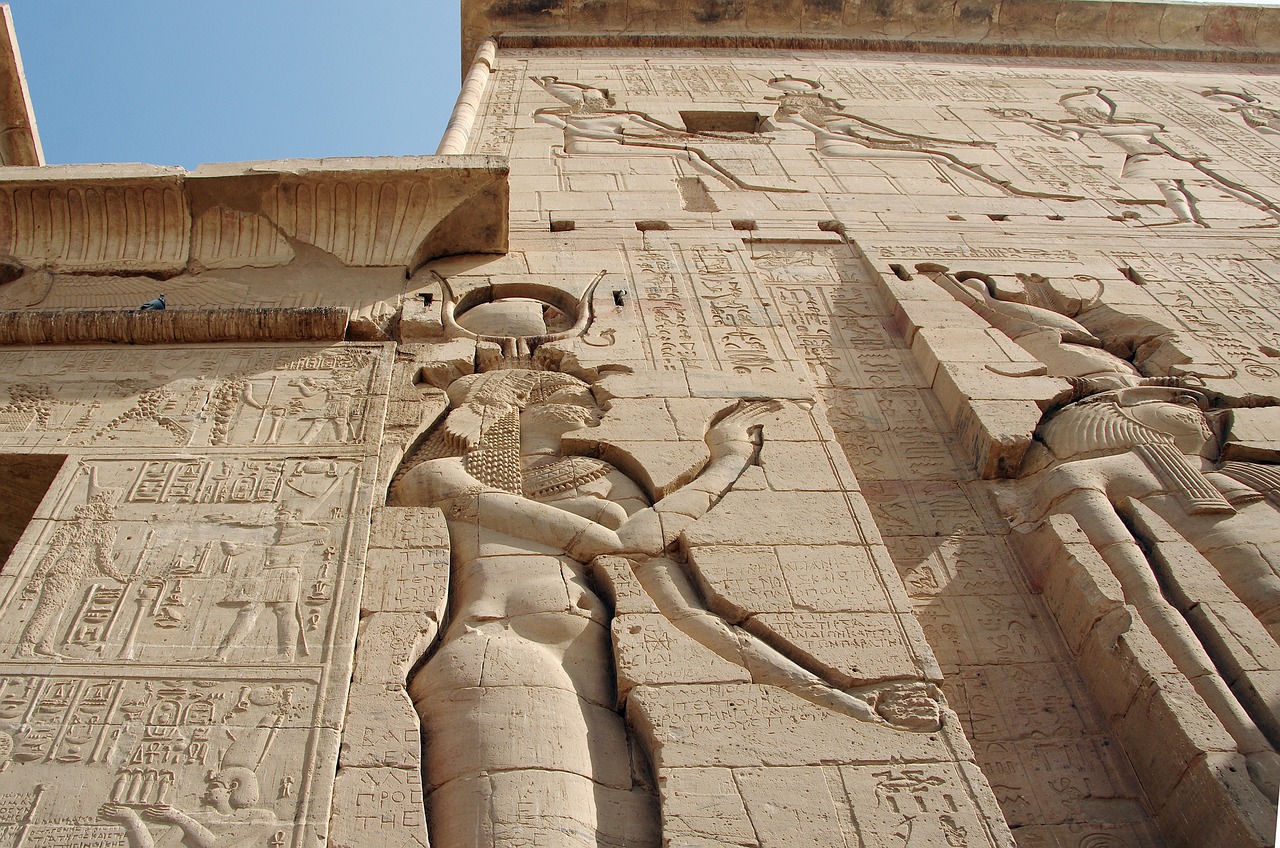
In Aswan, the pace slows to a crawl. The highlights here are as much about the environment as the archaeology. The Temple of Philae, dedicated to the goddess Isis, is a masterpiece of historical layering. Rescued from the rising waters of the Nile and moved stone by stone to Agilkia Island, it serves as a 2,000-year timeline of human history, featuring everything from delicate Egyptian hieroglyphics to early Christian crosses and even the graffiti of Napoleon’s soldiers.
As you sail north toward Luxor, the "world’s greatest open-air museum," the landscapes shift. The temples of Kom Ombo and Edfu appear like stone giants on the horizon. To truly experience these sites, one must work with a specialist who understands the "hidden hours"—those fleeting moments at dawn or dusk when the honey-hued light hits the sandstone just right, and the crowds are elsewhere, perhaps still tucked into their cabins sipping spiced coffee.
Speak with a Luxury Egypt Travel Specialist →
Exclusive Access: The Valley of the Kings and Beyond
The West Bank of Luxor is where the Grand Tour reaches its crescendo. While most visitors flock to the tomb of Tutankhamun, the real treasures lie in the deeper, more intricately decorated chambers. Exclusive private tours now grant access to the tomb of Amenhotep II and the breathtakingly vivid reliefs of Queen Nefertari in the Valley of the Queens.
In Nefertari's tomb, the colors are so startlingly fresh they look as if the artists laid down their brushes only yesterday. The deep lapis lazuli blues and ochre yellows tell a story of a journey through the underworld that is both haunting and beautiful.
But for those seeking the "Indiana Jones" effect, the village of Deir el-Medina offers a glimpse into the daily lives of the artisans who built these royal tombs. It is a more human-scale history, found in the sketches on limestone flakes and the modest but exquisitely painted homes of the workers.
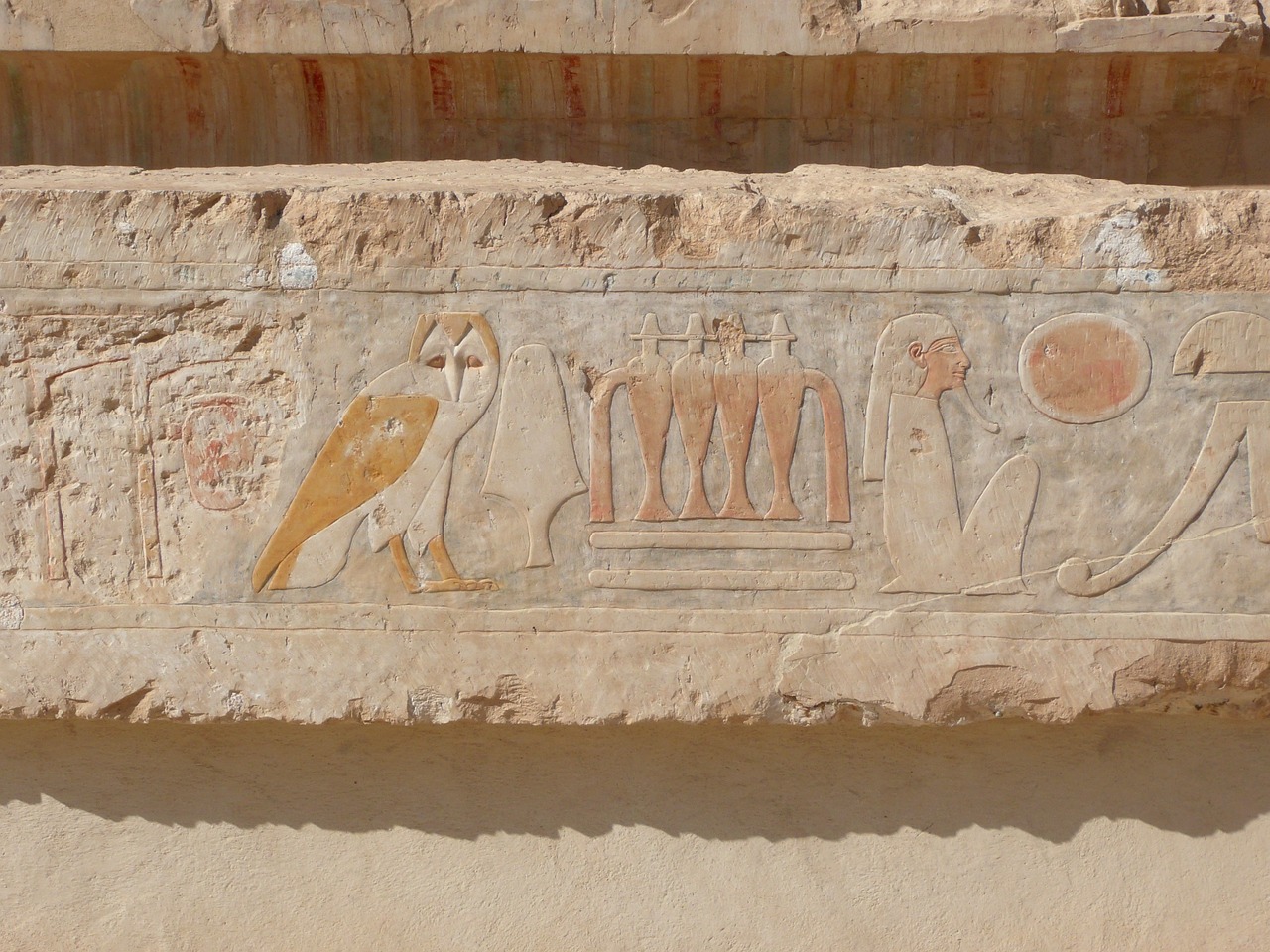
For a truly contemporary thrill, one must head back toward Cairo to Saqqara. Recent years have seen the discovery of the tomb of Wahtye and hundreds of colorful sarcophagi, proving that Egypt is far from a "finished" archaeological site. It is a land still whispering its secrets to those who care to listen.
Planning Your 2026 Journey: Seasons, Costs, and Specialists
Planning a Grand Tour of this magnitude requires foresight. The mild winter months from October to April remain the peak season for a reason, though January can offer a surprisingly "hottest" southern retreat in Aswan, where the sun is constant but never punishing.
- Average Costs: For a high-end, 10-day itinerary that includes domestic flights, private Egyptologists, and luxury accommodations like the historic Old Cataract Hotel, expect prices to start from $7,500 per person.
- The Specialist Advantage: Securing "skip-the-line" passes and private tomb access is nearly impossible to navigate alone. A specialist ensures your logistics are invisible, allowing you to focus on the experience.
- Dining Tip: Don't miss a traditional dinner of Hamam Mahshi (stuffed pigeon with cracked wheat) overlooking the Nile—a culinary experience that feels as regal as the surroundings.

FAQ
1. What are the absolute highlights of a Grand Tour of Egypt?
A comprehensive tour typically includes the Great Pyramids of Giza and the Sphinx, the Grand Egyptian Museum, a luxury Nile cruise between Aswan and Luxor, and exclusive access to the Valley of the Kings, including the tombs of Tutankhamun and Seti I.
2. Is a Nile River cruise worth the investment?
Yes. Because Egypt’s historical sites and major cities are concentrated along the riverbanks, a cruise is the most efficient and scenic way to travel. It allows you to see temples like Kom Ombo and Philae that are otherwise difficult to access, all while enjoying the luxury of a floating hotel.
3. How can I experience "slow travel" in Egypt?
Focus on depth rather than breadth. Instead of visiting five temples in a day, spend a full morning at one. Incorporate cultural immersion like tea with a Nubian family, taking a multi-day Dahabiya cruise, or exploring the lesser-known archaeological sites of Saqqara and Deir el-Medina at a leisurely pace.
Reclaim Your Sense of Wonder
Egypt is not merely a destination; it is a recalibration of one's perspective. Standing in the shadow of the pyramids or drifting down the Nile, the trivialities of modern life seem to dissolve. If you are ready to move past the superficial and dive into a history that spans the breadth of human civilization, 2026 is the year to return to the Mother of the World.