Quick Facts
- Weight Limit: Most small-plane transfers in East and Southern Africa enforce a strict 15kg (33 lbs) limit per person.
- Laundry Service: Over 90% of luxury safari lodges provide daily complimentary laundry, so you only need to pack 3 to 4 days' worth of clothing.
- The Palette: Stick to neutrals (khaki, olive, tan). Avoid blue and black (attracts tsetse flies) and camouflage (illegal in many regions).
- Luggage Type: Soft-sided duffel bags are mandatory for fitting into bush plane cargo pods.
- Evening Wear: "Safari Chic" means relaxed elegance—think linen jumpsuits and pashminas for the evening temperature drop.
Introduction: The Science of Safari Packing
I’ve spent the better part of the last decade hopping in and out of Cessna 208 Caravans across the Serengeti and the Okavango Delta. If there is one thing I’ve learned, it’s that packing for an African safari is less about fashion and more about physics—with a healthy dose of "chic" thrown in for the sundowner photos. When you finally book that dream trip for 2026, the temptation is to pack your entire summer wardrobe. Don’t do it.
Packing for Africa is a science. You are preparing for a landscape where the temperature can swing 30 degrees in a single morning, where the dust is a permanent accessory, and where a 12-seater bush plane dictates exactly how much your life can weigh. The "Three-Day Laundry Rule" is my golden mantra: because nearly every high-end lodge offers daily laundry services included in your stay, you truly only need about four days of clothing for a two-week expedition. This isn't just about saving space; it's about staying mobile and respecting the strict weight limits of the wild.
The Three Golden Rules of 2026 Safari Style
Before we get into specific outfits, we need to establish the ground rules. These aren't suggestions; they are the laws of the bush that separate the seasoned explorers from the first-timers.
Rule 1: Soft-Sided Luggage Only
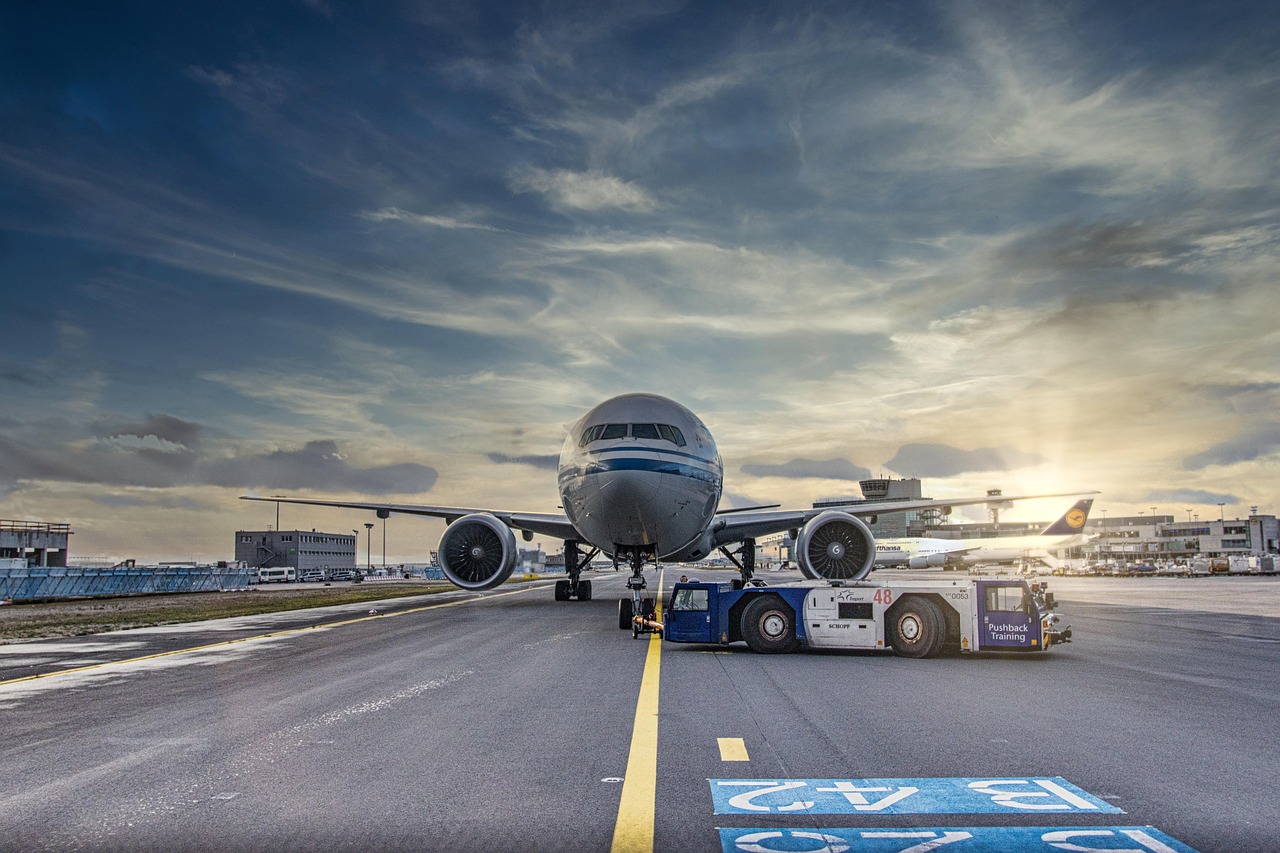
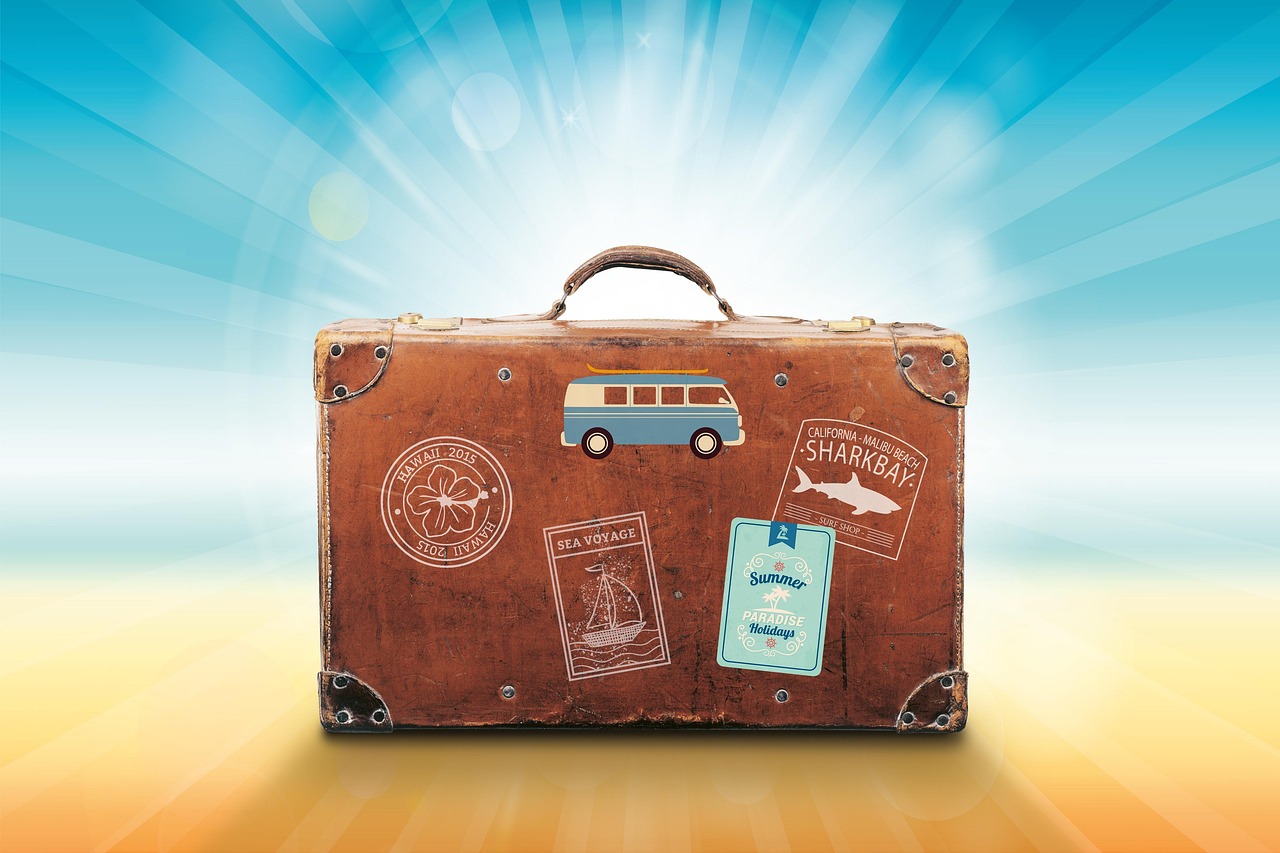
The glamour of a safari often ends the moment you reach the tarmac for your bush plane transfer. Most safari camps are accessed via small aircraft with narrow cargo pods. Hard-shell suitcases are the enemy here; they simply don't fit. Soft-sided duffel bags are required because they are flexible enough to be squeezed into tight spaces. If you show up with a rigid Rimowa, you might find yourself leaving it in a locker at the main airport.
Rule 2: The Neutral Palette
There is a functional reason why every safari guide looks like they’re wearing the same outfit. You want to blend into the wilderness. The best colors to wear are neutral tones such as khaki, olive, tan, and beige. These shades hide the ubiquitous African dust better than dark colors and keep you invisible to the wildlife.
Whatever you do, avoid wearing blue and black; in many parts of East Africa, these colors are magnets for tsetse flies, whose bite can ruin a morning drive. Similarly, skip bright reds or whites. Red is often seen by wildlife as a predator signal (or a sign of the Maasai, which can startle animals), and white will be stained brown within twenty minutes of hitting the trail.
Rule 3: The Art of Layering
A typical safari day begins at 5:30 AM when the air is a crisp 60°F (15°C). By noon, you’ll be baking in 90°F (32°C) heat. You need a "system" rather than an "outfit." This means starting with a moisture-wicking base, adding a mid-layer like a flannel or fleece, and topping it off with a windproof utility jacket. As the sun climbs, you shed the layers like a snake, stowing them in the seat pockets of your Land Rover.
On the Game Drive: Functional & Adventure-Ready
When you’re out on a game drive, comfort is king. You’ll be sitting in a bumpy vehicle for three to four hours at a time. I always recommend breathable tanks or moisture-wicking tees as your base layer. Synthetic blends or lightweight merino wool work best to keep you dry.
The utility jacket is perhaps the most iconic piece of safari gear, and for good reason—pockets are your best friend. You’ll want a place to stash your lip balm, sunscreen, spare camera battery, and lens cloth without having to dig through a backpack every time a leopard appears.
For bottoms, the debate between convertible pants and leggings is fierce. Personally, I find high-quality hiking leggings offer the best range of motion for climbing in and out of high-clearance vehicles. However, convertible pants (the ones that zip off into shorts) are undeniably practical when the midday heat hits. Just ensure they are made of a "quiet" fabric; loud, swishing nylon can be distracting when you’re trying to be silent near a watering hole.
Accessories Are Non-Negotiable
Don't underestimate the African sun. A wide-brimmed hat is essential, but it must have a chin strap. I’ve seen countless expensive hats fly off into the bush because of the wind generated by a moving vehicle. Pair this with high-quality polarized sunglasses to cut the glare off the savannah and protect your eyes during long hours of scanning for movement.

Safari Chic: Polished Looks for Evenings at the Lodge
After a long day of dust and predators, the transition to the lodge for dinner is one of the most magical parts of the trip. This is where "Safari Chic" comes into play. It’s a relaxed yet polished dress code that respects the elegance of luxury lodges while remaining practical for a bush environment.
For women, flowy maxi dresses in earthy prints or linen jumpsuits are the gold standard. They are comfortable, breathable, and look stunning against the backdrop of a boma fire. The evening temperature in Africa drops rapidly once the sun sets, so a light pashmina or an oversized cashmere scarf is a versatile must-have. It doubles as a blanket during dinner and adds a touch of sophistication to a simple outfit.

If you're looking for the perfect 2026 safari wardrobe pieces, I'm currently eyeing the latest linen collections from sustainable brands that prioritize durability.
Footwear: The Two-Shoe System
One of the biggest mistakes I see travelers make is packing heavy, mid-calf hiking boots. Unless you are specifically going on a multi-day walking safari or trekking for gorillas in Rwanda, you don't need them. They are heavy, take up too much space, and are overkill for sitting in a vehicle.
I recommend a simple two-shoe system:
- Pair 1: Sturdy, closed-toe sneakers or trail runners. These should be your "everything" shoe. They need enough grip for short bush walks and should be comfortable enough for all-day wear.
- Pair 2: Comfortable sandals or slip-ons. These are for around the camp, the spa, or walking to dinner. Your feet will thank you for the chance to breathe after a day in sneakers.

Essential Gear & Electronics Beyond Clothing
When you have a 15kg limit, every gram counts. This weight limit includes your camera gear, which can be a significant portion of your baggage. I always tell my readers to prioritize glass over bodies. A high-quality pair of binoculars is actually more important than a fancy camera for most people.
Pro-Tip: The 15kg Limit Remember that the 15kg limit is often inclusive of your hand luggage and camera gear. Use a lightweight duffel (like the Patagonia Black Hole) to maximize your allowance. If you are a serious photographer, you may need to "buy" an extra seat on the bush plane for your equipment—check with your tour operator in advance.
For binoculars, 8x42 is the gold standard. They offer enough magnification to see the whiskers on a lion from 50 yards away but are steady enough to use in a vibrating vehicle.

Don't forget the power solutions. Most lodges in South Africa use Type M or G plugs, while Tanzania often uses Type G. Bring a universal adapter and a high-capacity power bank. Even if the lodge has solar power, a power bank ensures your phone (which you'll use for photos) never dies during a once-in-a-lifetime sighting.
What NOT to Pack: Avoid These Common Mistakes
Packing for a safari is as much about what you leave behind as what you bring. Certain items can actually get you into legal trouble or pose a safety risk.
| Category | What to Pack | What to Leave |
|---|---|---|
| Colors | Khaki, Olive, Tan, Sage | Blue, Black, Bright Red, White |
| Bags | Soft-sided Duffels | Hard-shell Suitcases |
| Patterns | Solid Earth Tones | Camouflage (Illegal in many countries) |
| Toiletries | Unscented Deodorant | Strong Perfumes & Colognes |
| Storage | Reusable Dry Bags | Single-use Plastic Bags |
The plastic bag ban is particularly important. Tanzania, for instance, has a very strict policy against single-use plastics. Travelers have been known to be fined at the airport for having items wrapped in plastic grocery bags. Use reusable silicone pouches or dry bags instead.
Furthermore, leave the heavy makeup and strong perfumes at home. Not only will they melt in the heat, but strong scents can attract bees and other insects, which is the last thing you want when you're trying to enjoy a quiet moment in the wild.
Where to Shop: Curating Your 2026 Wardrobe
For the technical side of things—the moisture-wicking shirts and utility jackets—I always turn to brands like Patagonia or Columbia. Their fabrics are designed for the rigors of the outdoors and usually come with built-in UV protection.
For the "Safari Chic" evening wear, look toward Athleta for technical but stylish jumpsuits, or Reformation for sustainable linen dresses that look incredible at a sunset dinner.
FAQ
Q: Do I really need to buy "safari clothes," or can I just wear my regular workout gear? A: You can absolutely wear workout gear! Just ensure it’s in the right color palette. High-performance athletic wear is actually great because it’s breathable and dries quickly. Just avoid the neon-colored leggings.
Q: Is it cold enough for a heavy coat? A: Rarely. However, the wind chill in an open-air vehicle at 6 AM can be brutal. Instead of a heavy coat, bring a lightweight "puffer" jacket that can be compressed into a tiny ball when not in use.
Q: Can I wear shorts on a game drive? A: Yes, but I generally recommend long pants. They protect you from the sun, thorny bushes if you step out of the car, and insect bites. If you do wear shorts, bring plenty of bug spray.
Ready for the Wild?
Packing for your first safari feels like preparing for a mission to another planet, but once you’re sitting in that Land Rover, watching a pride of lions move through the tall grass, you’ll realize that the preparation was worth it. Stick to the neutrals, respect the weight limits, and don't forget your binoculars. The wild is waiting for you in 2026.
Marcus Rivera Adventure & Outdoors Editor