In the world of high-end design, true luxury is often found at the intersection of heritage and radical innovation. Today, we look at a masterpiece that exemplifies this balance: the Renault R17 electric restomod, a collaboration with the visionary designer Ora Ïto that redefines the very essence of "Simplexity."
The Rebirth of a 1970s Legend
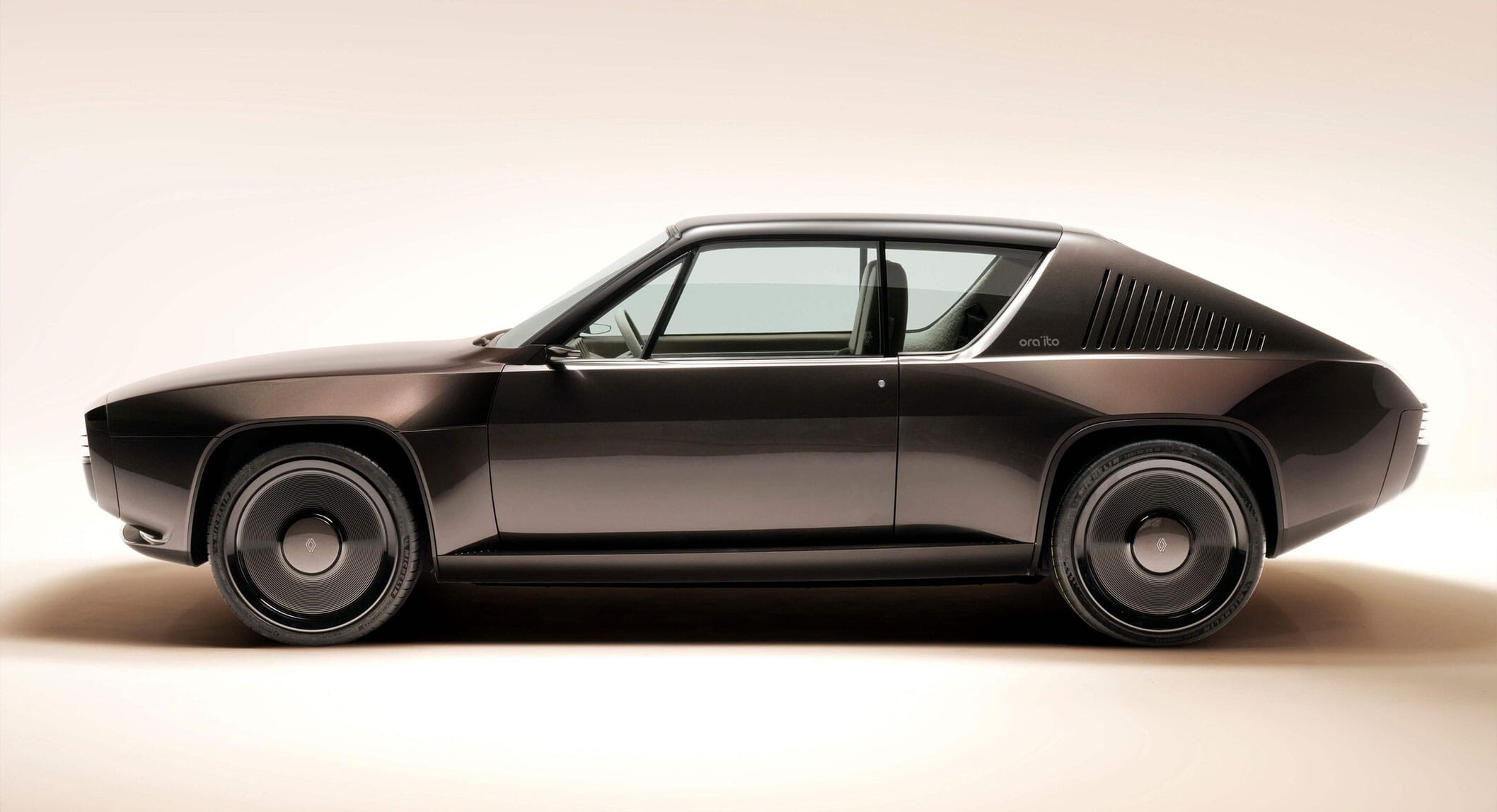
The original 1971 Renault 17 was a symbol of avant-garde sportiness, a car that captured the optimism of its era. Decades later, Ora Ïto has breathed new life into this silhouette through his "Simplexity" philosophy—the art of giving a complex object the appearance of simplicity. This isn't a mere nostalgia trip; it is a meticulous reconstruction. By retaining the iconic cabin, doors, and windows while completely reimagining the chassis and skin, Renault has created a vehicle that feels both hauntingly familiar and strikingly alien. It is a curated piece of history, teleported into the contemporary electric landscape with unparalleled grace.
Exterior Purity: Carbon Fiber & Galactic Brown
The R17’s presence is defined by its dramatic stance—widened by 17cm to provide a more muscular, planted aesthetic that demands attention. The bodywork is a triumph of modern engineering, utilizing a lightweight carbon fiber monocoque that brings the car's total weight down to a mere 1.4 tons. Draped in a bespoke "Galactic Brown" metallic finish, the exterior shifts subtly under studio lights, highlighting the clean, aerodynamic lines that replace the original’s chrome clutter. This color choice is a sophisticated nod to the 70s palette, updated with a deep, cosmic luster that signals its high-tech electric heart.
The Lighting Signature: Retro-Modern Geometry
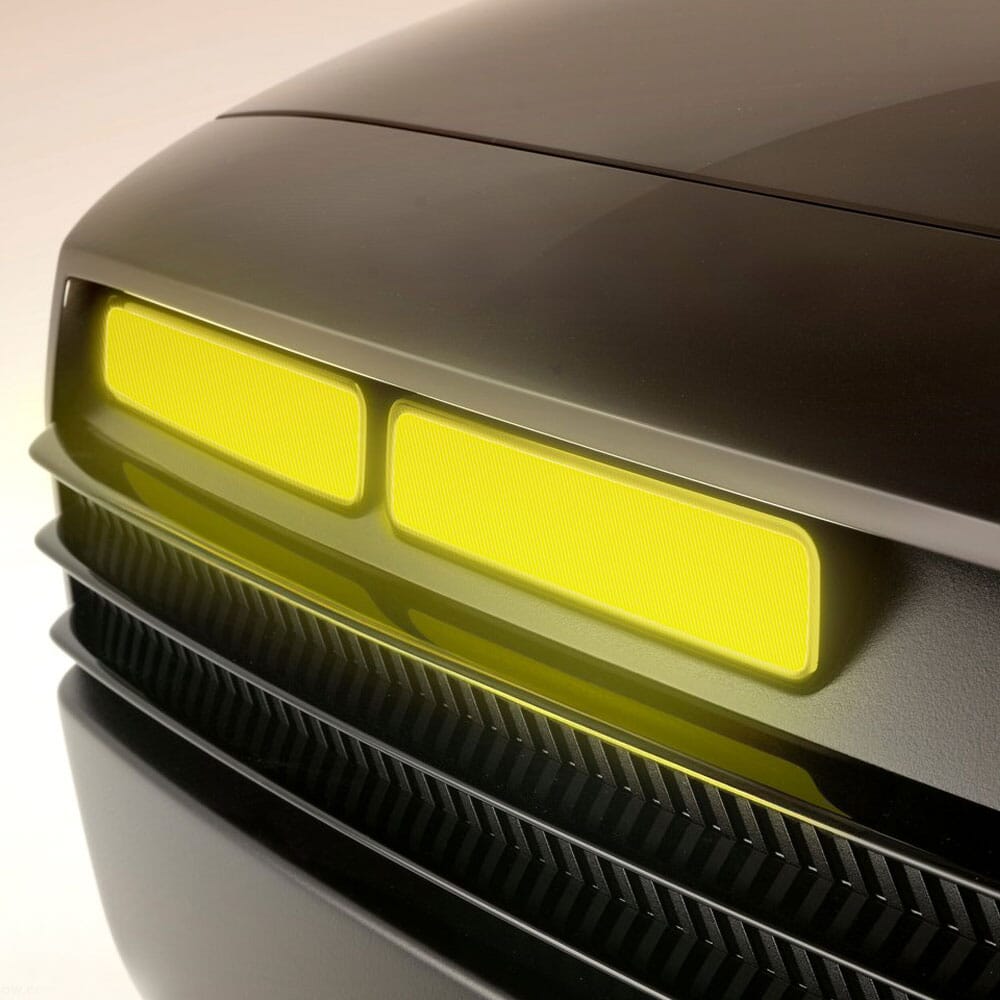
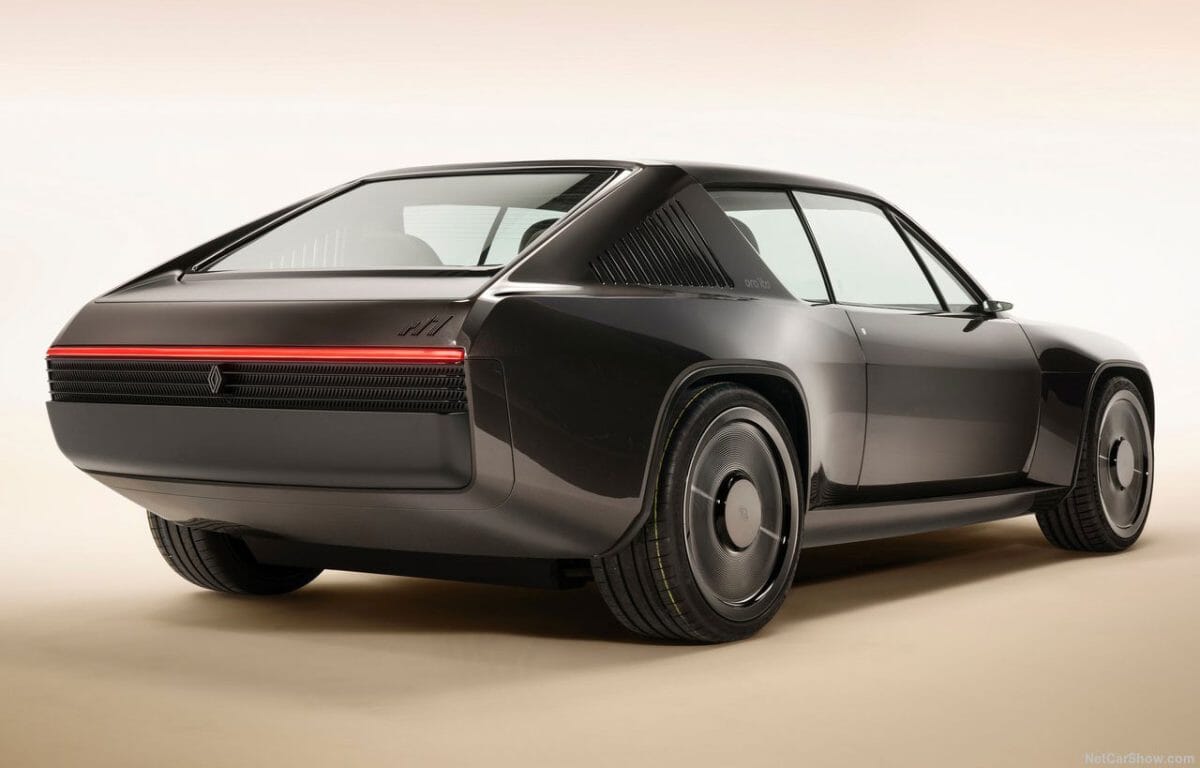
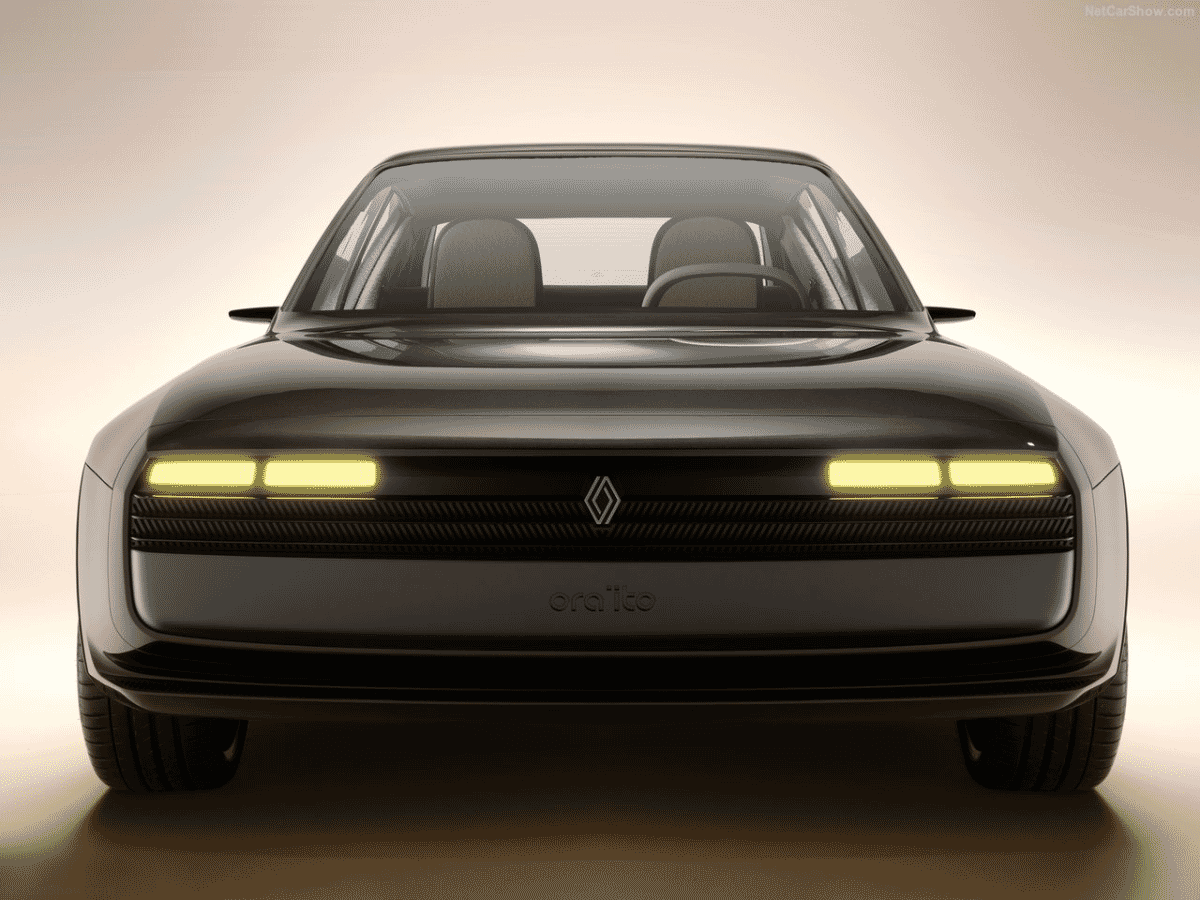
Lighting serves as the car’s primary jewelry. At the front, the traditional round iodine lamps have been discarded in favor of four rectangular LED modules. These glowing yellow apertures pay homage to the classic French lighting regulations of the past while projecting a sharp, futuristic gaze. The narrative of geometric purity continues at the rear, where a single, continuous red LED strip spans the entire width of the car. This minimalist approach emphasizes the restomod's widened proportions, creating a lighting signature that is as much a piece of digital art as it is a functional safety feature.
Interior Sanctuary: Upholstery as Art
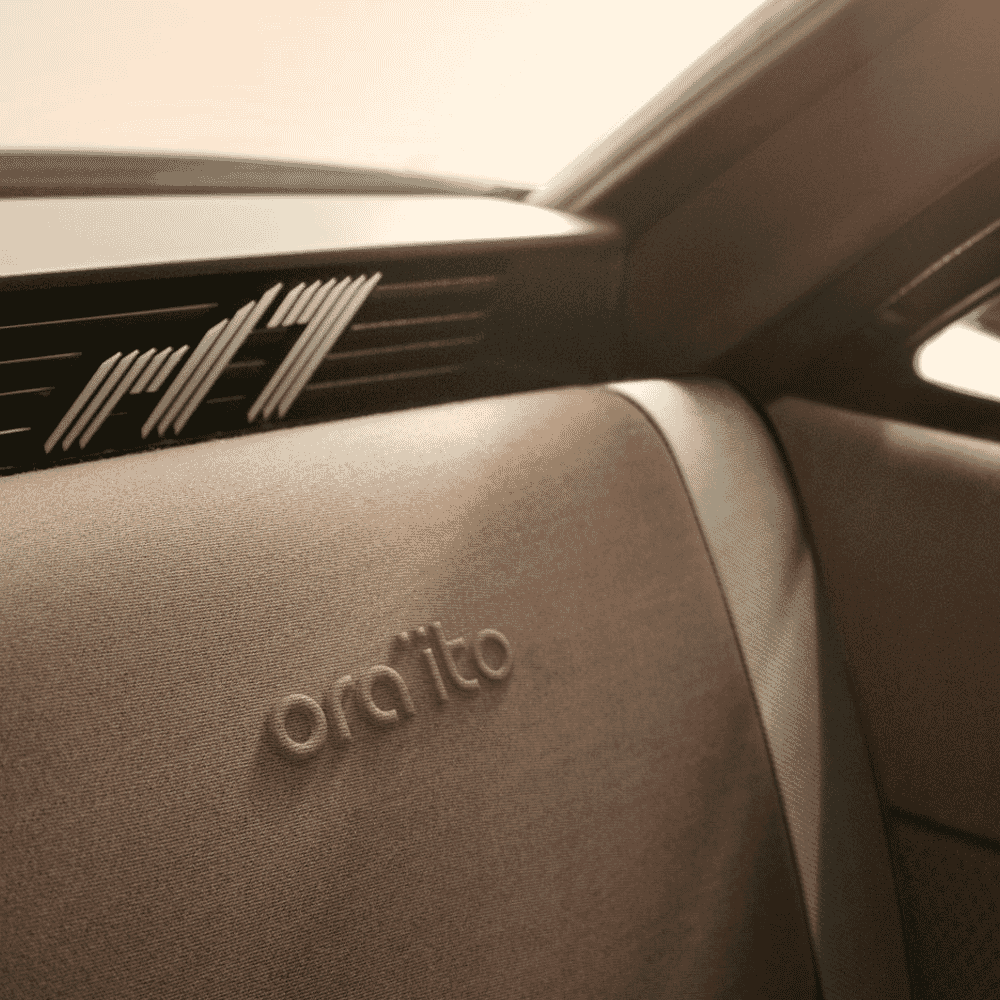
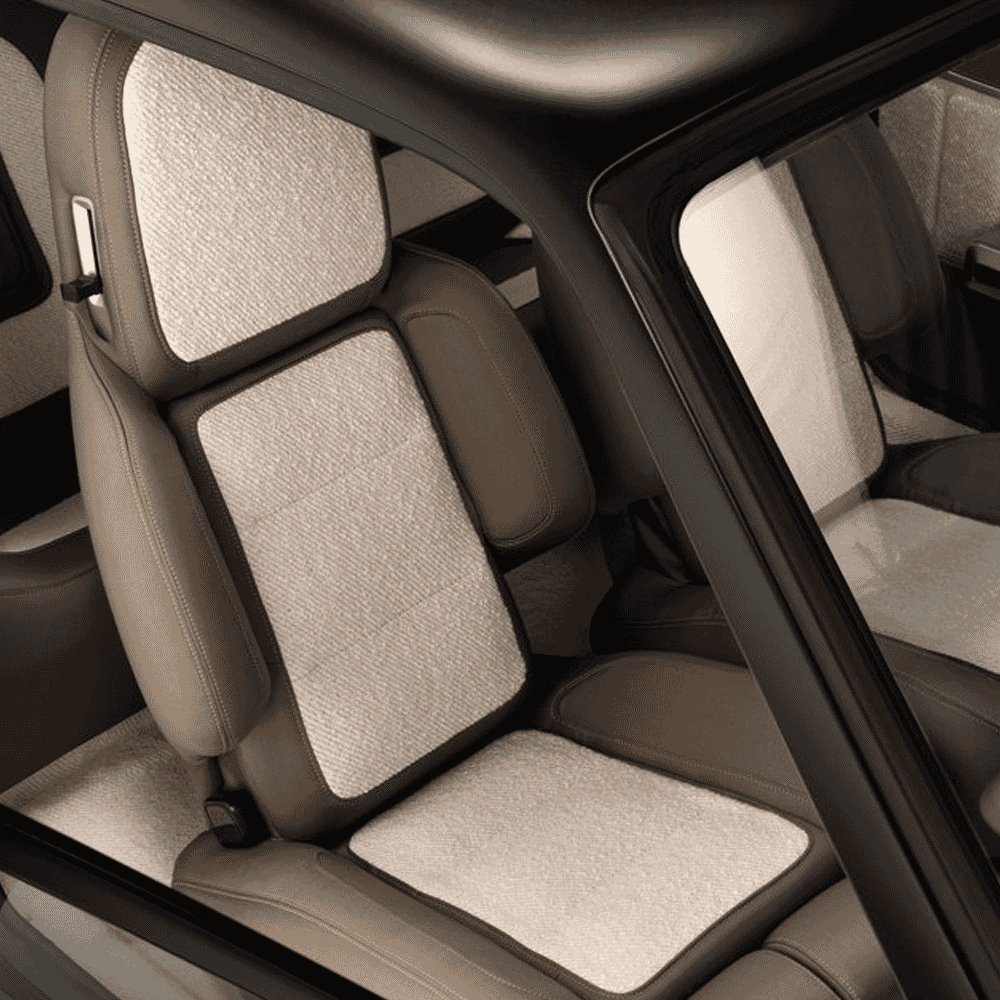
Stepping inside the R17 is akin to entering a mid-century modern lounge curated for the elite. The "petal" seat structure—a hallmark of the original R17—has been reimagined using haute-couture materials. We see a masterful blend of fine Merino wool and textured beige bouclé, fabrics more commonly found in high-end Parisian interior design than in automotive cockpits. The embossed "Ora Ïto" branding on the headrests serves as a seal of quality, marking the intersection where craftsmanship meets concept. This interior is a tactile sanctuary, prioritizing comfort and aesthetic cohesion over the cold, plastic surfaces typical of modern EVs.
Neo-Rectangular Cockpit: Digital Simplicity
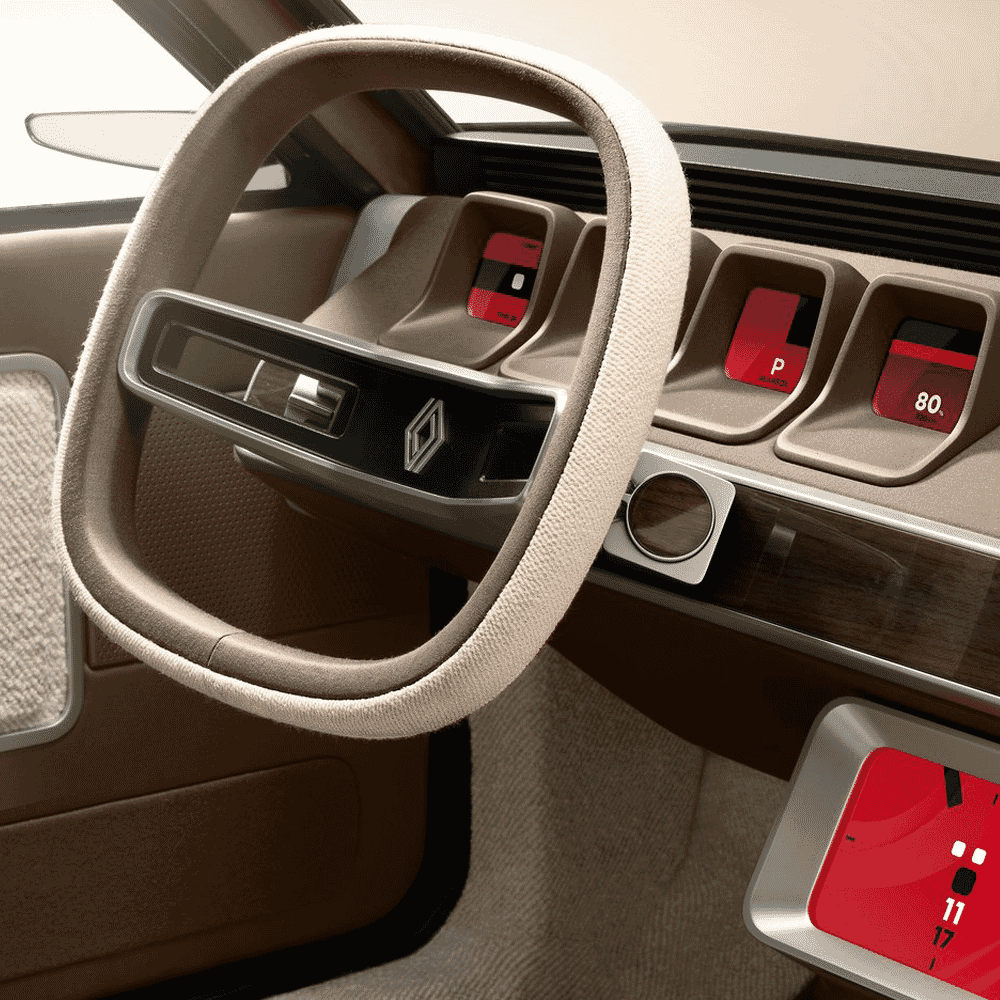
The driver’s interface is a masterclass in functional minimalism. Replacing the analog gauges of 1971 are four independent, square digital displays. This geometric arrangement directly mirrors the original dashboard's layout but translates it into a contemporary digital language. The steering wheel, wrapped in the same sophisticated upholstery as the seats, features a rectangular center that anchors the cockpit’s theme. It is a "Neo-Rectangular" world where navigation and performance data are presented with clarity, ensuring that the technology supports the driving experience without overwhelming the visual serenity of the cabin.
Silent Power: 270 HP Electric Heart
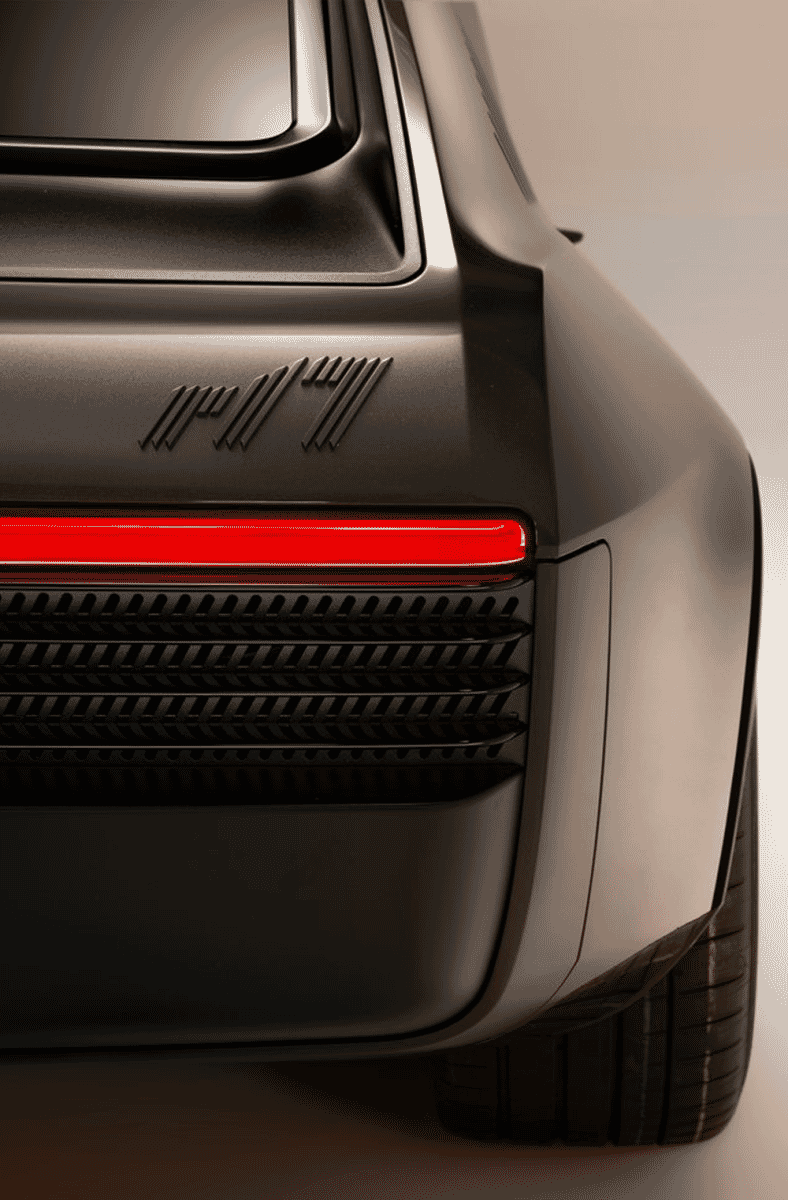
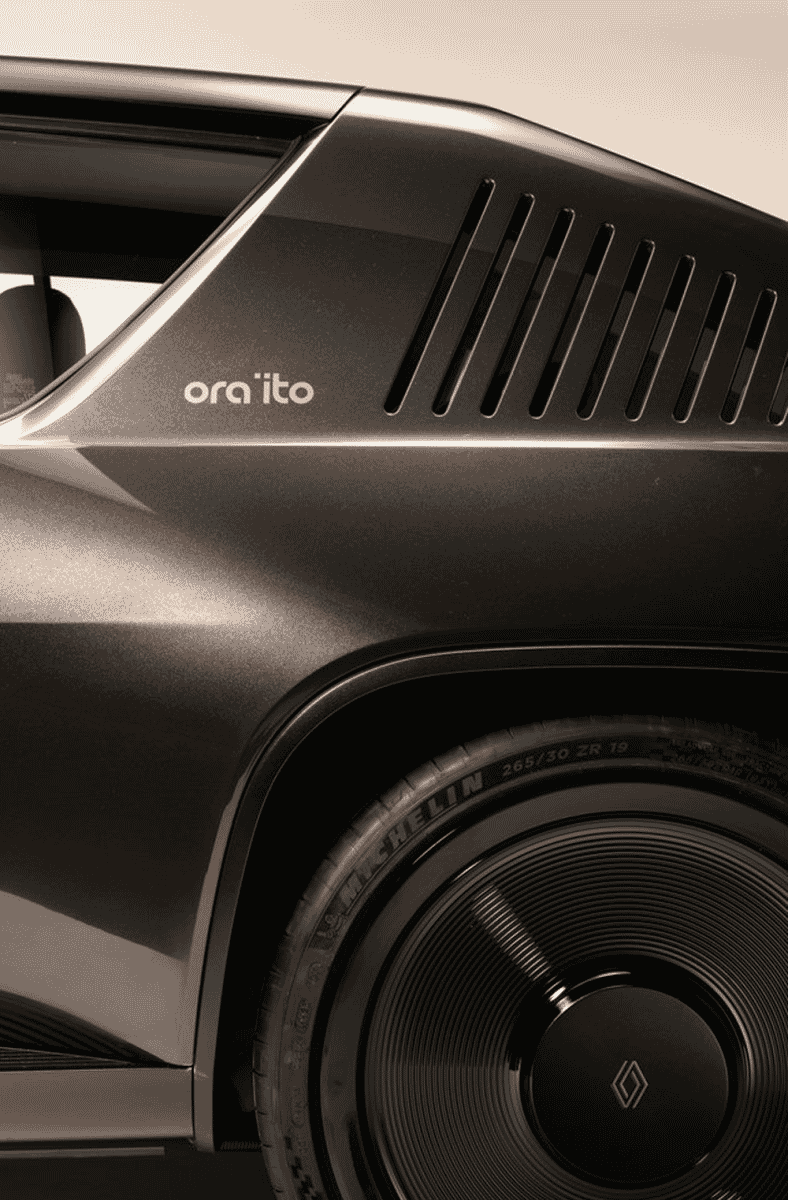
Beneath the Galactic Brown skin lies a purely electric 270 hp rear-mounted motor. This powertrain provides a spirited, silent drive that aligns with the car's "Simplexity" ethos—effortless performance without the mechanical noise of the past. With a range of 248 miles, it is designed for the modern grand tourer who values both sustainability and style. The exterior details, such as the subtle venting on the rear fenders, are not merely decorative; they hint at the thermal management required for the battery and the aerodynamic precision of the carbon fiber build. The R17 badge remains a proud reminder of the vehicle’s lineage, now reimagined as a pinnacle of electric luxury.
Conclusion: Teleporting Heritage to the Future
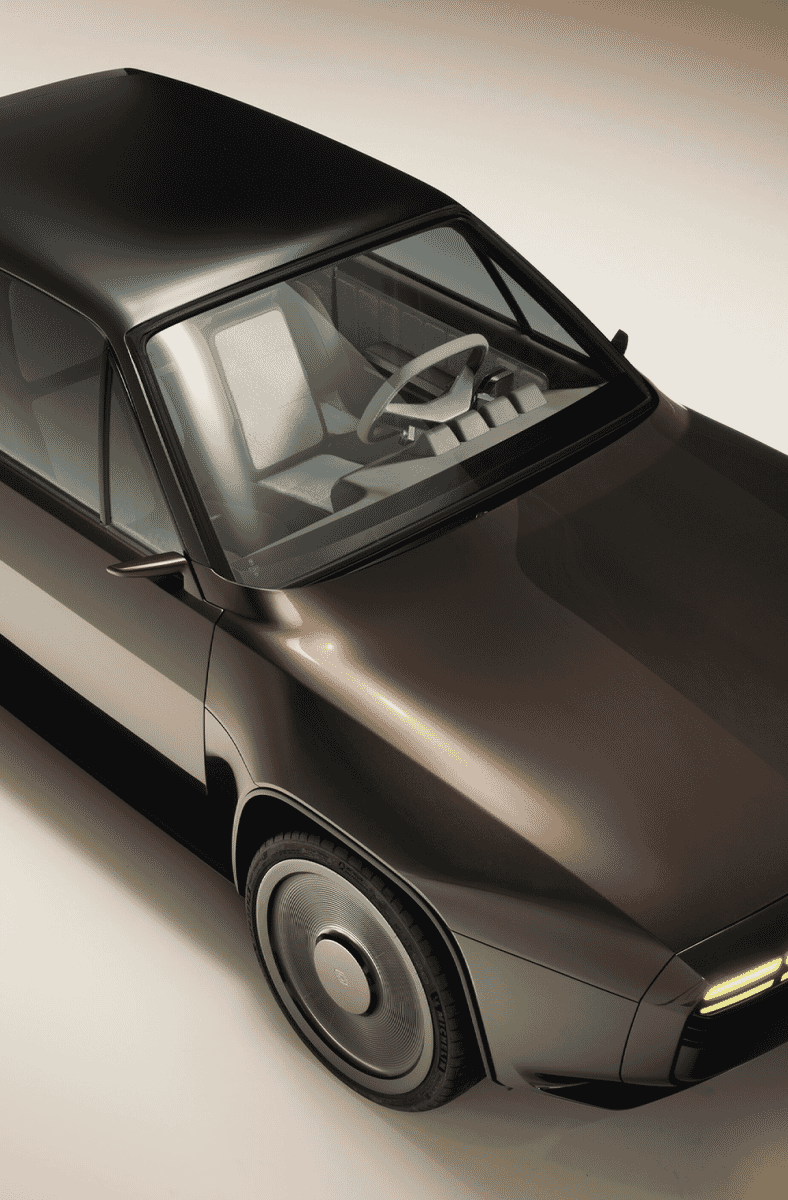
The Renault x Ora Ïto R17 is more than a concept car; it is a manifesto for the future of the automotive industry. It proves that as we move toward an all-electric future, we do not need to leave our soul or our history behind. By treating the R17 as a piece of "mobile architecture," Ora Ïto and Renault have created an investment-grade masterpiece that captured the heart of the Paris Motor Show. For the discerning enthusiast, it represents the ultimate "Simplexity"—a complex technical achievement disguised as a pure, breathtaking silhouette.