Introduction: The New Currency of Curation
In the evolving landscape of 2026, luxury is no longer defined by the sheer volume of possessions, but by the quiet power of intentional curation. We are witnessing a definitive shift toward "Sculptural Minimalism"—a philosophy where every piece must justify its presence through material integrity and impeccable pedigree. This is a return to heritage, reimagined through a modern lens, where the home becomes a sanctuary of biophilic evolution and tactile storytelling.
The Anchor: Oversized & Organic Seating
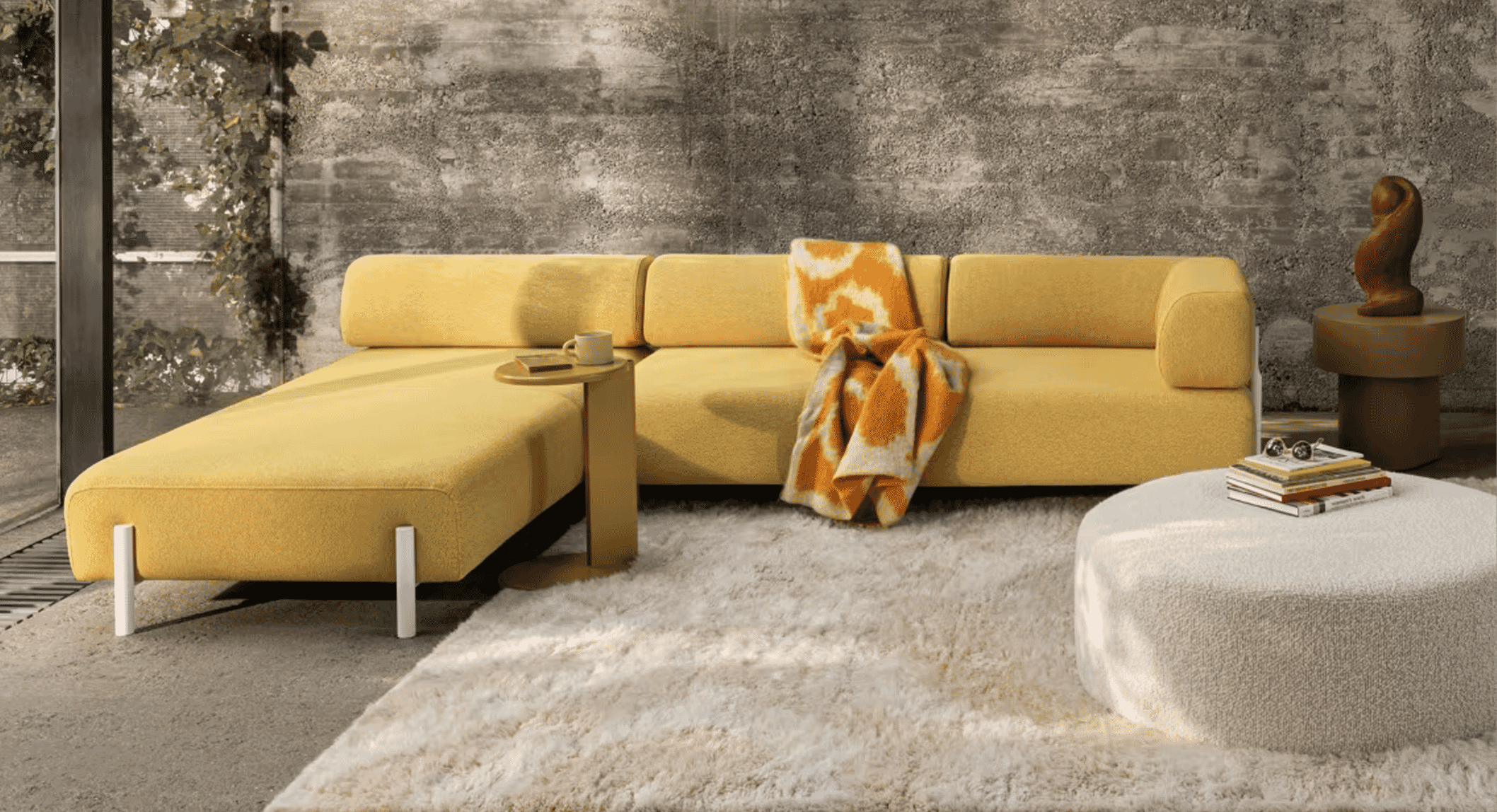
The foundation of the 2026 living space is defined by what we call "The Anchor." This season, we move away from rigid geometries toward "scuircle" silhouettes—organic, flowing shapes that prioritize comfort-driven ergonomics without sacrificing aesthetic authority. A vibrant yellow sectional, perhaps from the curated collections of British Design Shop or BoConcept, serves as a masterclass in "Electric Saturation." By placing such a bold, oversized piece against a neutral "Cremèle" backdrop, you create a focal point that is both inviting and avant-garde. It’s a statement of confidence, proving that luxury can be soft, expansive, and unapologetically cheerful.
Tactile Layers: The Heritage of Underfoot Comfort
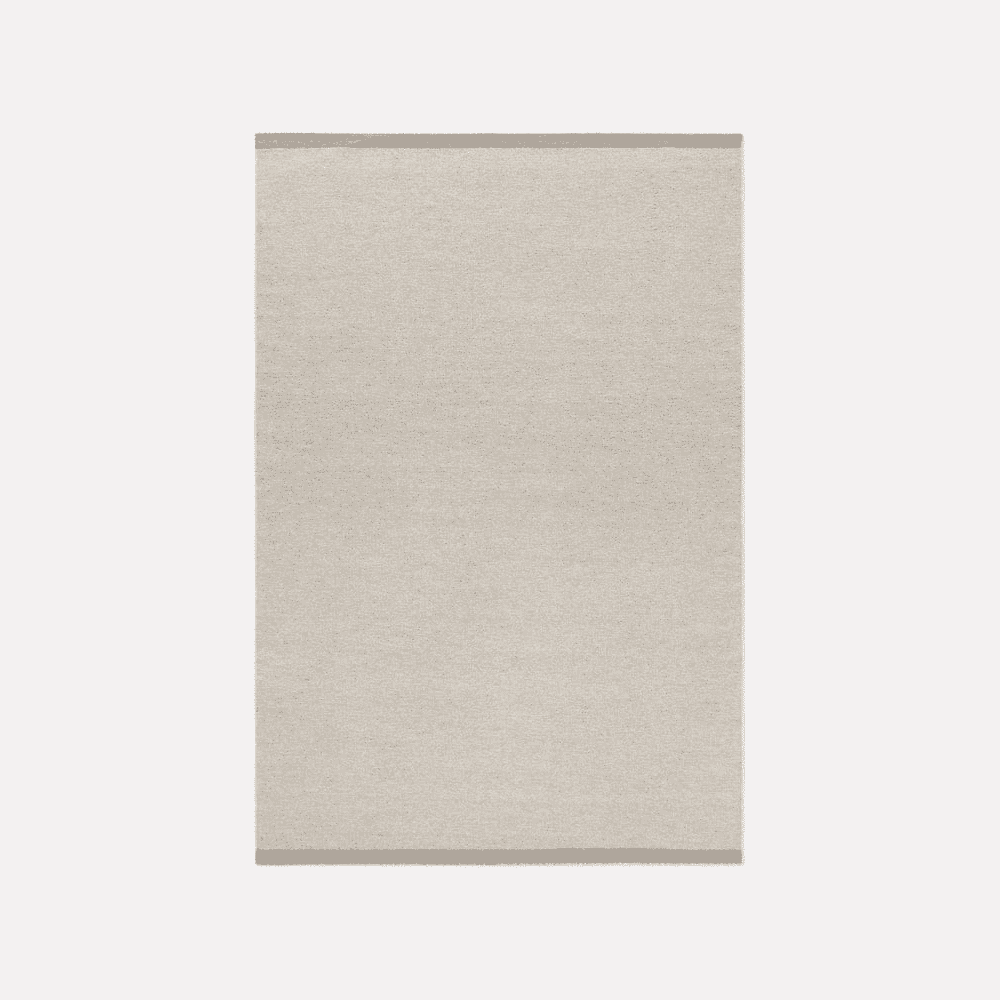
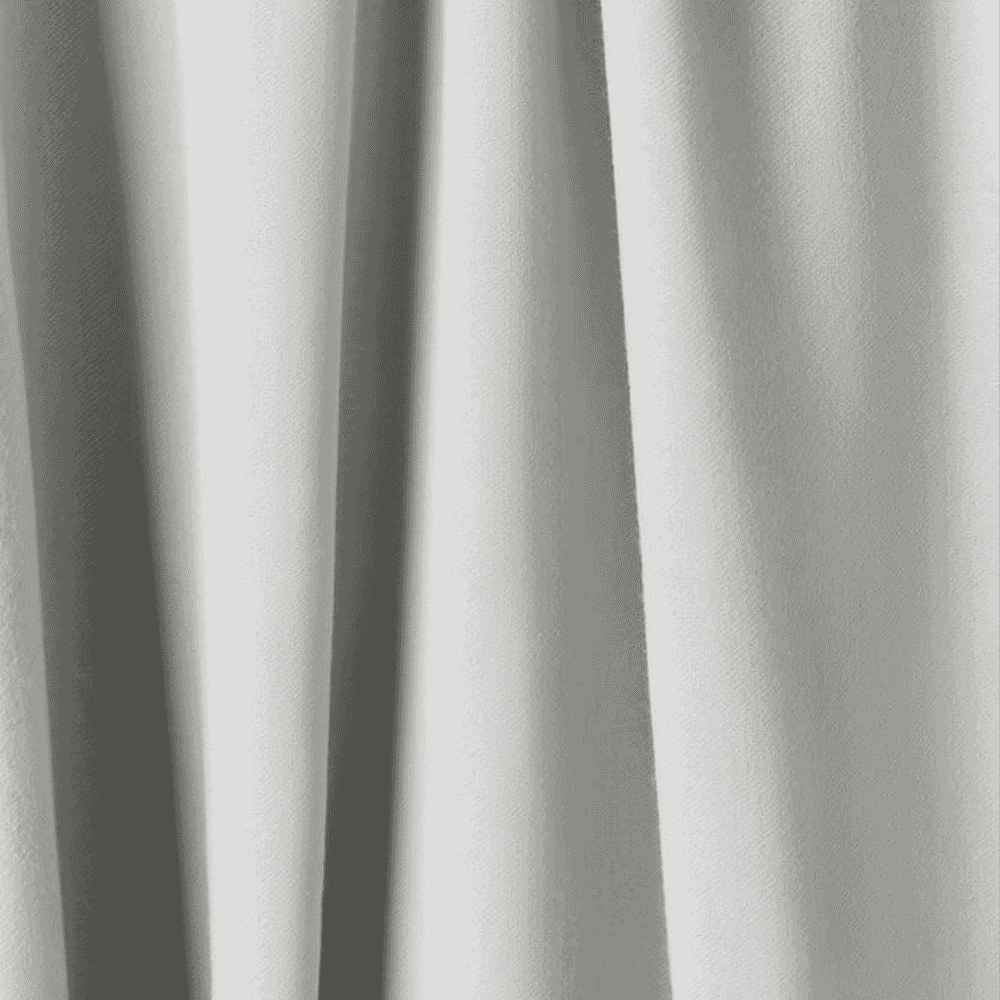
To achieve a true "Quiet Luxury" interior, one must look to the floor. The underfoot experience is the unsung hero of interior design, grounding the room in heritage craftsmanship. We are seeing a resurgence in artisanal textiles—think hand-knotted Nordic weaves from Nordic Knots and high-pile Australian wools. These tactile layers provide a sensory depth that flat surfaces cannot replicate. When you drape luxury white fabrics or layer minimalist textured rugs, you aren't just decorating; you are building a psychological anchor. The interplay of raw fibers and sophisticated weaving techniques creates a sanctuary that feels as refined as a bespoke suit, emphasizing the "biophilic evolution" where natural materials meet high-end design.
Sculptural Surfaces: The Rise of Functional Art
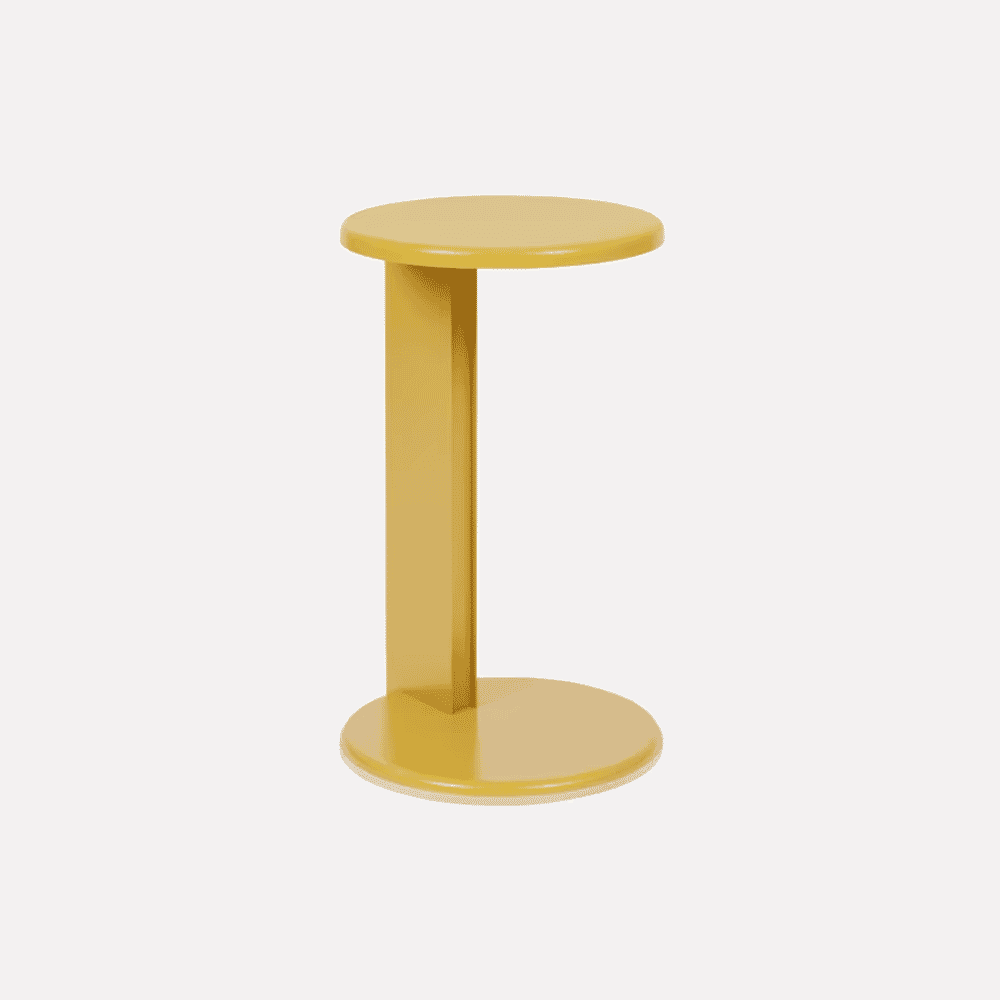
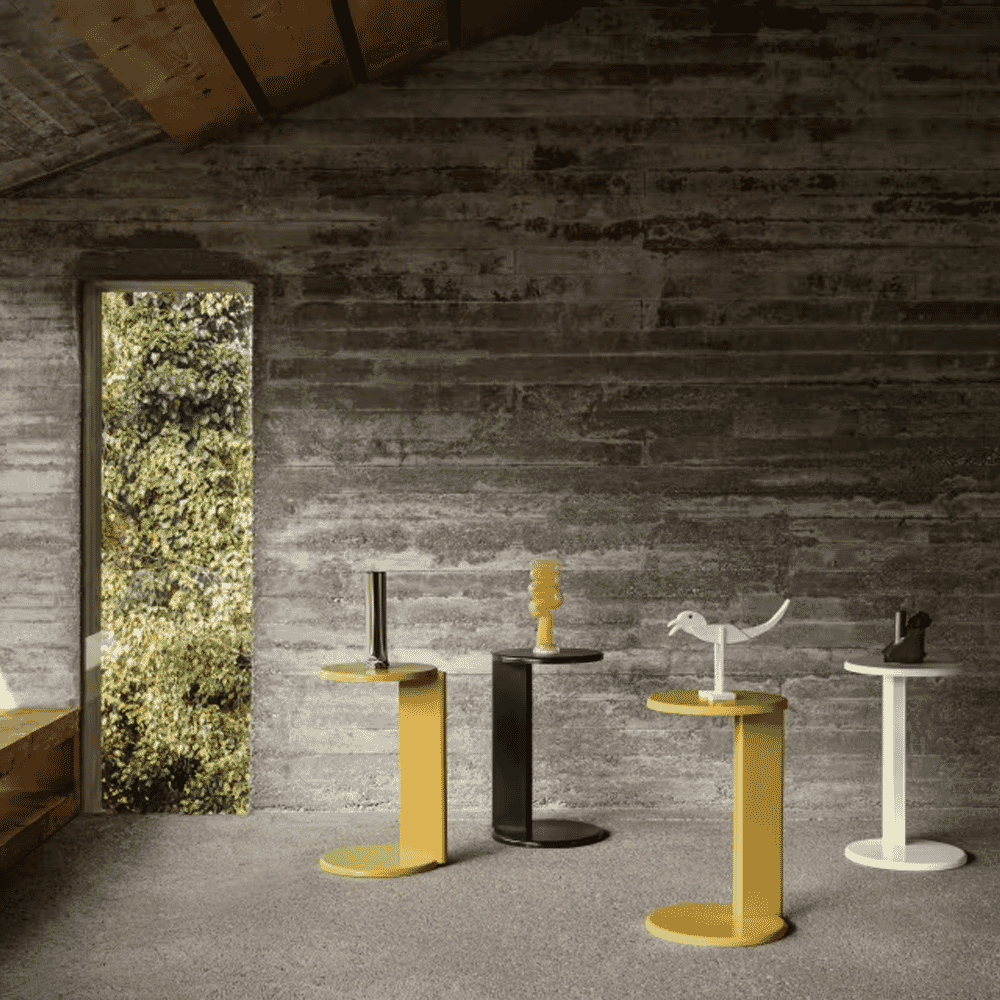
The side table has transcended its utilitarian roots to become a form of "Functional Art." For 2026, look for pieces that blur the line between furniture and sculpture. Brands like Hem and Tommy Franks are leading this charge with minimalist surfaces that act as architectural hubs. Whether it is a vibrant yellow piece that injects a pop of "Electric Saturation" or a sleek, industrial-inspired steel table, these objects offer what I call "invisible intelligence." They occupy space with a quiet, sculptural confidence. The contrast between an industrial, raw setting and a polished, colorful surface creates a sophisticated visual tension, making these tables essential investment pieces for the modern minimalist.
Curated Details: Beyond Aesthetic Decor
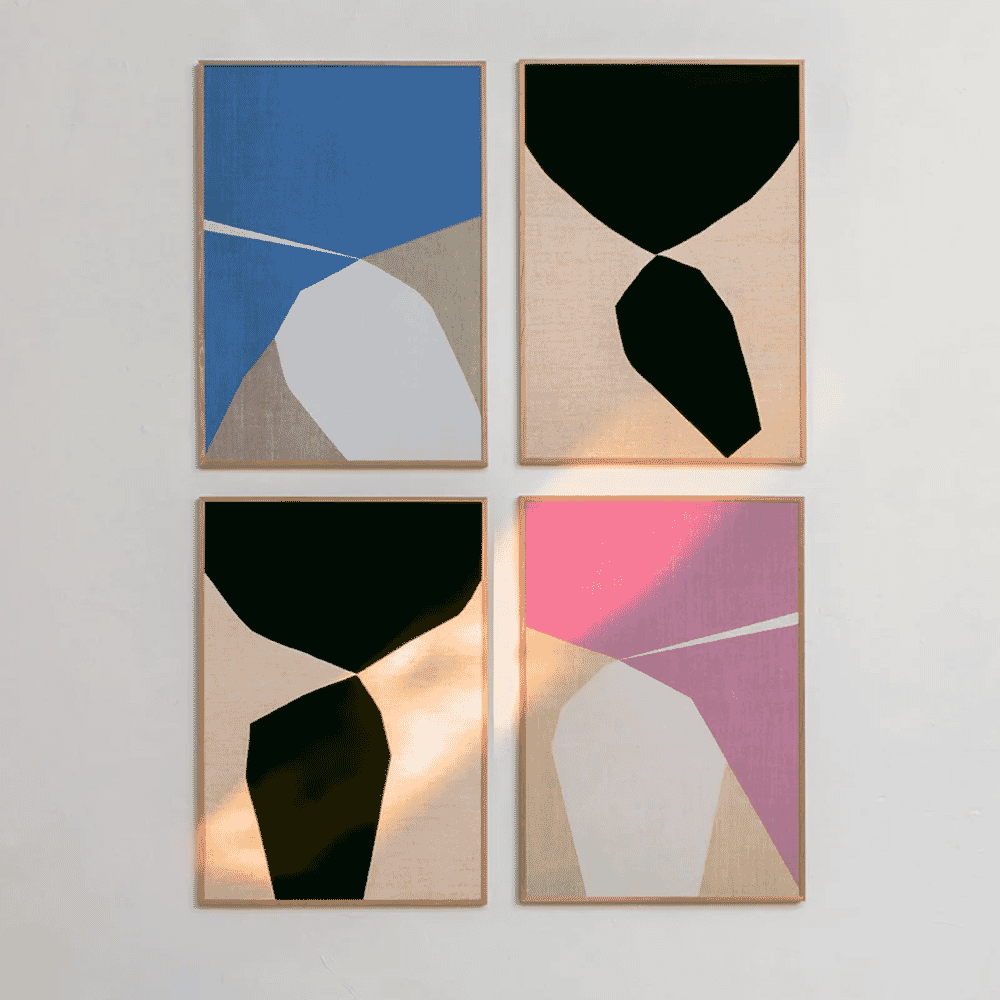
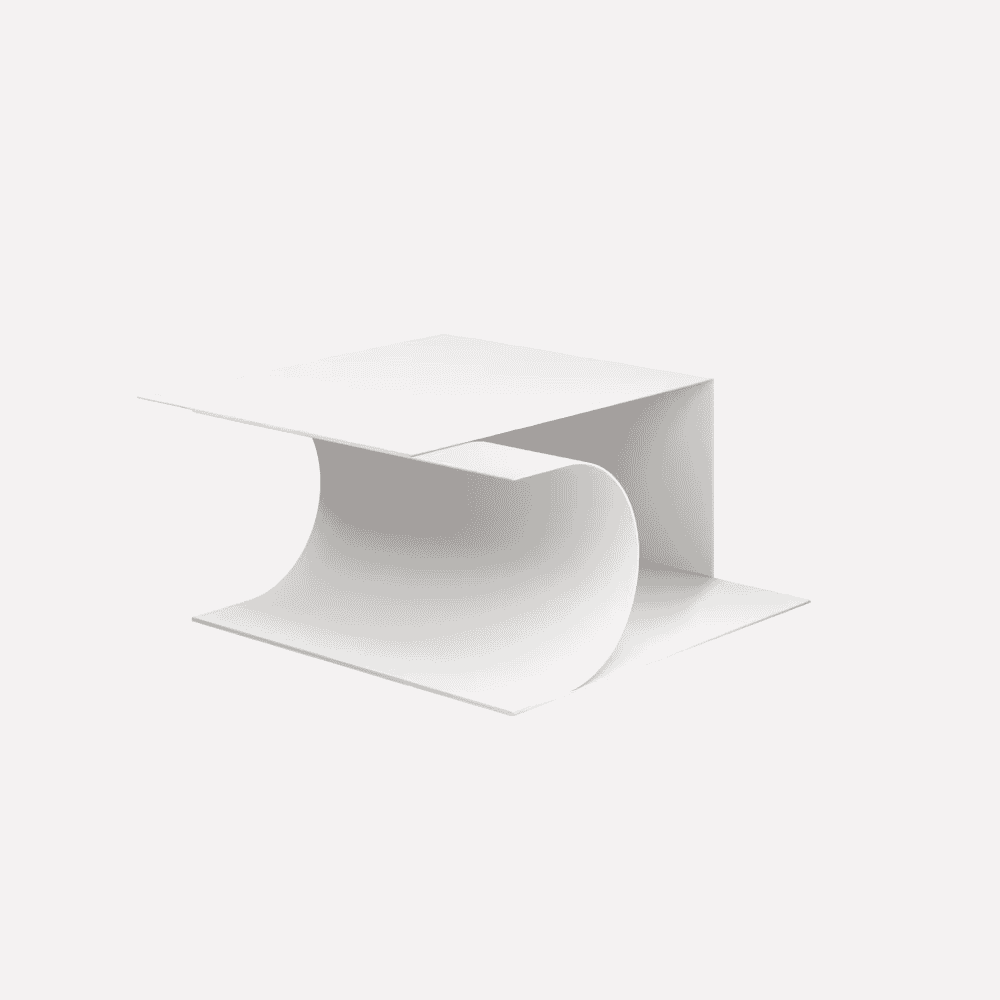
Finalizing a room requires an eye for "Freehand Artistry." In 2026, wall art and decorative objects move beyond mere ornamentation; they become the soul of the home. Abstract geometric prints, such as those curated by Wall Of Art, provide a balanced visual rhythm that directs the eye without overwhelming the senses. Complement these with white abstract sculptures that play with light and shadow. These details are the punctuation marks of your interior narrative. By choosing pieces that emphasize form and material over transient trends, you elevate your home from a living space to a curated gallery, reflecting a lifestyle of intentionality and intellectual luxury.
Conclusion: Building a Home with Intention
Designing for 2026 is an exercise in restraint and quality. By marrying high-end heritage pieces with minimalist sculptural basics, you create an environment that is timeless yet forward-thinking—a true reflection of the modern connoisseur’s spirit.