Quick Facts
- Sustainability Standard: The cruise industry, led by the Cruise Lines International Association (CLIA), is currently navigating a transition toward net-zero carbon emissions by 2050, with hybrid-electric ships already in operation.
- Top Polar Bear Sighting: Svalbard remains the premier destination, with Quark Expeditions and Hurtigruten offering the most advanced ice-strengthened vessels for 2025.
- The Small-Ship Advantage: To minimize environmental impact and maximize wildlife proximity, modern expeditions utilize "dynamic positioning" technology to stay stationary without damaging the seabed.
- Iconic Species Highlights: From the pink dolphins of the Amazon to the Emperor Penguins of Snow Hill Island, successful sightings are increasingly tied to specialized itineraries led by marine biologists and naturalists.
Introduction: The New Era of the 'Safari at Sea'
The concept of cruising has undergone a fundamental transformation. We have moved beyond the era of massive floating cities into a sophisticated age of the "safari at sea." Today’s high-end traveler seeks more than just a view; they demand unscripted animal encounters balanced with rigorous environmental stewardship. This shift is defined by the "no disturbance principle," where the goal is to observe the world's most elusive creatures without leaving a trace of our presence.
As we look toward 2025, the industry’s focus has sharpened on sustainable wildlife expedition cruises. For the discerning traveler, the best wildlife cruises for polar bear sightings are currently found in Quark Expeditions' Spitsbergen voyages, while those seeking the Amazon’s rare pink dolphins should look to Uniworld’s specialized 11-day itineraries. In the Galápagos, the standard for eco-luxury is set by vessels like the Celebrity Flora, which utilizes cutting-edge dynamic positioning to protect fragile coral ecosystems. This article analyzes nine world-class expeditions that prioritize both the guest experience and the preservation of the wild.
1. The Arctic: Tracking the 'Ice King' in Svalbard & the Northwest Passage
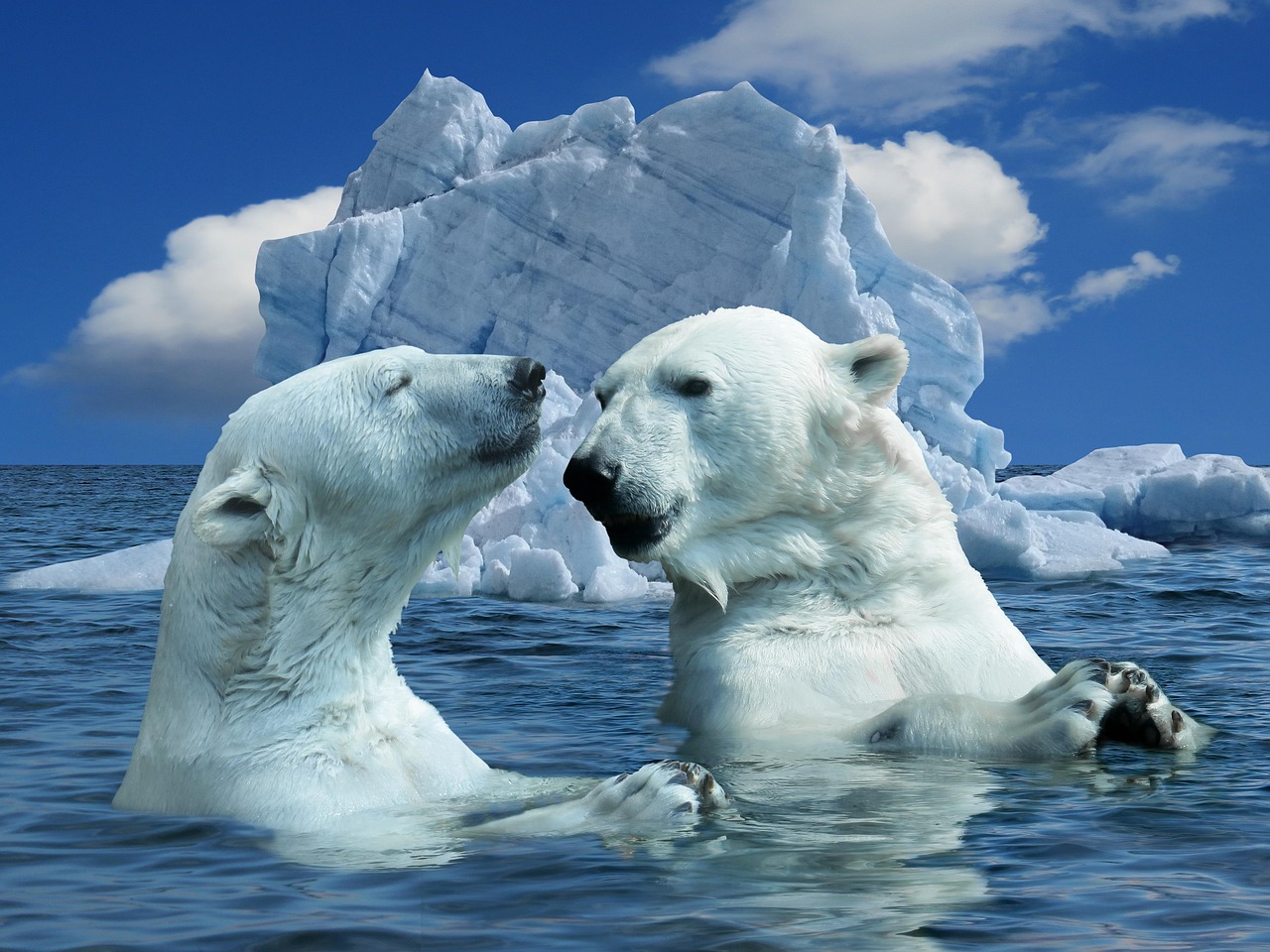
The High Arctic is perhaps the most demanding environment for any cruise vessel. To witness the "Ice King"—the polar bear—in its natural habitat requires a blend of high-tech navigation and seasoned expertise. For 2025, the focus remains on Svalbard and the legendary Northwest Passage.
| Ship Name | Destination | Key Species | Best Month |
|---|---|---|---|
| Ultramarine | Svalbard/Arctic | Polar Bears, Walruses | June - August |
| MS Roald Amundsen | Northwest Passage | Muskoxen, Beluga Whales | August - September |
Quark Expeditions’ Ultramarine is a standout in this category, equipped with two twin-engine helicopters that allow guests to scout for wildlife in areas otherwise inaccessible by sea. Conversely, Hurtigruten’s MS Roald Amundsen represents the pinnacle of green technology. Launched as the world’s first hybrid electric-powered cruise ship in 2019, it serves as a proof of concept for Hurtigruten’s ambitious goal to operate zero-emission vessels by 2030. These ships navigate the icy leads of the Northwest Passage with a significantly reduced carbon footprint, allowing for a quieter, more respectful approach to the wildlife on the ice floes.
Pro Tip: Bring high-quality, nitrogen-purged binoculars (8x42 is the industry standard). Even with a ship’s advanced spotting capabilities, the ability to track a distant white speck on a vast ice field is a game-changer for your personal experience.
2. The Galápagos Islands: Luxury Meets Evolution
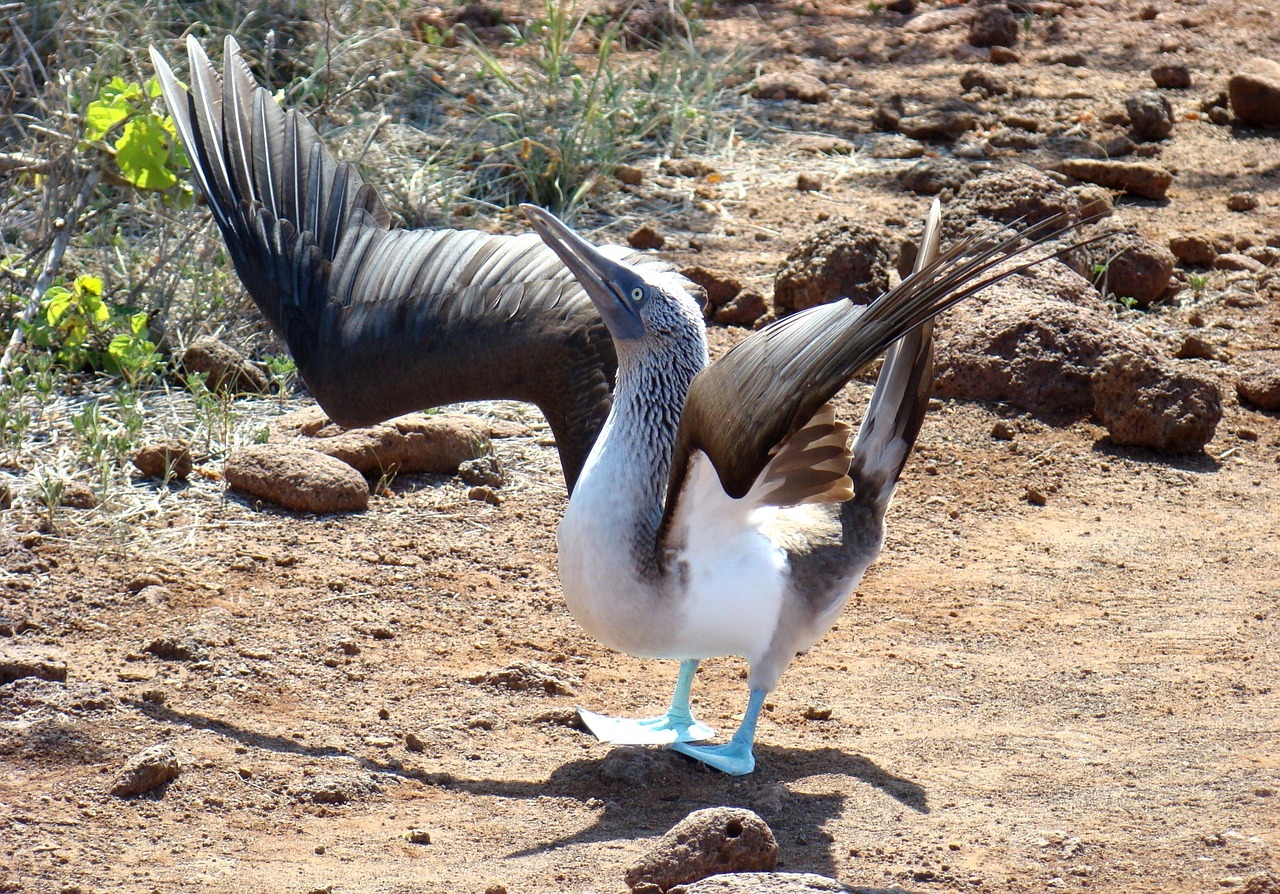
The Galápagos remains the gold standard for biodiversity, but its popularity necessitates strict regulation. The most sustainable way to visit the archipelago in 2025 is via small-ship expeditions that strictly adhere to the Galápagos National Park’s carrying capacity limits.
| Ship Name | Destination | Key Species | Best Month |
|---|---|---|---|
| Celebrity Flora | Central/Southern Islands | Giant Tortoises, Marine Iguanas | Year-round |
| Evolution | Western Islands | Flightless Cormorants | April - June |
Celebrity Flora was designed specifically for these waters. As a 100-guest mega-yacht, it balances high-end luxury with an impressive ecological pedigree. Its dynamic positioning system allows the ship to remain stationary using GPS and thrusters, entirely eliminating the need to drop an anchor that could crush the seabed or disrupt marine life. For those seeking a more rugged, intimate experience, World Expeditions offers small-ship eco-cruises that focus heavily on land-based hiking and deep-water snorkeling, providing a comprehensive view of the islands' evolutionary wonders.
View Celebrity Flora Itineraries →
3. The Peruvian Amazon: Seeking the Elusive Pink Dolphin
Navigating the Amazon requires a vessel with a shallow draft and a deep commitment to the local community. The focus here is the Pacaya-Samiria National Reserve, a flooded forest that serves as a sanctuary for the Amazon pink river dolphin (Inia geoffrensis).
| Ship Name | Destination | Key Species | Best Month |
|---|---|---|---|
| Aria Amazon | Ucayali & Marañón Rivers | Pink Dolphins, Sloths | December - May |
| Aqua Nera | Peruvian Amazon | Macaws, Caiman | June - October |
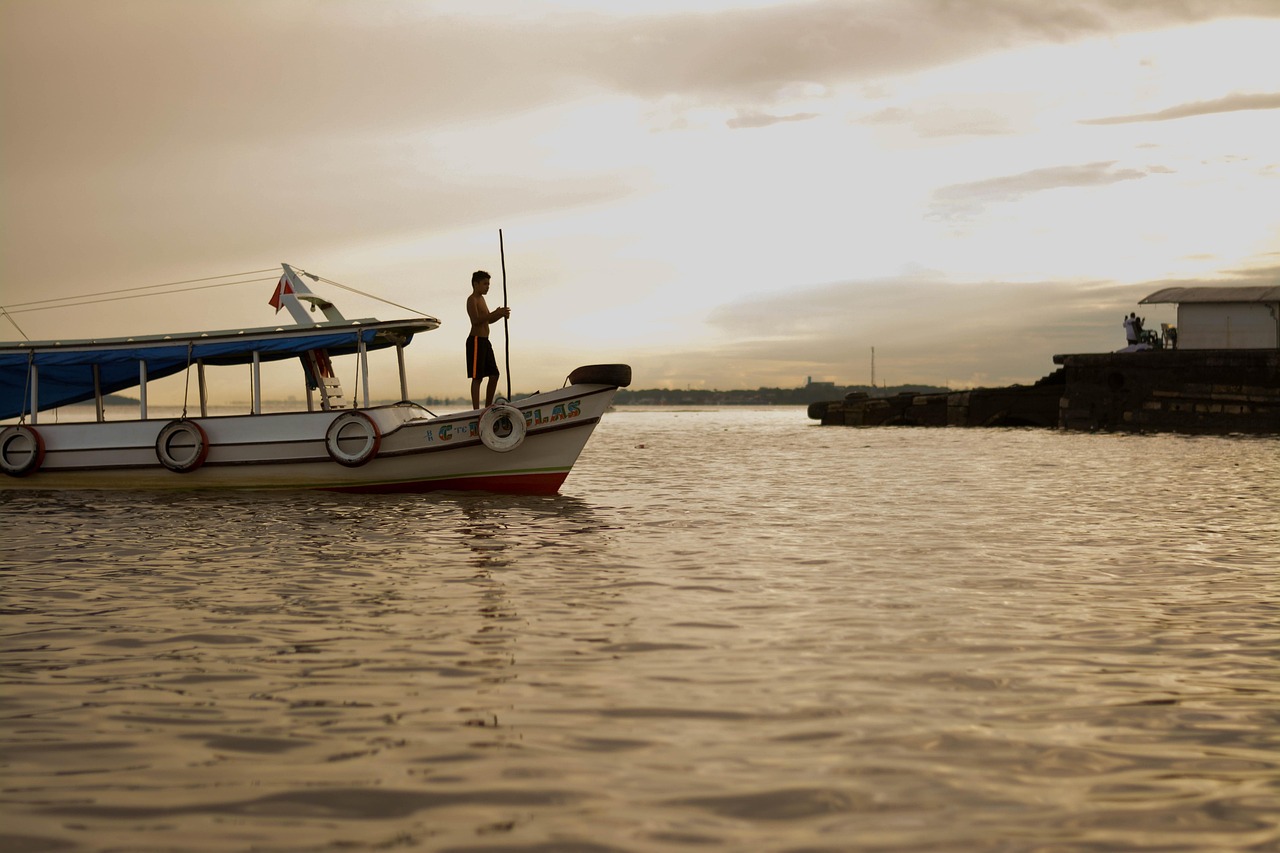
Uniworld River Cruises, in partnership with Aqua Expeditions, offers specialized 11-day voyages that penetrate deep into the remote Ucayali and Marañón rivers. These eco-friendly Amazon river cruises are as much about social responsibility as they are about wildlife. Uniworld has implemented a 50% food waste reduction goal and maintains a strict animal welfare policy that prohibits any interaction that could distress the local fauna. Guests typically board motorized skiffs to glide through narrow blackwater creeks, where the canopy erupts with the sound of macaws and the water ripples with the presence of the elusive pink dolphins.
Discover the Amazon with Uniworld →
4. Antarctica: The Ultimate Polar Pilgrimage for Emperor Penguins
Antarctica is the final frontier of travel, and for many, the Emperor Penguin is the ultimate prize. However, reaching their colonies is a feat of logistics and timing that few operators can manage.
| Ship Name | Destination | Key Species | Best Month |
|---|---|---|---|
| National Geographic Endurance | Weddell Sea | Emperor Penguins | November |
| World Explorer | Antarctic Peninsula | Humpback Whales, Orcas | January - February |
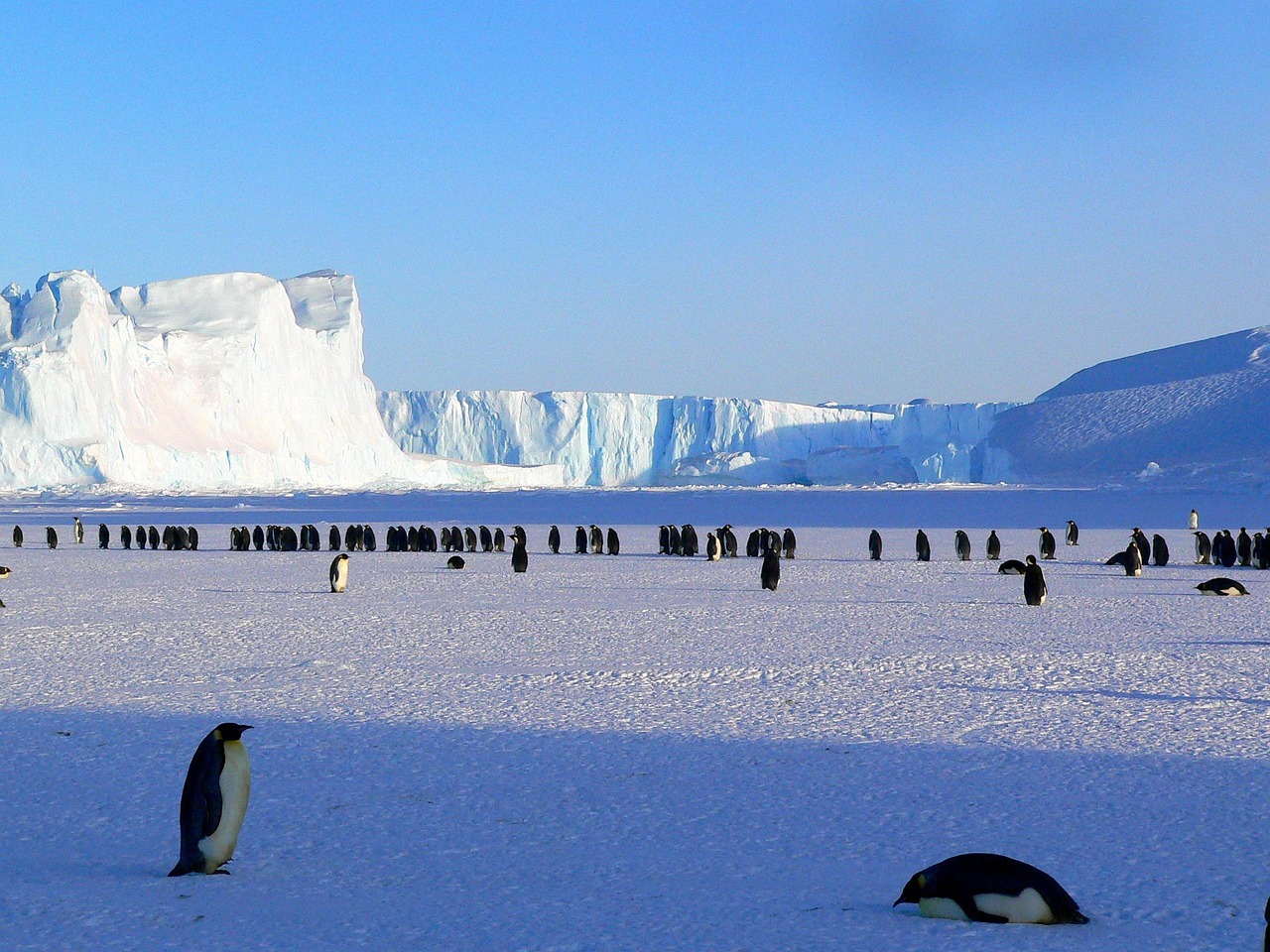
Quark Expeditions and Lindblad Expeditions (utilizing National Geographic vessels) are the leaders here. Specifically, the quest for the Snow Hill Island colony is a legendary itinerary. Because the colony is located deep within the pack ice of the Weddell Sea, access is typically only possible via ship-based helicopters. Statistics suggest that only 2,000–3,000 people annually witness these colonies, making it one of the most exclusive wildlife encounters on Earth. These voyages emphasize the "leave no trace" ethos, ensuring that the presence of humans does not interfere with the precarious breeding cycles of the penguins.
Pro Tip: Managing the Drake Passage requires preparation. While modern stabilizers on ships like the Endurance are incredible, always consult your doctor about scopolamine patches or sea bands before departure.
Explore Lindblad Expeditions →
5. Alaska’s Inside Passage: Indigenous-Led Whale Watching
While the mega-ships dominate the Alaskan coast, the true wildlife experience is found on smaller, indigenous-led vessels that can navigate the tight fjords of the Inside Passage.
| Ship Name | Destination | Key Species | Best Month |
|---|---|---|---|
| Chichagof Dream | Glacier Bay / Icy Strait | Humpback Whales, Brown Bears | June - August |
| Safari Endeavour | Inside Passage | Orcas, Bald Eagles | May - September |
Alaskan Dream Cruises provides a unique perspective through its Tlingit-owned heritage. Vessels like the Chichagof Dream, which accommodates just 12 to 70 guests, allow for intimate access to areas like Hobart Bay. A key feature of these cruises is the use of hydrophones—underwater microphones that allow guests to listen to the haunting songs and social clicks of humpback whales as they bubble-net feed. This auditory experience, combined with a low-impact cruising model, offers a profound connection to the Alaskan wilderness that larger ships simply cannot replicate.
6. Southern Africa: The Hybrid Water-and-Land Safari
Traditional safaris are land-based, but a new wave of river cruising is changing the landscape of African wildlife viewing. Lake Kariba and the Chobe River offer a vantage point that Land Rovers cannot match.
| Ship Name | Destination | Key Species | Best Month |
|---|---|---|---|
| Zimbabwean Dream | Lake Kariba / Zambezi | Elephants, Hippos | June - October |
| Zambezi Queen | Chobe River | Crocodiles, Fish Eagles | July - September |
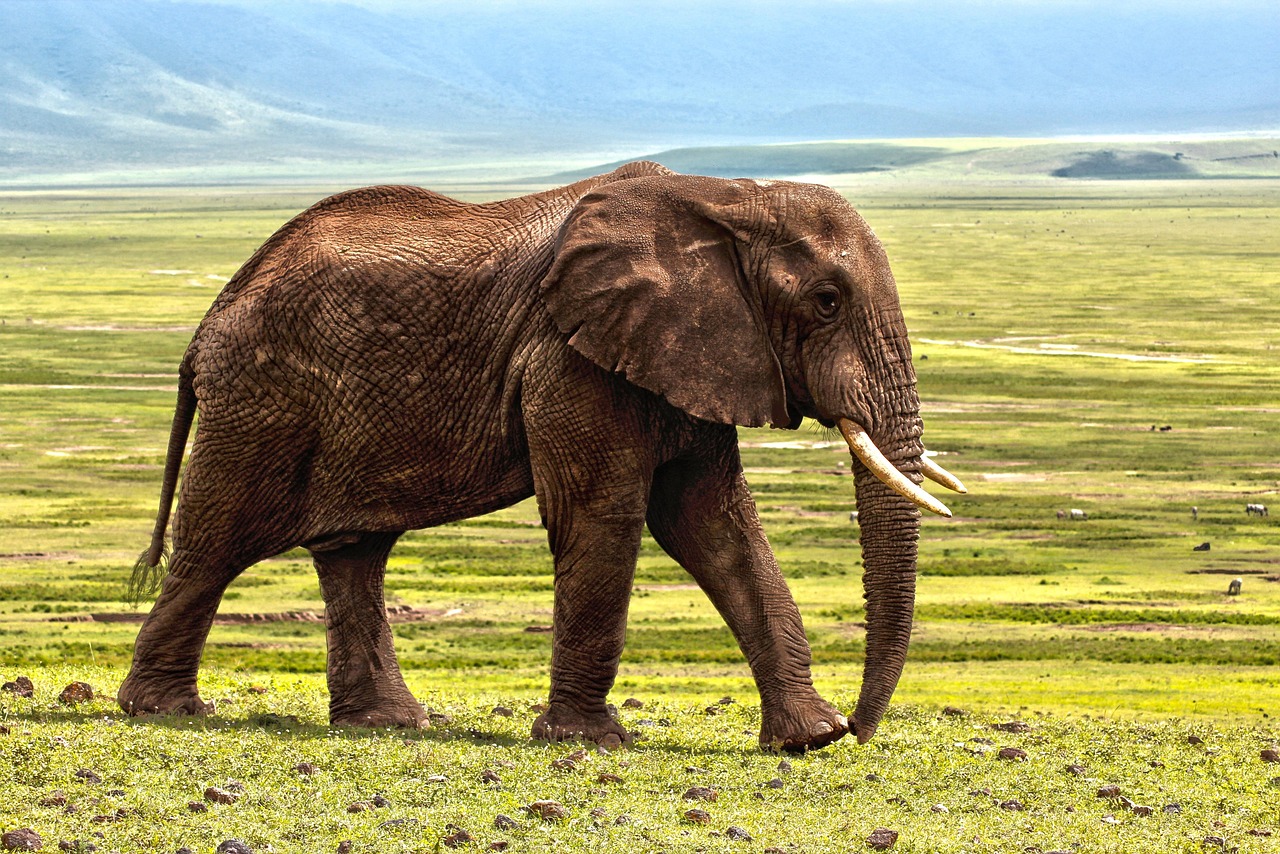
Natural Habitat Adventures, in partnership with WWF, operates the Zimbabwean Dream. This experience is a hybrid water-and-land safari, where the ship acts as a mobile base camp. Sustainability is at the core of their operation; every traveler’s trip is 100% carbon-offset. Watching a herd of several hundred elephants come to the water’s edge to drink, while you observe silently from the deck of a boutique riverboat, is a highlight that defines the modern luxury expedition.
Book a Natural Habitat Adventure →
7. Australia’s Great Barrier Reef: Citizen Science at Sea
The health of the Great Barrier Reef is a global concern, and Coral Expeditions has pivoted its model to include guests in the solution through "Citizen Science" voyages.
| Ship Name | Destination | Key Species | Best Month |
|---|---|---|---|
| Coral Discoverer | Outer Reef / Lizard Island | Green Sea Turtles, Manta Rays | October - December |
| Coral Adventurer | Northern Reef | Dwarf Minke Whales | June - July |
These eco-certified voyages go beyond sightseeing. Guests participate in biodiversity monitoring, tracking coral health, and visiting the Lizard Island Research Station. The ships are small enough to navigate the inner reef systems, and the onboard naturalists provide daily lectures on marine biology. It is an educational journey where the luxury lies in the depth of knowledge shared and the direct contribution guests make to reef conservation efforts.
8. Mexico’s Socorro Island: The 'Little Galápagos' for Divers
For those who prefer to be in the water rather than on it, Socorro Island—part of the Revillagigedo Archipelago—offers world-class encounters with pelagic megafauna.
| Ship Name | Destination | Key Species | Best Month |
|---|---|---|---|
| Nautilus Belle Amie | Socorro Island | Giant Manta Rays, Whale Sharks | November - May |
| Solmar V | Revillagigedo | Bottlenose Dolphins | January - April |
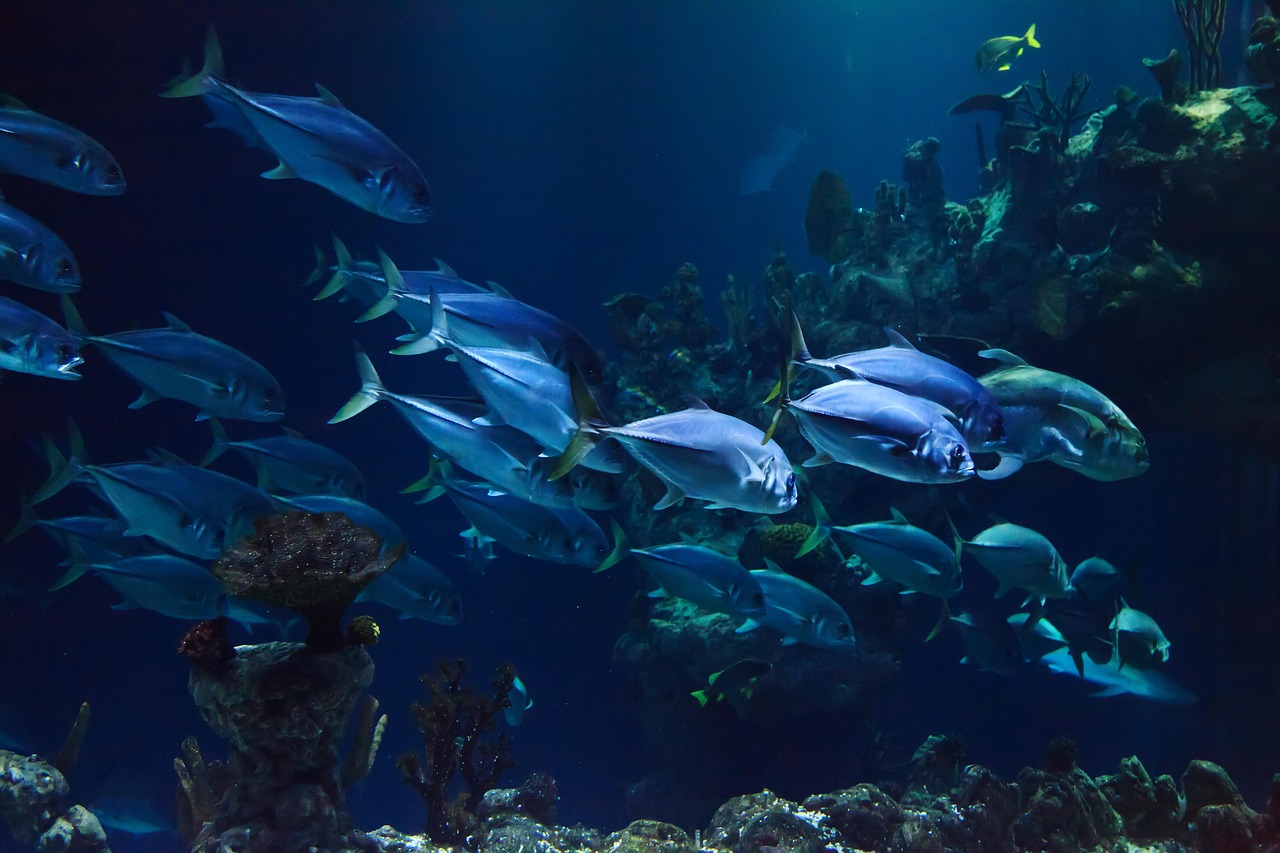
Operated by PADI-affiliated liveaboards like the Nautilus Belle Amie, these cruises are strictly focused on diving ethics. The island is famous for its friendly Giant Manta Rays, which often seek out interaction with divers. These expeditions are active participants in PADI AWARE initiatives, focusing on ocean cleanup and shark conservation. The "rugged" nature of these trips is offset by the quality of the dive support and the sheer density of marine life in these protected waters.
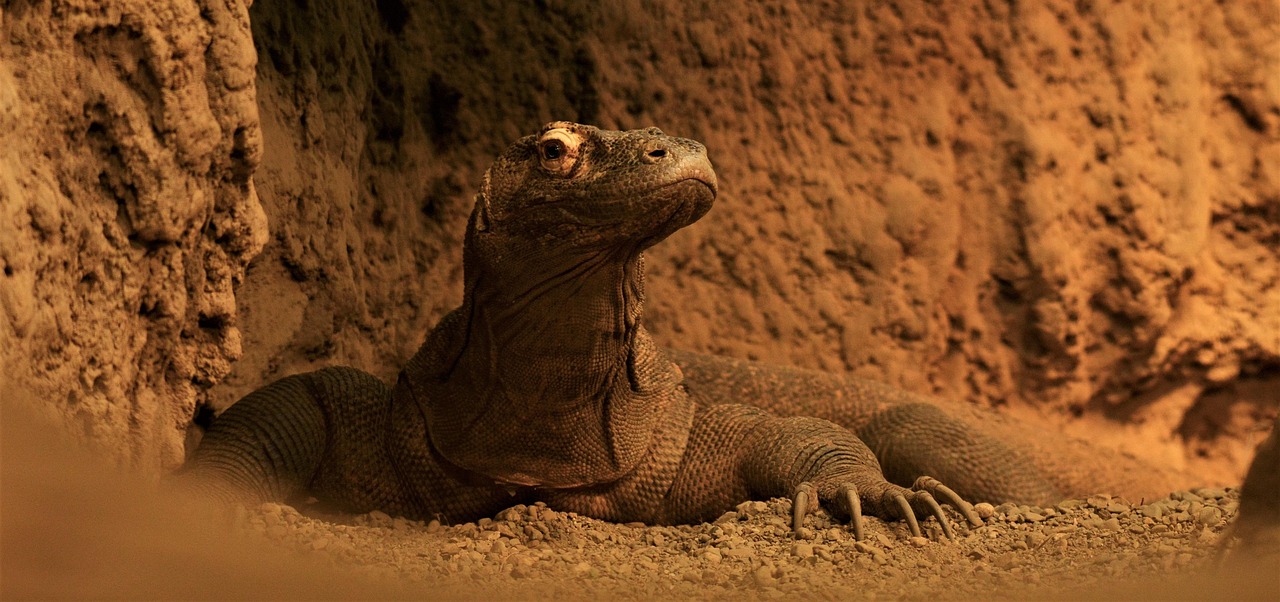
9. Indonesia’s Komodo National Park: Giants of the Land and Sea
Indonesia’s archipelago is home to the world’s largest lizard, but the marine life surrounding the islands is equally prehistoric in its grandeur.
| Ship Name | Destination | Key Species | Best Month |
|---|---|---|---|
| Aqua Blu | Komodo National Park | Komodo Dragons, Whale Sharks | April - September |
| Ombak Putih | Lesser Sunda Islands | Manta Rays | May - October |
The Aqua Blu, a long-range explorer yacht, offers specialized programs that include morning swims with whale sharks in Saleh Bay before heading to the shores of Komodo and Rinca to see the dragons. The vessel’s history as a former British Naval Explorer HMS Beagle gives it a sturdy, authoritative presence in these often-turbulent waters. The focus here is on specialized, high-impact wildlife viewing facilitated by expert local guides who understand the nuances of the tides and dragon behavior.
Explore Aqua Blu Itineraries →
Essential Planning: How to Choose Your Expedition
Choosing the right wildlife cruise requires a balance of timing, vessel capability, and personal interest. Seasonality is the most critical factor; the Arctic and Antarctic operate on opposite schedules, while the Amazon and Galápagos are year-round destinations with distinct "wet" and "dry" seasons that alter wildlife behavior.
When packing, adopt the "Polar Pro" method of layering: a moisture-wicking base layer, a thermal mid-layer (down or fleece), and a waterproof, windproof outer shell. Most expedition ships provide the heavy outer parkas and boots, but your internal layers are your responsibility.
Finally, consider the environmental impact. The CLIA goal for net-zero carbon cruising by 2050 is a significant undertaking. Support operators that are transparent about their waste management, fuel types, and local community engagement. A high-quality cruise in 2025 is defined by its ability to provide a luxury experience that respects the fragility of the destinations it visits.
FAQ
Are these cruises suitable for children? Most expedition cruises have a minimum age (often 8 or 12 years old), as the excursions involve zodiac transfers and potentially long periods of quiet observation. However, "family-specific" departures on ships like Celebrity Flora offer tailored programming for younger naturalists.
How far in advance should I book? For high-demand itineraries like the Northwest Passage or the Emperor Penguin colonies, booking 12 to 18 months in advance is recommended. These ships have limited capacity (often under 200 guests) and sell out quickly.
What is the difference between a "luxury cruise" and an "expedition cruise"? A luxury cruise prioritizes onboard amenities and port-of-call shopping. An expedition cruise prioritizes the destination and wildlife, with schedules that can change hourly based on animal sightings or weather conditions. In 2025, the best operators are successfully blending both.
Conclusion
The world’s best wildlife cruises are no longer just about seeing; they are about understanding and protecting. Whether you are navigating the ice fields of Svalbard or the flooded forests of the Amazon, the right ship and the right operator make the difference between a simple vacation and a life-altering expedition. As we move toward a more sustainable future for travel, these nine cruises stand at the forefront of responsible adventure.