As we approach 2026, the narrative of small-scale living is undergoing a radical transformation. We are moving away from the era of "making do" with cramped quarters and entering a sophisticated age of Hybrid Logic, where every square inch is engineered for performance without sacrificing a whisper of elegance. By embracing these forward-thinking layouts, you can increase your perceived living space by up to 40%, turning a modest footprint into a sprawling sanctuary.
1. Master the 'Hybrid Logic' of Open-Plan Zones
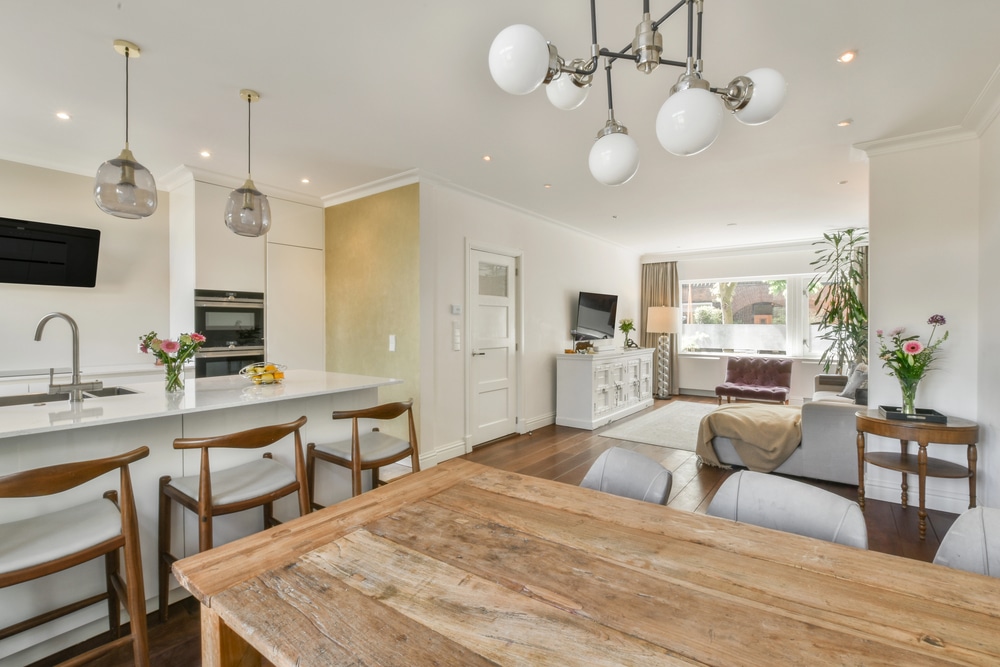
The future of the open-plan layout isn't just about removing walls; it’s about Hybrid Logic. In 2026, we see a shift toward motorized furniture and movable partitions that allow a single zone to pivot between a high-functioning kitchen, a formal dining area, and a professional home office. The visual focus here is on Quiet Luxury—utilizing seamless white cabinetry and natural timber to hide the "work" of the home.
Styling Tip: Invest in "disappearing" hardware and integrated appliances. When the tools of the kitchen blend into the architecture, the room feels like a gallery rather than a utility space.
2. Biophilic Evolution: More Than Just 'Plants in Pots'
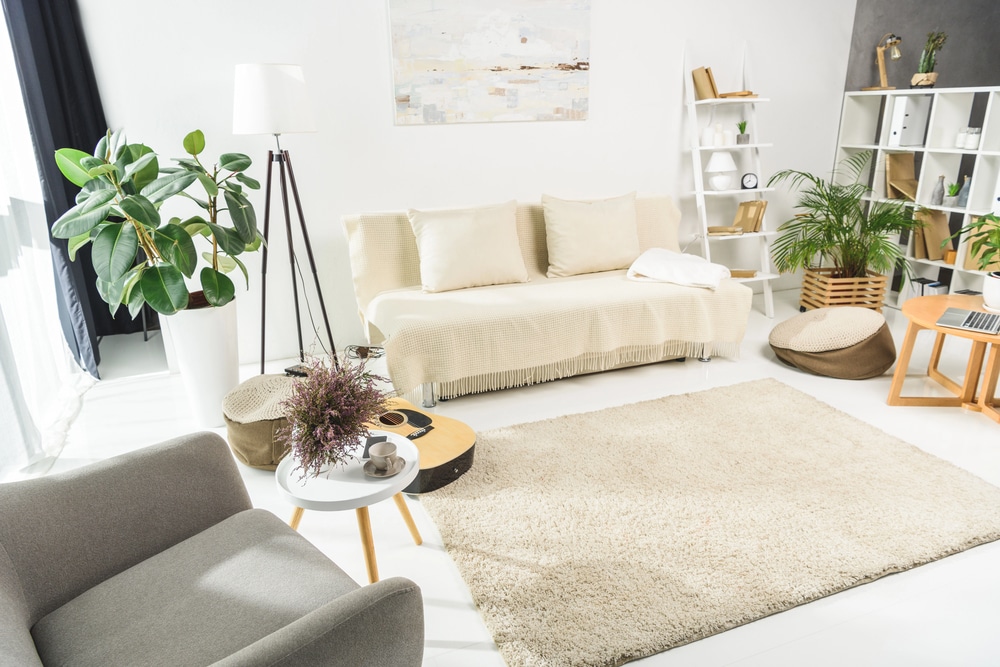
Biophilic design is evolving from a mere aesthetic choice into a biological necessity. In 2026, we’re looking at Biophilic Evolution, where greenery is integrated into the home's infrastructure. By using verticality—placing plants on high shelving or utilizing hanging installations—you draw the eye upward, effectively "raising" the ceiling. This tactile, human-centric environment uses soft textures and Cremèle Neutrals to create a sensory cocoon that purifies the air and calms the mind.
Styling Tip: Use large-leafed tropicals in corners to blur the boundaries of the room. When you can’t see where the wall ends, the space feels infinite.
3. The 'Cloud Dancer' Palette for Visual Volume
Color is the most potent tool for spatial manipulation. For 2026, the Pantone shade 'Cloud Dancer'—a crisp, breathable white with just a hint of warmth—takes center stage. This palette acts as a blank canvas, maximizing the bounce of natural light and increasing "visual volume." It moves us away from the clinical sterility of the past toward a Warm Minimalism that feels expansive yet inviting.
Styling Tip: Stick to a monochromatic base but vary the sheen. Mixing matte walls with satin-finish cabinetry adds depth without the visual clutter of multiple colors.
4. Sculptural Functionalism: Turning Corners into Art
Small spaces often suffer from "leggy" furniture that creates a cluttered floor line. The 2026 trend of Sculptural Functionalism introduces "fat furniture"—bulky, low-slung pieces with soft, rounded edges that double as focal points. Instead of tucking a tiny chair into a corner, place a singular, bold sculptural piece that commands the space. This is where Algorithmic Ergonomics meets high fashion, ensuring that even the most avant-garde piece provides maximum comfort.
Styling Tip: Choose a "hero" piece for your smallest corner. A curved velvet armchair or an oversized floor lamp transforms a neglected nook into a curated reading zone.
5. Maximalist Mirrors and Depth Deception
We’ve long used mirrors to double space, but the future is about Maximalist Mirrors. Moving away from simple rectangles, 2026 embraces irregular, jagged frames and copper-wire accents. These aren't just functional items; they are pieces of "jewelry" for your walls. By placing a large-scale, asymmetric mirror opposite a window, you don’t just reflect light—you create a "window to nowhere" that adds layers of personality and the illusion of an extra room.
Styling Tip: Lean an oversized floor mirror against the wall rather than hanging it. The slight tilt alters the perspective of the floor, making the room appear deeper than it is.
6. AI-Powered Indoor Gardens for the Urbanite
The "tiny corner" of 2026 is no longer dead space; it’s a high-tech pantry. Plug-and-play AI gardens are becoming the must-have accessory for the urbanite. These sleek, wall-mounted hydroponic panels use glowing LEDs to grow fresh herbs and microgreens, doubling as a modernist light sculpture. It’s the ultimate expression of Hybrid Logic: sustainable, functional, and aesthetically arresting.
Styling Tip: Use the soft, rhythmic glow of a hydroponic system as ambient lighting for your living area, replacing traditional lamps with functional, living art.
7. Sensorial Immersion through 'Texture Drenching'
Patterns are taking a backseat to Texture Drenching. To make a small home feel expensive, we are layering materials like micro-cement, ribbed timber, and faux fur. This creates a "sensorial immersion" where the room changes character as the daylight shifts. By removing high-contrast patterns and focusing on the interplay of light and shadow on textured surfaces, you create a sophisticated, cohesive environment that feels like a boutique hotel.
Styling Tip: Apply a ribbed or fluted finish to a single corner or a small alcove. The vertical lines add height while the texture provides a tactile richness that flat paint simply can't match.
The shift toward intentional, flexible living in 2026 reminds us that a home’s value isn't measured in square footage, but in the quality of the rituals it enables. Your small home is not a limitation; it is a sanctuary for craftsmanship, innovation, and a life lived with purpose.