Quick Facts
- World’s Oldest Documented Establishment: St. Peter Stiftskulinarium in Salzburg, Austria, with records stretching back to 803 AD.
- Guinness World Record Holder: Restaurante Botín in Madrid, Spain (est. 1725), officially recognized as the oldest continuously operating restaurant.
- Oldest in the United States: The Union Oyster House in Boston, Massachusetts, which has been serving its legendary New England fare since 1826.
- Historical Significance: These establishments have survived world wars, revolutions, and pandemics, serving figures from Charlemagne and Mozart to Napoleon and JFK.
Introduction: The Endurance of the Table
There is a particular kind of alchemy that happens when history meets the hearth. As a culinary editor, I have often found that the most profound meals aren't necessarily those served on the trendiest plates, but those eaten in rooms that have inhaled the secrets of centuries. Tracing the "oldest" restaurants in the world is a journey fraught with myth, legend, and the meticulous parsing of monastic records. Some are taverns that evolved into dining rooms; others are former abbeys that opened their larders to weary travelers.
To dine in these spaces is to step out of time. Whether you are seated beneath the vaulted stone arches of Salzburg or in a cozy wood-paneled booth in Boston, you are participating in a lineage of hospitality that spans over a millennium. From the staggering 1,023-year gap between the world's oldest recorded eatery (803 AD) and America’s oldest (1826), we see the evolution of the human experience through the lens of the dinner plate. These nine establishments are not merely museums of gastronomy; they are living, breathing entities that have weathered the test of time.
1. St. Peter Stiftskulinarium, Salzburg (803 AD)
Nestled within the ancient walls of St. Peter's Abbey, this is not just a restaurant; it is a monument to European history. First mentioned in the Carmina of Alcuin of York—a scholar in the court of Charlemagne—it is recognized as the oldest documented restaurant in the world. As you enter, the cool dampness of the Mönchsberg rock seeps through the stone, reminding you that this space was already ancient when Mozart was performing for Salzburg’s elite.
The interior is a labyrinth of eleven distinct dining rooms, ranging from rustic, wood-beamed chambers to the grand, Baroque-style "Barocksaal." While the history is medieval, the menu is a sophisticated bridge between the past and the present, offering refined Austrian classics that would have satisfied royalty and commoners alike over the last twelve centuries.
- Established Date: 803 AD
- Famous Guest: Charlemagne, Wolfgang Amadeus Mozart, Bill Clinton
- Must-Order Dish: Salzburger Nockerl (a sweet, airy soufflé representing the city’s snowy peaks)
2. Zum Franziskaner, Stockholm (1421)
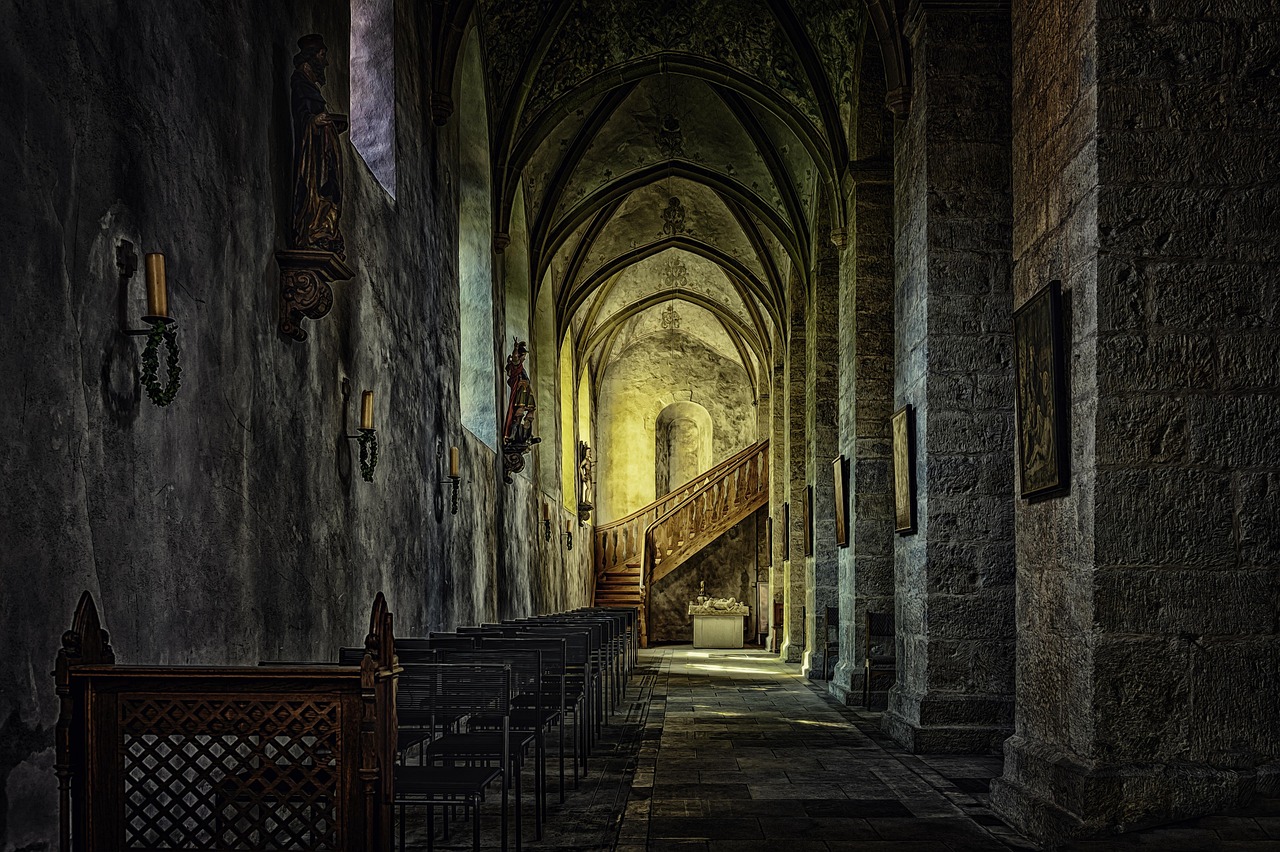
Walking through the narrow, winding streets of Stockholm’s Gamla Stan (Old Town), one encounters the heavy wooden doors of Zum Franziskaner. While the current building dates to 1906, the establishment was originally founded by German monks in 1421. It remains a testament to the Hanseatic influence on Swedish culture, blending the hearty, robust flavors of Germany with the delicate seafood traditions of Scandinavia.
The atmosphere is thick with the scent of hops and aged wood. It is the kind of place where the light filters in through stained glass, illuminating the patina of a thousand shared stories. The beer list is a particular point of pride, featuring independent brews that echo the artisanal spirit of the 15th-century monks who first broke bread here.
- Established Date: 1421
- Famous Guest: Generations of Swedish sailors and local poets.
- Must-Order Dish: Pickled herring platter served with sourdough and Västerbotten cheese.
3. La Tour d’Argent, Paris (1582)
Overlooking the Seine and the flying buttresses of Notre-Dame, La Tour d’Argent is perhaps the world's most poetic dining room. Founded in 1582, it served as a playground for King Henri IV and later became the gold standard for French fine dining. Its endurance is nothing short of miraculous; during World War II, the staff famously walled off parts of the wine cellar to hide their most precious vintages from the occupying forces.
Today, that cellar houses over 300,000 bottles with 15,000 different references, a subterranean cathedral of viticulture. The dining experience here is theatrical and steeped in ritual, most famously associated with its numbered ducks—a tradition that began in 1919.
- Established Date: 1582
- Famous Guest: Queen Elizabeth II, Franklin D. Roosevelt, Charlie Chaplin
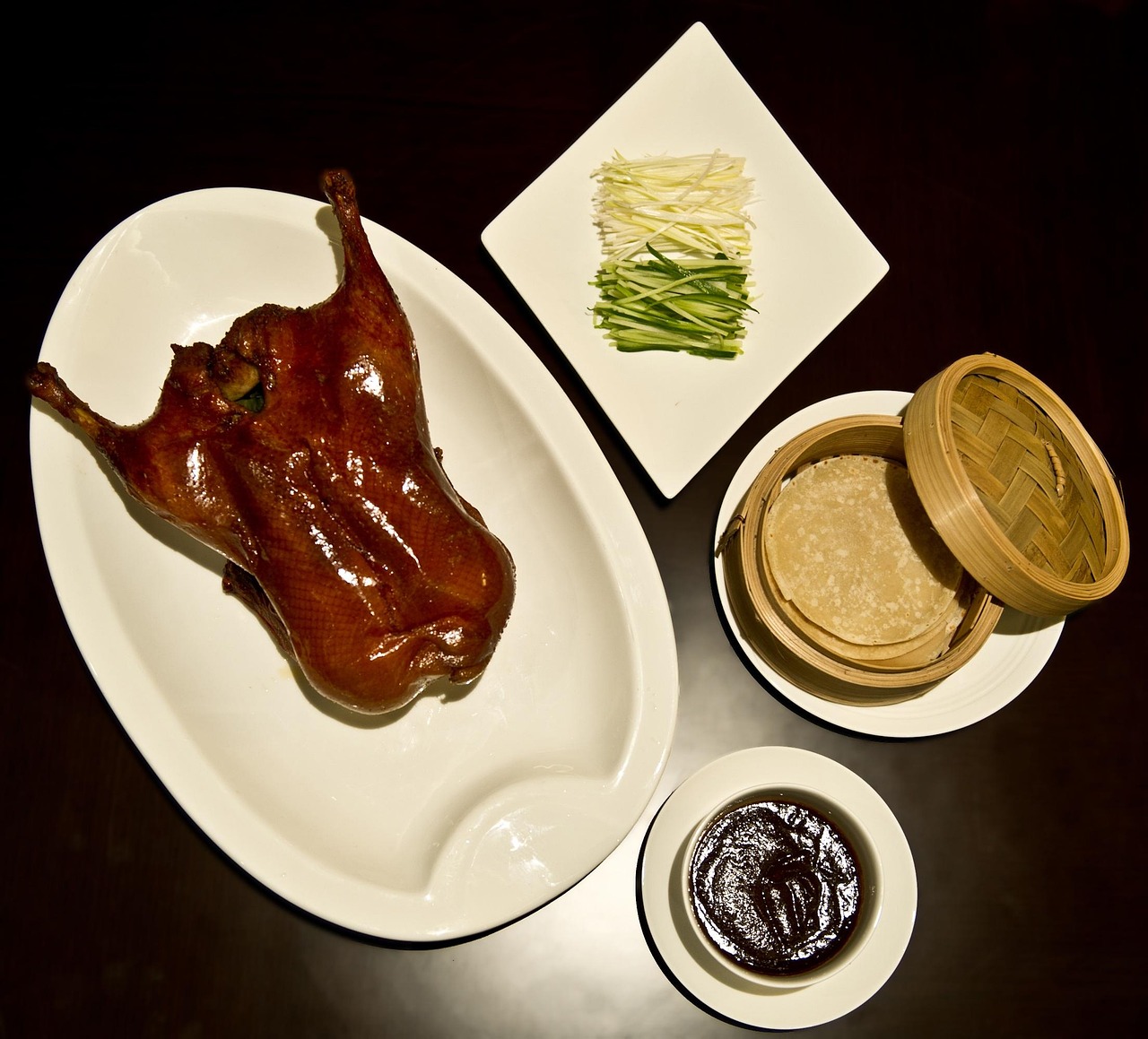
- Must-Order Dish: Caneton Tour d'Argent (Pressed Duck), which comes with a certificate indicating the duck’s unique serial number.
4. Zur Letzten Instanz, Berlin (1621)
The name translates to "The Last Instance," a nod to the nearby courthouse where litigants would often seek a different kind of justice in the form of a stiff drink. Opened in 1621, it is Berlin’s oldest tavern and one of the few structures in the city center to survive the devastating bombings of 1945. The interior is gloriously unpretentious, with tiled stoves and dark wood booths that have hosted everyone from Napoleon Bonaparte to Mikhail Gorbachev.
There is a profound sense of "Gemütlichkeit" here—a specifically German brand of coziness. As the wind whistles through the streets of Berlin, the warmth of the tavern’s kitchen, serving up heavy porcelain plates of roasted meats, offers a timeless sanctuary.
- Established Date: 1621
- Famous Guest: Napoleon Bonaparte, Ludwig van Beethoven
- Must-Order Dish: Half duck served with baked apple, red cabbage, and potato dumplings.
5. Restaurante Botín, Madrid (1725)
While St. Peter's may be older, Restaurante Botín holds the prestigious Guinness World Record for the oldest continuously operating restaurant in the world. It has never closed its doors, not even during the Spanish Civil War. The centerpiece of the kitchen is the original wood-burning oven from 1725, which has remained lit for nearly three centuries, its embers a literal link to the Bourbon era.
Ernest Hemingway was a regular here, famously immortalizing the restaurant in the final pages of The Sun Also Rises. Sitting in the basement dining room, with its low vaulted ceilings and dusty wine bottles, one can almost hear the ghost of Hemingway ordering another bottle of Rioja and a plate of crispy suckling pig.
- Established Date: 1725
- Famous Guest: Ernest Hemingway, Graham Greene, Francisco de Goya (who reportedly worked there as a waiter before becoming a painter).
- Must-Order Dish: Cochinillo Asado (Roast Suckling Pig), cooked in the 300-year-old oven.

6. Tavares Rico, Lisbon (1784)
Lisbon’s Tavares Rico is a shimmering jewel box of a restaurant. Opened in 1784, it represents the height of Enlightenment-era elegance. In 1861, the dining room was outfitted with ornate gilded mirrors and massive crystal chandeliers, creating a space so opulent it feels more like a royal ballroom than a commercial eatery.
The menu has evolved from its early days as a simple café into a high-concept temple of French-Portuguese fusion. Despite the grandeur, the service remains rooted in the traditional Portuguese spirit of hospitalidade, making it a favorite for Lisbon’s intelligentsia and social elite for over two centuries.
- Established Date: 1784
- Famous Guest: Eça de Queirós, Calouste Gulbenkian
- Must-Order Dish: The Iberian Ham tasting and the sea bass with champagne sauce.
7. Rules Restaurant, London (1798)
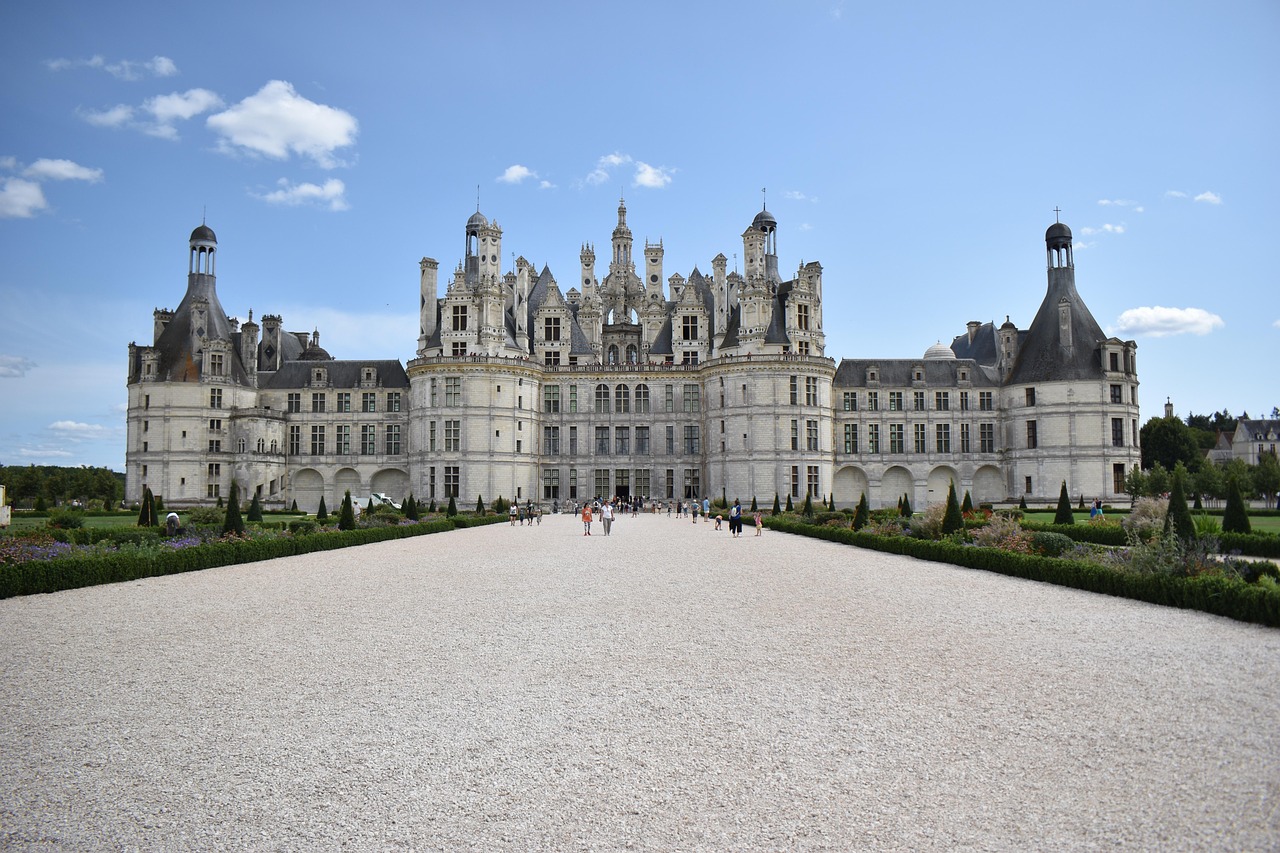
In the heart of Covent Garden, Rules stands as a bastion of Edwardian charm. Founded by Thomas Rule in 1798, it is the oldest restaurant in London. The walls are crowded with hundreds of drawings, paintings, and cartoons that trace the city's theatrical and literary history. It feels like a private club where the dress code is strictly "unhurried."
Rules specializes in classic British game, much of which comes from its own estate, Lartington Hall in the High Pennines. During the autumn months, the menu is a celebration of the moorlands, featuring grouse, pheasant, and woodcock served with all the traditional trimmings.
- Established Date: 1798
- Famous Guest: Charles Dickens, Laurence Olivier, Buster Keaton
- Must-Order Dish: Steak-and-kidney pudding and any of the seasonal game birds.
8. Griswold Inn, Essex, Connecticut (1776)
Opened the same year as the signing of the Declaration of Independence, the "Gris" is a quintessential piece of American history. Located in the picturesque maritime village of Essex, it served as a hub for Revolutionary War soldiers and later for the captains of the burgeoning American shipping industry.
The Tap Room is widely considered one of the most historic bars in America, featuring a stunning collection of maritime art and a pot-bellied stove that has warmed centuries of travelers. It is a place where the American spirit feels tangible, preserved in the creaking floorboards and the heavy scent of clam chowder.
- Established Date: 1776
- Famous Guest: George Washington (legendary), Albert Einstein, Katharine Hepburn
- Must-Order Dish: The "Revolutionary Roasts" or a bowl of traditional New England clam chowder.
9. Union Oyster House, Boston (1826)
On the historic Freedom Trail in Boston, the Union Oyster House stands as a National Historic Landmark. While it opened in 1826, the building itself dates back to the early 18th century. It is the oldest continuously operating restaurant in the United States, and its semi-circular oyster bar has been the site of countless political deals and cultural milestones.
One of its quirky claims to fame? It was the first place in America to use toothpicks. More importantly, it was a favorite haunt of John F. Kennedy; his favorite booth, #18, has been dedicated in his memory. To eat here is to taste the very origins of New England’s culinary identity, from the briny snap of a local oyster to the rich, creamy depths of the chowder.
- Established Date: 1826
- Famous Guest: John F. Kennedy, Daniel Webster, Leonardo DiCaprio
- Must-Order Dish: Freshly shucked local oysters and the world-famous clam chowder.

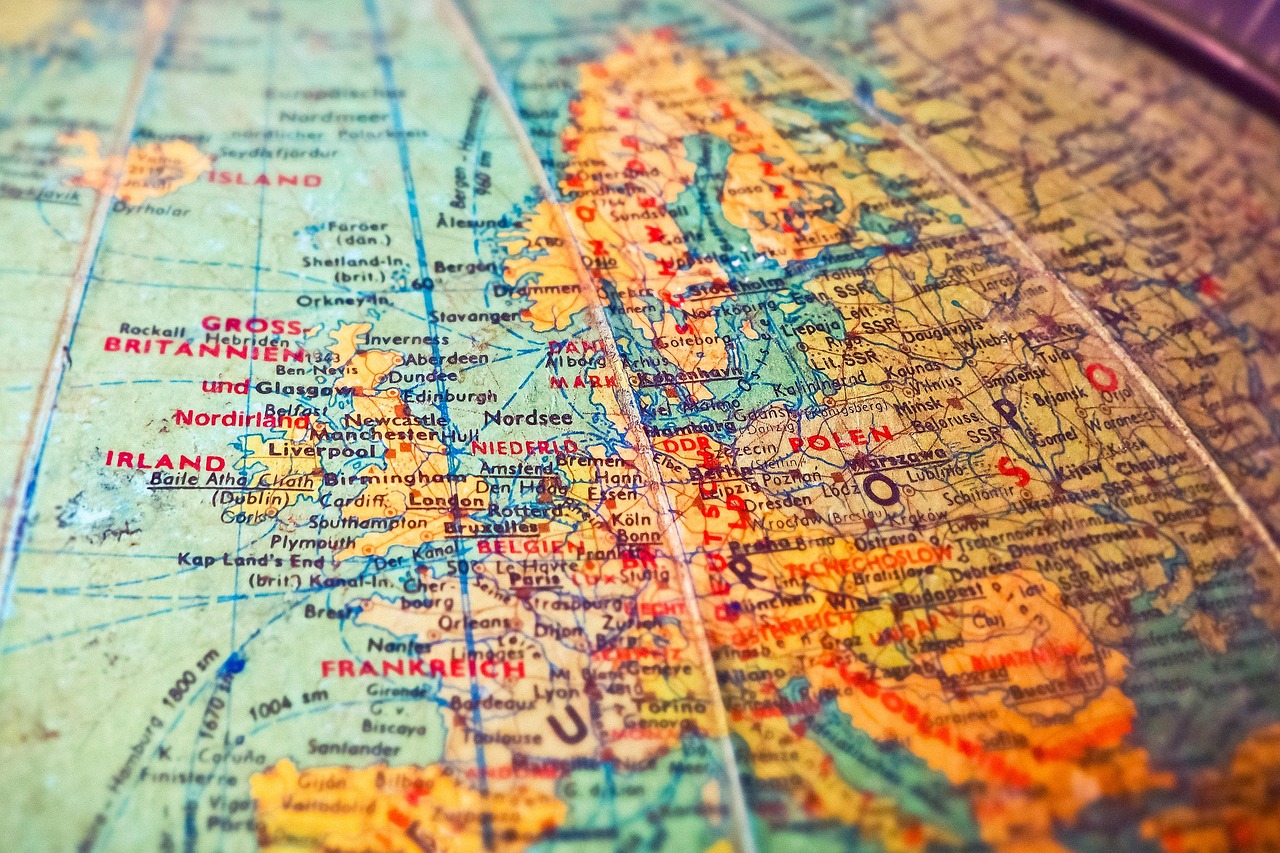
Planning Your Historic Food Tour: Mapping the Journey
Embarking on a tour of the world's oldest restaurants is more than a vacation; it is a pilgrimage. To truly appreciate these sites, one must travel with an eye for detail and a stomach prepared for indulgence.
- Timing Your Visit: If you’re heading to Salzburg’s St. Peter Stiftskulinarium, consider a winter visit. The abbey is magical under a blanket of snow, and the indoor stone chambers provide a cozy refuge. Conversely, Boston's Union Oyster House is best enjoyed in the crisp autumn air of New England, when the oysters are at their peak.
- Reservations: These are not your average walk-in spots. For Restaurante Botín or La Tour d’Argent, book months in advance. Mention if you are a history buff; sometimes the staff will share stories or show you a particular historical corner of the cellar.
- Dress Code: While some (like the Union Oyster House) are casual, others (like Tavares Rico or La Tour d’Argent) require a sense of occasion. Dressing up is a sign of respect for the centuries of tradition you are about to join.
Pro Tip: When visiting Rules in London, ask for a table in the "Charles Dickens" alcove. It’s tucked away and provides the perfect atmosphere for soaking in the Edwardian history.
| Restaurant | Location | Founded | Key Claim to Fame |
|---|---|---|---|
| St. Peter Stiftskulinarium | Salzburg, Austria | 803 AD | Oldest documented in the world |
| Zum Franziskaner | Stockholm, Sweden | 1421 | Monastic roots, oldest in Stockholm |
| La Tour d’Argent | Paris, France | 1582 | Iconic duck dishes, massive wine cellar |
| Zur Letzten Instanz | Berlin, Germany | 1621 | Berlin's oldest tavern |
| Restaurante Botín | Madrid, Spain | 1725 | Guinness Record for continuous operation |
| Tavares Rico | Lisbon, Portugal | 1784 | Gilded 19th-century interior |
| Rules Restaurant | London, UK | 1798 | Oldest in London, Edwardian style |
| Griswold Inn | Essex, CT, USA | 1776 | Revolutionary War era lodge |
| Union Oyster House | Boston, MA, USA | 1826 | Oldest continuously operating in the US |
FAQ
1. Is St. Peter Stiftskulinarium really over 1,200 years old? Yes. While the building has been renovated and expanded, its existence was first recorded in 803 AD. It has served as a place of hospitality within the abbey for over 1,200 years, making it the oldest dining establishment in Europe and likely the world.
2. Why is Restaurante Botín the Guinness World Record holder if St. Peter’s is older? The Guinness World Record specifically recognizes the "oldest continuously operating" restaurant. While St. Peter’s is older, it had periods where its function as a public restaurant was less clearly defined. Botín has operated under the same name and in the same building without interruption since 1725.
3. What makes the Union Oyster House a National Historic Landmark? Beyond its age, the Union Oyster House played a significant role in American history. It hosted notable figures of the Revolution, was the site where the first American toothpicks were popularized, and was a staple for the Kennedy family. Its architecture and continued use make it a vital piece of the American cultural fabric.
Are you ready to taste history? Whether you're planning a trip to the cobblestone streets of Madrid or the historic waterfront of Boston, these culinary landmarks offer an experience that transcends the meal itself.