In the evolving landscape of 2026, the most radical fashion statement isn't found in a shopping bag; it’s curated within the four walls of your own dressing room. As we shift toward "sticky style"—those instrumental, lasting changes that transcend fleeting micro-trends—the art of the wardrobe refresh has become an exercise in creativity rather than consumption.
1. The Ruthless Audit: Addition by Subtraction
Before we can reinvent, we must reveal. Most of us operate within a "style fog," blinded by the filler items that occupy 80% of our closet space but offer zero emotional or aesthetic utility. The 2026 reset begins with a 30-minute ruthless edit. By removing the noise, you allow your true sartorial patterns to emerge.
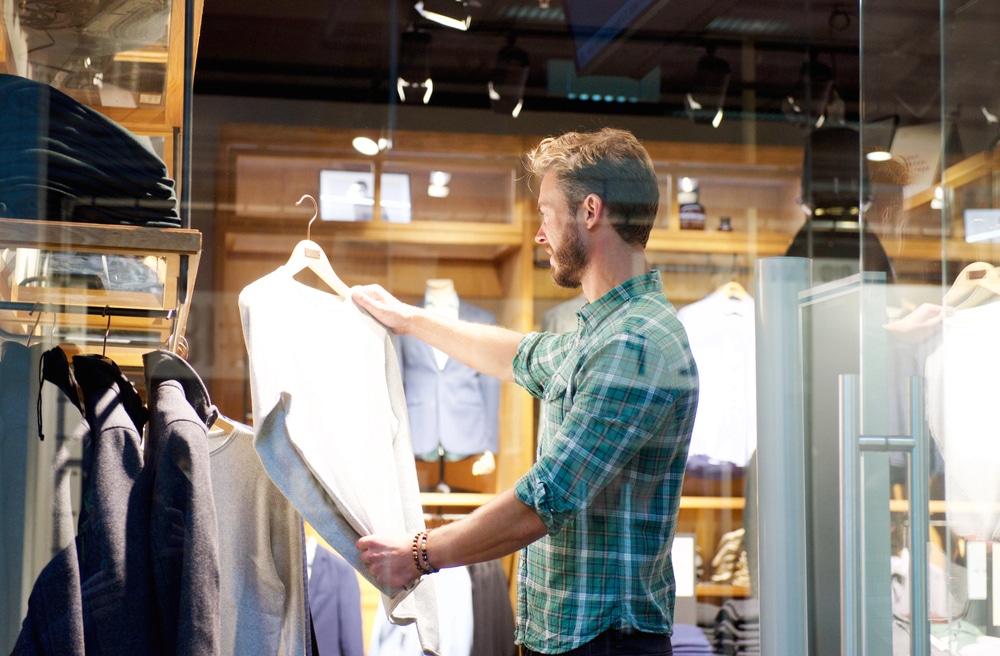
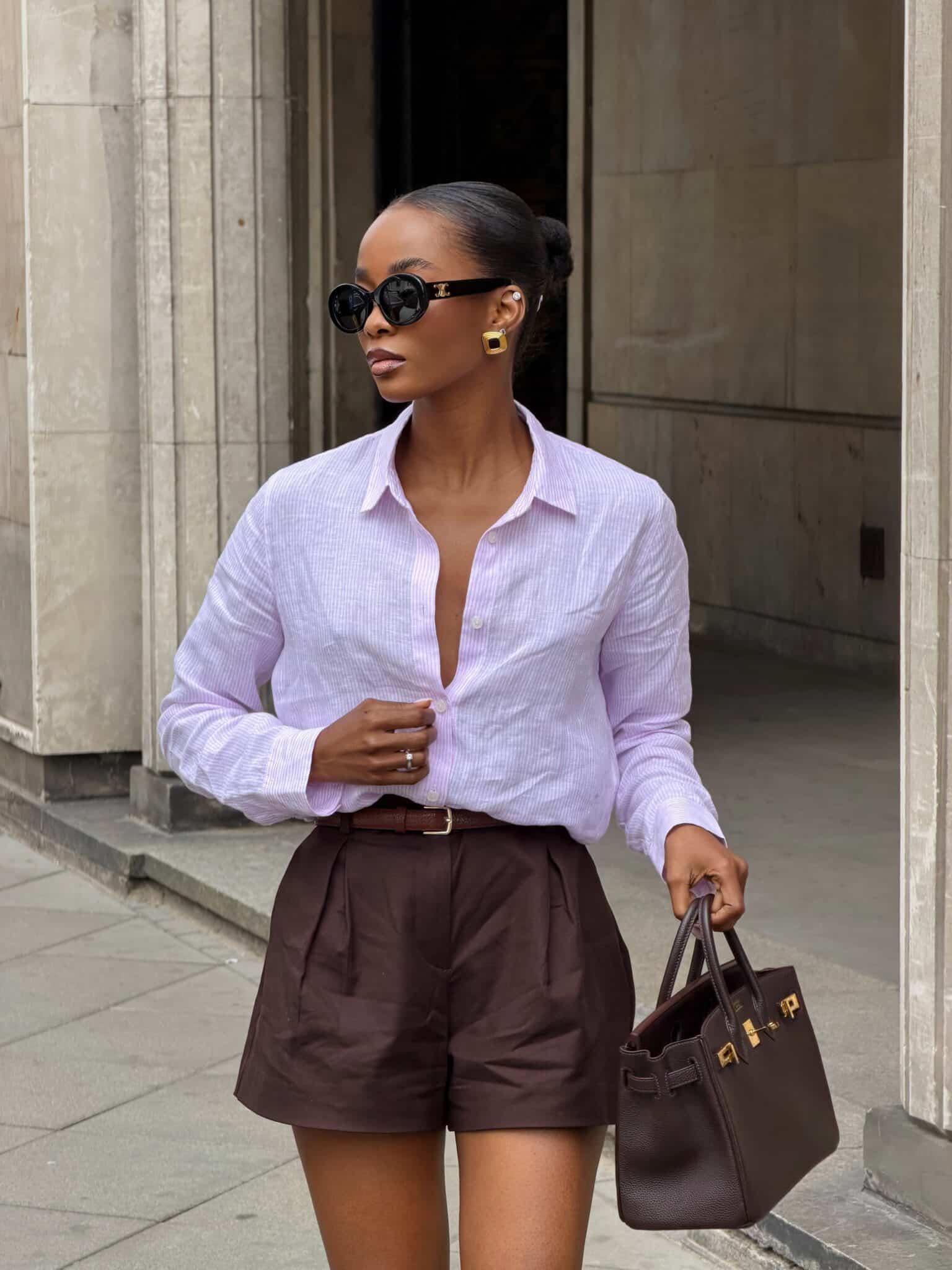
This visual anchor captures the essence of a conscious wardrobe. Notice the lean toward high-quality textures and a neutral palette—this is the foundation of 'quiet luxury' that persists into 2026. The styling here isn't loud; it’s intentional. By isolating these core pieces, you aren't just cleaning; you're identifying your personal uniform. This minimalist approach allows a well-loved knit or a perfectly draped trouser to take center stage, proving that a refined silhouette is far more impactful than a crowded rack of trend-chasing garments.
Pro Tips for the Audit:
- The 30-Minute Sprint: Focus on one category at a time (e.g., knitwear) to avoid decision fatigue.
- Identify the 'Sticky' Pieces: Keep items that have survived three different style phases of your life.
- The Hanger Trick: Turn all hangers backward; once you wear an item, flip the hanger. After three months, the backward hangers tell the truth about what you don’t need.
2. Focus on Fit: The Tailor is Your Best Friend
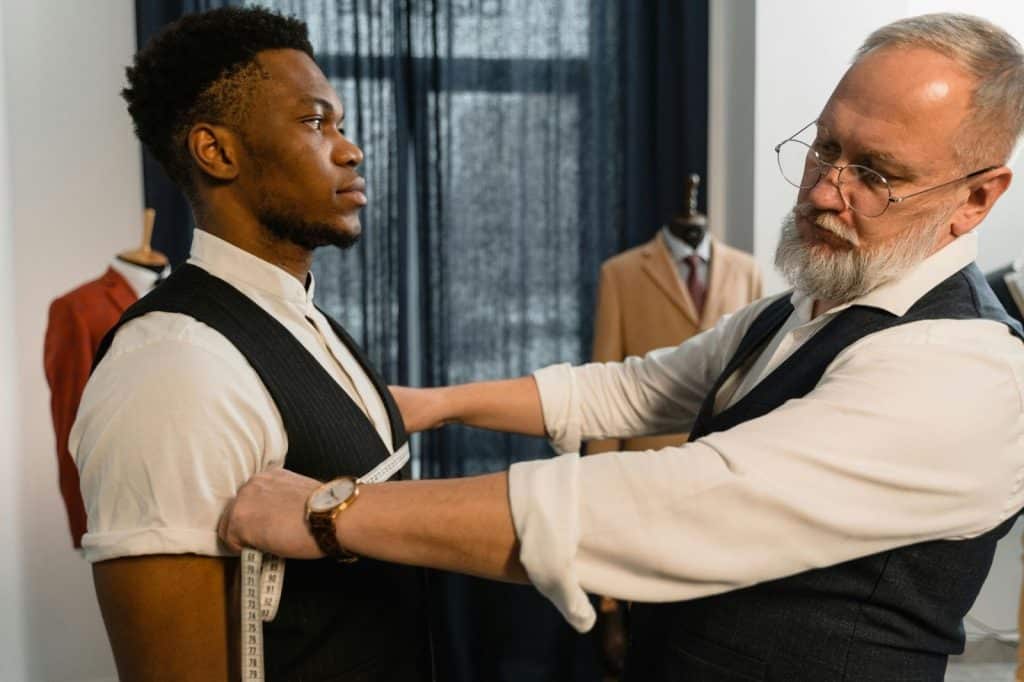
Sustainability is often discussed in terms of fabrics, but the "utility lifecycle" of a garment is primarily dictated by fit. A minor alteration—shortening a hem by an inch or taking in the waist of a vintage blazer—can extend a garment’s life by an average of 3.5 years. In 2026, we are moving away from the "disposable fit" of fast fashion toward bespoke adjustments.
Styling Formulas:
- The Conservative Crop: Take an old, oversized button-down and have it cropped to hit exactly at your natural waist. Pair with high-waisted trousers you already own for a modern, architectural silhouette.
- The Tapered Edge: Turn those dated wide-leg jeans into a sophisticated barrel fit. It refreshes the vibe without a single new purchase.
3. The 'One Change' Rule
Updating your look doesn't require a total overhaul. The 'One Change' rule dictates that by modifying a single styling gesture—an accessory, a tuck, or a fold—you can pivot the entire energy of an outfit. This is where your sartorial edge is sharpened.
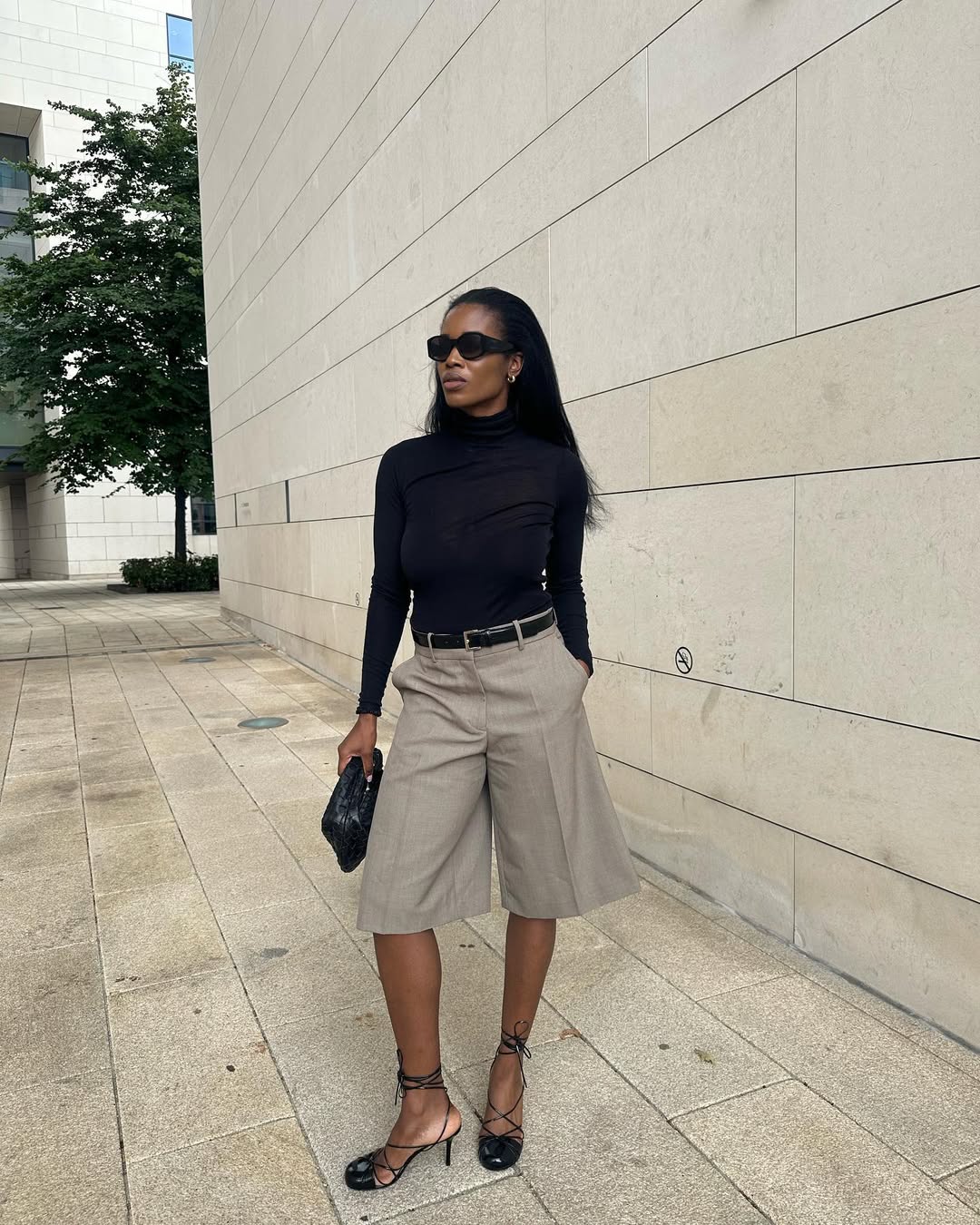
In this detail-oriented shot, we see the power of the "shrug play"—using a sweater not as a garment, but as an accessory. This adds immediate texture and dimension to a basic base layer. The focus on personal grooming, like a pop-of-color manicure or a sculptural gold ring, acts as a focal point that draws the eye. This styling hack is perfect for transitioning from a day of remote work to an evening gallery opening. It’s about using the items you have in "incorrect" ways to create a fresh, high-low aesthetic.
Pro Tips for the 'One Change' Rule:
- The Unexpected Shoe: Wear your most formal pointed-toe flats with your most casual distressed denim.
- Hardware Swap: Replace the plastic buttons on an old cardigan with vintage brass or oversized pearl buttons.
- The Belted Layer: Take a blazer you’ve worn a hundred times and cinch it with a leather belt over a silk slip dress.
4. Upgrade the 'Tone-Setters'
Every wardrobe has "Tone-Setters"—the foundational pieces that dictate the mood of an entire ensemble. In 2026, we prioritize the maintenance of these pieces. A structured blazer or a sharp coat can make a five-year-old white T-shirt look like a deliberate fashion choice.
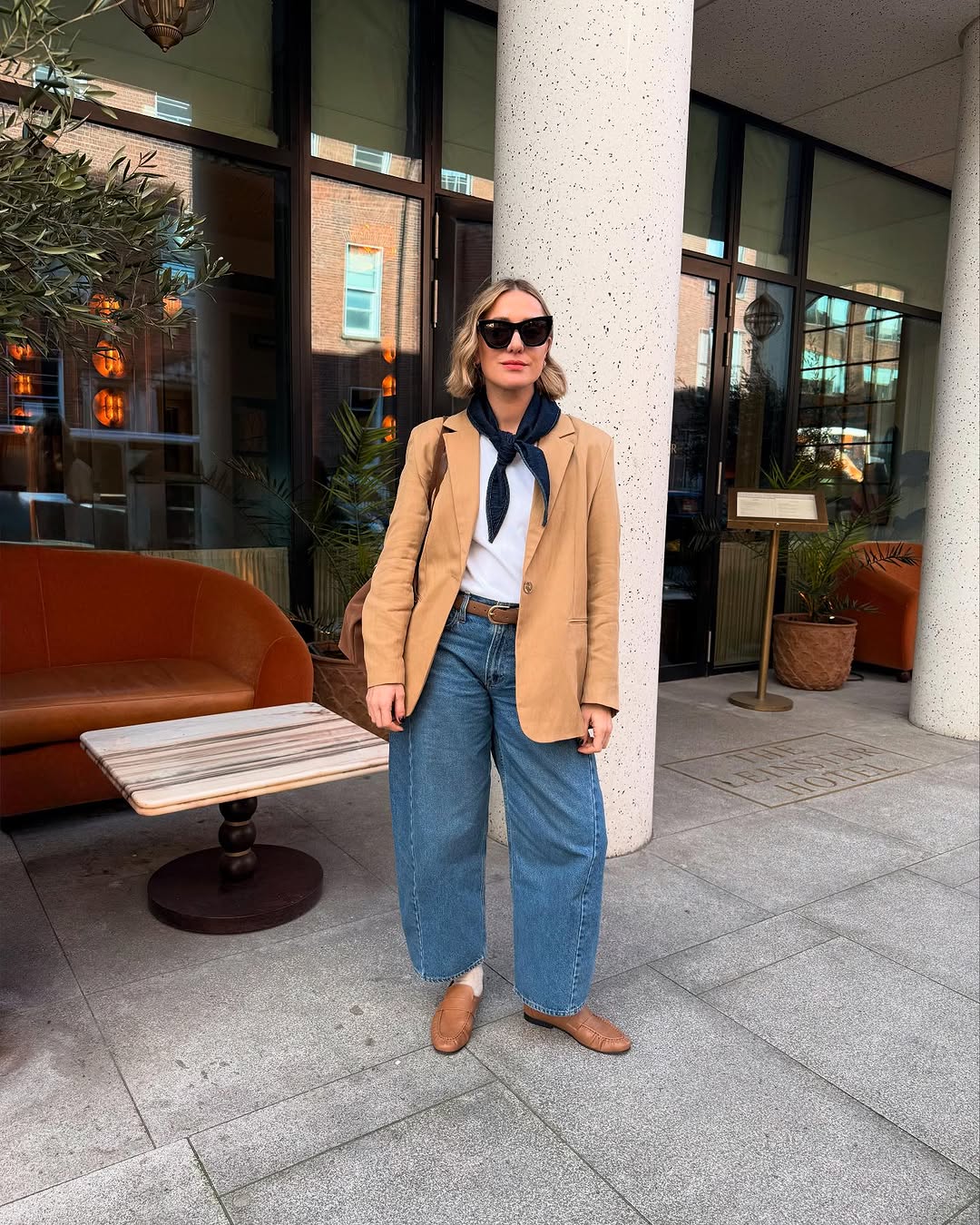
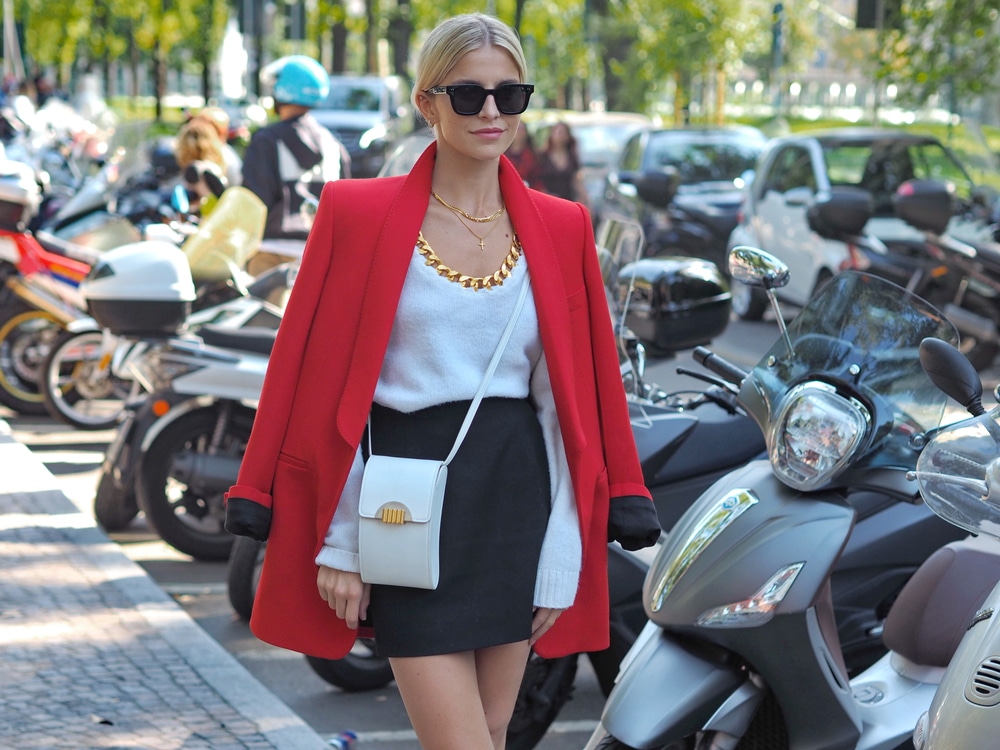
The tailoring shown here exemplifies the 'sartorial edge' we strive for. The sharp lines and structured shoulders provide a frame for the body, lending an air of authority and sophistication to even the simplest outfit. Notice how the neutral tone allows for infinite pairings within an existing wardrobe. This is a masterclass in 'sticky style'—investing time into steaming, de-pilling, and maintaining these structured pieces ensures that your silhouette remains crisp and intentional, regardless of how many seasons the clothes have seen.
Pro Tips for Tone-Setters:
- The Steam Treatment: Never underestimate the power of a professional steam. It restores the "memory" of the fabric's drape.
- Shoe Restoration: Take your favorite boots to a cobbler for a deep clean and re-sole. It’s a fraction of the cost of new shoes and significantly better for the planet.
5. Shop Your Closet: The 3-3-3 Challenge
The "3-3-3 Challenge" is the ultimate creative exercise for the conscious stylist: choose 3 tops, 3 bottoms, and 3 pairs of shoes, and see how many unique outfits you can create over a week. This forces you to move past your "default" pairings and discover new formulas.
2026 Styling Formulas:
- Volume Play: A fitted, ribbed tank (Top 1) + a voluminous maxi skirt (Bottom 1) + sleek loafers (Shoe 1).
- The New Suit: An oversized blazer worn as a top (Top 2) + matching tailored shorts (Bottom 2) + knee-high boots (Shoe 2).
6. Community Curation: The Clothing Swap
If you truly feel something is missing, don't look to the mall—look to your circle. The clothing swap has evolved into a sophisticated social event. It’s about the "new-to-you" thrill without the ecological footprint.
- How to Host: Invite five friends with similar style sensibilities. Ask everyone to bring 5-10 high-quality items they no longer wear.
- The Social Benefit: You get to hear the stories behind the clothes, giving the items a new layer of emotional value.
- The Exit Plan: Ensure any items left over are donated to local ethical charities or textile recycling programs.
Style in 2026 is no longer about what you can acquire; it is about who you are and how you express that identity through curation. By embracing these sustainable styling hacks, you transform your wardrobe from a collection of "stuff" into a reflection of your values.
What is your 2026 style goal? Share your journey toward a more conscious wardrobe below.