The 2024 Rolex Market: A New Era of Stability
In the realm of high-end horology, a Rolex is more than a timepiece; it is a portable, liquid asset. As we navigate 2024, the secondary market has shifted from the "speculative fever" of previous years toward a sophisticated "new normalcy." Rolex currently commands a staggering 64.3% market share in the secondary luxury sector, outperforming traditional equity markets in terms of long-term stability. For the discerning investor, 'Investment-Grade' now translates to a strategic balance of heritage, scarcity, and daily utility.
The Reliable Entry: The Blue Submariner & Urban Versatility
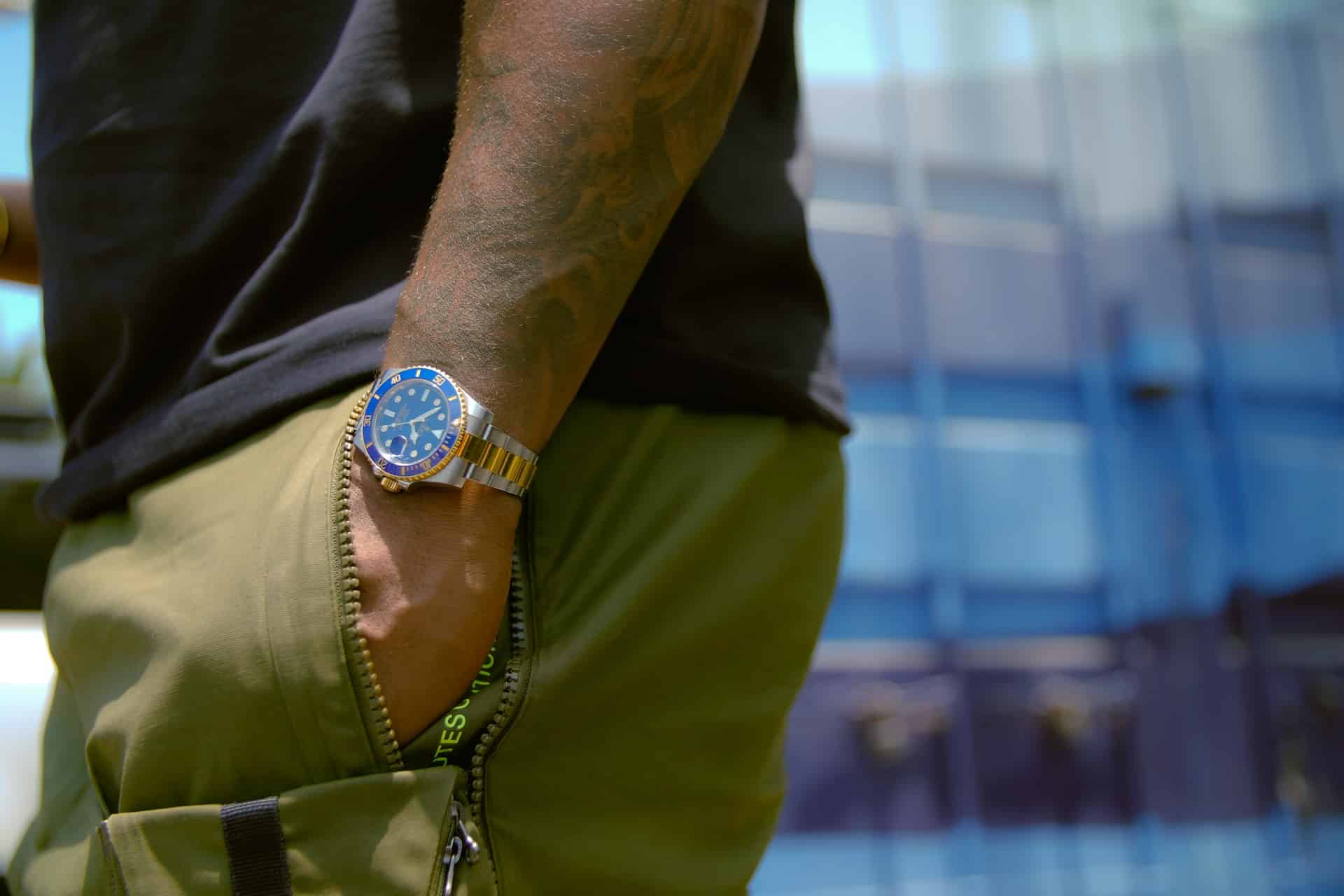
For the burgeoning collector, the Submariner remains the quintessential entry point. While the black-on-black remains a staple, the blue-dial variations have carved out a specific niche in the €10,000 to €20,000 category. These pieces offer a unique "lifestyle liquidity"—they are as easily traded as they are worn.
Investor Insight: The Entry-Level Play
- Reference Focus: The Submariner Date.
- Market Trend: Blue dials are increasingly viewed as a "neutral alternative," maintaining high demand across European and Asian markets.
- Style Tip: Pair the vibrant blue dial with muted tones—relaxed black t-shirts and olive cargo pants—to let the watch act as the singular focal point of a luxury-utilitarian ensemble.
The Modern Classic: The 'Kermit' & Professional Prestige
If the standard Submariner is the foundation, the Reference 126610LV—affectionately known as the "Kermit"—is the growth engine. This model bridges the gap between professional tool watches and collector-grade rarities. With a current secondary market premium of approximately 38%, it represents the intersection of brand prestige and supply-side scarcity.

Style & Portfolio Analysis The 126610LV is the ultimate "power watch" for the modern executive. The green Cerachrom bezel offers a subtle nod to Rolex’s corporate identity, signaling an insider's knowledge of reference history.
- The Waitlist Reality: Expect a 3 to 24-month wait at authorized dealers, which continues to insulate secondary market prices from depreciation.
- Sartorial Pairing: Best complemented by a bespoke navy suit. The green bezel provides a sophisticated chromatic contrast that suggests both professional authority and creative flair.
The Legend of Scarcity: The Daytona & GMT-Master II
No investment guide is complete without the "Holy Trinity" of Rolex sports models: the Daytona and the GMT-Master II. The Cosmograph Daytona, particularly the 'Panda' dial, continues to defy market gravity with a secondary market premium often exceeding 130%.
Meanwhile, the GMT-Master II 'Pepsi' (Ref. 126710BLRO) remains one of the most difficult pieces to acquire at retail. With a 2-to-8-year VIP waitlist, its 107% premium on the secondary market is a testament to its status as a "hard asset." These models are the blue-chip stocks of the watch world—high entry cost, but unparalleled liquidity.
The High-Net-Worth Choice: Precious Metals & Heritage
As market volatility impacts speculative assets, high-net-worth individuals are returning to the "Gold Standard." Gold Rolex models—particularly the Day-Date and the gold Daytona—account for 17.1% of purchases among collectors aged 60 and over. In 2024, precious metals are viewed as a hedge against currency devaluation, combining the intrinsic value of gold with the brand equity of Rolex.

The Heritage Portfolio
- Asset Performance: While steel models fluctuate with "hype," gold pieces offer a more linear value appreciation over decades.
- Refined Aesthetics: The image of a gold timepiece adjusted against a crisp French cuff and classic suspenders evokes a timeless "Old Money" aesthetic. It is a declaration of wealth that is felt rather than shouted.
The Growth Dark Horse: Why the Datejust is Winning in 2024
Perhaps the most surprising trend of 2024 is the resurgence of the Datejust. Often overlooked as a "standard" model, eight specific Datejust variations saw over 10% growth this year alone. This movement is driven largely by Gen Z collectors, who now hold a 37% share of the Datejust market. With its endless dial variations (from Wimbledon to Palm motifs), the Datejust offers the personalization that younger investors crave without sacrificing the security of the Rolex crown.
Closing: Building Your Horological Portfolio
Investing in Rolex in 2024 requires a disciplined approach. Condition is paramount, but documentation—the original box and papers—can add a 15-20% margin to your eventual exit price. As a Luxury Editor, my final takeaway is this: 2024 is the year of the 'Stable Asset.' Whether you are eyeing a Submariner for its urban versatility or a gold Daytona for wealth preservation, ensure your source is reputable. In a market this nuanced, the provenance of the seller is as important as the reference number on the case.