Quick Facts
If you are seeking a journey that transcends traditional luxury, British Columbia’s Indigenous-owned lodges offer a profound connection to the land and its original stewards. Before diving into the mist-shrouded fjords and ancient cedar forests, here are the essential takeaways for planning your retreat:
- Top Destinations: The most immersive experiences are found at Klahoose Wilderness Resort, Nemiah Valley Lodge, The Cabins at Haida House, and Knight Inlet Lodge.
- Signature Experience: Indigenous-led grizzly bear viewing is a cornerstone of these stays, particularly at Knight Inlet Lodge and Klahoose Wilderness Resort, where local First Nations stewards guide visitors through traditional territories.
- Investment: A typical three-night all-inclusive package at a luxury Indigenous wilderness lodge ranges between $1,500 and $2,500, covering sea-to-table dining, guided cultural outings, and remote accommodations.
- Best Time to Visit: For those seeking the spectacle of the salmon run and peak grizzly activity, plan your journey between late August and mid-October.
- Core Philosophy: These lodges operate on the principles of sovereign eco-tourism, where conservation and cultural revitalisation are as important as the guest experience.
The Dawn of a New Narrative in British Columbia
There is a specific kind of silence found only in the Great Bear Rainforest—a heavy, damp quiet that smells of crushed hemlock needles and salt air. For decades, travelers came to British Columbia to see the "wildlife" as if it were a gallery exhibit. Today, a seismic shift is occurring. Led by the 204 First Nations communities across the province, tourism has transformed from a passive observation into a profound cultural exchange.
Traveling with Indigenous-led operators isn't just about finding a beautiful place to sleep; it’s about participating in a legacy of stewardship. When you step off a floatplane onto a cedar dock, you aren't just a tourist; you are a guest in a territory where the history is etched into the very grain of the longhouses. From the rugged coastlines of Haida Gwaii to the sun-drenched canyons of the Chilcotin, these lodges represent the gold standard of authentic Indigenous tourism in British Columbia.
Knight Inlet Lodge: A Benchmark for Sovereign Eco-Tourism
Floating in the turquoise depths of Glendale Cove, Knight Inlet Lodge is more than a world-class wildlife destination; it is a testament to the Da’naxda’xw Awaetlala First Nation’s sovereignty. As the first 100% Indigenous-owned lodge of its kind in the Great Bear Rainforest, it has set a benchmark for how conservation and tourism can coexist.
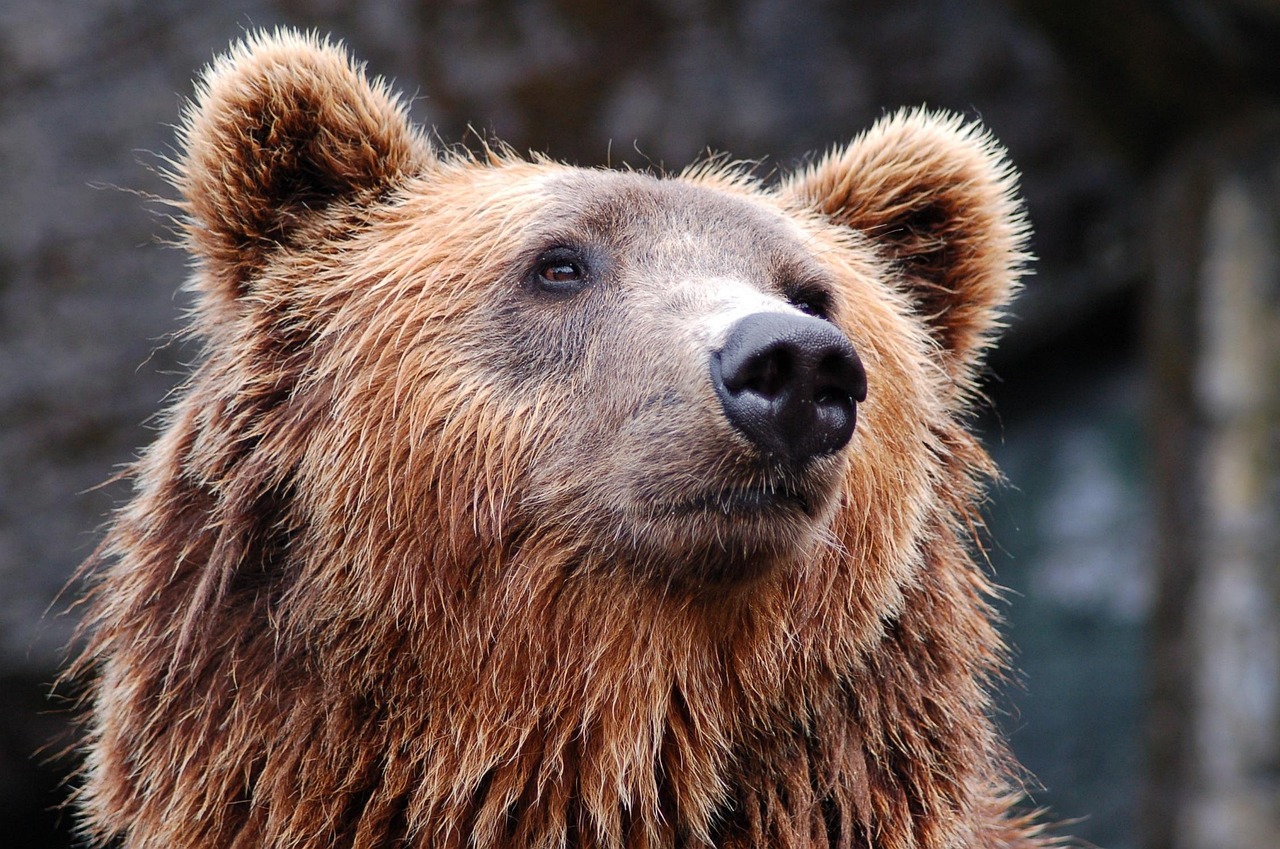
The experience here is dictated by the seasons. In the spring, guests board small boats to watch grizzlies emerge from hibernation to forage for succulent sedge grasses along the shoreline. By autumn, the atmosphere shifts. The air grows crisp, and the river turns silver with spawning salmon. From the safety of elevated viewing platforms, you can watch the apex predators of the coast participate in an ancestral ritual that has sustained this ecosystem for millennia.
Perhaps the most significant aspect of a stay here is the "Conservation Credential." The Da’naxda’xw Awaetlala were instrumental in banning trophy hunting in the region, and every guest pays a mandatory $25 conservation fee that goes directly back into protecting the habitat. It is travel as an act of restoration.
| Feature | Details |
|---|---|
| First Nation Ownership | Da’naxda’xw Awaetlala First Nation |
| Primary Wildlife | Grizzly Bears, Orcas, Bald Eagles |
| Best For | Wildlife photographers and conservation enthusiasts |
| Starting Price | Approx. $2,300 (3-night all-inclusive) |
Klahoose Wilderness Resort: Off-the-Grid Luxury in Desolation Sound
To reach Klahoose Wilderness Resort, one must surrender to the pace of the Pacific. Accessible only by sea or air, this sanctuary in Toba Inlet is where the Klahoose First Nation invites guests into their traditional territory. The arrival itself is a ceremony; often, the sound of a traditional welcome song and the steady beat of a deer-hide drum greet you before your feet even touch the wood of the pier.
The resort is an intimate affair, housing only a handful of guests in a timber-framed lodge that feels like a private home. Days are spent on the water, tracking the spray of humpback whales or the dorsal fins of transient orcas. On land, the focus shifts to the tactile. Under the guidance of Klahoose elders, you might find yourself weaving strips of cedar bark, the material’s sweet, earthy scent lingering on your fingers long after the afternoon is over.
At Klahoose, the "wilderness" isn't a separate entity—it is a relative. The guides speak of the trees and the tides with a familiarity that transforms your understanding of the landscape.
Cultural Etiquette Tip: When visiting Indigenous territories, it is often requested that guests refrain from wearing strong synthetic perfumes or colognes. This is partly out of respect for the heightened senses of the wildlife, particularly bears, and partly to honor the natural "scent-scape" of the rainforest.
| Feature | Details |
|---|---|
| First Nation Ownership | Klahoose First Nation |
| Primary Wildlife | Grizzly Bears (Fall), Whales, Porpoises |
| Cultural Activity | Cedar weaving, storytelling, forest walks |
| Starting Price | $1,920 (3-night all-inclusive) |
Nemiah Valley Lodge: Cultural Rejuvenation in Chilcotin Country
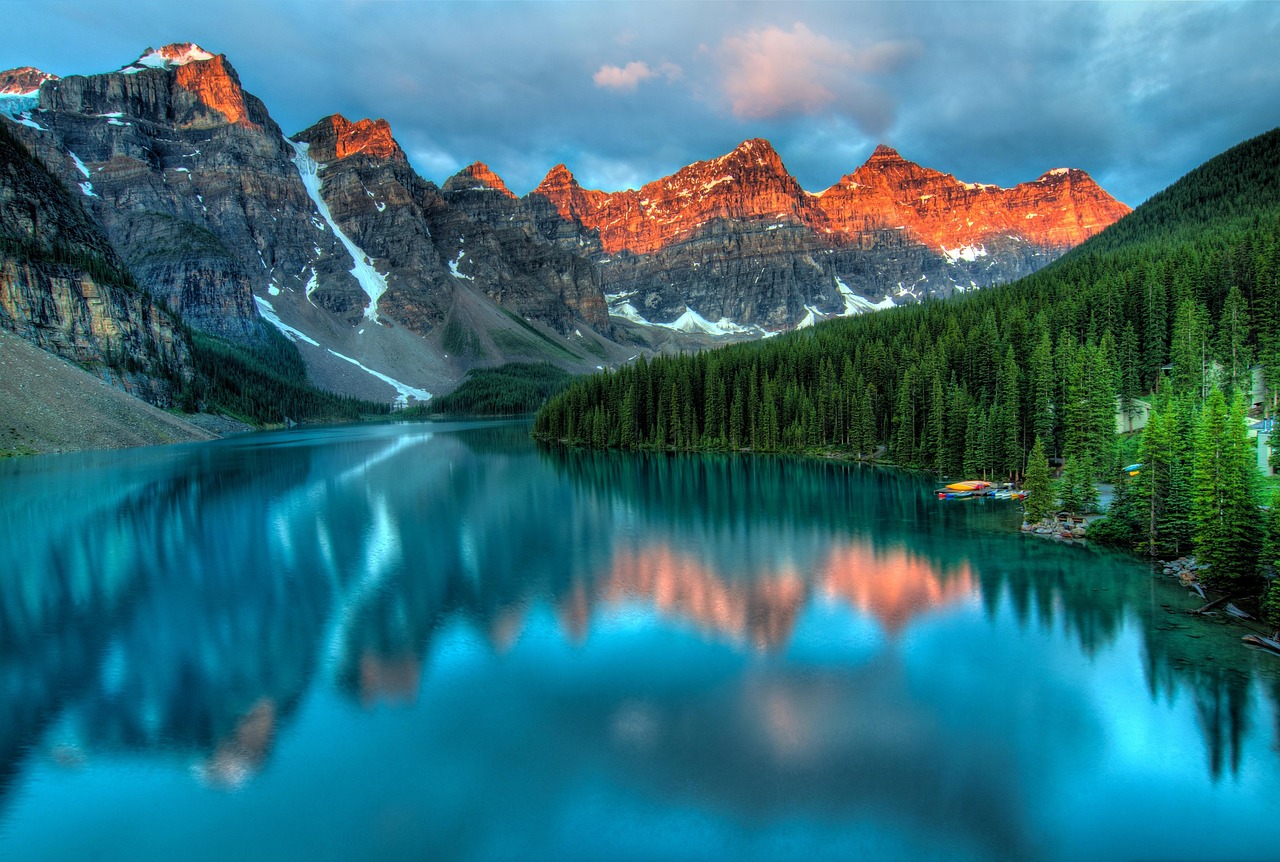
While the coast offers the drama of the ocean, the interior of British Columbia holds a different kind of magic. Nemiah Valley Lodge, owned by the Xeni Gwet’in and Tŝilhqot’in First Nations, sits in a high-alpine valley where wild horses still roam free against the backdrop of the Coast Mountains.
The culinary program here is a highlight for any food-focused traveler. Indigenous Chef Ben Genaille has crafted a menu that is a love letter to the land. Imagine a dinner of slow-braised elk, tender enough to pull apart with a fork, served with foraged berries and a warm, nutty piece of bannock. The flavors are deep, gamey, and undeniably local.
Beyond the plate, the lodge offers a "spiritual bath" in the form of smudging ceremonies. The scent of burning sage and sweetgrass fills the air as you are invited to cleanse your mind of the "noise" of modern life. It is a place for drumming, beading, and listening to stories of the Tŝilhqot’in warriors who fought to protect this valley.
| Feature | Details |
|---|---|
| First Nation Ownership | Xeni Gwet’in & Tŝilhqot’in |
| Primary Wildlife | Wild Qayus (Horses), Black Bears, Deer |
| Signature Dish | Locally sourced Elk and Venison |
| Starting Price | $1,500 (3-night all-inclusive) |
The Cabins at Haida House: Longhouse-Inspired Architecture
Haida Gwaii has long been referred to as the "Galapagos of the North," but for the Haida people, it is simply Xhaaidlagha Gwaayaai—the Islands at the Edge of the World. The Cabins at Haida House on Graham Island provide a gateway into one of the most sophisticated cultures on the planet.
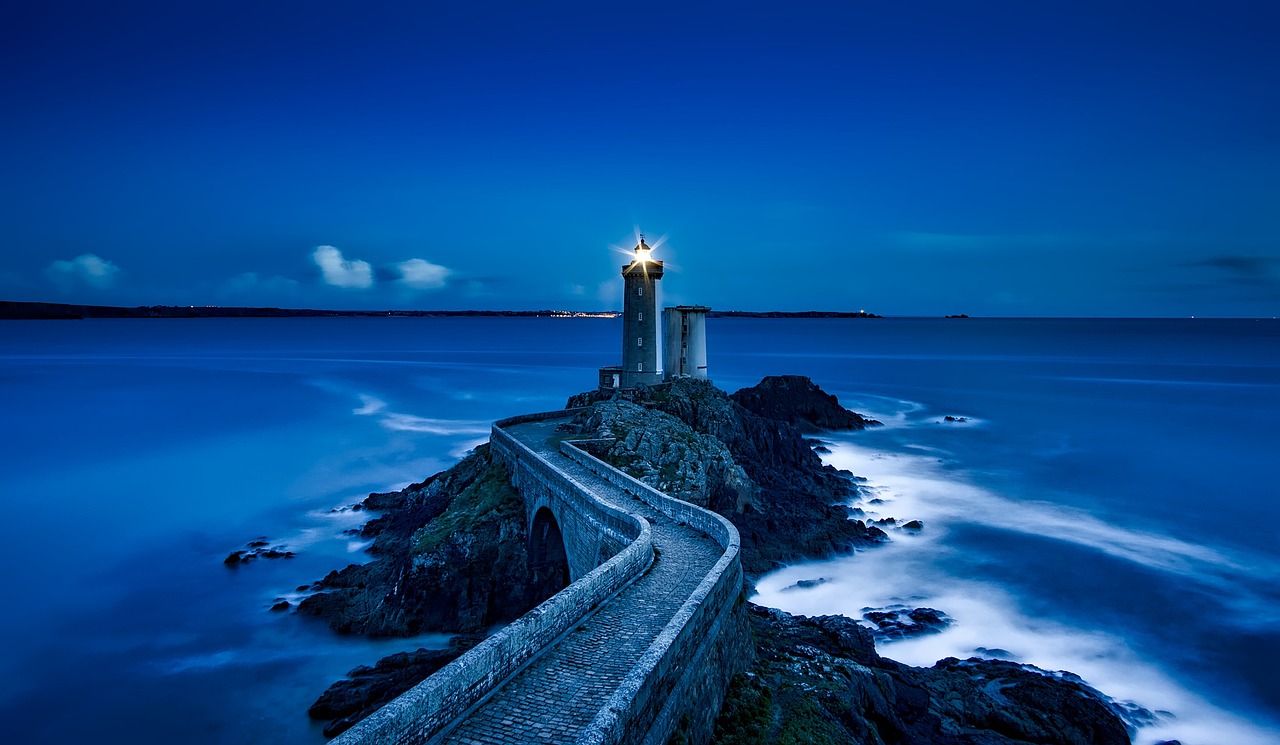
A recent expansion has added 12 new ocean-view cedar cabins, each designed with the soaring lines of a traditional Haida longhouse. From your private deck, you can watch the fog roll off the Hecate Strait, a view that has inspired Haida artists for generations.
A stay here isn't complete without a Zodiac excursion to the ancient village sites. Walking among the weathered remains of totem poles, slowly being reclaimed by the moss and the tide, is a hauntingly beautiful experience. Back at the lodge, guests are encouraged to visit local artist studios, where the intricate formline art of the Haida—carved in argillite or painted on drums—continues to evolve.
| Feature | Details |
|---|---|
| First Nation Ownership | Haida Nation (Tlell) |
| Primary Wildlife | Sitka Deer, Bald Eagles, Marine Life |
| Architecture | Longhouse-inspired luxury cedar cabins |
| Starting Price | $2,500 (3-night all-inclusive) |
Beyond the Lodge: Cultural Urban Stops in Vancouver and Whistler
While the remote lodges offer deep immersion, the journey often begins or ends in British Columbia’s urban centers, which are themselves vibrant hubs of Indigenous culture.
In Vancouver, a meal at Salmon n’ Bannock Bistro is essential. As the city’s only 100% Indigenous-owned restaurant, it serves up "Modern Coast Salish" cuisine. Don't miss the signature "Bison Pot Roast" or the salmon mousse served with traditional frybread. It is a sensory introduction to the flavors you will encounter in the wild.
For those heading toward the mountains, the Squamish Lil’wat Cultural Centre in Whistler is a stunning piece of architecture that houses the shared history of two distinct nations. To see the pinnacle of Northwest Coast artistry, a visit to the Bill Reid Gallery of Northwest Coast Indigenous Art in downtown Vancouver is a must. The intricate gold jewelry and monumental sculptures reflect a culture that is both ancient and fiercely contemporary.
Planning Your Journey: Seasonality and Costs
Embarking on a cultural wilderness retreat requires more planning than a standard resort stay, primarily due to the seasonal nature of the wildlife and the remote locations.
- Cost Considerations: A luxury Indigenous lodge stay is an investment in both your experience and the local community. Packages generally range from $1,500 to $2,500 for three nights. This almost always includes floatplane or boat transfers from the nearest hub, all meals prepared by top-tier chefs, and expert-led cultural and wildlife tours.
- Best Time for Grizzlies: If your primary goal is to see grizzly bears feasting on salmon, the window of late August through October is unrivaled. For lush greens and bear viewing from boats (as they forage on the shore), the spring months of May and June are ideal.
- The Ethical Traveler's Pledge: Many of these lodges encourage guests to adopt the "7 Affirmations for 7 Generations." This mindset asks travelers to consider how their presence affects the land not just today, but for the seven generations that will follow.
Explore More Indigenous-Led Experiences in BC →
FAQ
Are these lodges suitable for families? Yes, most lodges welcome families, though some have age restrictions for specific wildlife tours (like grizzly viewing) due to safety regulations. Klahoose and Haida House are particularly family-friendly, offering a mix of educational and outdoor activities that appeal to all ages.
Do I need to book far in advance? Absolutely. Due to their remote locations and limited capacity (often fewer than 20 guests at a time), these lodges frequently sell out 12 to 18 months in advance, especially for the peak salmon run season in September.
How do these lodges support local communities? Beyond providing employment, these lodges are often 100% owned by the First Nations on whose territory they sit. Profits are reinvested into community programs, language revitalization, and environmental conservation projects, ensuring that tourism supports the long-term sovereignty of the Nation.
Book Your Cultural Retreat
The wilderness of British Columbia is calling, but it is the stories of the people who have lived here since time immemorial that will stay with you long after you return home. Whether you are watching a grizzly bear navigate a rushing river or sharing a meal of cedar-plank salmon under a canopy of stars, these Indigenous-owned lodges offer a journey that is as much about the soul as it is about the scenery.