Quick Facts
- Arrival Time: Passengers typically arrive just 20 to 30 minutes before departure, bypassing traditional TSA checkpoints and long terminal walks.
- The Hub Factor: Semi-private carriers utilize Fixed-Base Operators (FBOs) or private terminals, significantly reducing the "curb-to-seat" time compared to commercial hubs.
- Pricing Model: Unlike full chartering, which requires booking the entire aircraft, semi-private allows travelers to purchase individual seats on scheduled routes, often at prices comparable to last-minute commercial business class.
- Accessibility: By utilizing smaller regional airports, semi-private flights can land closer to final destinations like Napa, Aspen, or St. Barths, which are often inaccessible to large commercial jets.
The New Era of Aviation: From Indulgence to Strategy
For decades, the image of private aviation was synonymous with the billionaire class—an indulgence of champagne and leather-clad excess. However, as we move through 2025, a fundamental shift has occurred. Travel is no longer just about the destination; it is about the strategic preservation of one’s most valuable asset: time. The post-pandemic landscape has left commercial air travel fraught with delays, staffing shortages, and a "hub-and-spoke" system that often feels broken. In response, travelers are flocking to a middle ground that provides the efficiency of a private jet with the scheduled reliability of an airline.
The data supports this migration. Global private jet activity has shown remarkable resilience, with U.S. operations remaining 10% above 2019 levels as of early 2025. Corporate charter requests have tripled in the last year as companies realize that getting a team from a regional office to a project site via a private terminal isn't just a luxury—it’s a productivity multiplier. This is the rise of semi-private flying, a category that is redefining "accessible luxury" by focusing on the "democratization of infrastructure."
What is Semi-Private Flying?
In its simplest form, semi-private flying is a hybrid model. It offers scheduled, per-seat bookings on private aircraft, ranging from executive-configured turboprops like the Pilatus PC-12 to regional jets like the Embraer 145. You aren't hiring the whole plane; you are buying a seat on a pre-determined route.
The magic, however, happens on the ground. By operating out of FBOs (private terminals), these carriers remove the friction points of modern travel. There are no two-hour security lines, no crowded gates, and no baggage carousels. You park your car, walk twenty paces into a lounge, and board your flight. It is the convenience of a private terminal combined with the predictable scheduling of a commercial airline.

The Core Benefits: Why Travelers are Switching
The primary driver behind the surge in semi-private flying isn't just the leather seats; it's the radical efficiency of the "30-minute arrival." In a world where a flight from Los Angeles to San Francisco takes 60 minutes in the air but four hours total when accounting for airport logistics, the semi-private model wins by a landslide.
Time Efficiency and Logistics
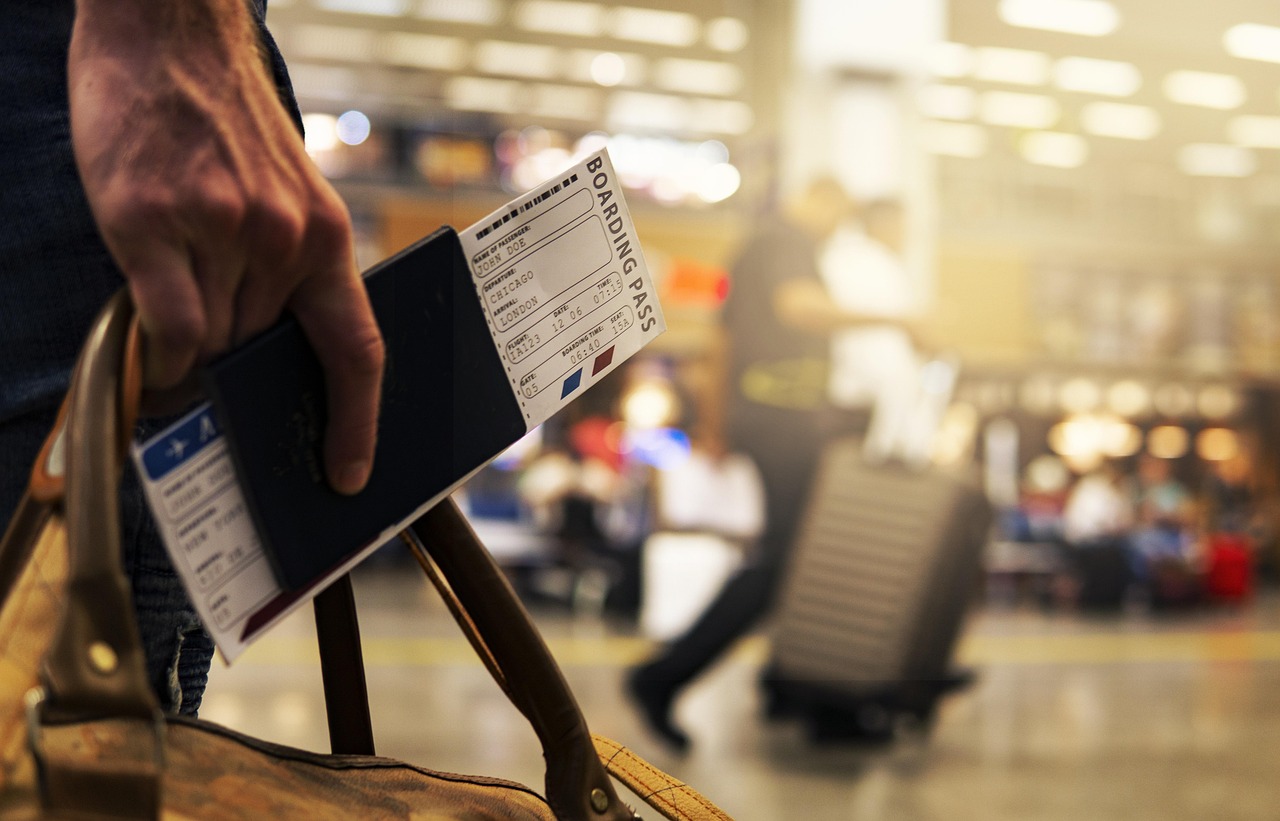
When you fly semi-private, the traditional airport "trudge" is eliminated. Because these flights operate from private terminals, the security screening is handled through background checks and non-invasive procedures that don't involve taking off your shoes or waiting in a 100-person line.
- Speed: Arrival 30 minutes before takeoff is the standard.
- Proximity: Use of secondary airports like Teterboro (TEB) instead of JFK, or Van Nuys (VNY) instead of LAX, often places you closer to your final meeting or home.
- Valet Services: Most semi-private terminals offer curbside valet, meaning your car is waiting for you with the engine running upon your return.
The On-Board Experience
Once on board, the atmosphere is decidedly different from a commercial cabin. Most semi-private jets are configured with significantly fewer seats than their commercial counterparts—often 30 seats on a plane designed for 50. This creates an environment conducive to either deep work or total relaxation.
The amenities in 2025 have also leveled up. Starlink Aviation Wi-Fi has become the industry standard, providing low-latency, high-speed internet that allows for seamless video conferencing at 40,000 feet. Catering is typically curated from local high-end partners rather than mass-produced "airplane food," and the open-bar policy usually features premium spirits and regional wines.

Comparative Metrics: The Competitive Edge
To understand why this market is exploding, one must look at the data. Below is a comparison of how semi-private flying stacks up against traditional options for a typical regional route (e.g., New York to Nantucket or Dallas to Houston).
| Feature | Commercial Business/First | Semi-Private (JSX/Tradewind) | Full Private Charter |
|---|---|---|---|
| Arrival Window | 90–120 Minutes | 20–30 Minutes | 15 Minutes |
| Security | Full TSA/Clear | Background/Private Screen | Private |
| Terminal | Main Airport Hub | FBO/Private Terminal | FBO/Private Terminal |
| Price Point | $400 - $1,200 | $600 - $2,500 | $15,000+ |
| Network | Hub-to-Hub | Point-to-Point (Regional) | Custom |
The Key Players Redefining the Skies
The market is currently dominated by a few specialist carriers that have mastered the balance between luxury and logistics. Each caters to a slightly different demographic, but all share the commitment to "flying personal."
Tradewind Aviation: The Boutique Powerhouse
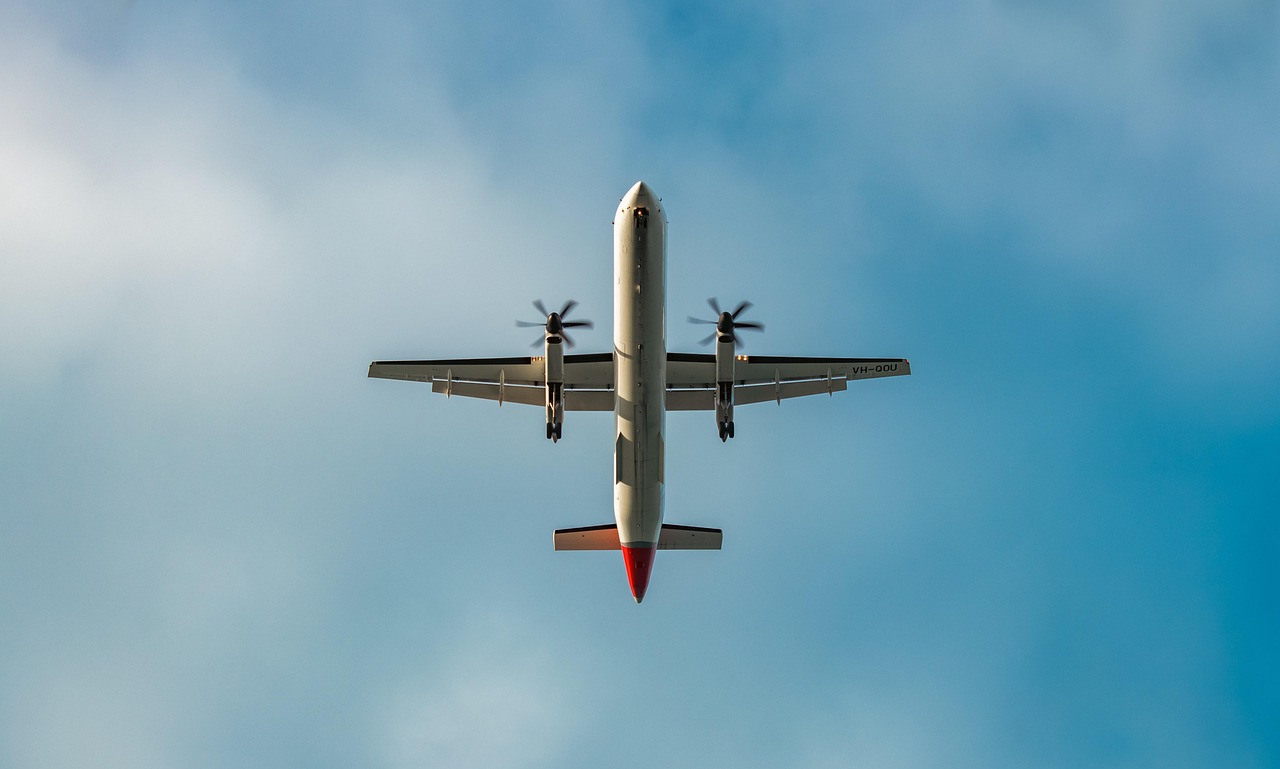
Tradewind has become the gold standard for regional luxury in the U.S. Northeast and the Caribbean. Utilizing the Pilatus PC-12, a high-performance turboprop, they provide access to airports with short runways that commercial jets simply cannot touch. Whether it's landing directly in St. Barths or avoiding the traffic of Cape Cod, Tradewind has seen massive growth. In fact, they reported a 33% year-over-year increase in scheduled service bookings in early 2025, driven by a surge in "commuter luxury" where professionals live in vacation enclaves and fly into the city a few times a week.

JSX: The Leader in Accessible Luxury
JSX (formerly JetSuiteX) has arguably done more to democratize semi-private flying than any other brand. By using Embraer 145 aircraft reconfigured with 30 spacious seats and power outlets at every chair, they offer a "hop-on" service that feels like a private jet but often costs only slightly more than a commercial coach ticket if booked in advance. Their expansion into markets like Cabo San Lucas and the Bahamas has made them a favorite for leisure travelers who refuse to deal with international terminal chaos.
Aero: The Ultra-Premium Bicoastal Choice
If JSX is the "premium economy" of the private world, Aero is the "First Class." Operating sleek, black-painted jets with customized interiors, Aero focuses on high-demand lifestyle routes like London to Ibiza or Los Angeles to Los Cabos. Their service includes a dedicated concierge and curated in-flight menus, targeting the traveler for whom the journey is a central part of the vacation experience.
Market Trends: Subscription Models and Sustainability
The evolution of this sector isn't just about more flights; it’s about how those flights are consumed. We are seeing a move toward "asset-light" aviation models. Instead of the massive capital expenditure of owning a jet, travelers are opting for fractional ownership, jet cards, and increasingly, subscription models. These programs allow frequent fliers to lock in rates and ensure availability without the headaches of maintenance and crew management.
Furthermore, the industry is facing its environmental footprint head-on. The rise of Sustainable Aviation Fuel (SAF) is no longer a niche talking point; it is a core operational requirement. New generation aircraft, such as the Falcon 6X and 10X, are being designed with SAF-compatibility and ultra-efficient engines that reduce carbon output by up to 30% compared to older models. For the modern traveler, luxury is becoming inseparable from responsibility.
Essential Tips for First-Time Semi-Private Fliers
If you are considering making the switch from commercial to semi-private, there are a few logistical nuances you should be aware of.
- Mind the Luggage: While you avoid the baggage carousel, the aircraft used for semi-private flights are often smaller. Soft-sided luggage is highly recommended, as the cargo holds on a PC-12 or a light jet are not designed for oversized, hard-shell "monster" suitcases. Weight limits are strictly enforced for safety.
- Documentation: Even though you aren't in a main terminal, you still need valid government-issued ID (and passports for international routes). The manifest is checked against "No Fly" lists just like commercial airlines, but the process happens behind the scenes.
- Look for "Empty Legs": To maximize value, look for empty-leg deals. These occur when a plane needs to fly "empty" to its next destination to pick up a charter client. You can often snag these repositioning flights for a fraction of the normal cost.

Conclusion: The Strategic Choice for 2025
The growth of semi-private flying represents a permanent shift in how we view air travel. It is no longer a binary choice between the "misery" of commercial and the "extravagance" of full charter. By leveraging private infrastructure and smarter scheduling, carriers like JSX and Tradewind have created a third way.
In 2025, the most successful travelers aren't necessarily those with the most expensive tickets, but those with the most efficient itineraries. Semi-private flying is the tool that makes that efficiency possible, proving that the greatest luxury in travel isn't a gold-plated sink—it’s the ability to arrive at your destination refreshed, on time, and without the stress of the modern airport.
FAQ
Q: Is semi-private flying safe compared to major airlines?
A: Yes. Carriers like JSX and Tradewind operate under the same stringent FAA (or equivalent) safety regulations as major airlines. In many cases, their safety protocols exceed standard requirements, utilizing highly experienced pilots and modern, well-maintained fleets.
Q: Can I use my airline miles for semi-private flights?
A: While most semi-private carriers have their own loyalty programs, some have formed partnerships. For example, JSX has an established partnership with United Airlines, allowing passengers to earn United MileagePlus miles on JSX flights.
Q: Do these flights offer Wi-Fi?
A: Most leading semi-private carriers have now integrated high-speed Starlink Wi-Fi, which is often free of charge and significantly faster than the systems found on traditional commercial aircraft.
Ready to reclaim your time?
Explore the latest scheduled routes and book your seat on the future of aviation.
Book Your First Semi-Private Flight →