In the rarefied world of high-altitude travel, the traditional log cabin is undergoing a radical metamorphosis. We are witnessing a New Alpine Renaissance, where the focus has shifted from rustic kitsch to a sophisticated dialogue between the built environment and the raw, untamed landscape. For the modern connoisseur, the allure of the mountains is now as much about the structural poetry of the chalet as it is about the quality of the powder.
The New Alpine Renaissance
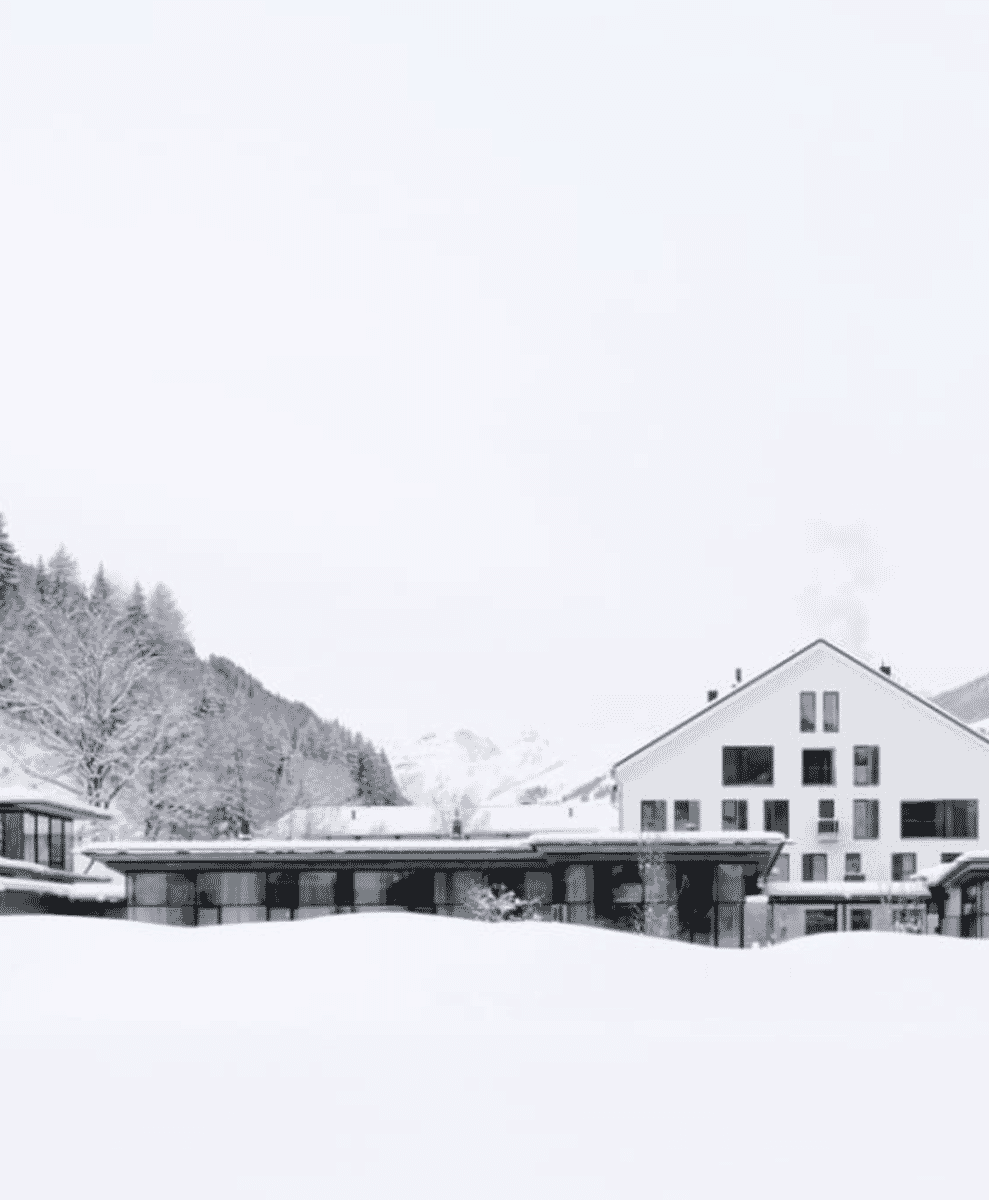
Gone are the days when luxury was defined by heavy drapery and ornate carvings. Today’s architectural mountain retreats prioritize a "forward-thinking" aesthetic that honors the vernacular of the peaks while embracing futuristic silhouettes. This evolution is driven by a desire for immersion—a quiet, deliberate integration into the topography. As we look toward the 2026 design season, the most coveted stays are those that serve as a frame for nature, rather than an intrusion upon it. It is a masterclass in restraint, where every beam and stone is an investment in both heritage and innovation.
1. Geodesic Futurism: The WhitePod Influence
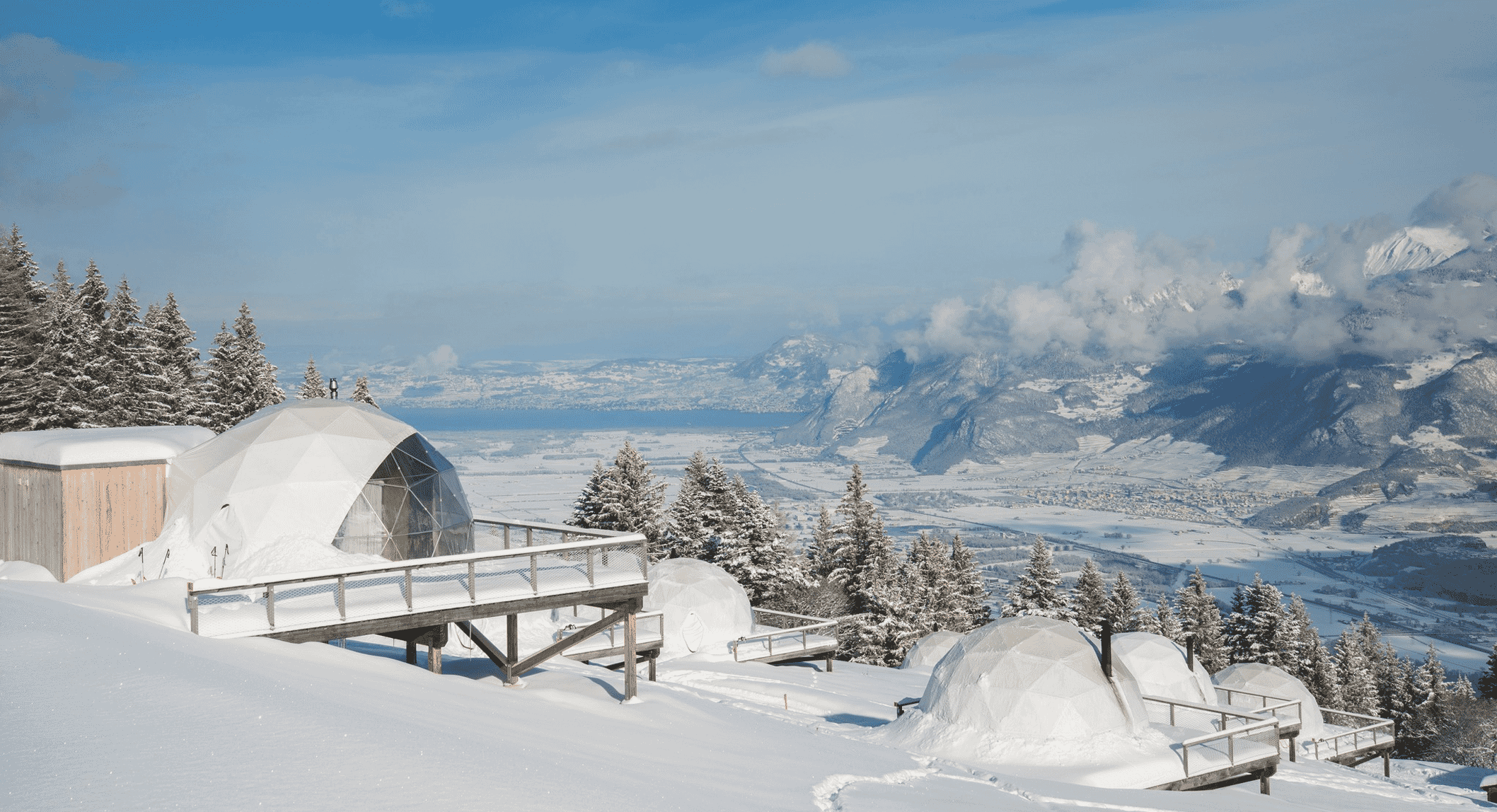
The concept of the "shelter" has been elevated through the use of geodesic geometry. These structures offer a minimal ecological footprint while providing a maximalist sensory experience. By utilizing a 360-degree perspective, these pods dissolve the boundaries between the interior sanctuary and the crystalline forest outside. It is biophilic design in its purest form—a high-tech cocoon that allows you to wake up within the heart of the wilderness without sacrificing the comforts of a five-star suite. This is the ultimate choice for the eco-conscious traveler who values privacy and architectural ingenuity in equal measure.
2. The Glass Facade: Merging Indoors and Out
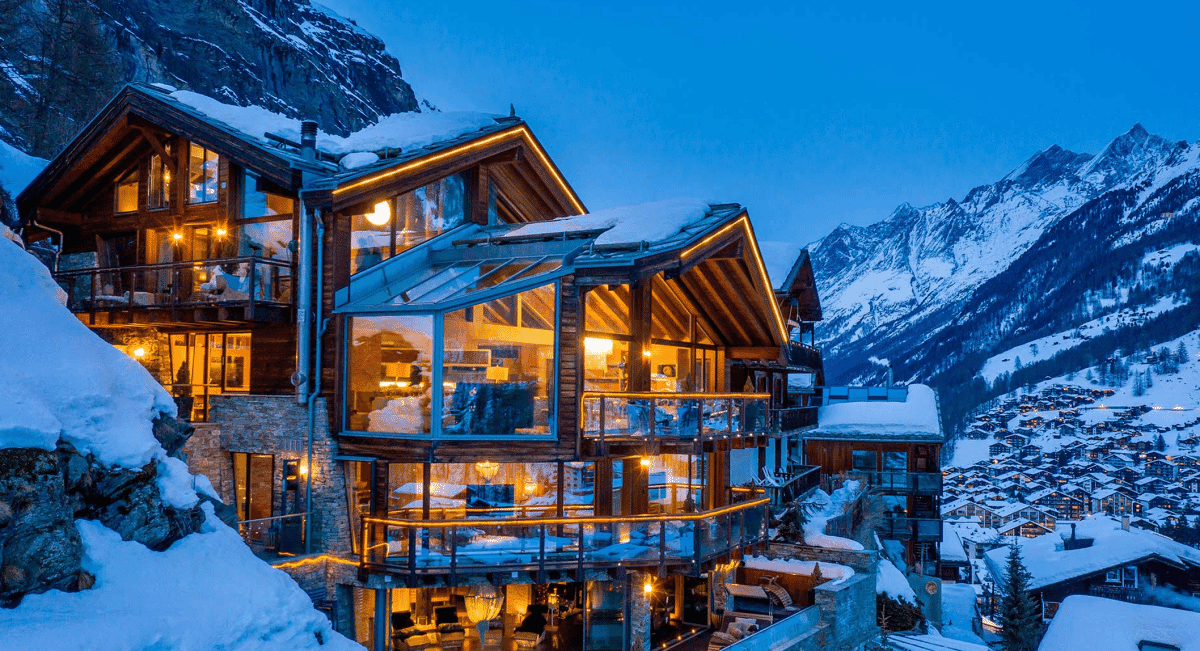
In the modern chalet, glass is no longer a mere window; it is a structural statement. Architects are increasingly utilizing floor-to-ceiling glazing to transform the surrounding peaks—whether the Matterhorn or the Monashee Mountains—into "living wallpaper." This transparency creates a rhythmic connection with the daylight, allowing the shifting shadows of the mountain to dictate the mood of the room. The materiality of the glass, often treated with advanced thermal coatings, ensures that while the view is expansive, the interior remains an intimate, temperature-controlled haven. It is a visual feast that demands a minimalist interior to avoid competing with the majesty outside.
3. Tactile Minimalism: Stone and Timber Reimagined
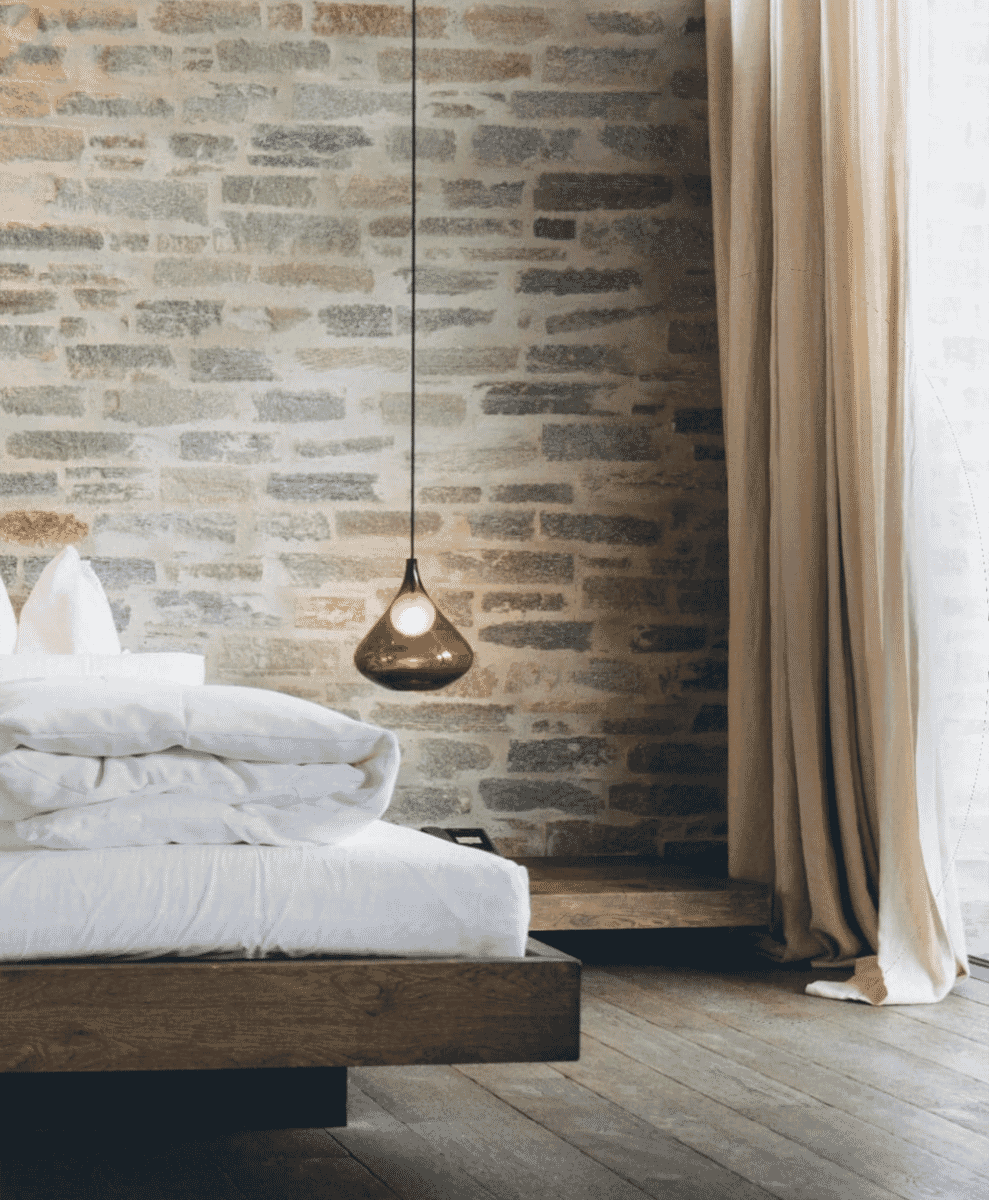
We call this the "Wiesergut" effect—a design philosophy that treats traditional materials like reclaimed timber and locally quarried stone with surgical precision. The beauty lies in the texture: the rough-hewn grain of a wooden beam contrasted against the cool, honed surface of a stone wall. This tactile minimalism moves away from the "busy" alpine look toward a more serene, gallery-like atmosphere. By stripping back the unnecessary, the focus remains on craftsmanship and the inherent quality of the materials. It is a quiet luxury that speaks to those who appreciate the heritage of the Alps reimagined for a contemporary lifestyle.
4. The Fireplace Heart: Architectural Warmth
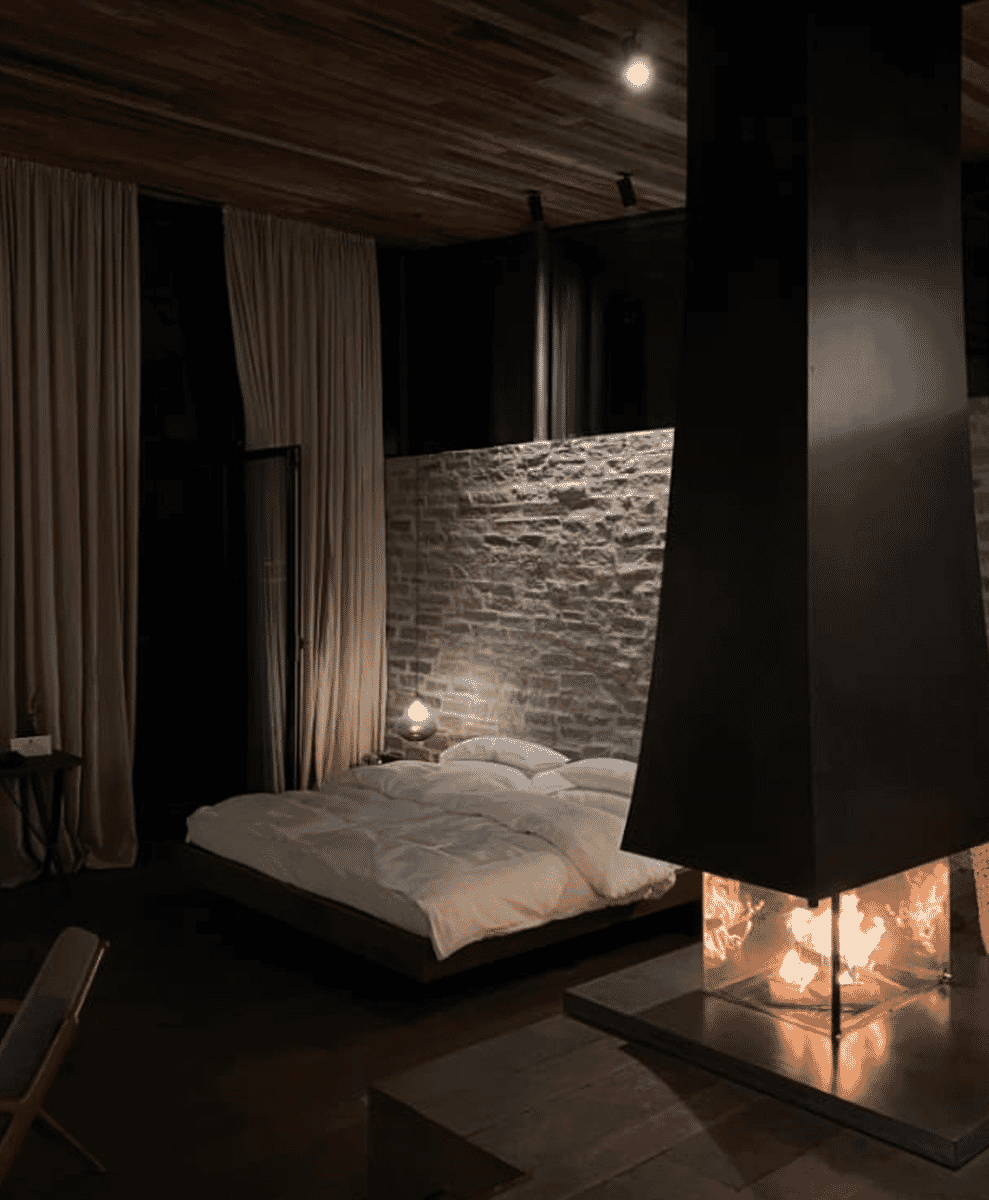
The fireplace has always been the heart of the home, but in the modern mountain retreat, it has become its sculptural anchor. Moving away from the traditional hearth, contemporary designs favor sleek, suspended hoods and central open-plan placements. This "architectural hygge" serves a dual purpose: providing an efficient heat source while acting as a focal point that defines the living space. Whether crafted from blackened steel or minimalist concrete, these fireplaces invite a sense of communal warmth. They are the gravity around which evening conversation and relaxation revolve, anchoring the open-plan layout with a sense of grounded permanence.
5. Wellness Architecture: The Alpine Spa
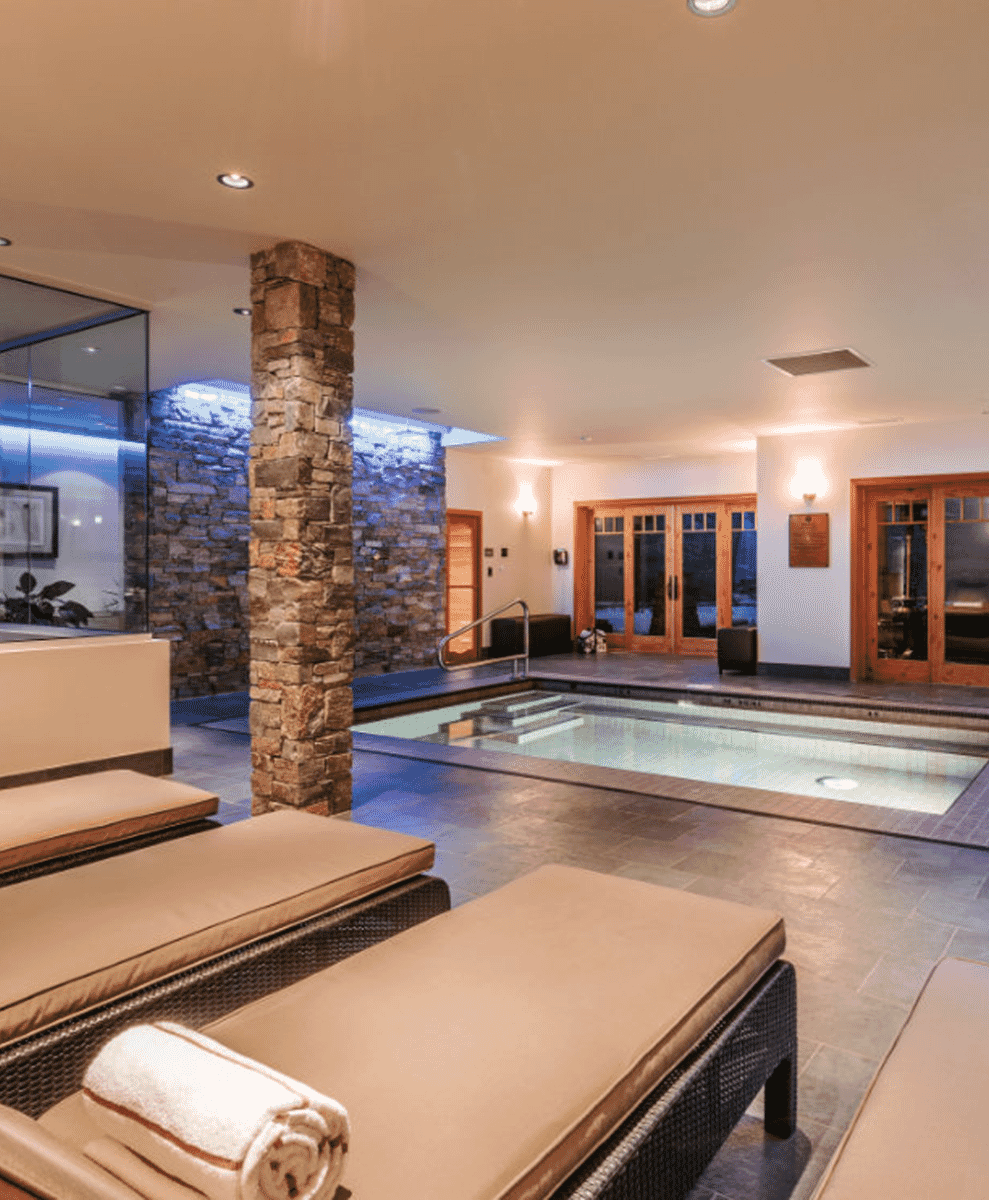
Modern luxury is increasingly measured by one's ability to restore. Consequently, the alpine spa has evolved from an afterthought into a cornerstone of chalet architecture. We are seeing a shift toward "subterranean sanctuaries" where stone, water, and light are choreographed to create a monolithic sense of calm. These spaces are designed to echo the natural grottos and thermal springs of the mountains. The use of dark, moody stone and strategic lighting creates an atmosphere of deep introspection. For the discerning traveler, a day on the slopes is only complete when followed by a session in a space designed specifically for holistic wellness and architectural serenity.
6. Curated Coziness: The Soft Edges of Architecture
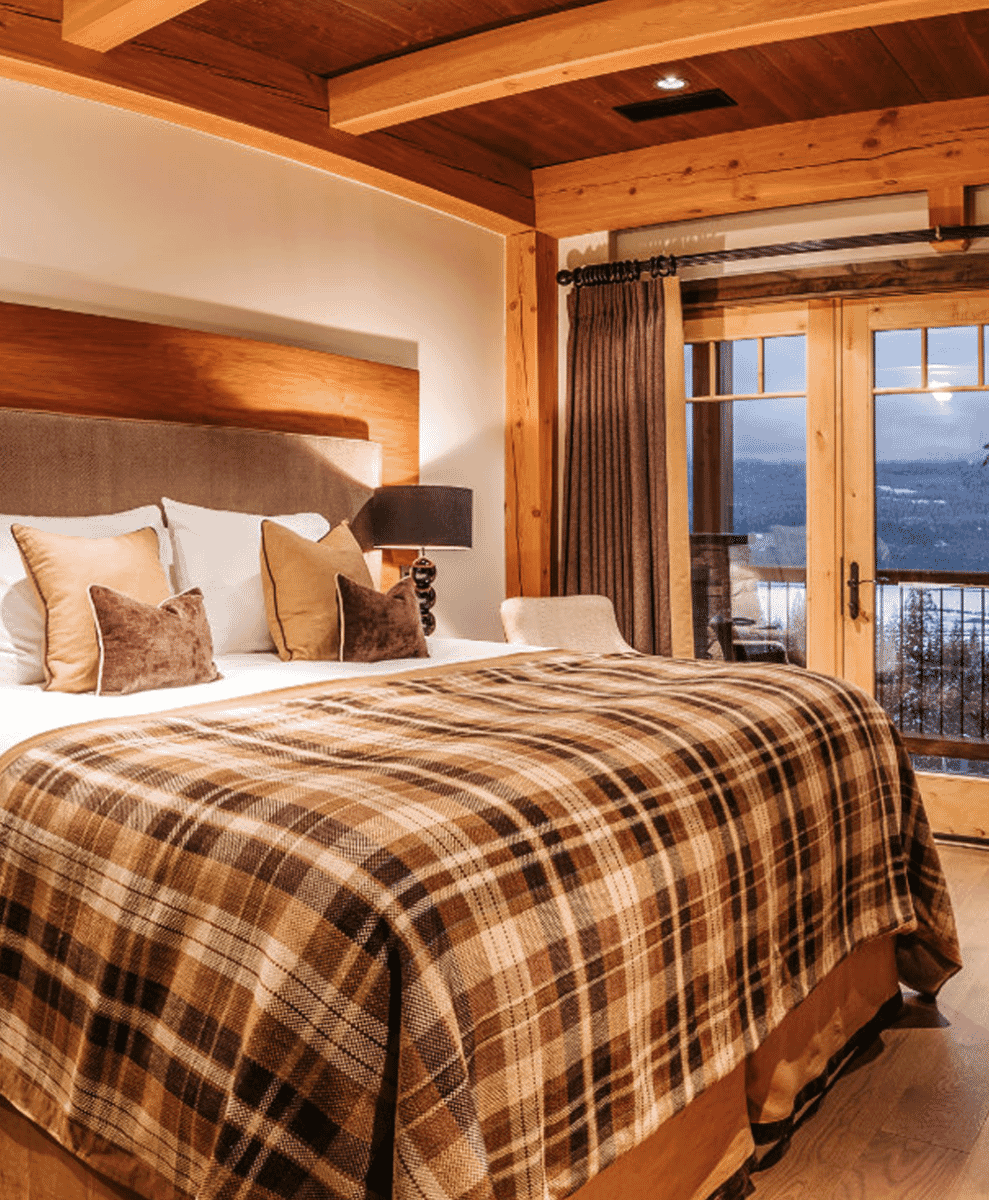
While the structure may be defined by hard lines and raw materials, the interior soul of the 2026 chalet is found in its curated coziness. To balance the "cold" elements of glass and concrete, designers are introducing rich, tactile counterpoints. Think oversized plaid wools, cashmere throws, and faux-fur textures that invite touch. This "Rustic-Chic" approach ensures that the home remains lived-in and welcoming. It’s about the interplay between the rigid exterior and the soft, cushioned interior—a juxtaposition that reflects the duality of the mountain experience: the harsh, frozen exterior versus the warm, protective embrace of the home.
7. The Lifestyle: Living in the View
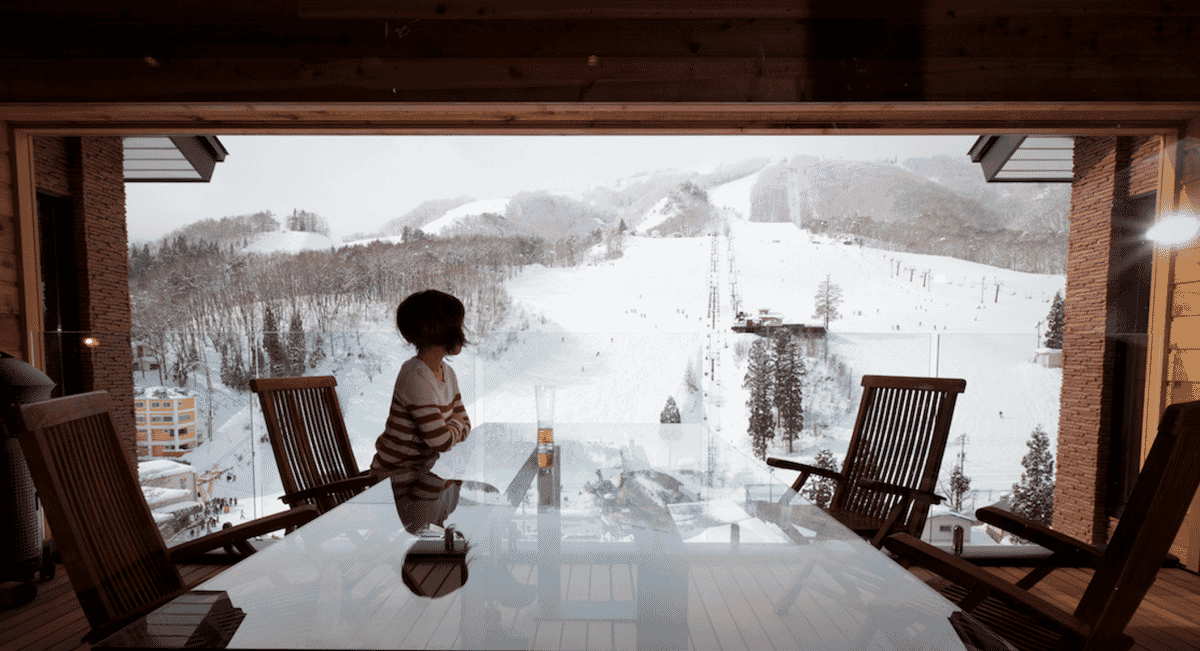
For the modern luxury traveler, the priority list has shifted. While proximity to the ski lift remains important, architectural uniqueness and environmental harmony now rank just as high—if not higher. The chalet is no longer just a base camp; it is the destination. "Living in the view" means selecting a property that offers a unique vantage point and a design that celebrates its specific location. Whether you are gazing at the slopes from a cantilevered balcony or enjoying a glass of vintage Bordeaux behind a panoramic window, the lifestyle is defined by an appreciation for the intersection of high design and the great outdoors.
Selecting Your Architectural Retreat
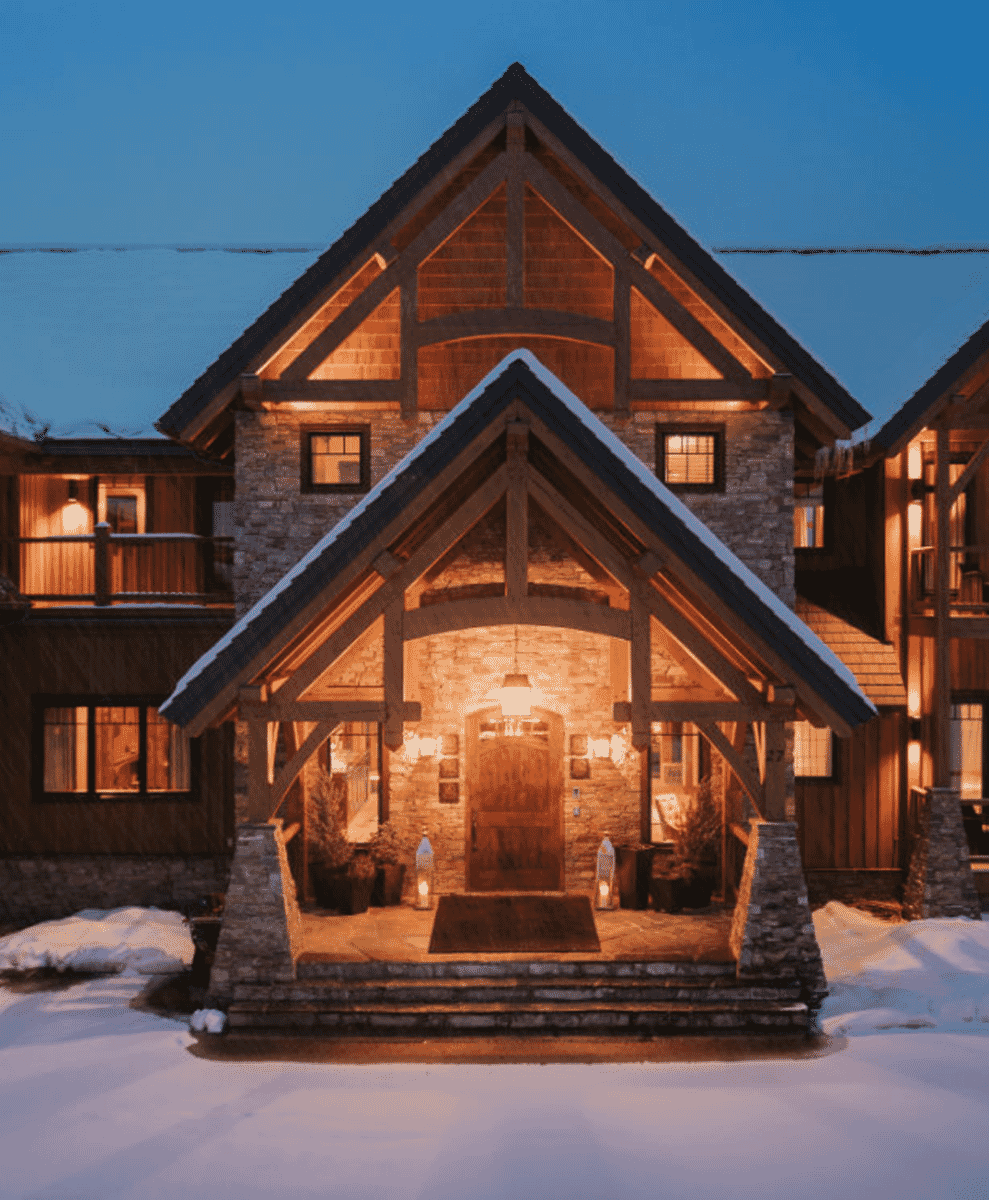
Choosing your next winter escape is an exercise in discerning taste. Look for properties that demonstrate a commitment to "biophilic integration"—where the architecture feels like a natural extension of the cliffside or forest. The ultimate luxury stay is one that leaves you with a profound sense of place, where the craftsmanship of the building is as memorable as the mountain peaks themselves. In 2026, we seek out the shelters that don't just house us, but inspire us.