Quick Facts
- Best Time to Go: Late spring (May–June) or early fall (September–October) provides the sweet spot for avoiding extreme desert heat and mountain snow.
- The Golden Rule: For the ideal balance of sightseeing and travel, limit your daily driving to 200 to 300 miles (320-480 km).
- Trip Satisfaction: Data shows that keeping your daily mileage under 300 miles increases trip satisfaction by 40%, allowing for those spontaneous roadside taco stands and sunset views.
- The Crown Jewel: The Pacific Coast Highway (Highway 1) remains the most iconic scenic drive, famously connecting San Francisco to Los Angeles.
The Call of the Open Road: Why 2026 is Your Year
I’ve spent the better part of a decade chasing horizons across six continents, but there is something about the American West that pulls me back every single time. As we look toward 2026, the allure of the open road feels stronger than ever. Maybe it’s the way the morning mist clings to the redwoods in Northern California, or the stark, silent majesty of the Mojave at dusk. Whatever it is, the West Coast isn’t just a destination—it’s a rite of passage.
In my experience, the secret to a legendary road trip isn't just the route; it's the timing and the pace. I’ve learned the hard way that trying to "see it all" in a week is a recipe for burnout. To truly soak in the salt air of the Pacific or the alpine crispness of the Sierras, you need to breathe. The best time for a West Coast road trip is during late spring or early fall. This avoids the mid-summer gridlock and the bone-chilling Sierra winters.
If you're looking for the ultimate bucket-list experience, the Pacific Coast Highway (Highway 1) is your baseline—it is the quintessential American drive. But as we’ll explore, there are hidden gems from the rainforests of Washington to the vineyards of Baja that deserve a spot on your 2026 calendar.
2026 Road Trip Comparison Guide
| Route | Best For | Recommended Duration | Distance (Approx.) |
|---|---|---|---|
| Highway 1 | First-timers & Romantics | 5–7 Days | 450 Miles |
| Olympic Peninsula | Nature Lovers & Solitude | 3–4 Days | 330 Miles |
| Oregon Coast | Families & Photographers | 4–5 Days | 360 Miles |
| Yosemite to Death Valley | Adventure Junkies | 6–8 Days | 500 Miles |
| Columbia River Gorge | Foodies & Hikers | 2–3 Days | 100 Miles |
| Baja Border Run | Culinary Explorers | 3–5 Days | 200 Miles |
Essential Planning: Logistics for the Modern Nomad
Before we hit the ignition, let's talk logistics. I’ve found that the best views aren’t always on the map—they’re three miles down a dirt detour you didn't plan for. That’s why limiting your daily driving to under 300 miles is non-negotiable. Travel planning data indicates that this "slow travel" approach increases trip satisfaction by 40%. It gives you the freedom to stop at that weird roadside museum or hike an extra mile to a hidden waterfall without checking your watch.
For 2026, I’m seeing a massive shift toward "hybrid" tripping. Whether you're renting a fuel-efficient EV or a rugged campervan, the West Coast infrastructure is catching up. Charging stations are popping up in even the remotest corners of the Pacific Northwest, making "green" road-tripping more accessible than ever.
Marcus’s Field Note: Don't just rely on GPS. Download offline maps and keep a physical atlas in the glovebox. In the deep canyons of Big Sur or the thick canopy of the Olympic Rainforest, your bars will drop to zero.
1. The Classic: Highway 1 (San Francisco to Los Angeles)
This is the one they write songs about. Cruising south from San Francisco, you’ll feel the world open up as you hit the rugged cliffs of Big Sur. I’ve driven this stretch a dozen times, and the sight of the Bixby Creek Bridge never fails to steal my breath. It’s a masterclass in coastal engineering and raw, natural beauty.
Where to Stop, Eat, and Stay:
- Stop: Point Lobos State Natural Reserve. It’s often called the "crown jewel" of the state park system. Look for sea otters in the kelp forests.
- Eat: Nepenthe in Big Sur. The Ambrosiaburger is legendary, but you’re really there for the terrace views that sit 800 feet above the Pacific.
- Stay: The Cass House in Cayucos. It’s a beautifully restored mid-19th-century home that offers a quieter alternative to the more crowded Santa Barbara hotels.
2. The Rainforest Loop: Olympic Peninsula (Washington)
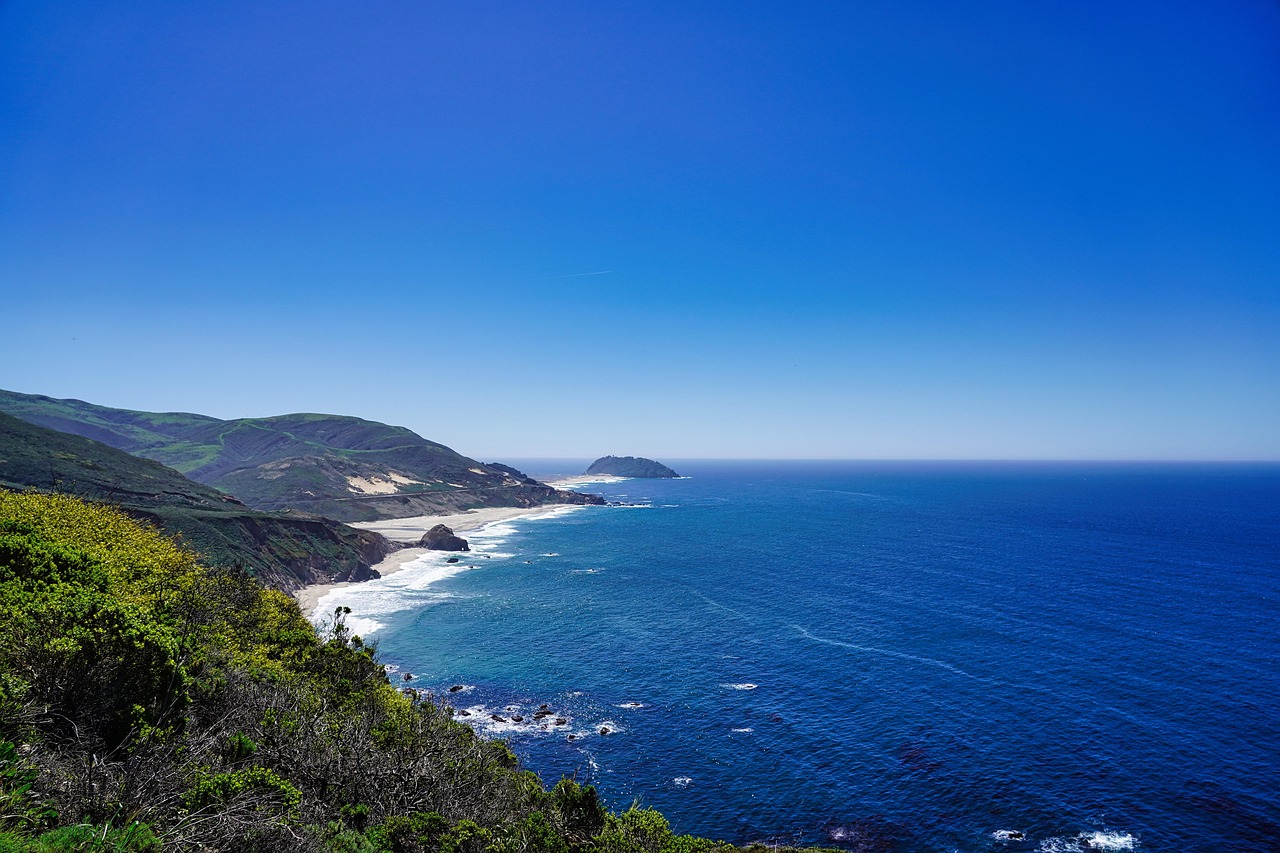
If you want to feel like you’ve stepped onto another planet, head to the Olympic Peninsula. This loop covers approximately 330 miles and is a masterclass in ecological diversity. What makes this trip special are the people; the loop features over 12 unique small towns with populations under 1,000, highlighting the region's rural, rugged charm.
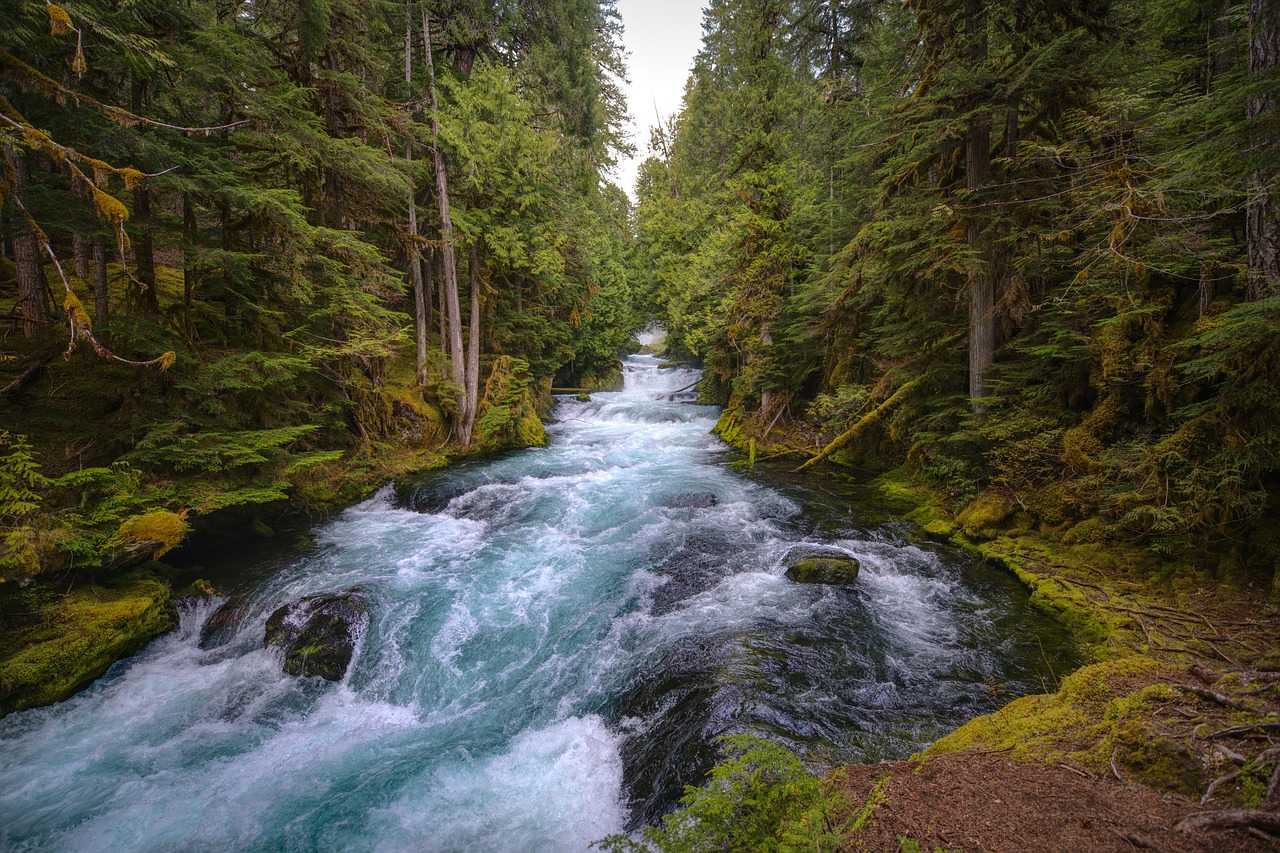
You’ll start in the moody, evergreen-drenched hills of Port Angeles and wind your way toward the Hoh Rainforest. It’s one of the few temperate rainforests in the world, where moss hangs like curtains from ancient Sitka spruces.
Pro Tip: Make sure to hit Ruby Beach at low tide. The sea stacks and tide pools are world-class, and the "Tree of Life" nearby—a Sitka spruce clinging to eroding bluffs with its roots exposed—is a testament to the resilience of the PNW.
3. Rugged Beauty: The Oregon Coast (Highway 101)
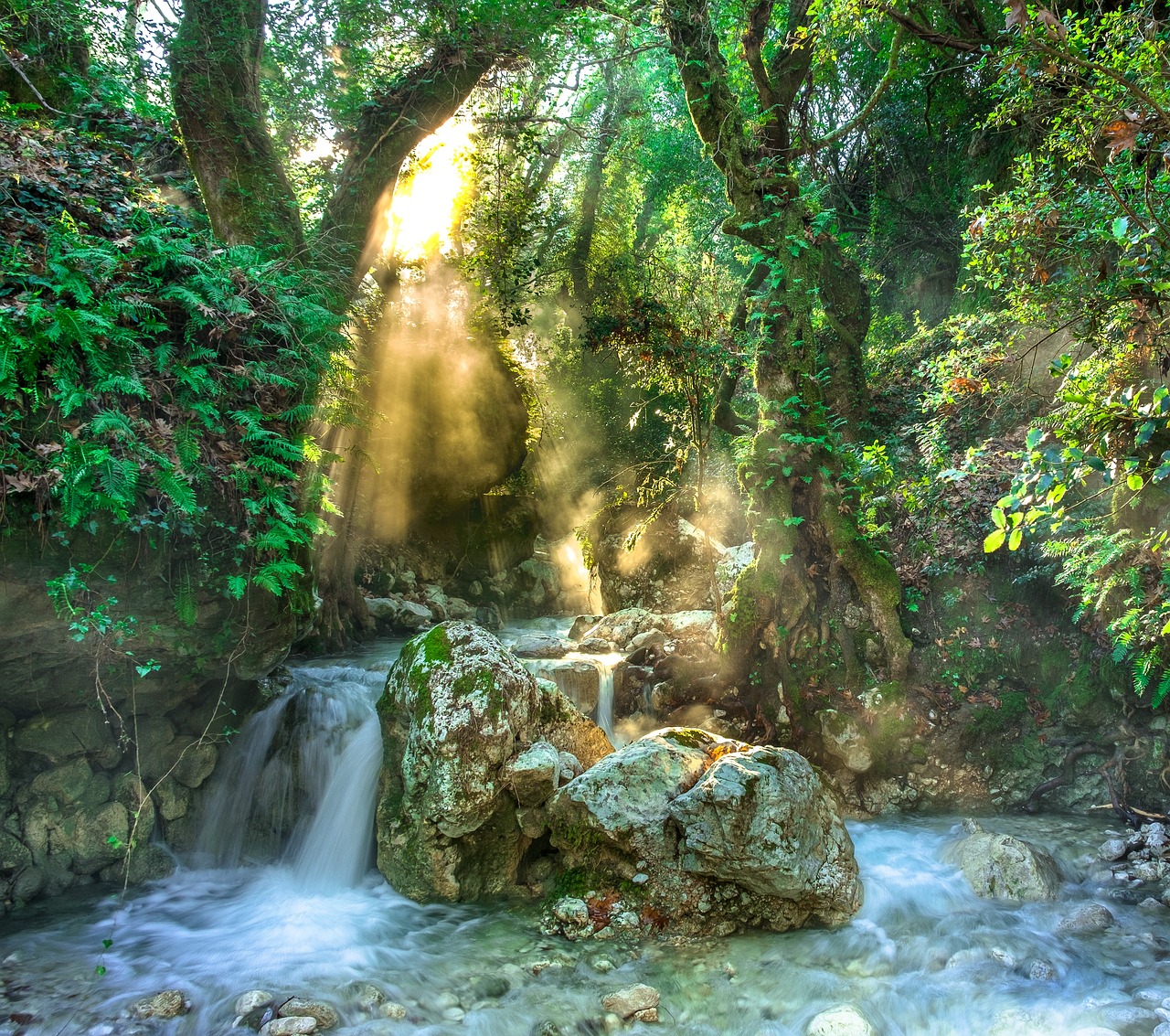
There’s a wildness to the Oregon Coast that California can’t quite match. Every inch of Oregon’s 363-mile coastline is public land, meaning you can walk just about anywhere the waves touch.
Start at Cannon Beach to see the iconic Haystack Rock, but don’t stop there. Head south to Cape Perpetua, where the forest literally meets the sea. I highly recommend a stop at the Pelican Pub and Brewery in Pacific City. There is nothing quite like sitting on their patio with a Kiwanda Cream Ale while watching dory boats launch directly into the surf.
4. The Sierra Gold: Highway 49 California Gold Country
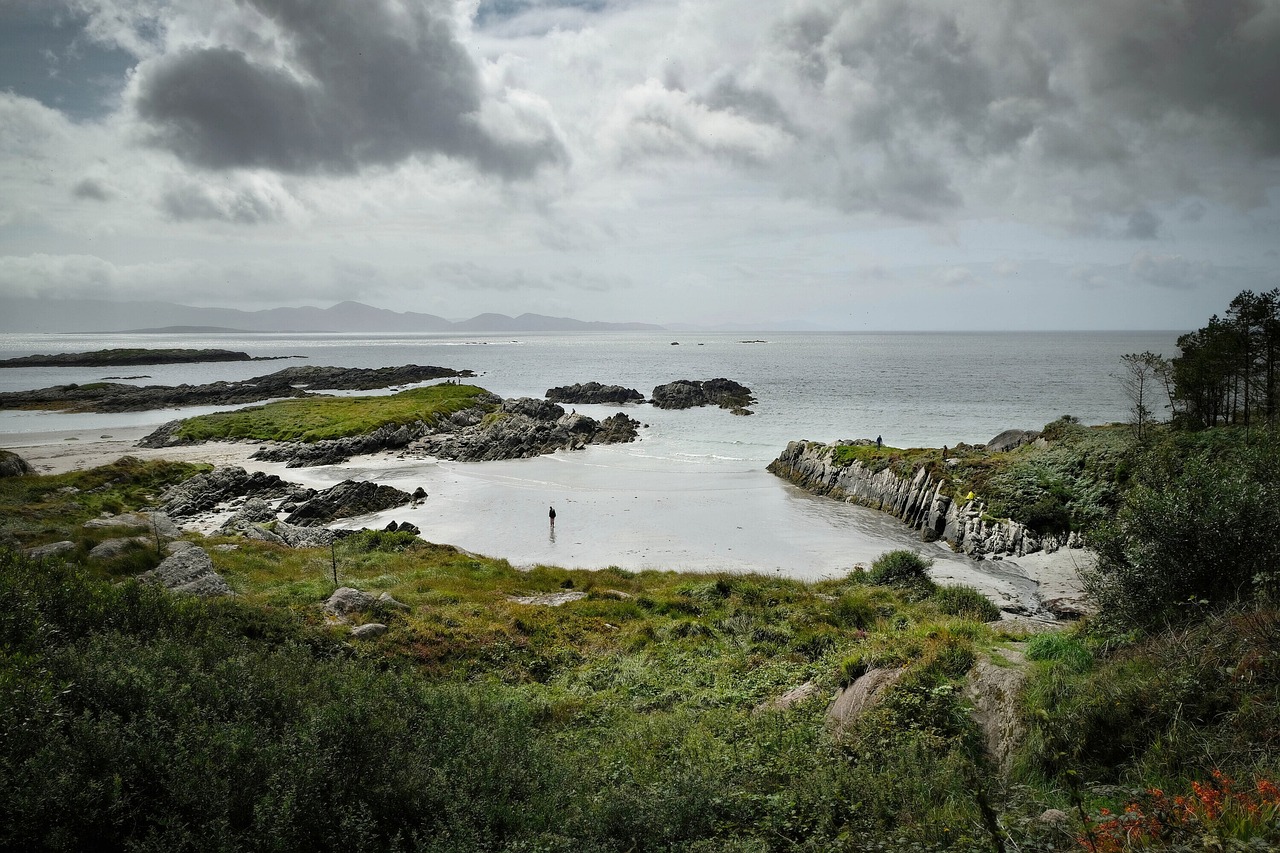
For a change of pace, head inland to the Sierra Nevada foothills. Highway 49 winds through the heart of California’s Gold Rush history. You’ll pass through "living" ghost towns like Columbia and Sutter Creek, where the 19th-century architecture is meticulously preserved.
This route offers a perfect blend of history and hedonism. Between the historic mines, you’ll find burgeoning wine regions like the Shenandoah Valley, specializing in world-class Zinfandels. If you have an extra day, this route serves as a perfect backdoor entry into Yosemite National Park via Highway 120.
5. Peaks to Lowlands: Yosemite to Death Valley
This is the ultimate route of contrasts. You’ll start among the granite cathedrals of Yosemite—home to the highest waterfall in North America—and end in the salt flats of Death Valley, the lowest point at Badwater Basin.
I recommend taking the Tioga Pass (Highway 120) when it's open (usually June through October). The transition from high-alpine meadows to the stark, volcanic landscape of Mono Lake and then down into the Owens Valley is visually jarring in the best way possible. Don't forget a detour to Sequoia National Park to stand at the feet of the General Sherman tree—the largest living thing on earth.
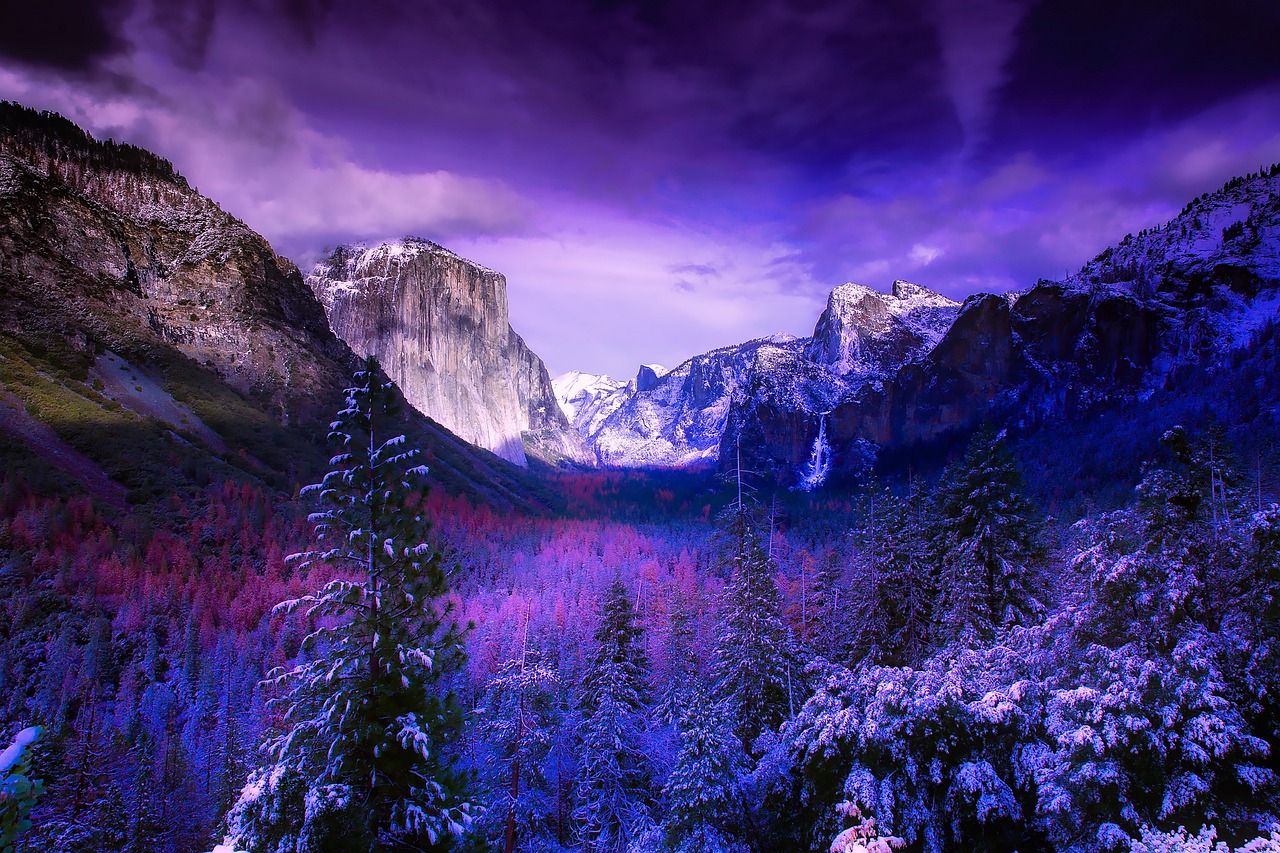
6. The Waterfall Corridor: Historic Columbia River Highway
This is a short but high-impact drive just outside of Portland. Built in 1913, this was the first planned scenic roadway in the U.S., designed specifically to showcase the gorge’s natural wonders.
The star of the show is Multnomah Falls, a double-tiered drop of 620 feet. But I’ll let you in on a secret: the smaller falls like Latourell and Bridal Veil are often less crowded and just as photogenic.
Where to Stay: Use Portland as your home base. Stay at a design-forward spot like The Hoxton or Knot Springs to soak your muscles after a day of chasing waterfalls.
7. The Epicurean Escape: Mendocino to Sonoma
If your idea of an adventure involves a Michelin-starred meal and a view of the Pacific, this is your route. Northern California’s Highway 1, north of the Golden Gate, is far more rugged and less traveled than the southern section.
The drive through the Anderson Valley is a highlight—this is "Cool Climate" wine country, famous for Pinot Noir and Gewürztraminer. Stop at the Philo Apple Farm for some of the best cider and farm-stay vibes in the state. The vibe here is "luxury meets redwoods," far removed from the glitz of Napa.
8. Cross-Border Flavor: San Diego to Valle de Guadalupe
For 2026, the real "insider" road trip goes south of the border. Starting in San Diego, cross into Tijuana to experience one of the most vibrant craft beer scenes in North America. From there, it’s a stunning 90-minute drive down the coast to the Valle de Guadalupe, Mexico’s premier wine region.
The Valle is a culinary powerhouse. Think Michelin-starred dining in the middle of a vineyard, where the chefs cook over open fires. It’s an "off-the-beaten-path" experience that feels sophisticated yet grounded.
Explore the Valle de Guadalupe →
9. The Long Haul: The Alaskan Highway (The Alcan)
This is the big one. While technically starting in British Columbia (accessible from Seattle or Vancouver), the Alcan is the ultimate West Coast test of endurance. It winds through the Yukon Territory toward Anchorage, Alaska.
This isn’t just a drive; it’s an expedition. Expect to see grizzlies, moose, and bison right on the shoulder of the road. It’s a route that demands respect and a well-stocked emergency kit, but the payoff—the untouched wilderness of the North—is life-changing.
10. Desert Modernism: Los Angeles to Joshua Tree
Leaving the sprawl of L.A. behind, you’ll head east into the high desert. This route is a favorite for those who love mid-century modern architecture and stark, alien landscapes.
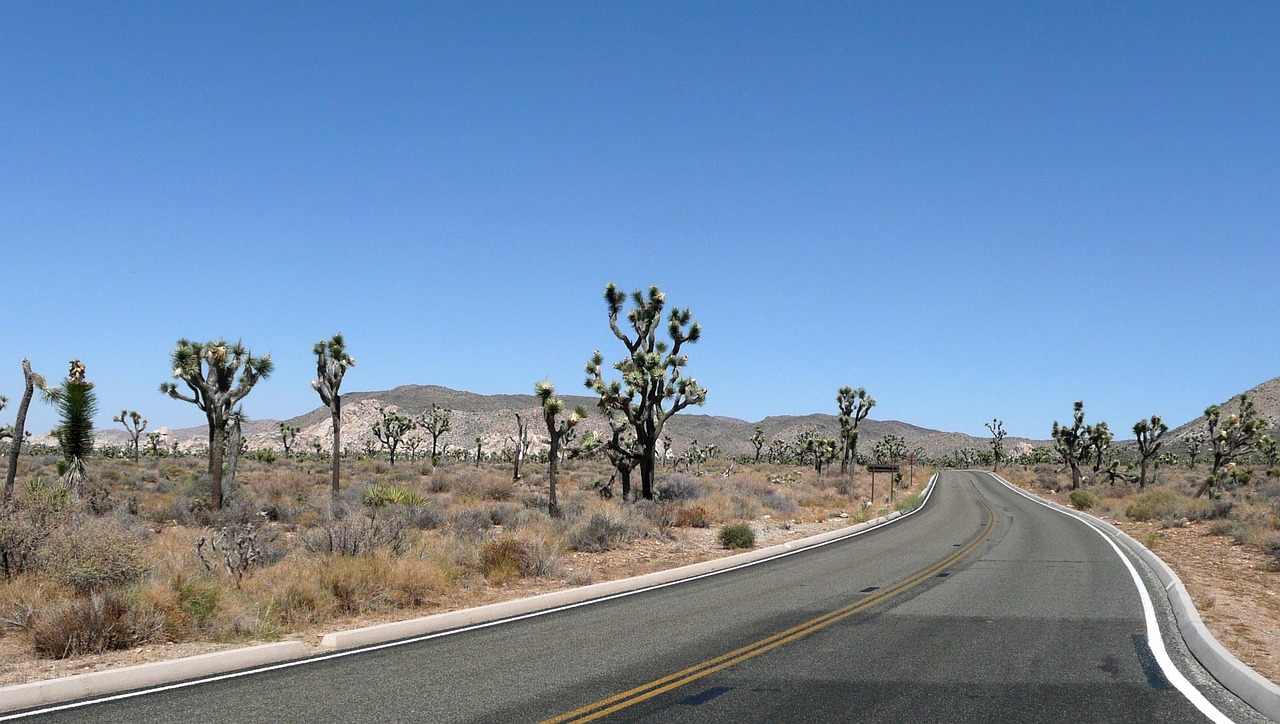
Stop in Palm Springs to admire the desert-chic homes before heading up to Joshua Tree National Park. The park is a playground for photographers, with its twisted trees and massive monzogranite boulders. For 2026, I recommend booking a stay in a renovated Airstream or a glass-walled desert cabin to truly experience the star-filled nights.
Pro Tips for 2026 Road Trippers
- The Reservation Game: National Parks like Yosemite and Olympic are increasingly moving toward reservation systems for vehicle entry during peak seasons. As soon as you have your dates, check Recreation.gov.
- Eco-Travel: The West Coast is leading the charge in sustainable tourism. Support local by staying in eco-lodges and following "Leave No Trace" principles, especially in sensitive areas like the Hoh Rainforest and Death Valley.
- Safety First: Wildfire season is an unfortunate reality. Always check air quality and road closures via state DOT apps (like Caltrans) before you set out.
Frequently Asked Questions
Is it better to drive North to South or South to North on Highway 1? I always recommend driving North to South (San Francisco to L.A.). Why? Because you’ll be in the lane closest to the ocean, making it much easier to pull into the scenic overlooks without crossing traffic.
Do I need a 4WD vehicle for these trips? For 90% of these routes, a standard sedan or crossover is perfectly fine. The only exception would be parts of the Alaskan Highway or specific backcountry detours in Joshua Tree and Death Valley.
How far in advance should I book my accommodations? For iconic stays like the Post Ranch Inn or lodges inside Yosemite, you should book 6 to 12 months in advance. For small-town motels along the Oregon Coast, 3 months is usually sufficient.
Conclusion: Grab the Keys
The West Coast is more than just a strip of asphalt; it’s a collection of stories waiting to be told. Whether you’re standing in the mist of Multnomah Falls or watching the sun dip below the horizon at Big Sur, these drives offer a perspective you simply can’t get from a plane window.
So, plan your route, cap your mileage, and keep your eyes on the horizon. I’ll see you out there.