2026 Design Forecast: The Minimalist Rugs Setting the Standard for Modern Interiors
As we approach 2026, the interior design landscape is undergoing a profound metamorphosis. We are witnessing the graceful sunset of "clinical minimalism"—that stark, often cold aesthetic—and the dawn of what I call Warm Minimalism. In this new era, the rug is no longer a peripheral accessory; it has ascended to become the room’s emotional anchor and architectural foundation. For the discerning collector, the choice of floor covering is now an exercise in intentionality, grounding a space with a sense of permanence and quiet luxury.
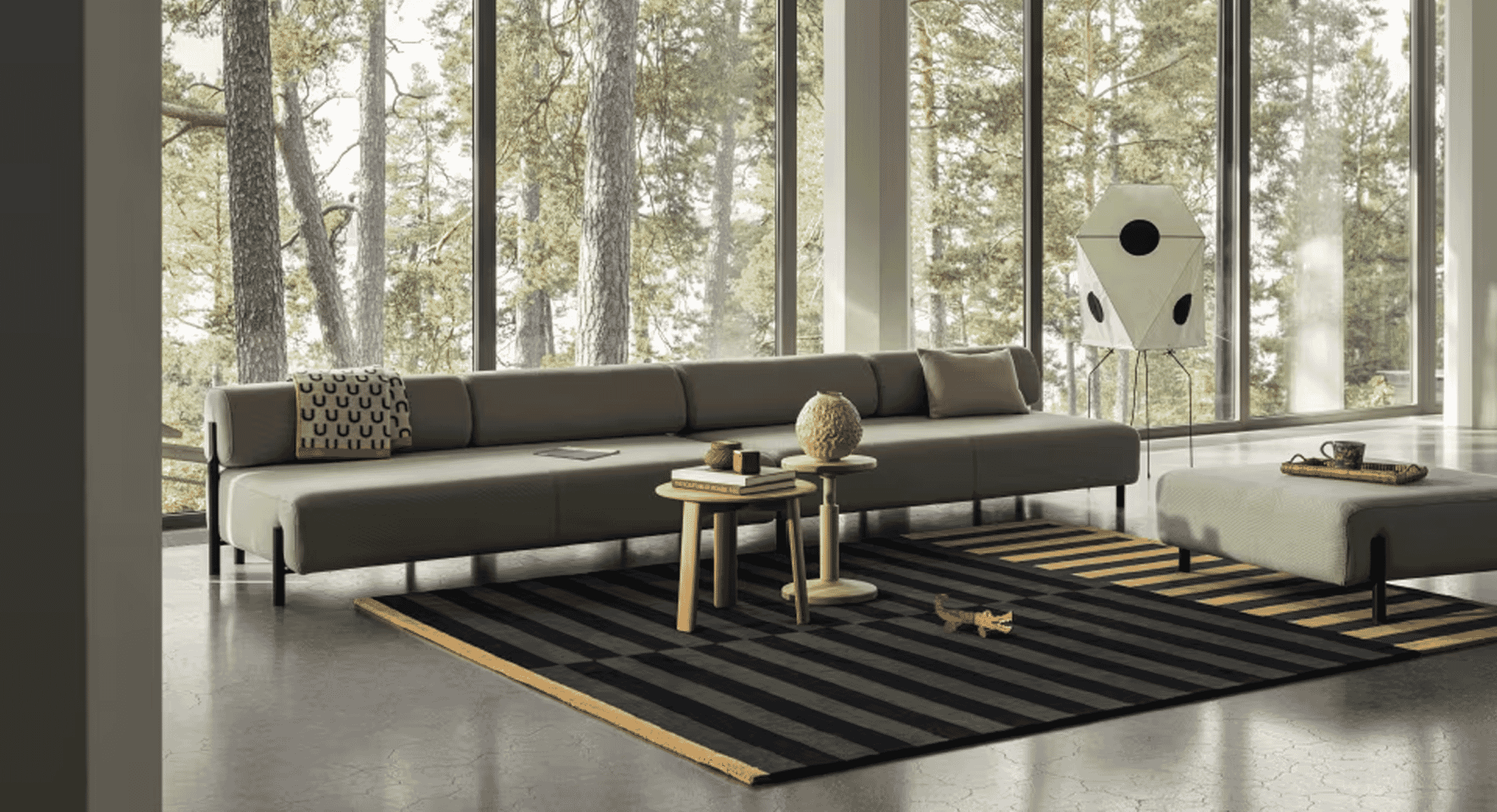
This shift toward "intentional minimalism" prioritizes the rug as a vessel for light and shadow. As seen in curated forest-facing residences, the 2026 aesthetic favors a seamless dialogue between the interior and the landscape. The standard is set by pieces that mirror the organic world—think subtle, linear rhythms that catch the morning sun and deep, grounding tones that stabilize a high-ceilinged room. When selecting your next investment piece, look for designs that offer a "hush" rather than a shout, providing a serene stage for your furniture to perform.
The Tactile Turn: Why Texture is the New Color
In the 2026 collections, we are seeing a remarkable pivot: 65% of high-end rug designers are now prioritizing "textural layering" over traditional chromatic patterns. This "Tactile Turn" suggests that how a rug feels underfoot—and how its surface interacts with the eye—is the ultimate marker of luxury.
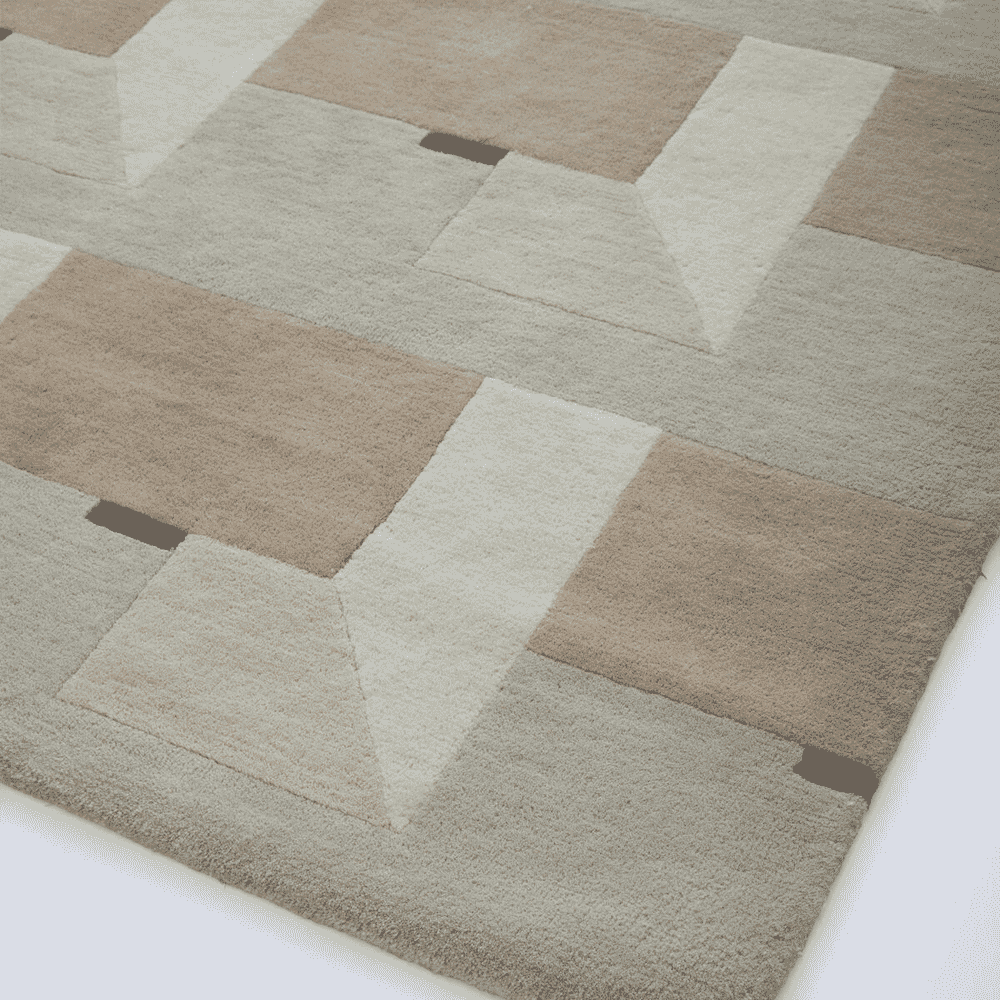
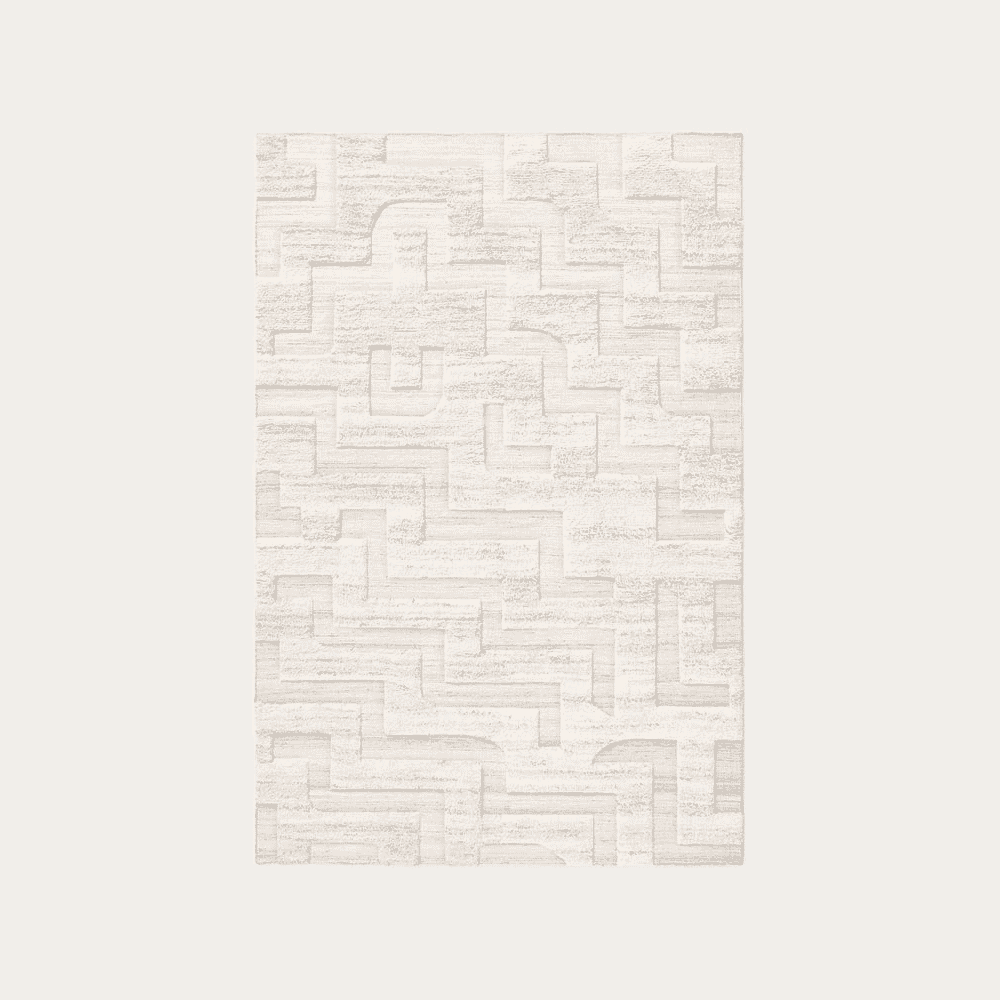
The evolution of the high/low pile technique has reached a zenith. By varying the height of the wool fibers, weavers are creating "touchable" landscapes that offer sensory depth without the need for loud colors. The 2026 trend focuses heavily on bouclé wool and complex, maze-like patterns that provide a sophisticated visual rhythm. These pieces act as a soft-focus lens for the room, blurring the lines between art and utility. To master this look, I recommend pairing a high-texture rug with sleek, smooth surfaces—like a polished marble coffee table or a brushed steel lounge chair—to create a compelling material contrast.
Key Takeaways:
- Sensory Depth: Prioritize high/low pile heights to create a 3D effect.
- Materiality: Look for chunky bouclé and felted wool for maximum underfoot comfort.
- Visual Rhythm: Use abstract geometric textures to replace traditional printed motifs.
Earth-Anchored Palettes: Beyond the Gray Era
The clinical gray palette that dominated the last decade is officially being replaced by a more soulful, earth-anchored spectrum. As we curate our homes to be sanctuaries of wellness, the colors we choose must reflect the restorative power of nature.
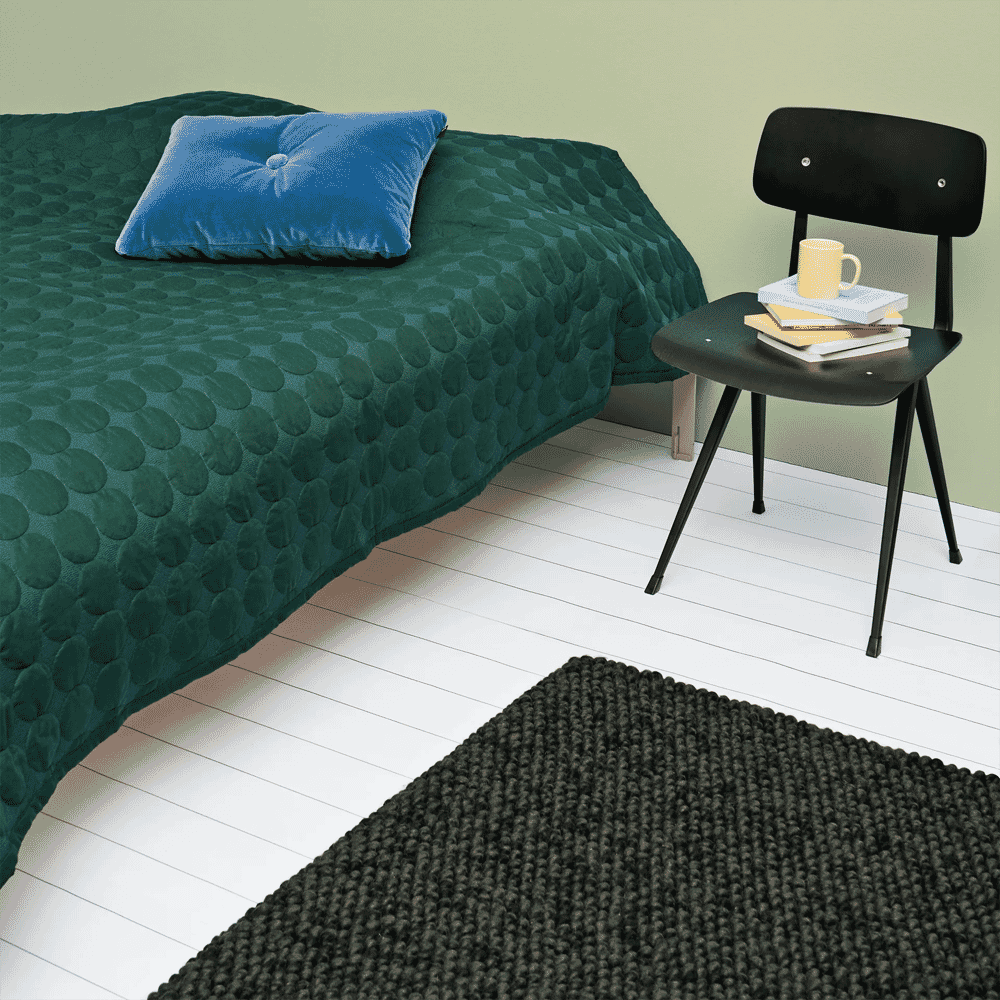
The 2026 palette is defined by moss greens, sun-drenched clays, and muted sandstones. These "warm neutrals" provide a psychological warmth that gray simply cannot replicate. In the bedroom, a dark knitted rug in a charcoal or deep forest hue creates a sophisticated, cocoon-like atmosphere. The goal here is "tonal harmony"—matching your rug to other organic elements in the room, such as a quilted olive bedspread or a walnut bedside table. This approach creates a cohesive, grounded environment that feels both expansive and intimate.
Architectural Geometry and Fluid Shapes
While the palette is softening, the silhouettes are becoming more architectural. We are seeing a fascinating duality: the rise of 3D structural blocks and the counter-movement of fluid, organic lines that break the rigidity of traditional floor plans.
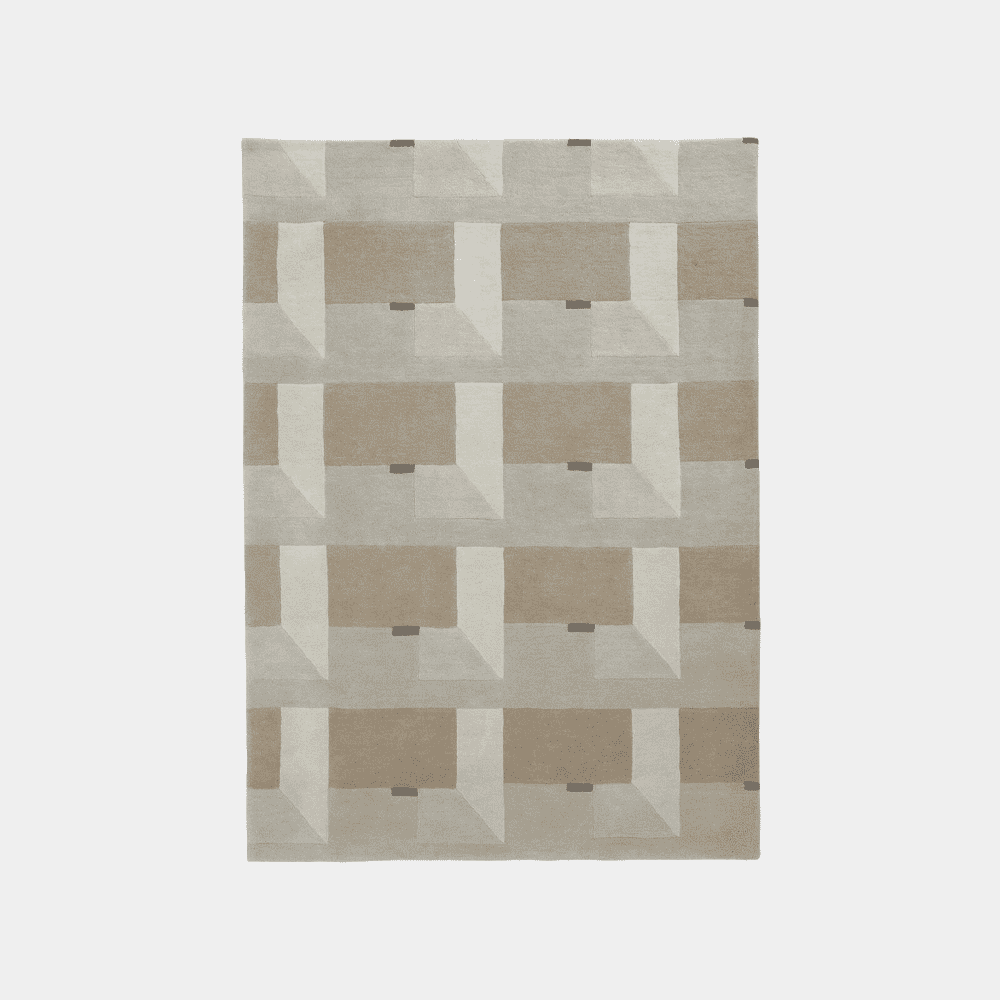
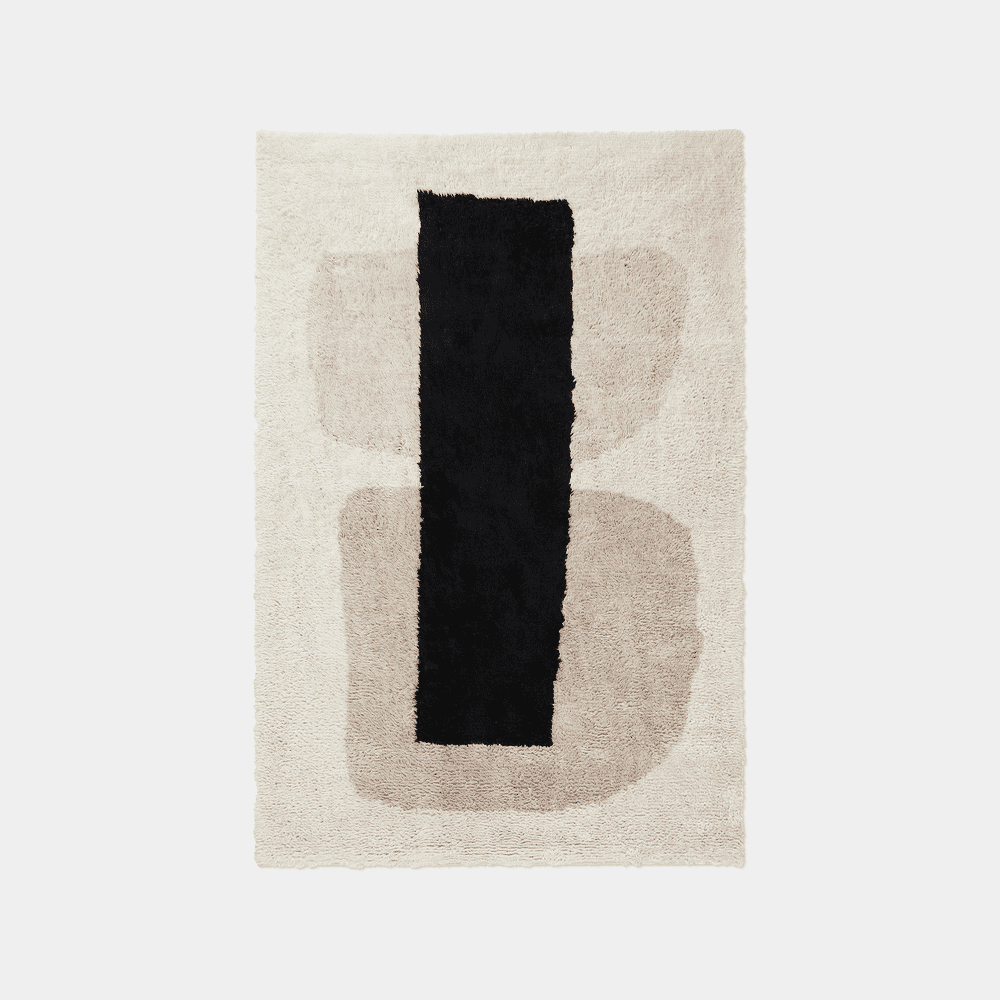
Architectural geometry is being reimagined through subtle color blocking in taupe and cream, where the "design" is actually a change in pile direction or density. Simultaneously, there is a significant move toward fluid shapes—wavy edges and non-geometric, freeform stripes that mimic the flow of water or shifting sands. These organic silhouettes are perfect for softening the hard angles of modern architecture. If your space feels too "square," a rug with fluid, vertical stripes or a freeform edge can introduce a much-needed sense of movement and grace.
Sustainable Luxury: The Rise of Natural Fibers
Luxury in 2026 is inseparable from sustainability. The modern connoisseur is no longer just interested in the aesthetic; they are deeply invested in the provenance of the materials. We’ve seen a 42% surge in searches for "undyed European wool," a testament to the desire for purity in design.
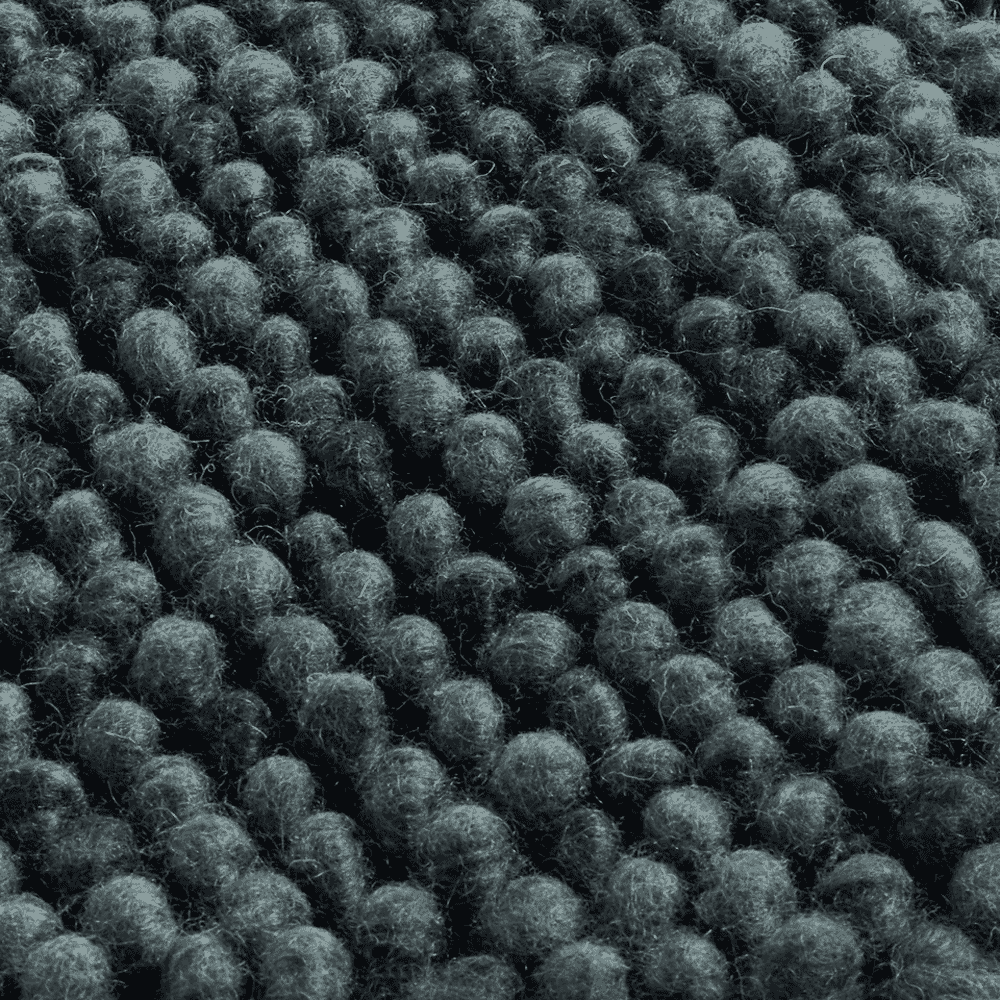
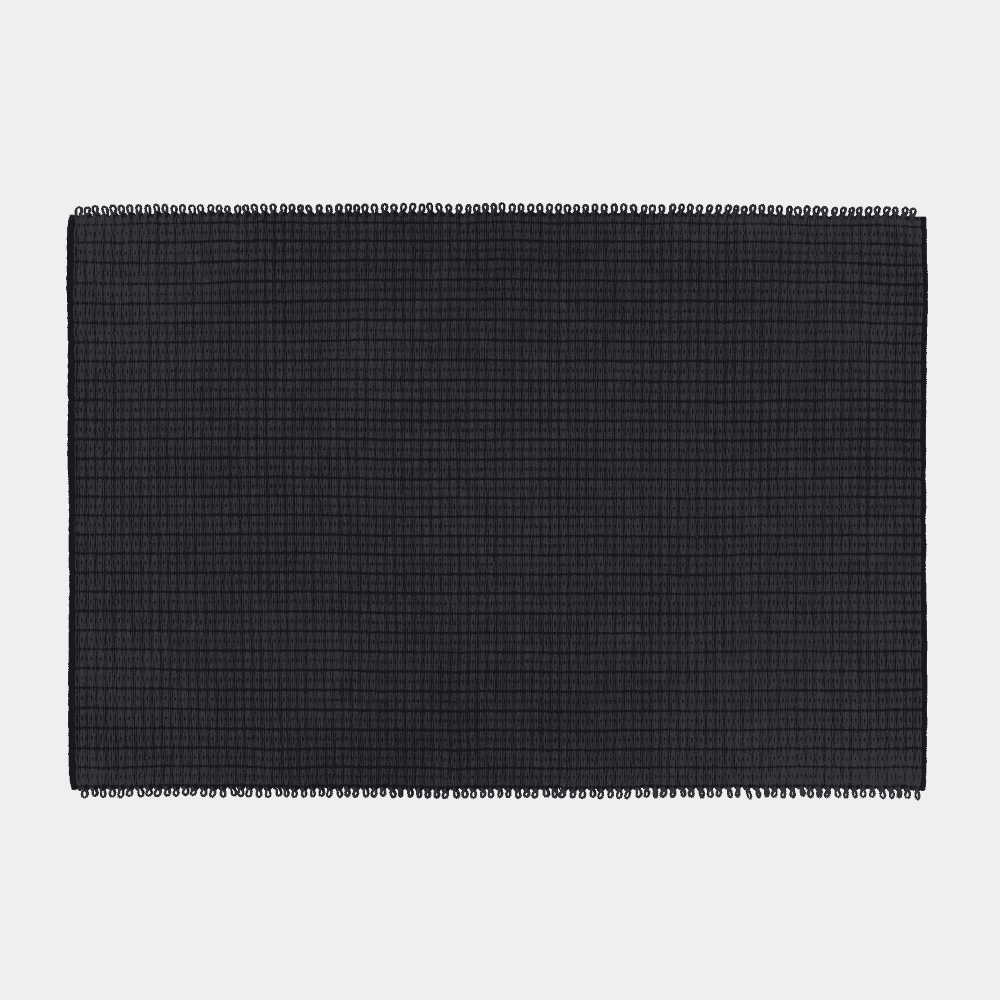
The focus has shifted to natural, high-performance fibers—specifically undyed felted wool and black woven textiles. These materials celebrate the inherent beauty of the fiber itself, including the slight variations in tone that occur naturally. Artisanal details, such as hand-tied fringed edges and delicate woven grids, highlight the "human touch" behind the product. For an investment-worthy space, I suggest opting for these raw, authentic materials. They not only age beautifully but also align with an eco-conscious lifestyle without compromising on the high-end finish that luxury interiors demand.
Key Takeaways:
- Undyed Beauty: Natural wool tones provide a timeless, sophisticated aesthetic.
- Artisanal Integrity: Look for hand-woven details and visible craftsmanship.
- Longevity: Natural fibers offer superior durability and a lower environmental footprint.
The Art of Intentional Layering
To truly master the 2026 minimalist aesthetic, one must understand the art of layering. This is not about clutter; it is about creating a multi-dimensional "floor scape" that adds warmth and architectural interest to a room.
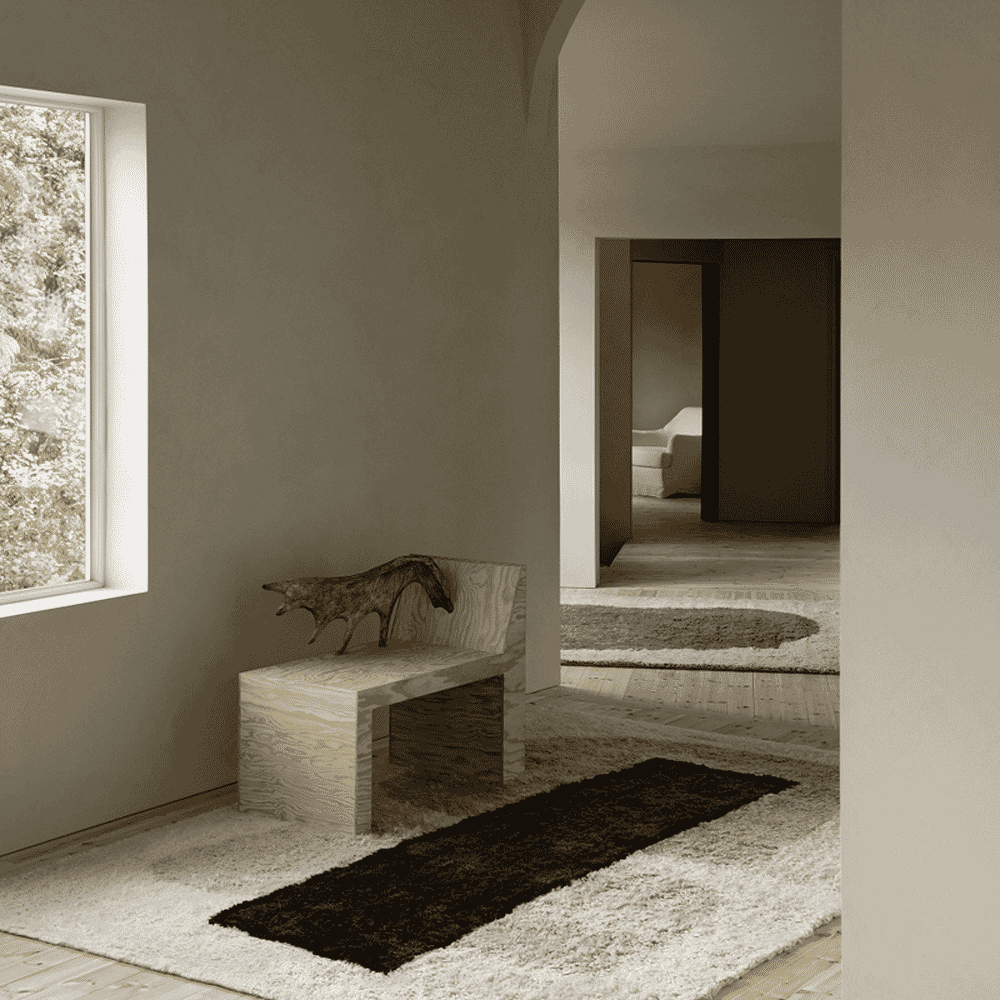
The most sophisticated interiors of 2026 utilize a flat-weave base—often in a neutral jute or low-profile wool—topped with a smaller, high-pile focal rug. This creates a frame within a frame, drawing the eye toward specific sculptural accents like a vintage wooden bench or a curated seating group. Layering allows you to play with different pile heights and textures, creating a space that feels curated over time rather than styled in a day. It is the final, essential step in crafting a home that feels both modern and profoundly lived-in.
As you look toward 2026, remember that a truly luxurious space is one that speaks to the senses. By choosing rugs that prioritize tactile richness, earth-anchored tones, and sustainable craftsmanship, you are not just following a trend—you are setting a new standard for modern living.