Quick Facts
- The Hub: The beating heart of LGBTQ+ life is the Le Marais district (4th Arrondissement), specifically clustered around Rue des Archives and Rue Sainte-Croix de la Bretonnerie.
- Safety Status: Paris is globally recognized as one of the safest and most visible cities for LGBTQ+ travelers, with a deep-rooted culture of "live and let live."
- Must-Visit Landmark: Les Mots à la Bouche is the city’s legendary queer bookstore, serving the community for over 44 years since its founding in 1980.
- Social Impact: Many local venues are activist-led; for instance, La Mutinerie donates roughly 15% of event proceeds to queer and feminist organizations.
- Best Time to Visit: June for Marche des Fiertés (Pride) or late spring (May) to catch the city in full bloom before the summer heat.
Introduction: The Magic of 'Gay Paree'
I’ve spent my career trekking through remote mountain ranges and navigating solo expeditions across forgotten borders, but there’s a specific kind of electricity you only find on the cobblestone streets of Paris. They call it "Gay Paree" for a reason. Since the days of Oscar Wilde and Gertrude Stein, this city has acted as a creative sanctuary and a radical refuge for those living outside the lines.
Today, that spirit is more vibrant than ever. When we talk about "Gay Paris," we are talking about a living, breathing ecosystem of culture. The epicenter is undoubtedly Le Marais. If you find yourself standing at the intersection of Rue des Archives and Rue Sainte-Croix de la Bretonnerie, you aren’t just at a crossroad; you’re in the center of the queer universe. Here, the rainbow flags aren't just for June—they are part of the permanent architecture of the neighborhood.
Whether you’re here to trace the footsteps of literary giants or to dance until the sun hits the Seine, Paris offers an art de vivre (art of living) that is uniquely inclusive. It’s a city that rewards the flâneur—the aimless wanderer—and as a community, we’ve been wandering these streets, making them our own, for centuries.
Practicalities: Safety and Getting Around
Navigating Paris is an adventure in its own right, but for the LGBTQ+ traveler, it’s one of the most low-stress urban environments on the planet. From my experience, the level of visibility here is refreshing. You’ll see same-sex couples holding hands from the Canal Saint-Martin to the shadows of the Pantheon without a second thought.
However, "Parisian polite" is a real thing. The most important tip I can give you for a smooth expedition: Always say "Bonjour" when entering a shop or café. It’s the universal "peace treaty" of French social interaction.
The Metro is your best friend. It’s efficient, safe, and honestly, quite romantic in its own gritty way. Grab a "Paris Visite" pass or use the "Bonjour RATP" app to navigate. Most of the queer nightlife is concentrated in the 3rd and 4th arrondissements, which are incredibly walkable. If you’re out late, the Metro runs until about 1:30 AM on weekdays and 2:30 AM on weekends; after that, Uber and the "Noctilien" night buses are reliable.
Pro-Tip: The Staircase Challenge Want the best view of the city without the Eiffel Tower crowds? Head to the Sacré-Cœur in Montmartre at sunset. It’s a steep hike, but the energy of the buskers and the panoramic view of the skyline is the ultimate reward for any outdoor enthusiast.
Where to Stay: Queer-Owned and Iconic Hotels
Choosing your base camp in Paris is all about neighborhood "vibe." If you want to be steps away from the best bars, Le Marais is non-negotiable.
- Jules et Jim (Le Marais): This is the gold standard for queer-owned boutique hotels. It’s built around a hidden courtyard and features its own photo gallery. The design is industrial-chic—think exposed stone and sleek glass. It feels less like a hotel and more like the cool apartment of a Parisian artist.
- Hotel Duo: Located right on Rue du Temple, this spot offers incredible tactical value. It’s stylish, features a great lobby bar, and puts you exactly three minutes away from the legendary COX bar.
- Maison Proust: For those who want to lean into the literary history of the 3rd arrondissement, this is pure luxury. Each floor is dedicated to the world of Marcel Proust, complete with a stunning Moroccan-style spa in the basement.
| Hotel | Category | Best For | Vibe |
|---|---|---|---|
| Jules et Jim | Boutique | Art lovers & Couples | Industrial, chic, social |
| Hotel Duo | Mid-range | First-timers | Modern, central, lively |
| Maison Proust | Luxury | Romantic getaways | Opulent, historic, quiet |
Savoring the City: Gay-Owned Dining and Historic Cafés
Eating in Paris is a marathon, not a sprint. We start with a slow apéritif and let the evening unfold.
For a dose of history, you have to cross the river to Saint-Germain-des-Prés and visit Café de Flore. This was the "office" of James Baldwin during his years in Paris. Sitting here with a café crème, you can almost feel the weight of the queer intellectual history that was written at these very tables.
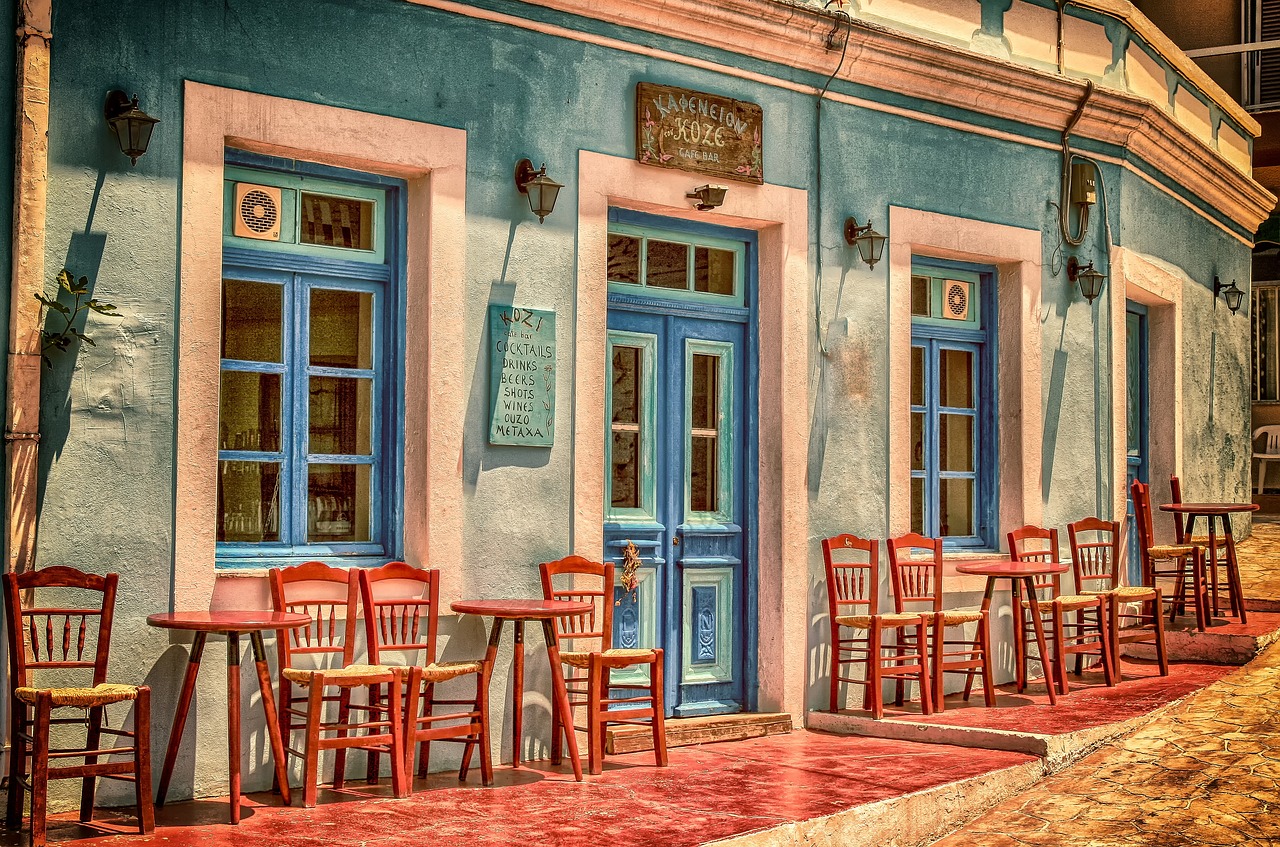
Back in the Marais, Des Gars dans la Cuisine is a local favorite. The owners have created a space that is sophisticated but never pretentious, serving seasonal French menus that change with the markets. If you’re looking for the ultimate people-watching spot, head to Les Marronniers on Rue des Archives. Look for the rainbow-flag awnings; it’s the perfect place to sit outside, order a glass of rosé, and watch the parade of Parisian fashion go by.
After Dark: The Best Gay Bars and Nightlife
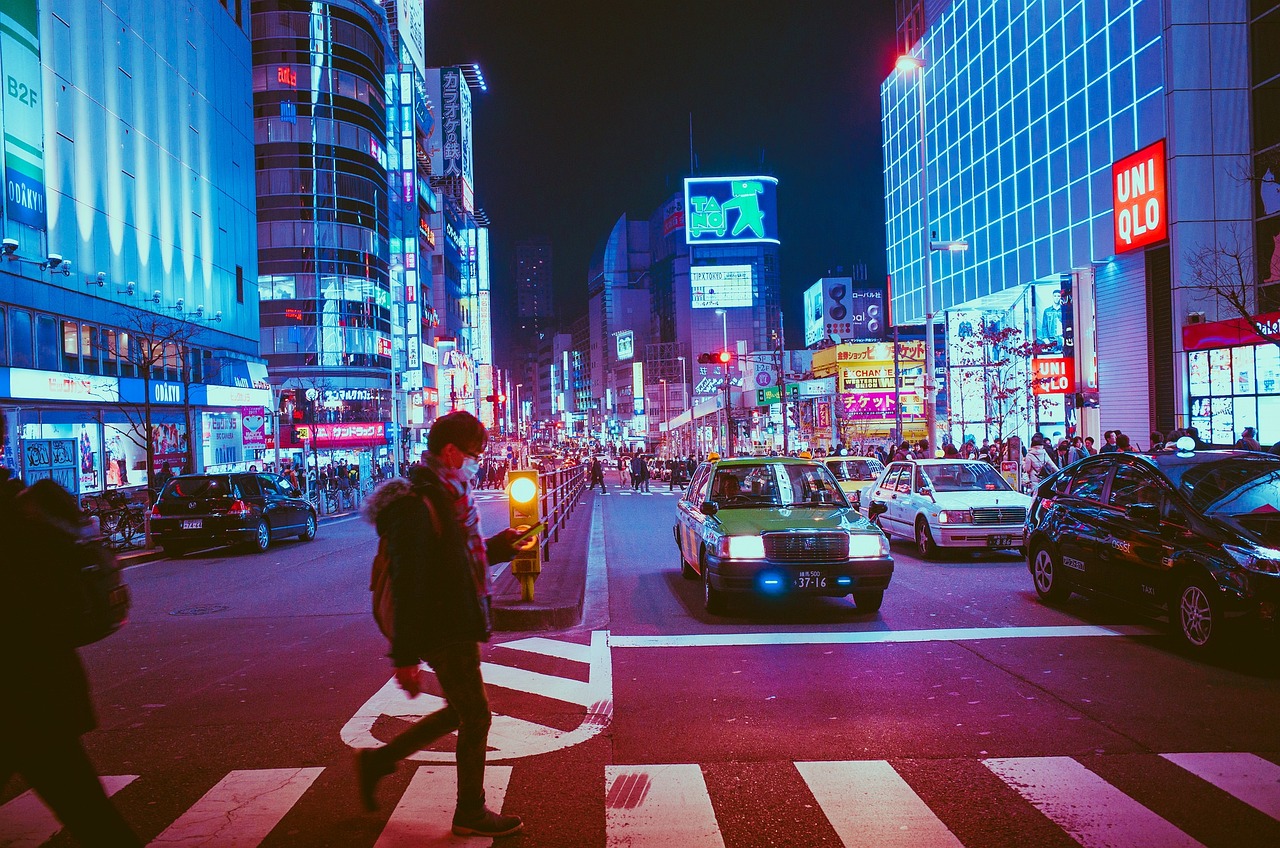
The nightlife in Paris is a choose-your-own-adventure story. Whether you want a quiet cocktail or a sweaty basement dance floor, the Marais delivers.
- COX Bar: This is where the night begins. The terrace is almost always packed, especially during happy hour. It’s the legendary "see and be seen" spot of the neighborhood.
- Raidd: Famous (or perhaps infamous) for its "Shower Show." Around midnight, dancers perform under a waterfall behind glass. It’s high-energy, tourist-friendly, and always a spectacle.
- La Mutinerie: This is the heart of the radical queer and feminist scene. Located near Père Lachaise, it’s a space with a mission. They host everything from pool tournaments to political workshops, and socially conscious travelers should know that 15% of their event proceeds go directly to supporting local activist organizations.
- Rosa Bonheur: For a more "outdoorsy" vibe, head to the Parc des Buttes-Chaumont on a Sunday afternoon. This guinguette (open-air tavern) is named after the famous lesbian painter and is the place to be for Sunday drinks in the sun.
- Freedj: If you want to dance but aren't ready for a massive club, Freedj offers a neon-lit basement that plays everything from pop hits to house.
Pro-Tip: The "Demi" vs. "Pinte" If you’re looking to save a few Euros, ask for a "un demi" (a half-pint). It’s the standard Parisian beer order. Also, keep an eye out for "Happy Hour" signs, which often run until 9:00 PM in the Marais.
Culture and Queer History
Paris isn't just about the present; it’s a city where history is layered like a croissant. To truly understand Gay Paris, you have to look for the "hidden" gems in its most famous institutions.
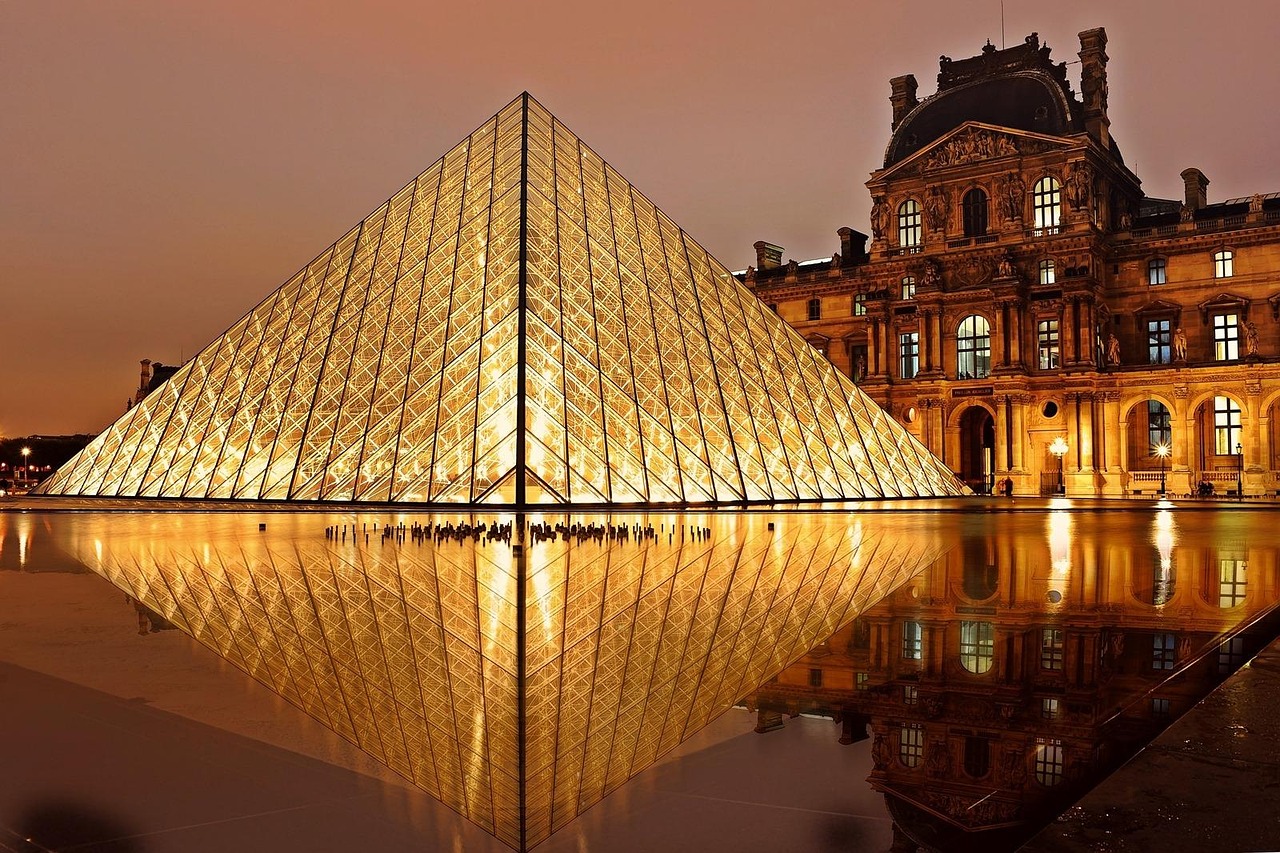
Inside The Louvre, look for the Sleeping Hermaphrodite, a Roman marble copy that has fascinated viewers for centuries. Or find Michelangelo’s Dying Slave; the homoerotic tension in the sculpture is a testament to the artist’s own complex identity.
For a more direct connection to the community, a visit to Les Mots à la Bouche is essential. This iconic bookstore has been a cornerstone of the LGBTQ+ community for over 44 years. Established in 1980, it survived the dark years of the AIDS crisis and remains a vital hub for queer literature, art books, and international magazines.
Finally, take a walk through Père Lachaise Cemetery. It’s the ultimate "off-the-beaten-path" trek within the city. You can pay your respects at the tomb of Oscar Wilde (now covered in glass to protect it from the thousands of lipstick kisses left by fans) or visit the final resting places of Gertrude Stein and Marcel Proust.

Essential LGBTQ+ Events
If you can time your expedition to coincide with a major event, you’ll see the city at its most exuberant.
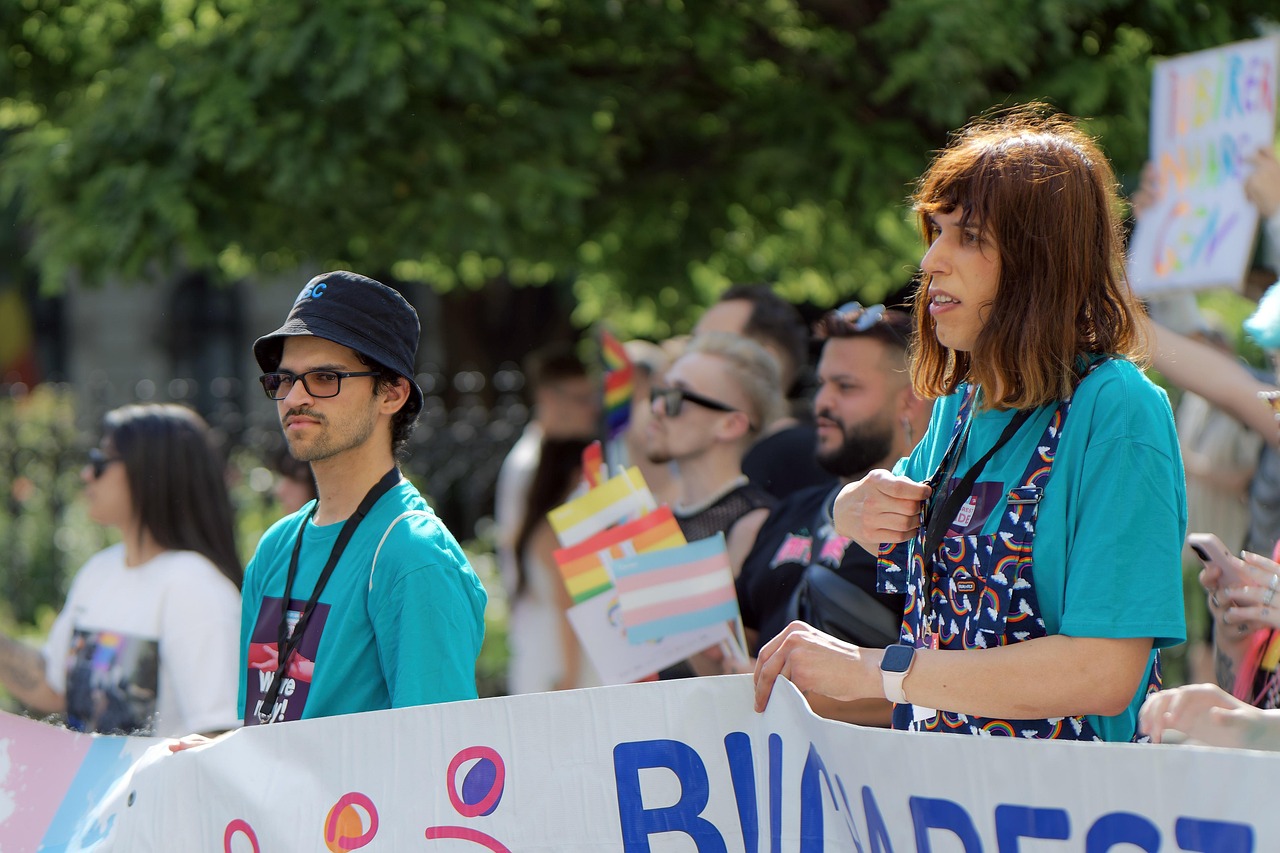
- Marche des Fiertés (Paris Pride): Held every June, this is one of the largest Pride parades in Europe. Unlike many corporate-heavy Prides, the Paris march still feels deeply political and community-driven. It usually ends with a massive, free concert at the Place de la République.
- Vendredi X: If you’re visiting outside of Pride month, look for "Vendredi X." It’s a recurring Friday night party that moves between venues and represents the new wave of Parisian queer nightlife—diverse, energetic, and very stylish.
Frequently Asked Questions
Is Paris safe for solo LGBTQ+ travelers? Absolutely. As someone who often travels alone, I find Paris to be one of the most welcoming cities. Standard "big city" precautions apply—watch your pockets in tourist-heavy areas like Montmartre—but in terms of LGBTQ+ safety, the city is top-tier.
Do I need to speak French to enjoy the gay scene? No, but it helps! In the Marais, most bartenders and servers speak excellent English. However, starting any interaction with "Bonjour" and ending with "Merci" will get you significantly better service.
What is the "Gayest" neighborhood outside of Le Marais? While the Marais is the center, Belleville and the area around Canal Saint-Martin are becoming increasingly popular with a younger, "boho-queer" crowd. You’ll find more underground parties and alternative spaces there.
Conclusion
Paris is more than just a destination; it’s an experience that settles into your bones. It’s a city that has fought for its right to be fabulous, and that resilience is palpable in every café conversation and every crowded dance floor. Whether you're exploring the queer archives of the Louvre or sharing a bottle of wine on a Marais terrace, you're becoming part of a story that's been unfolding for centuries.
So, pack your most stylish walking shoes, brush up on your "Bonjour," and get ready to navigate the most beautiful city in the world. I'll see you on the Rue des Archives.