Quick Facts
- The World’s Largest Wood Panel Painting: Titian’s Assunta (Assumption of the Virgin), standing at a monumental 22 feet, is housed in the Basilica dei Frari and recently underwent a meticulous four-year restoration.
- The Guardians of Heritage: Save Venice, an American nonprofit, has completed nearly 2,000 restoration projects since its inception, managing a constant portfolio of 40 to 50 active sites.
- The High Tide Crisis: The 2019 floods accelerated conservation efforts, leading to critical weatherization and flood barrier installations at sites like the Church of San Sebastiano to protect 16th-century masterpieces.
- A New Perspective on Art History: Current initiatives are highlighting the "Women Artists of Venice," uncovering the forgotten legacies of over 30 female masters who shaped the city’s creative soul.
The Living Masterpiece and Its Fragile Reality
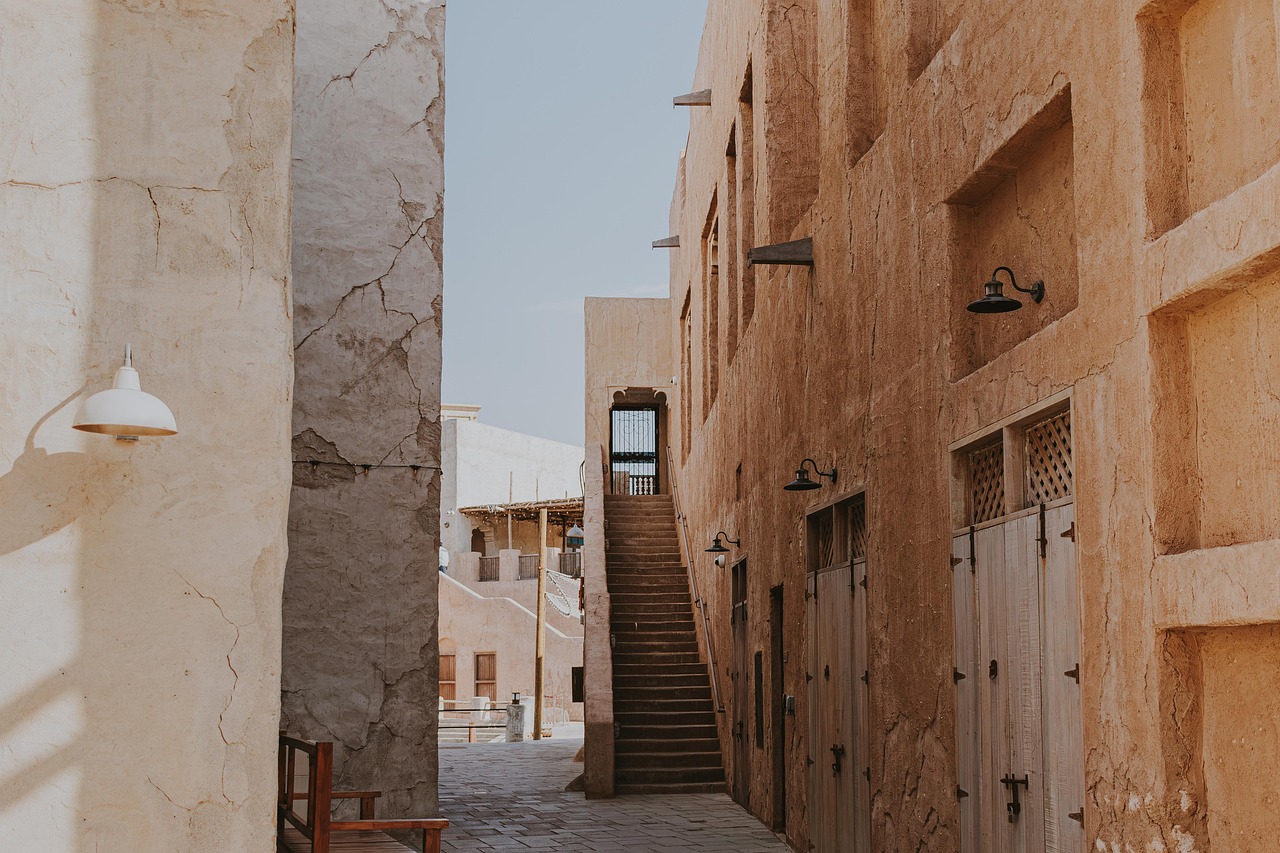
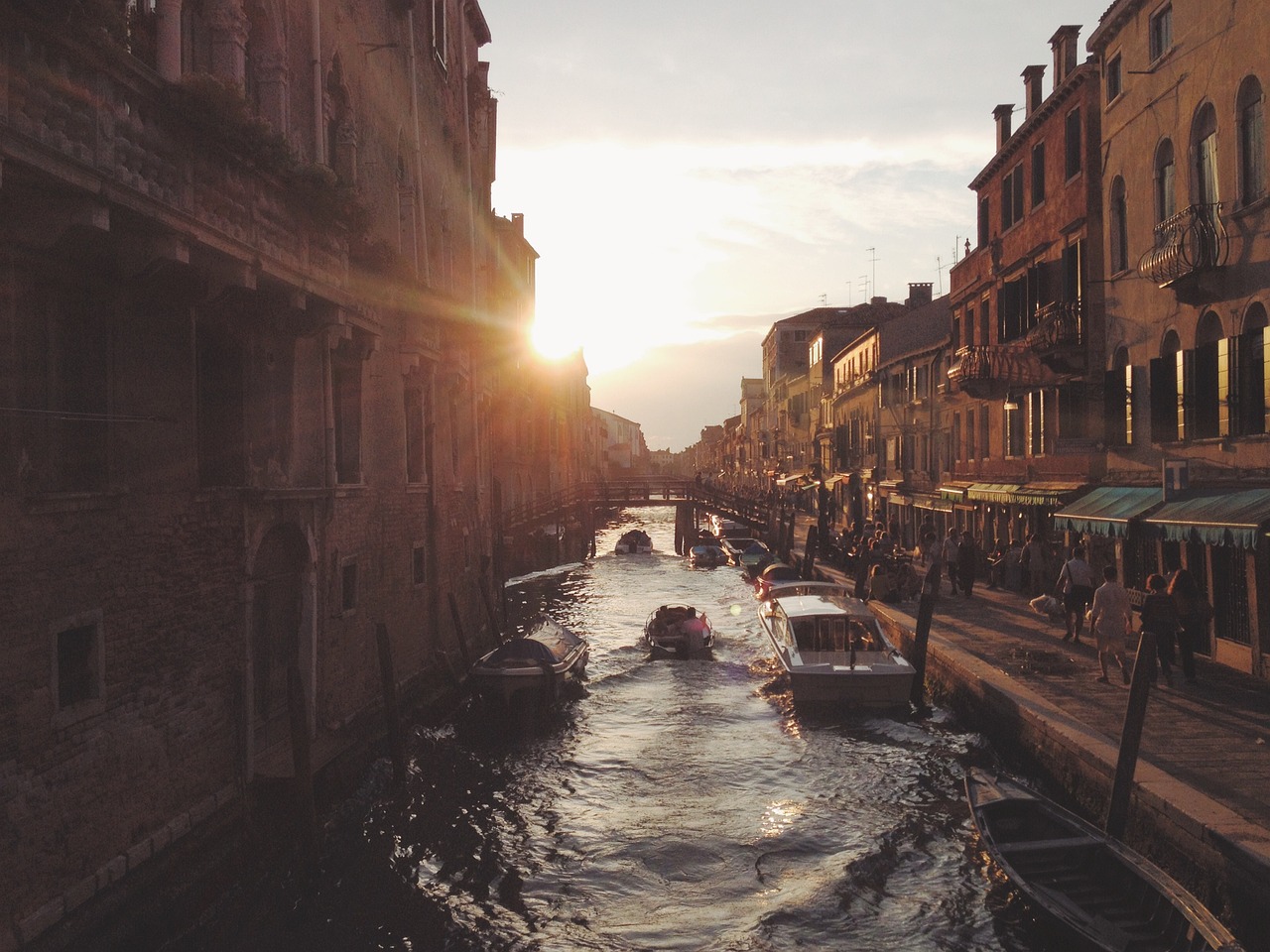
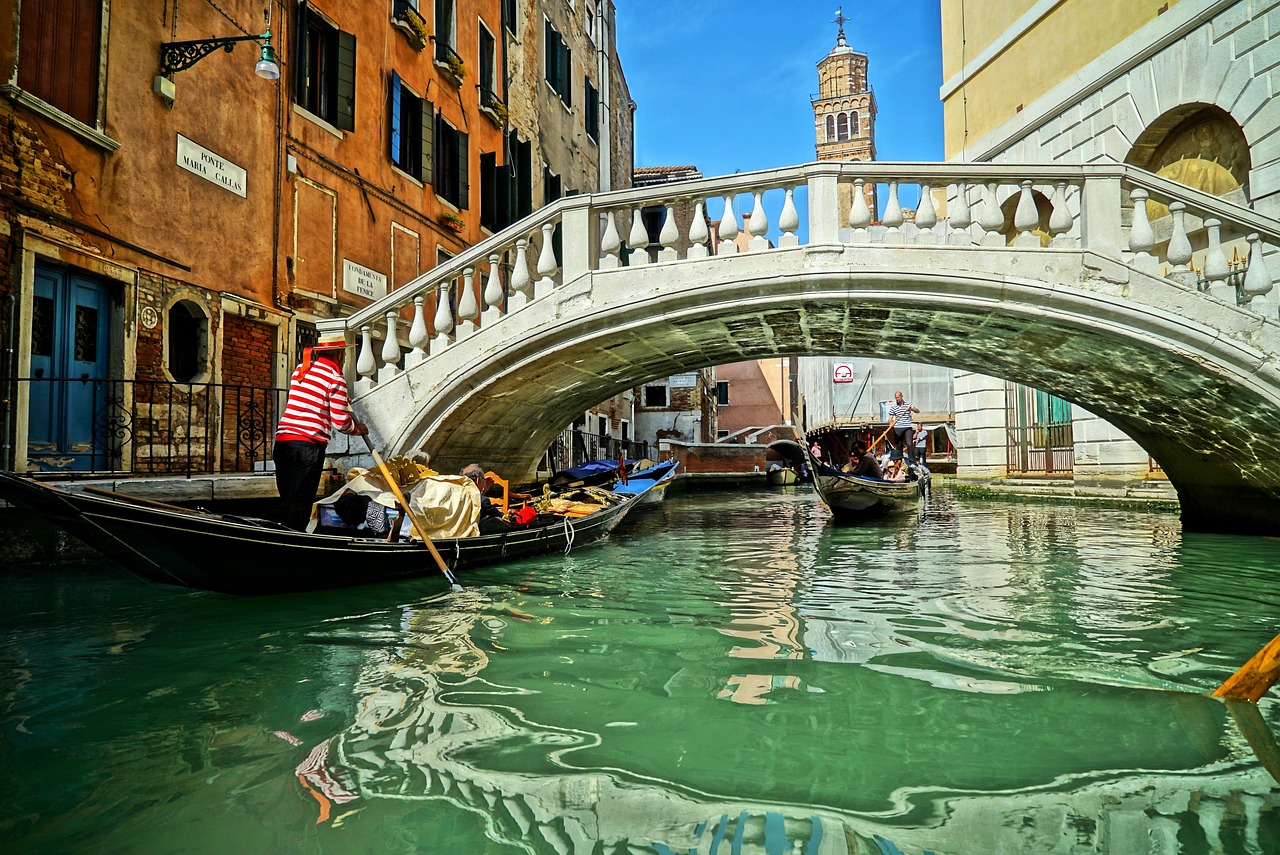
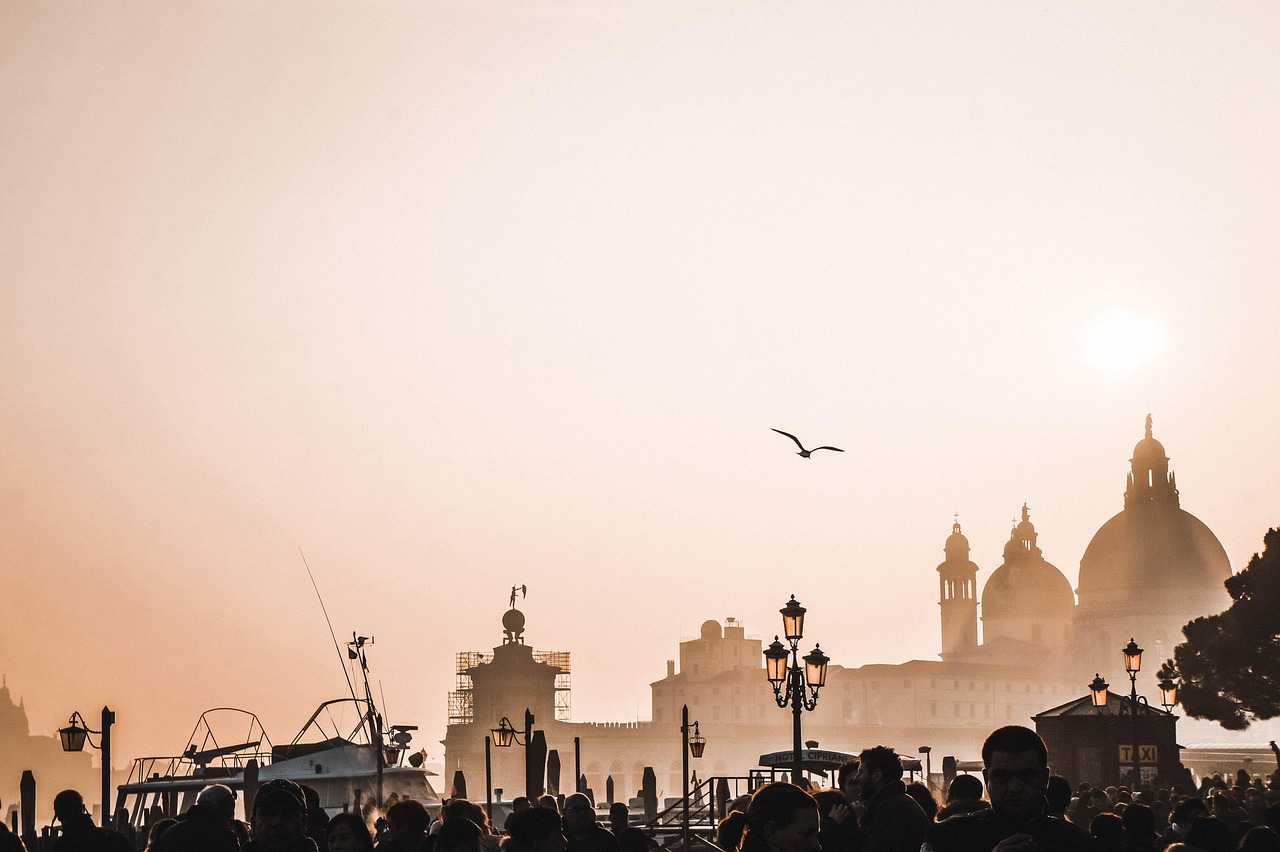
Venice is a city that exists in a state of perpetual, shimmering defiance. To arrive at the Gritti Palace’s bobbing wooden dock as the morning mist lifts off the Grand Canal is to witness a landscape that feels more like an oil painting than a modern municipality. Yet, beneath the romantic facade of crumbling ochre plaster and the rhythmic slap of emerald water against Istrian stone lies a sobering reality. The very elements that give Venice its ethereal beauty—the salt air, the rising tides, the shifting mud of the lagoon—are also its greatest threats.
For the discerning traveler, a weekend in Venice is no longer merely about checking off landmarks; it is an invitation into the quiet, reverent world of stewardship. To walk through the city today is to walk alongside the masters of restoration—the chemists, historians, and artisans who are fighting a silent war against time and the elements. Organizations like Save Venice have transformed the city into a living laboratory, where Renaissance legends are being brought back from the brink of decay.
"Venice is not a museum to be observed from a distance; it is a breathing organism that requires our constant, tactile devotion." — A sentiment often echoed by the conservationists at Save Venice.
Titian’s Assunta: A Triumph of Nine Thousand Hours
The heart of Venetian high art beats loudest within the cavernous nave of the Basilica dei Frari. Here, perched above the high altar, sits Titian’s Assunta (Assumption of the Virgin). It is, quite literally, a heavyweight of the art world—the largest painting on a wood panel in the world, standing an imposing 22 feet high.
Until recently, the masterpiece was obscured by centuries of grime, oxidized varnish, and the subtle but devastating effects of fluctuating humidity. The restoration of Titian’s Assunta was an undertaking of staggering proportions, requiring 9,000 hours of specialized technical labor over a four-year period. Conservationists worked on multi-level scaffolding, meticulously cleaning every square inch of the panel to reveal the vibrant "Titian Red" and the golden celestial light that had been muted for generations.
Visiting the Frari today offers a transformative experience. Without the veil of darkened oils, the painting regains its theatrical depth. You can now see the individual brushstrokes that suggest the flutter of an angel’s wing or the startled expression of an apostle. It is a reminder that even the most enduring monuments require a human touch to remain eternal.

Behind the Scaffolding: Save Venice and the Art of Conservation
While the Assunta is the crown jewel, the work of Save Venice organization preservation extends into every corner of the lagoon. This American nonprofit has become the city’s most vital lifeline, having successfully completed close to 2,000 individual restoration projects. At any given moment, they are managing between 40 and 50 active conservation sites.
The urgency of this work reached a fever pitch following the devastating Acqua Alta (high tide) of November 2019. The floods were a wake-up call, proving that even "safe" interiors were vulnerable. At the Church of San Sebastiano, which houses a cycle of paintings by Paolo Veronese, the impact of rising waters necessitated an immediate shift in strategy. Beyond cleaning canvases, the project expanded to include the installation of flood barriers and the weatherization of historic windows to protect the delicate 16th-century interiors from the humid, salt-laden air.
Table: Key Restoration Projects by Save Venice (2020–2026)
| Project Site | Focus Area | Impact |
|---|---|---|
| Basilica dei Frari | Titian’s Assunta | Restored structural integrity of the 22ft wood panel. |
| Church of San Sebastiano | Veronese Cycle | Completed weatherization and flood protection. |
| Scuola Grande di San Rocco | Tintoretto Masterpieces | Advanced lighting and climate control installation. |
| Italian Synagogue | Jewish Ghetto Heritage | Structural reinforcement and decorative restoration. |
Sometimes, the act of preservation leads to breathtaking discovery. During the restoration of the Church of Santa Maria dei Miracoli—often called the "marble church"—restorers found that the intricate patterns of the stone weren't just decorative but were designed to shimmer like Islamic textiles, reflecting Venice’s historical role as a bridge between the East and West.
The Jewish Ghetto: Uncovering 500 Years of Hidden History
Away from the foot traffic of San Marco, the Campo di Ghetto Nuovo offers a different, more vertical perspective of Venice. In this historic enclave, buildings were constructed upward because the community was confined to a small area, creating "skyscrapers" of seven or eight stories.
The current Jewish Ghetto Venice heritage sites projects are some of the most emotionally resonant in the city. Restorers are currently peeling back layers of 19th-century interventions to reveal the original 16th-century terrazzo floors beneath. These floors, made of crushed marble and lime, are not just beautiful; they are resilient, designed to flex with the movement of the city’s wooden pile foundations.
One of the most exciting developments in Venetian conservation is the "Women Artists of Venice" program. Historically, the narrative of Venetian art has been dominated by men like Titian, Tintoretto, and Veronese. However, researchers have now identified over 30 female masters—such as Giulia Lama and Rosalba Carriera—whose works are being pulled from the shadows of damp sacristies and restored to their rightful place in the sun.

The 2026 Cultural Agenda: Where Past Meets Future
A weekend in Venice is a lesson in the layers of time. As we look toward 2026, the city continues to bridge the gap between its Renaissance legends and contemporary voices. The Venice Biennale and major exhibitions at venues like Palazzo Grassi (featuring artists like Michael Armitage) prove that Venice is not merely a relic but a continuing dialogue.
To truly "see" Venice, one must adopt its pedestrian pace. The city reveals its secrets to those who walk its backstreets, far from the tourist throngs.
A Sensory Guide to the Rialto and Beyond
- The Morning Market: Arrive at the Rialto market by 7:30 AM. Watch the barges unload crates of purple artichokes from the island of Sant'Erasmo and silver-scaled sea bass from the lagoon.
- The Cicchetti Ritual: Head to Corte dell’Orso. This tiny tucked-away spot is perfect for cicchetti (Venetian tapas). Order the baccalà mantecato (creamy salt cod) on a crusty slice of bread and a small glass of Ombra (local wine).
- The Hidden Courtyards: Wander through the Cannaregio district. Look for half-open gates that reveal private gardens where the scent of jasmine competes with the salty tang of the canal.
"The true luxury of Venice is not in the grand hotels, but in the silence of a courtyard where the only sound is the ringing of a distant bell."
Logistics: Planning Your Heritage Weekend
To experience the city as the restorers do—with clarity and focus—timing and movement are essential.
- When to Visit: The "authentic" window remains November through March. Yes, the air is chilly and the Acqua Alta is a risk, but the light is crystalline, and the crowds are thin, allowing for a near-reverent silence inside the churches.
- Navigating the Lagoon: The Vaporetto system is your primary lifeline. Avoid the temptation of expensive private water taxis for every trip; the public water bus offers the best views of the Grand Canal’s Gothic palazzos.
- The Cruise Ship Shift: Note that large cruise ships are now diverted to the Marghera port. This has significantly reduced the overwhelming "peak hour" congestion, making the city much more walkable for heritage-focused travelers.
- Where to Stay: While San Marco is the center, consider the Dorsoduro district for boutique properties and a more academic, artistic atmosphere near the Accademia Gallery.
FAQ: Your Essential Venice Restoration Questions
Q: Can I actually see restoration work in progress? A: Yes. Many Venice art restoration tours and churches, such as the Basilica dei Frari or San Sebastiano, occasionally allow visitors to view the scaffolding or provide "restoration in view" sessions where you can see artisans at work through glass partitions.
Q: How can I support these conservation efforts? A: The most direct way is through organizations like Save Venice or Venice in Peril. Membership often grants exclusive access to restoration sites and private tours of hidden collections not open to the general public.
Q: Is the Titian Assunta permanent now that it's restored? A: Restoration is never "finished." While the 9,000-hour project has stabilized the painting for decades to come, the church monitors climate and humidity daily to ensure the 16th-century wood panel does not warp or crack again.
CTA: Support the Future of La Serenissima
Venice’s soul is preserved not just by stone and paint, but by the people who care for it. Your visit contributes to the local economy that sustains these artisans. If you wish to go deeper, consider joining a heritage tour or donating to the ongoing efforts to weatherize the city's most vulnerable treasures.