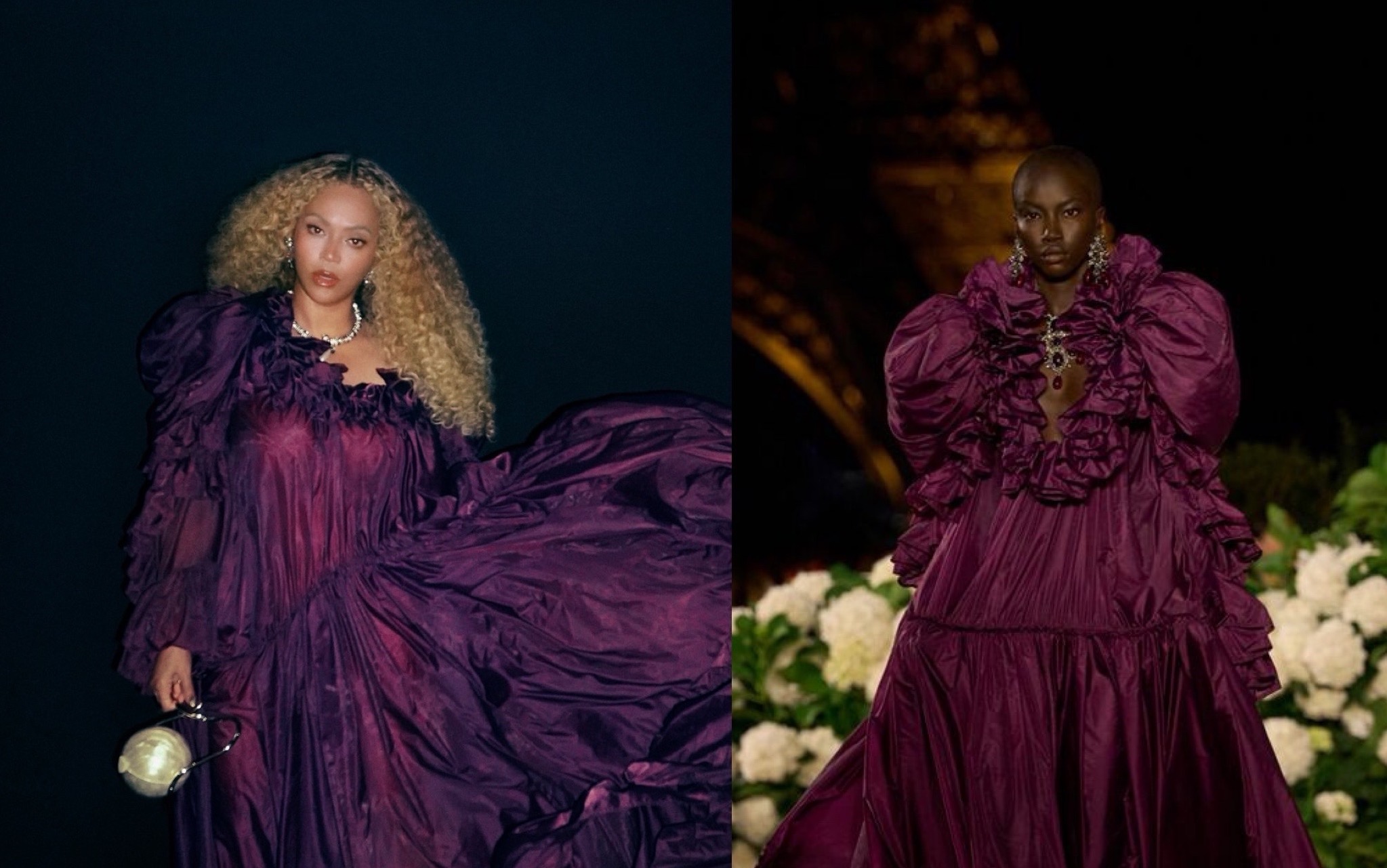
In the high-speed world of 2026, the modern man’s most valuable asset is his time. This reality is driving the surge in monochromatic dressing—a style philosophy that eliminates the friction of matching while projecting an image of quiet, calculated power.
The Monochromatic Shift: Why Less is More in 2026
For decades, "monochrome" was synonymous with the safe, predictable confines of black and white. But as we move into the 2026 season, the definition has evolved. It’s no longer about wearing one single shade from head to toe; it’s about tonal layering—navigating a single color family to create a cohesive, sophisticated silhouette. This shift is practical. By mastering a specific palette, you reduce decision fatigue in the morning while ensuring your wardrobe pieces remain infinitely interchangeable.
The 2026 color palette trends are moving away from sterile minimalism and leaning into "Organic Monochromatics"—rich, earthy tones that feel grounded and intentional.
The New Neutral: Mastering the 'Earthy' Palette
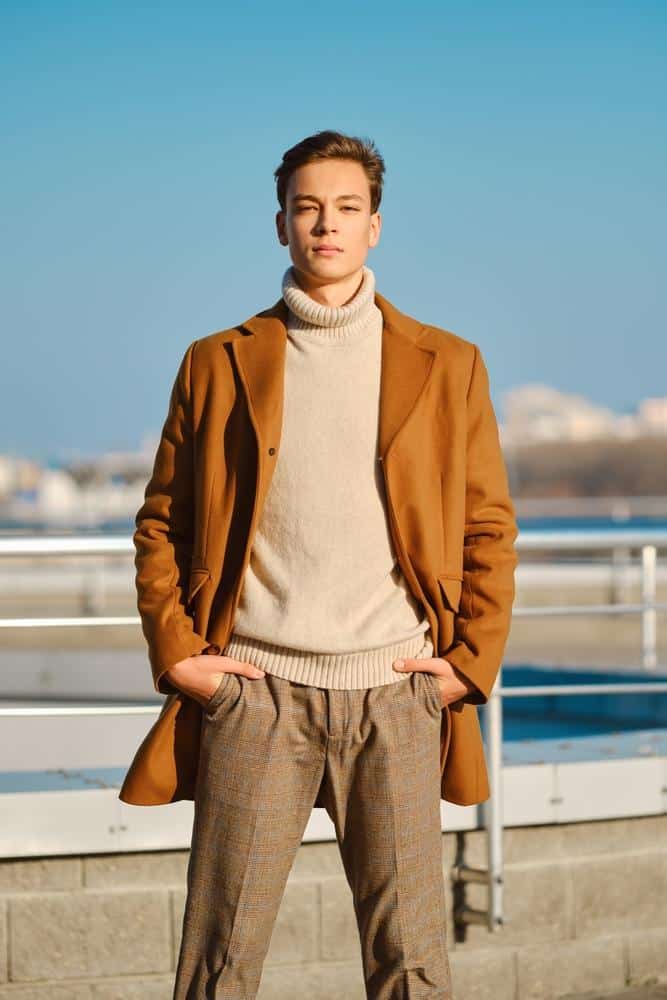
The cornerstone of the 2026 aesthetic is the "Mushroom and Clay" spectrum. These warm, earthy neutrals are replacing the cold greys of previous seasons. In this look, the transition from a cream turtleneck to a structured camel wool coat shows exactly why texture is the secret weapon of monochromatic outfits. Without the contrast of the soft knit against the heavy wool, the outfit would feel flat. By varying the materials, you create visual depth that keeps the eye moving.
Marcus’s Pro-Tips:
- The Weight Rule: Layer lighter fabrics (like silk-cotton blends or fine knits) closest to the skin and heavier, more textured fabrics (wool, corduroy, or heavy cotton) as your outer layer.
- Grounded Silhouettes: Keep your lighter shades on the upper half of your body and transition to slightly darker or more textured tones for your trousers. This anchors the look and prevents you from appearing top-heavy.
- Skin Tone Synergy: Earthy neutrals like clay and beige work exceptionally well for most skin tones, providing a "warmth" that traditional black-and-white palettes lack.
The Timeless 'Man in Black' Reimagined
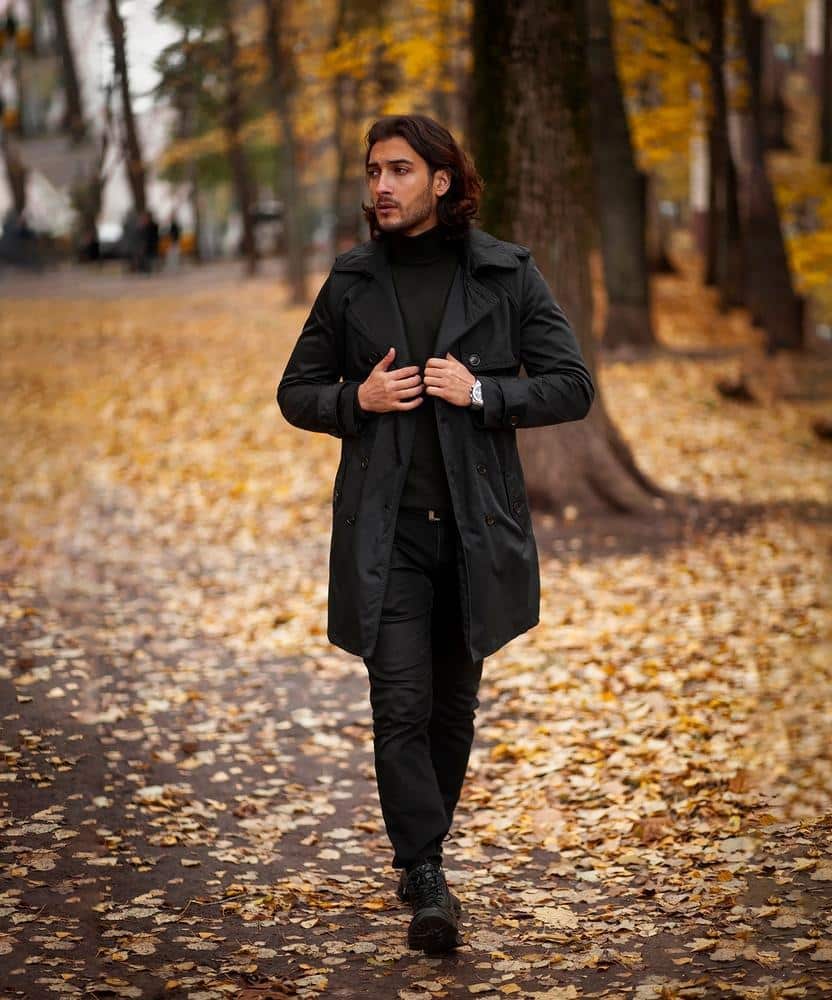
While earthy tones are surging, the all-black uniform remains the ultimate fallback for the urban professional. However, in 2026, the "Man in Black" avoids looking like a waiter by focusing on the "Third Piece Rule." Here, the black trench coat isn't just a layer; it’s the statement. The added length and movement of the trench provide a dramatic silhouette that breaks up the monotony of the dark base. When every item is the same color, the shape and drape of the garment become the focal points.
Marcus’s Pro-Tips:
- Mix Your Blacks: Don't worry if your blacks don't match perfectly. Mixing a faded black denim with a crisp black technical fabric creates an intentional, rugged contrast.
- Focus on Length: Use varied lengths—a shorter inner jacket paired with a longer overcoat—to create "tiers" in your outfit. This prevents the look from becoming a shapeless void.
- The Accessory Exception: In an all-black look, your hardware (watch, belt buckle, zippers) becomes a high-contrast accent. Keep metals consistent (all silver or all gold) to maintain the unified aesthetic.
Adding Visual Depth: The Power of Patterns and Plaid

One of the biggest misconceptions about monochromatic color trends is that patterns are off-limits. In reality, a tonal pattern like a grey-and-black plaid is the most effective way to bridge the gap between "smart" and "casual." A patterned blazer adds a layer of sophistication to a simple black turtleneck, making it suitable for high-stakes office environments or evening events. It breaks the "solid block" effect while remaining strictly within the monochromatic rules.
Marcus’s Pro-Tips:
- Scale Matters: When incorporating patterns into a monochromatic look, keep the scale of the print subtle. Micro-checks and fine windowpane plaids are easier to pull off than bold, loud prints.
- The Base Layer: Always use a solid, dark base (like a black or charcoal turtleneck) when wearing a patterned jacket. This allows the pattern to be the hero of the outfit without competing for attention.
- Professionalism: This is the ideal way to wear monochromatic outfits in a corporate setting. It shows attention to detail and a level of sartorial "IQ" that a standard suit-and-tie combo often lacks.
Summary: Curating Your 2026 Monochromatic Wardrobe
The surge in monochromatic dressing isn't about fading into the background; it’s about standing out through precision. By narrowing your color palette, you actually expand your style's impact. Start by picking a base shade that complements your lifestyle—whether it's the rugged reliability of charcoal or the refined warmth of camel—and lean into the textures.
In 2026, the best-dressed man in the room won't be the one wearing the most colors. He’ll be the one who mastered the art of wearing just one.