We find ourselves at a fascinating intersection where the traditional boundaries of the museum and the runway have dissolved into a singular, breathtaking dialogue of form and philosophy. In this new era, the garment is no longer a mere commodity; it is an artifact of cultural significance, a piece of investment-grade "wearable art" that demands a seat in the gallery.
The Gallery as Runway: A New Era of Cultural Convergence
As curators of our own wardrobes, we are witnessing a profound "art-ification" of the luxury sector. The movement from the boutique to the museum represents more than just a marketing pivot; it signifies a fundamental shift in how we perceive craftsmanship. No longer content with fleeting trends, the modern connoisseur seeks pieces that carry the weight of intellectual inquiry.
When we look at the contemporary fashion landscape, we see the blurring lines between creative disciplines. Designers are increasingly adopting the methodology of the sculptor or the painter, treating fabrics like raw clay. This cross-pollination ensures that every silhouette tells a story beyond the seasonal cycle, positioning fashion as a legitimate branch of the fine arts.
Historical Pillars: When Art First Met the Bodice
The lineage of art-inspired fashion design is both deep and storied. Long before the modern collaboration, the 18th-century Rococo period integrated painterly motifs directly into the weave of courtly silks, treating the bodice as a canvas for intricate floral narratives. By the early 20th century, the geometric revolution of Cubism had dismantled the traditional form, leading to textiles that echoed the fractured perspectives of Picasso and Braque.
Perhaps the most iconic moment in wearable art history arrived in 1966 when Yves Saint Laurent debuted his Pop Art collection. By transposing the bold, color-blocked energy of Piet Mondrian and the kitsch irony of Andy Warhol onto the shifting silhouettes of the sixties, Saint Laurent proved that fashion could be a visceral response to the current art movement. These pieces were not merely dresses; they were declarations of the cultural zeitgeist.
The Architecture of Style: Fashion’s Institutional Home
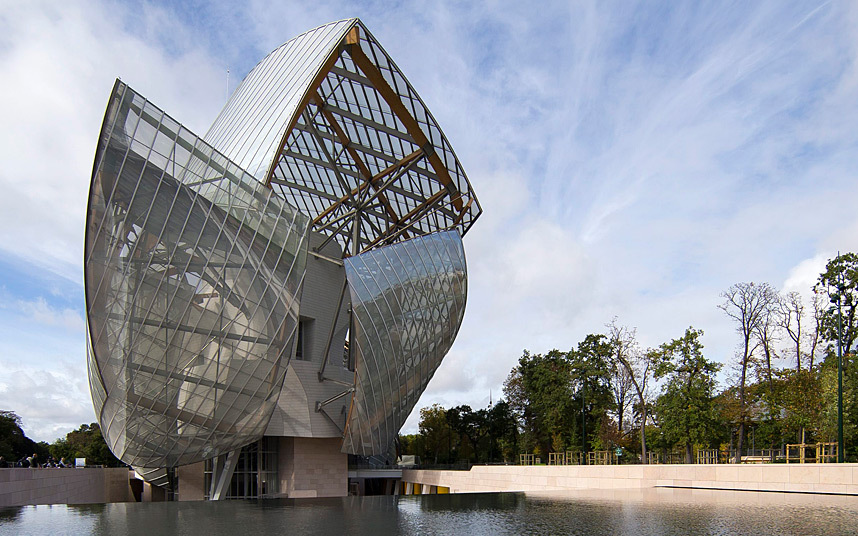
The Musée du Quai Branly in Paris serves as a poignant visual metaphor for this union. Jean Nouvel’s masterpiece—with its glass and steel curves reflecting against the stillness of the water—is where the avant-garde meets institutional heritage. This architecture influences the very way we design silhouettes today; the structural integrity of a tailored coat often mimics the cantilevered eaves and organic glass facades of modern museums.
In this space, fashion finds its preservation. Museums are no longer just archives of the past; they are the stages where the "spirit of design" is housed. When we observe a garment within these walls, we appreciate the fabrication techniques and the sculptural quality of the drapery in a way that the frantic pace of a traditional catwalk never allows.
2026 Global Pilgrimage: The Art and Design Calendar
For those looking to align their travels with the vanguard of creativity, the cross-disciplinary art festivals of 2026 offer a definitive roadmap. The following destinations are essential stops for the fashion-art enthusiast:
- London Design Festival (September 2026): A showcase of how British tailoring is integrating sustainable bio-materials and sculptural 3D forms.
- Art Basel Miami Beach (December 2026): Where high-jewelry and "meta-couture" pieces are increasingly showcased alongside blue-chip paintings.
- The Venice Biennale (Summer 2026): A pilgrimage for those seeking the ultimate intersection of site-specific installation and high-fashion patronage.
We are seeing a significant growth in non-industry attendance at these events. The "lifestyle" voice is becoming dominant, as collectors realize that a limited-edition runway piece can be as valuable—and as evocative—as a canvas hanging on a wall.
The Future of the Crossover: Digital and Sustainable Vanguards
As we look toward the horizon, the impact of art movements on fashion is entering a digital phase. Iris van Herpen's "Shift Souls" collection demonstrated how 3D printing could turn a dress into a fluid, kinetic sculpture that defies traditional tailoring rules. This is the new "canvas"—one where the designer uses algorithms and biological inspiration to create shapes that were previously impossible to construct.
Furthermore, the rise of digital collectibles, such as the Superplastic x Gucci collaboration, marks the birth of the NFT as a luxury accessory. These digital avatars and virtual garments are the latest frontier of artistic expression, allowing designers to experiment with gravity and light in ways the physical world cannot accommodate. This intersection of technology and artistry ensures that the dialogue between the canvas and the catwalk will only become more complex and mesmerizing.
To dress for the contemporary moment is to engage with history, architecture, and the future of digital expression. As we continue to blur these lines, we find that fashion is not just a reflection of art—it is the art itself, lived and breathed in the physical world.