In a world of neon-soaked hype and fleeting micro-trends, there is one colorway that remains the undisputed king of the concrete jungle. For New Balance, grey isn't just a choice; it’s an identity.
The Monochrome Manifesto
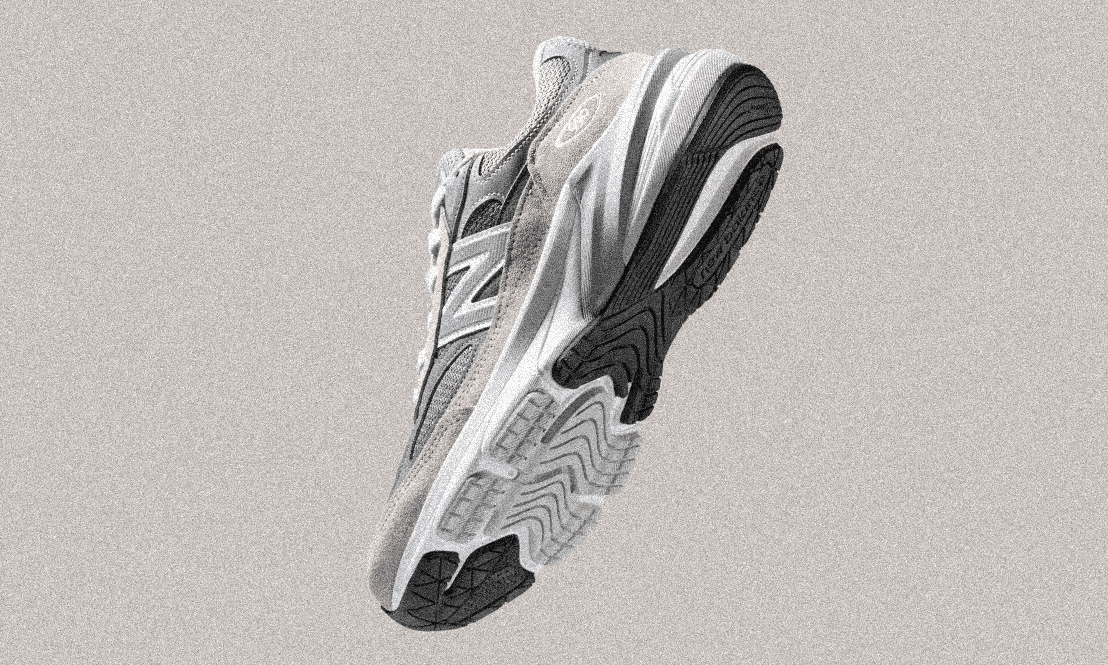
Every May, the sneaker world pauses for Grey Days, a global celebration of the palette that defines New Balance’s DNA. While the 1980s were obsessed with flashy neon and tech-heavy aesthetics that screamed for attention, New Balance took the "intelligent choice" route. They opted for grey—a hue that mirrored the urban running environment and signaled a rejection of superficiality. This monochrome manifesto wasn't about being loud; it was about being right. Today, wearing a pair of grey New Balances is a quiet flex of cultural awareness, connecting you to a lineage of purists who value substance over sizzle.
The Philosophy of 'No-Nonsense' Design
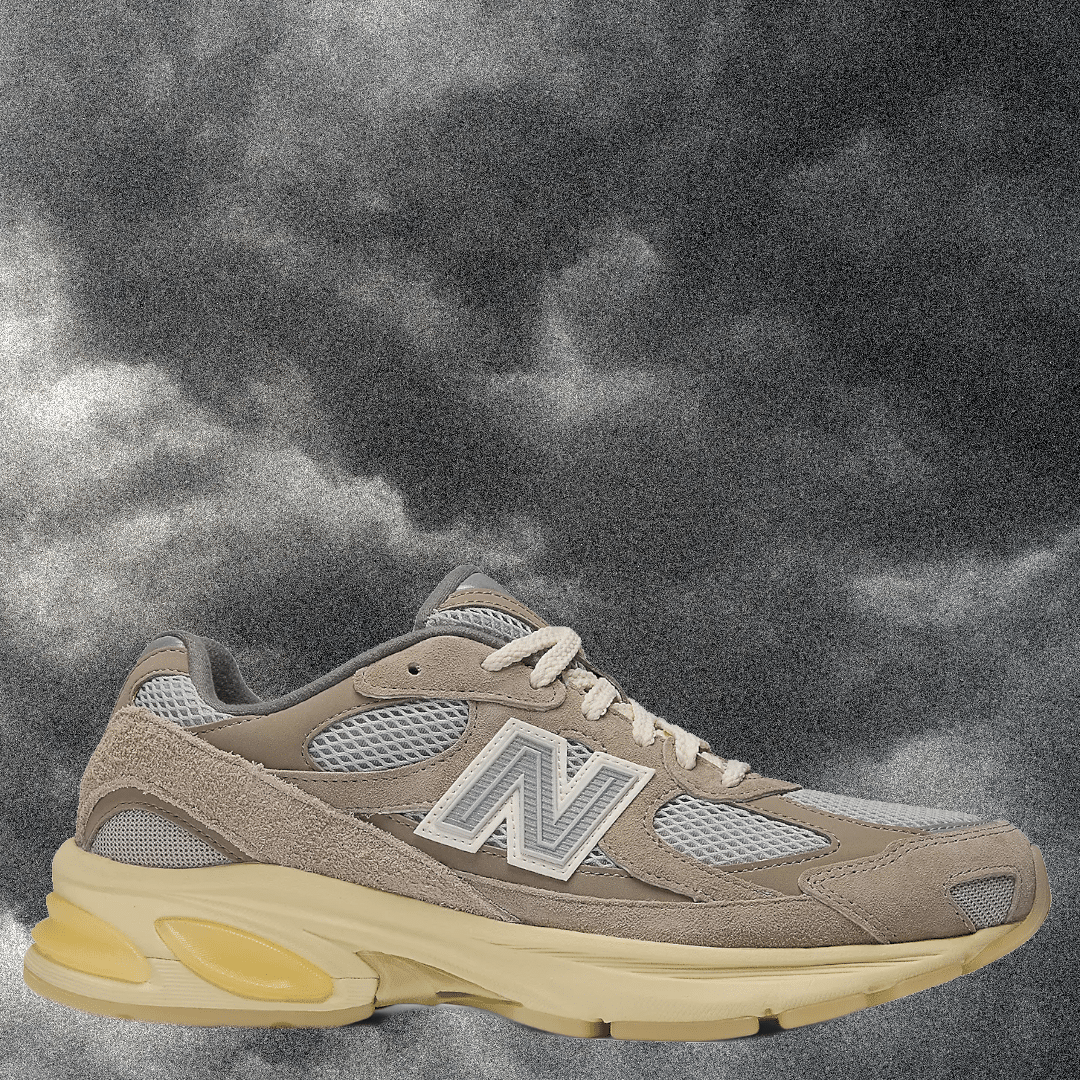
Before it was a street style staple, New Balance was a company obsessed with the mechanics of the foot, moving from arch supports to high-performance running gear. The shift to grey was deeply pragmatic. Urban runners needed a shoe that could handle the grit of city streets without looking trashed after one lap. The result? A blend of premium pigskin suede and breathable mesh that looked even better with a bit of wear. This "no-nonsense" approach created a silhouette that feels at home whether you're navigating a creative studio or a cross-town sprint. It’s the ultimate utilitarian aesthetic—sophisticated, durable, and eternally relevant.
The Legend of the 990: The $100 Disruptor
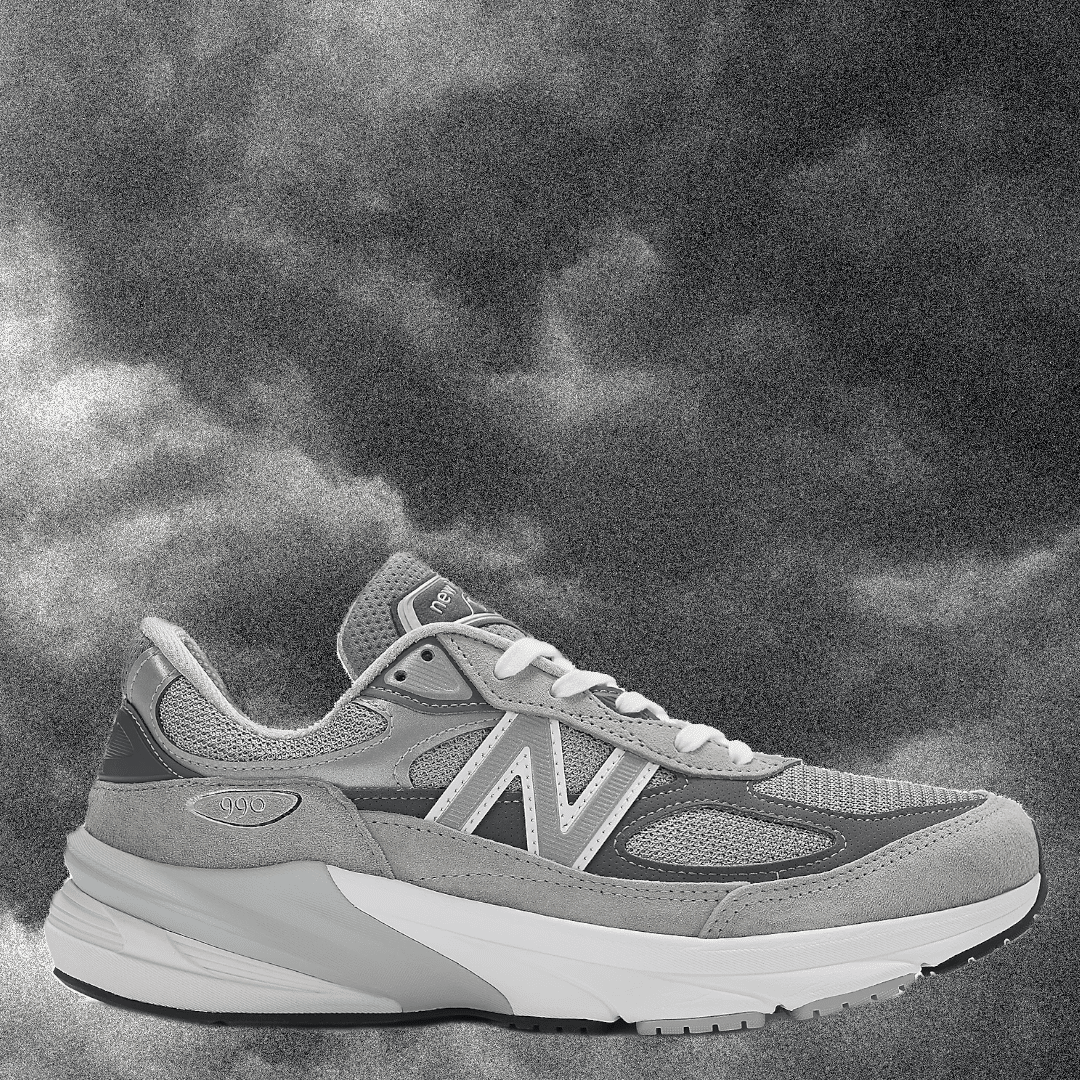
In 1982, the New Balance 990 did the unthinkable: it launched with a $100 price tag, becoming the first sneaker to hit that triple-digit milestone. It was a disruptor in the truest sense. By prioritizing 'Made in USA' craftsmanship and superior tooling, New Balance proved that quality was a commodity people were willing to invest in. The 990v6 continues this legacy today, maintaining that iconic grey-on-grey layered look that has become a uniform for everyone from DMV hustle culture to Paris Fashion Week editors. When you lace these up, you aren't just wearing a sneaker; you're wearing a piece of performance history that refused to compromise.
574 Core: The People's Champ
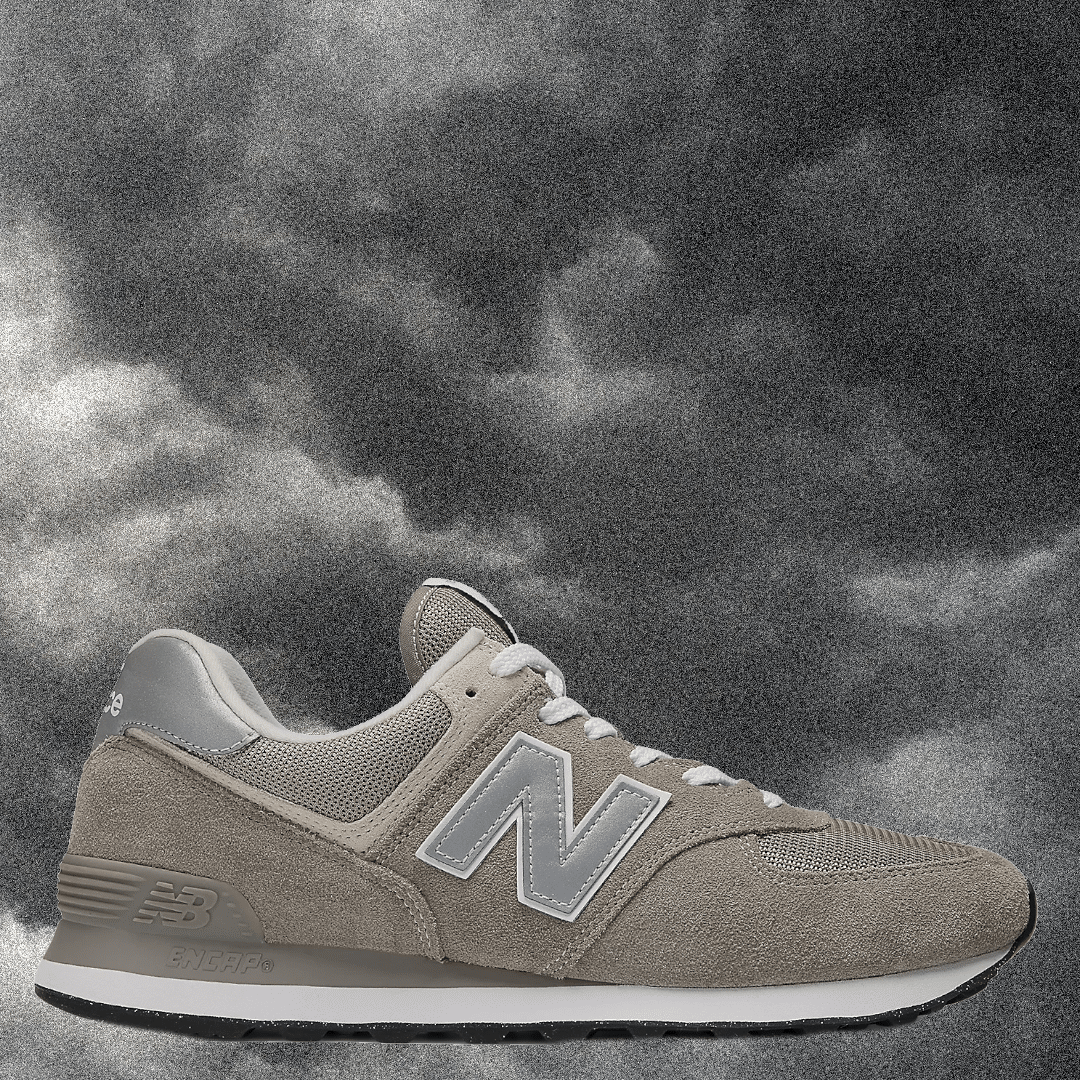
If the 990 is the aspirational hero, the 574 is the people’s champ. Born in 1988 as an "unlikely icon," the 574 was designed to be a reliable shoe that could do many different things well, rather than a platform for revolutionary tech. Its simple, chunky silhouette and the iconic silver 'N' logo have made it a global top-ten staple for decades. The grey 574 is the entry point for many into the New Balance universe, offering a 'do-anything' aesthetic that pairs as easily with relaxed tailoring as it does with vintage denim. It’s the definition of an OG classic that never tries too hard.
Made in UK: The Flimby Craftsmanship
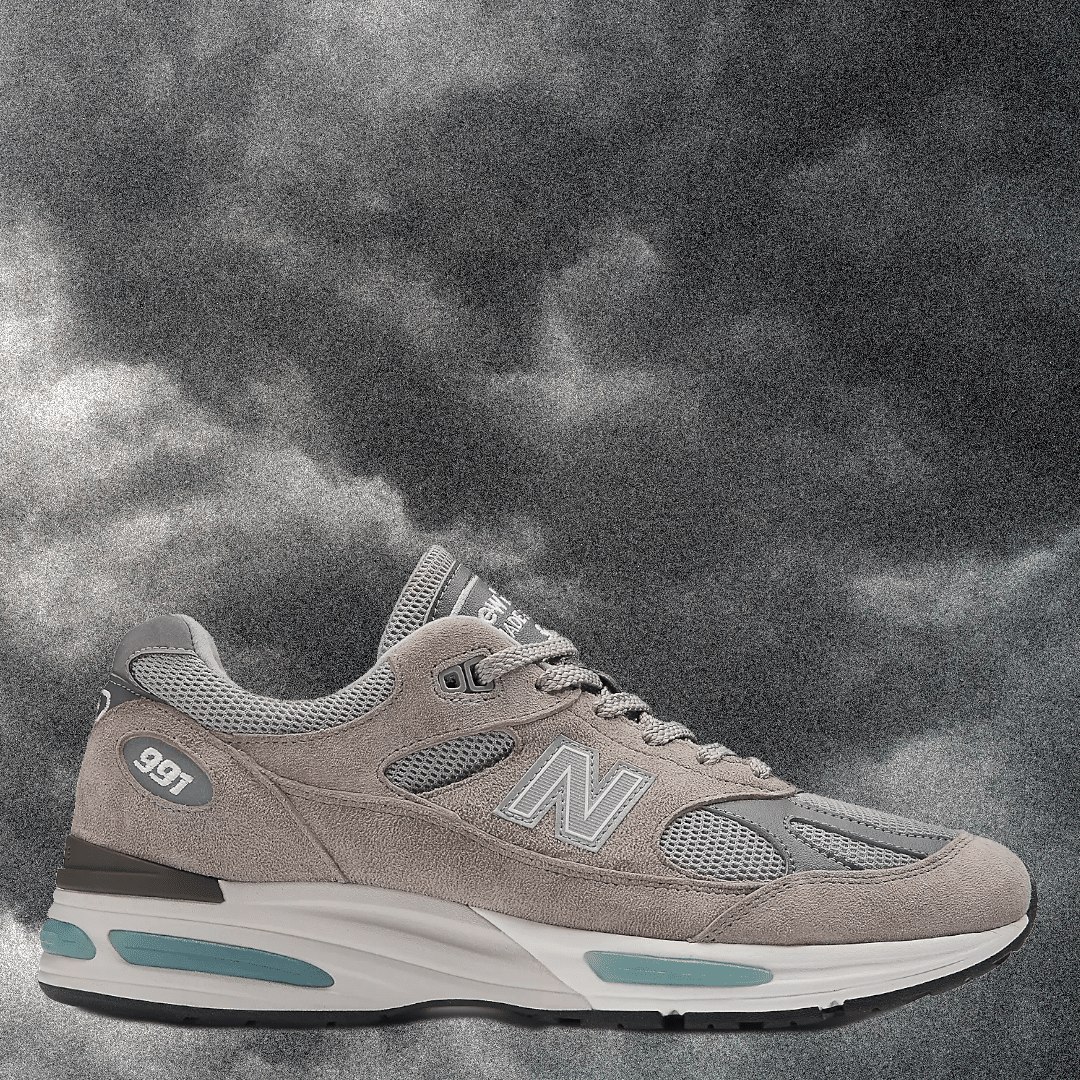
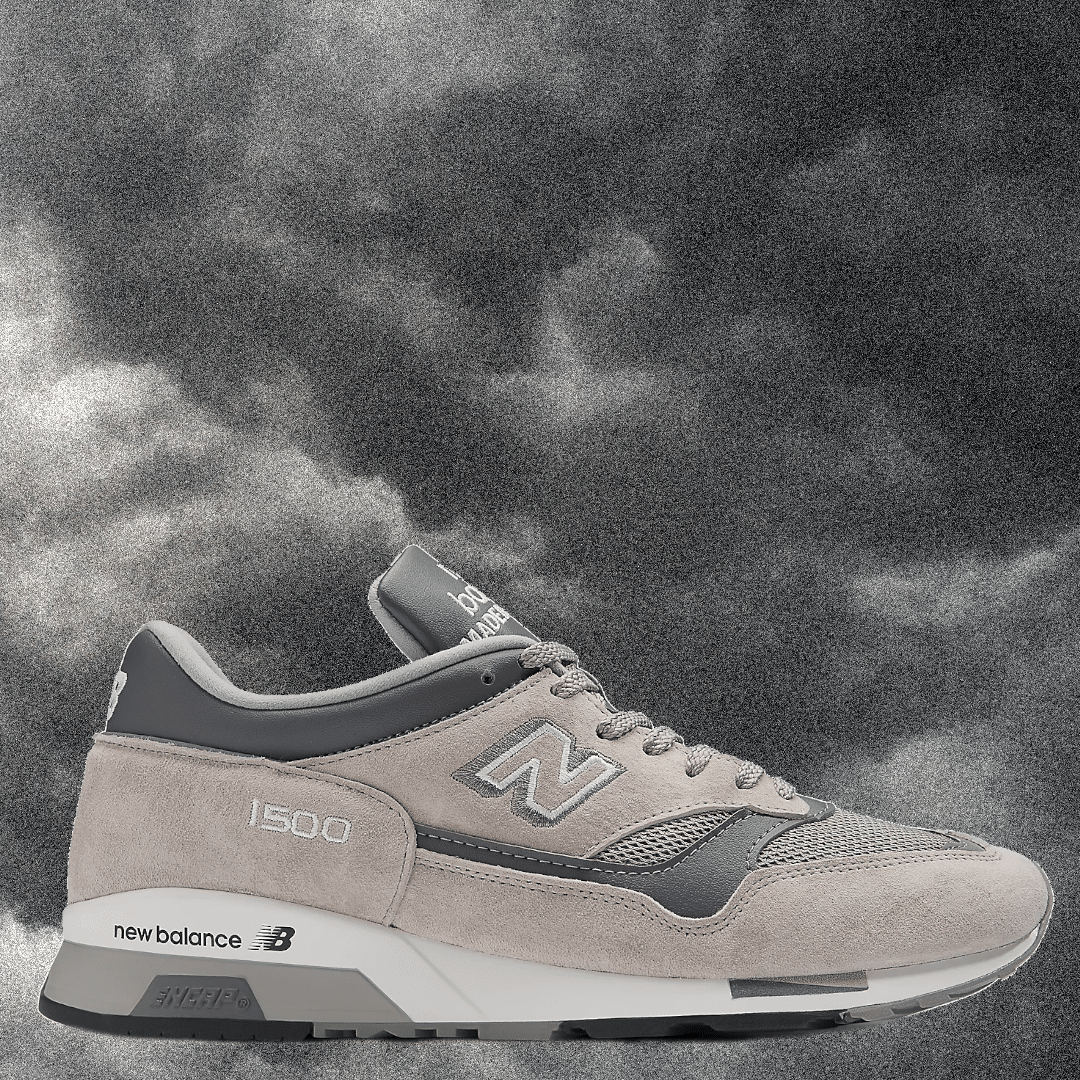
Across the Atlantic, the Made in UK line out of Flimby brings a different kind of prestige to the grey colorway. The 991v2 is a masterclass in evolution, keeping the soul of the original while adding modern streetwear accents and updated cushioning. Then there’s the 1500, the 'dark horse' of the lineup. With its smaller 'N' branding and sharp, aggressive toe box, it has earned a massive cult following among European collectors. These models showcase a different texture of grey—often richer, leaning into the premium craftsmanship that British manufacturing is known for. Whether it's the 991's techy vibe or the 1500's sleek lines, the "Made in UK" badge adds a layer of artisanal cred to your rotation.
The Steve Jobs Effect: Cultural Longevity
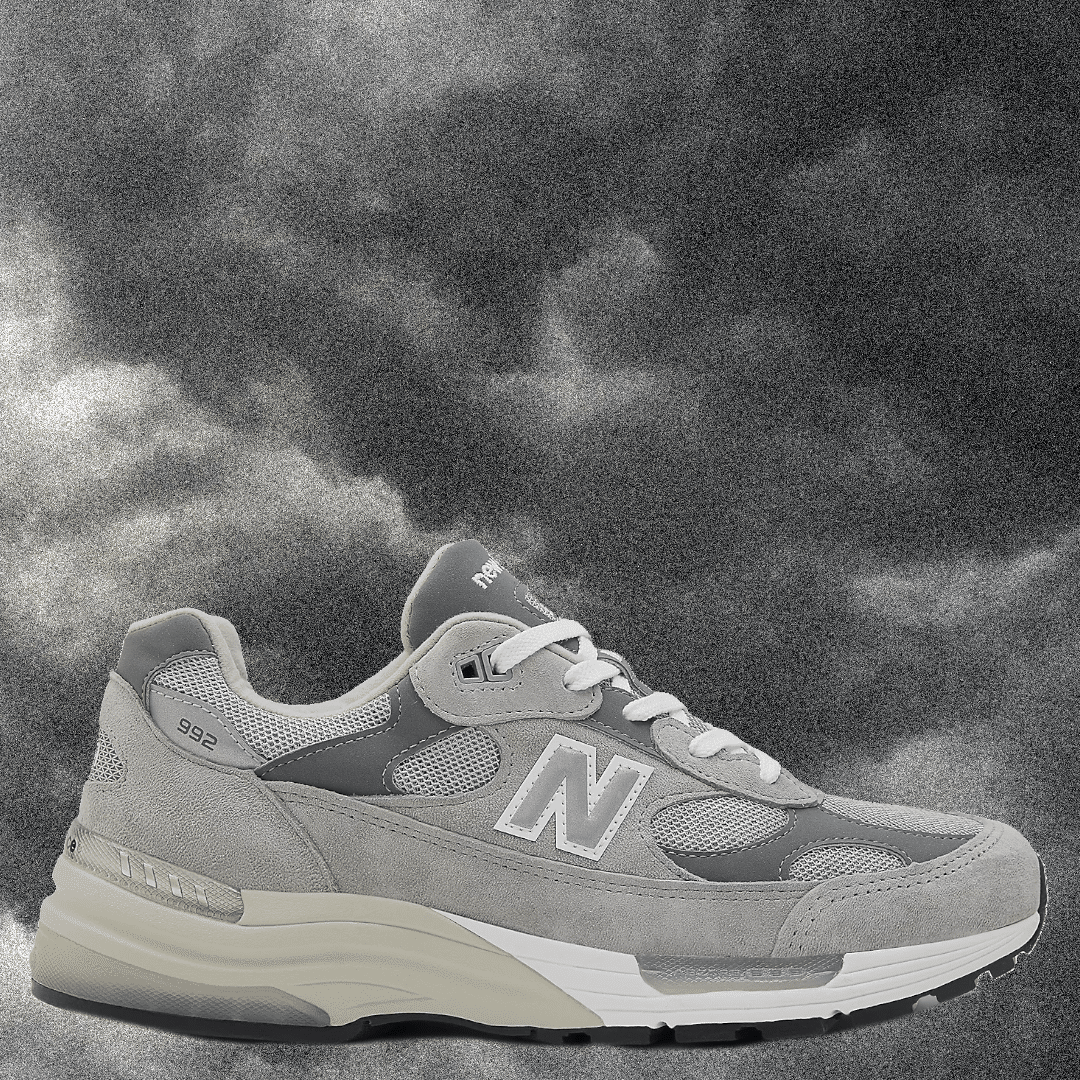
You can't discuss the grey New Balance phenomenon without touching on tech minimalism. The 992 became a global cultural symbol largely because it was the footwear of choice for Steve Jobs. His uniform of a black turtleneck, denim, and grey 992s codified the idea of "effortless versatility." It sent a message: I have more important things to think about than my shoes, but I still demand the best engineering available. This connection to the titans of industry solidified the grey colorway as the "intelligent choice" for those who value time and quality. It’s a shoe that transcends age and profession, fitting perfectly into the minimalist wardrobe of 2024 and beyond.
Closing: Why Grey Rules 2026
As we look toward the future of fashion, the "Grey Days" ethos feels more relevant than ever. In an era of fast fashion and digital noise, the grey New Balance remains a grounding force—a timeless rotation staple that refuses to go out of style. It’s the ultimate palette cleanser for your wardrobe, proving that true heritage doesn't need to shout to be heard. Choose grey, and you’re choosing a legacy of craftsmanship that’s built to last.