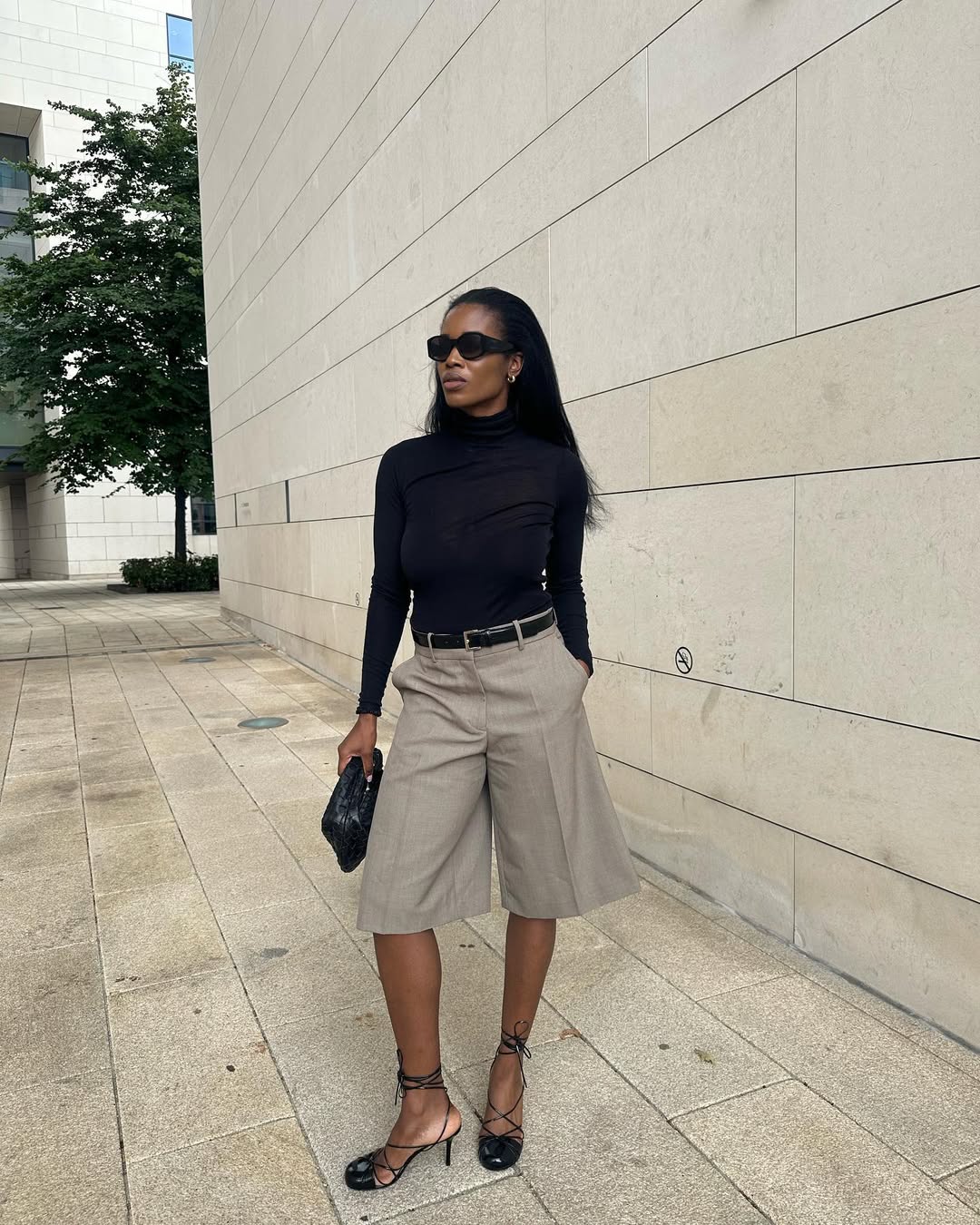
When the mercury drops, your training volume shouldn't. Shifting your mindset from the soft trails of autumn to the resilient grit of winter requires a tactical upgrade in your kit, where performance is paramount and style is the natural byproduct of high-end utility.

Winter running is as much about mental endurance as it is about physiological regulation. Transitioning your gear means moving away from the breathable meshes of summer toward a sophisticated "stealth" palette—earthy beiges and deep forest greens—interrupted by high-visibility accents. This visual narrative suggests a runner who is both in tune with the natural environment and hyper-aware of safety in low-light conditions.
The Outer Shield: Ultralight Ripstop & Quilted Armor
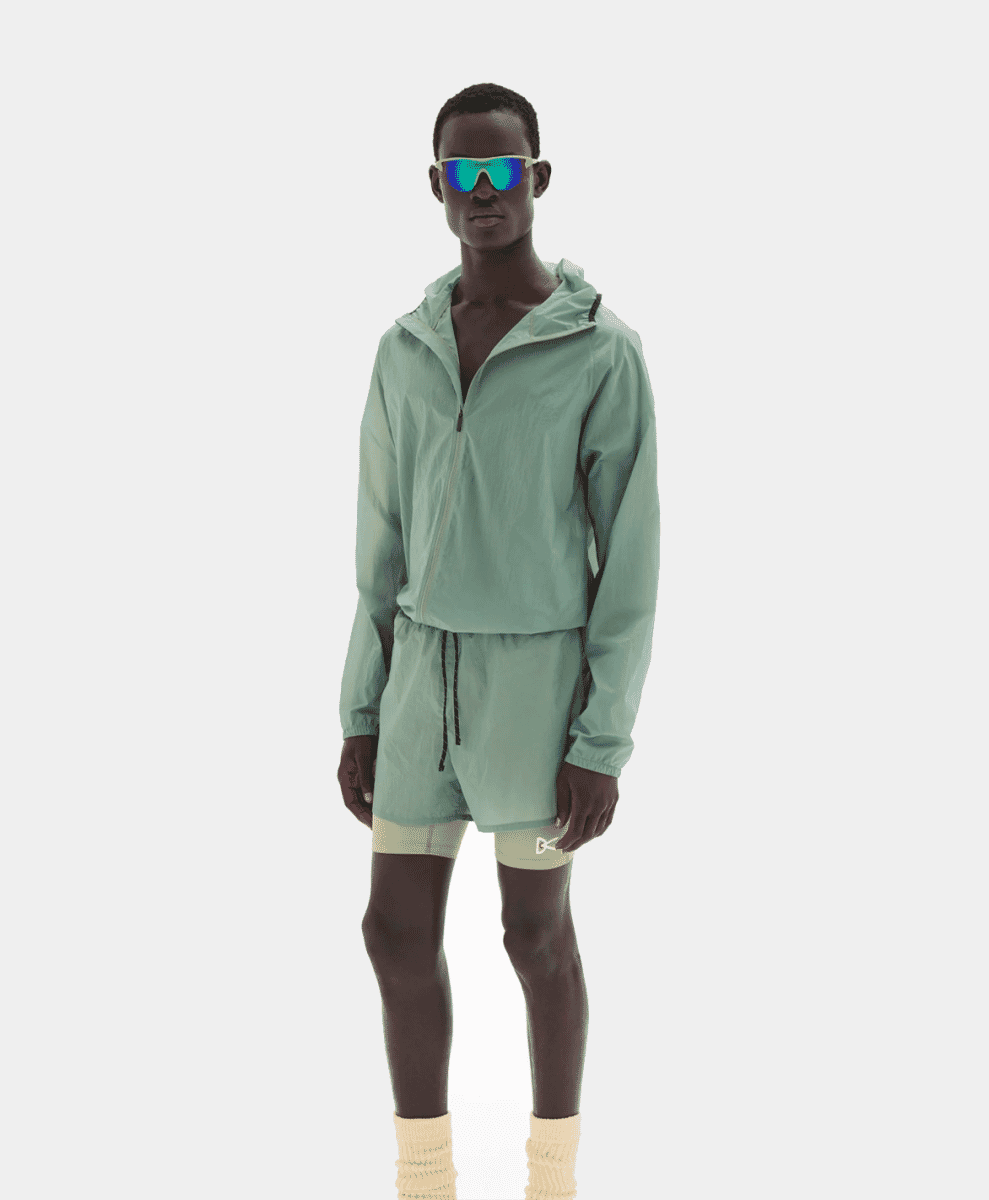

Your outermost layer is your primary defense against the elements. A minimalist hooded windbreaker in a muted mint or sage green offers a sleek, aerodynamic profile while providing a critical barrier against biting morning winds. Look for high-integrity ripstop fabrics that offer durability without the bulk. For serious runners, the technical details—like the heat-pressed District Vision patches or laser-cut ventilation—signify a commitment to gear that has been engineered rather than just designed. This layer should be treated with a DWR (Durable Water Repellent) coating to shed light sleet while you maintain your pace.
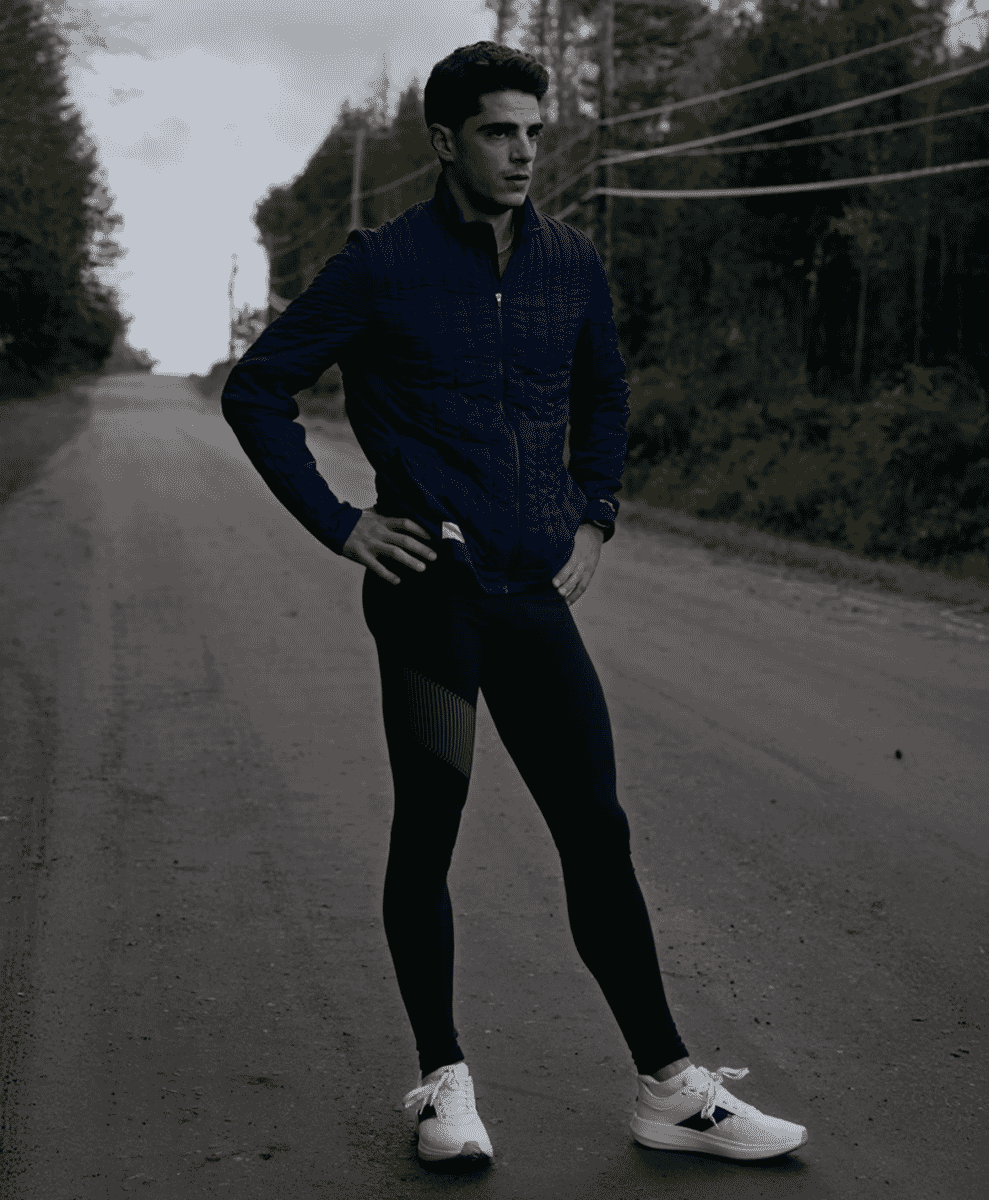
When temperatures plummet below freezing, a navy quilted jacket becomes your "quilted armor." Unlike heavy puffers, technical running quilts are mapped to the body, providing warmth at the core while leaving the arms free for a full range of motion. This is the perfect partner for high-intensity morning runs where you need to trap heat early but require breathability as your heart rate climbs. The deep navy hue pairs effortlessly with earthy-toned base layers for a look that transitions seamlessly from the rural road to a post-run coffee.
The Core: Merino Foundation & Technical Hoodies

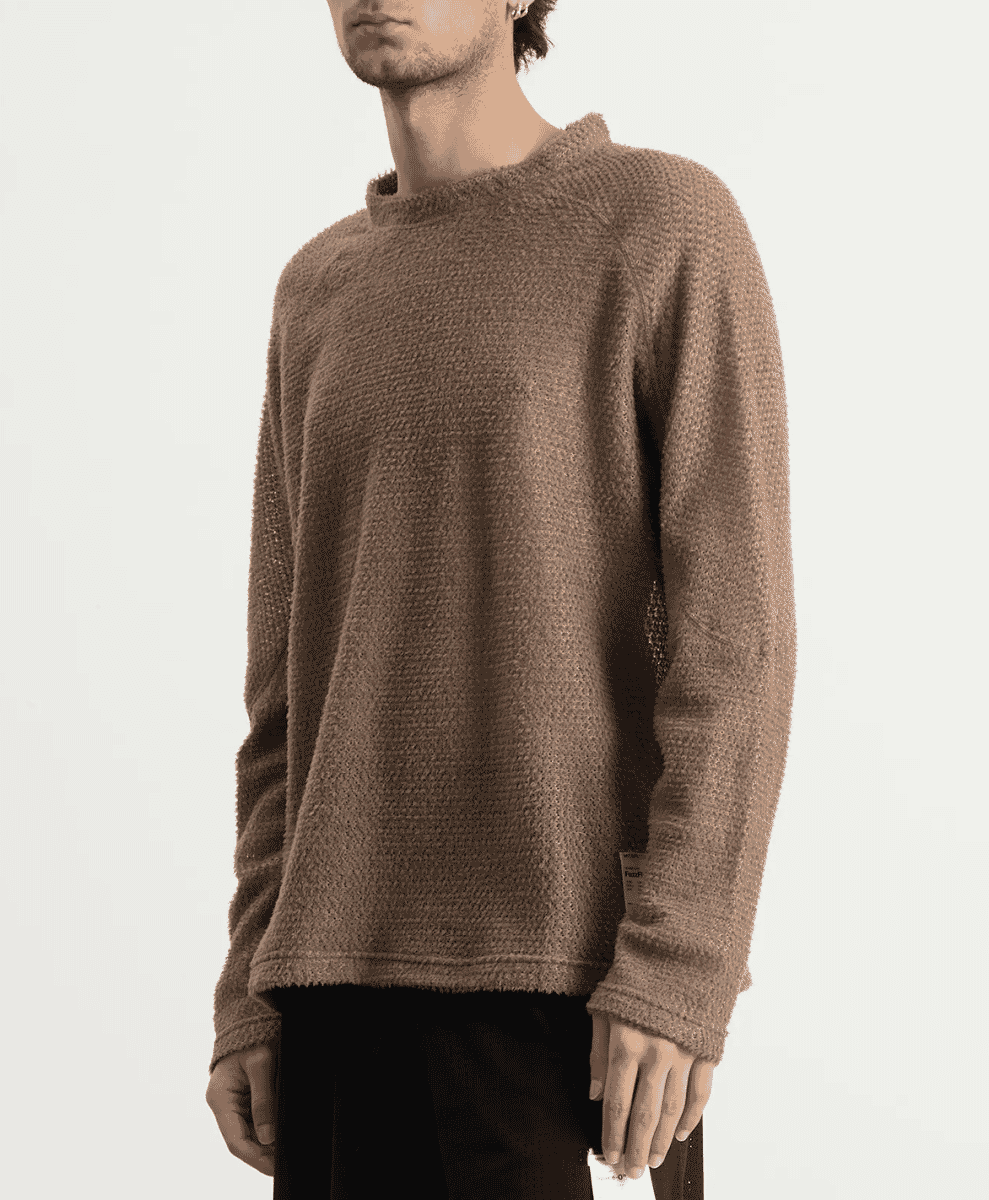
The secret to winter warmth isn't thickness—it's moisture management. A Merino wool base layer is non-negotiable; it offers a 35% improvement in moisture-wicking efficiency compared to traditional synthetics, ensuring you don't get the "post-sweat chill." Brands like Satisfy and Tracksmith have mastered the "Ghostfleece" concept: a mid-layer that provides substantial insulation through a textured knit while remaining incredibly light. Pairing a beige hooded technical jacket with matching compression pants creates a monochromatic, high-fashion silhouette that feels more like a precision uniform than standard gym wear.
Tactical Extremities: Convertible Protection
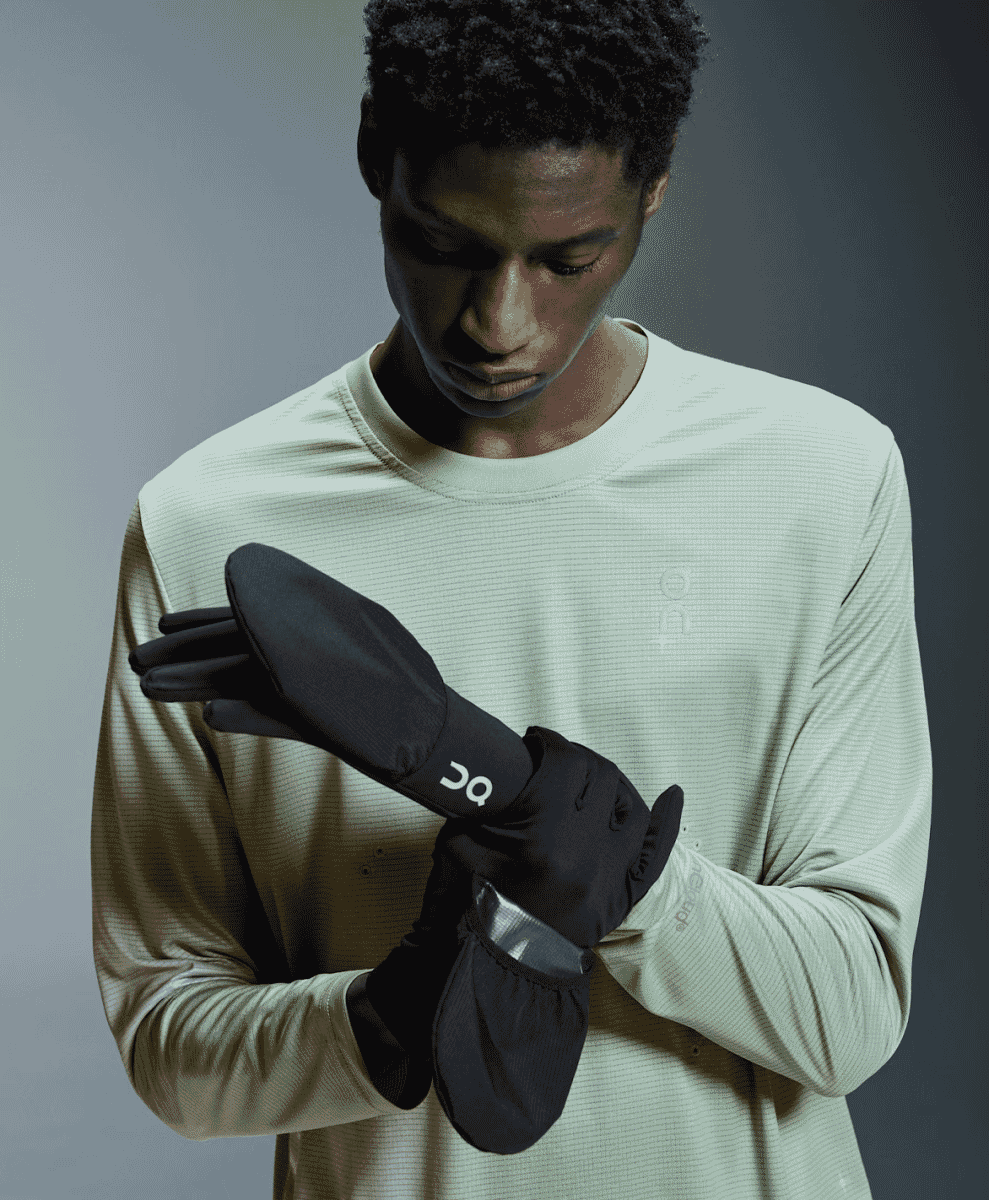
Temperature regulation often happens at the extremities. Convertible gloves are a game-changer for the winter runner; the ability to flip from a protective mitten to a fingerless glove allows for instant cooling without stopping. These are essential for manipulating touchscreens or adjusting laces mid-run. The black-on-black branding adds a touch of "tech-wear" aesthetic that anchors the lighter tones of the rest of the outfit.
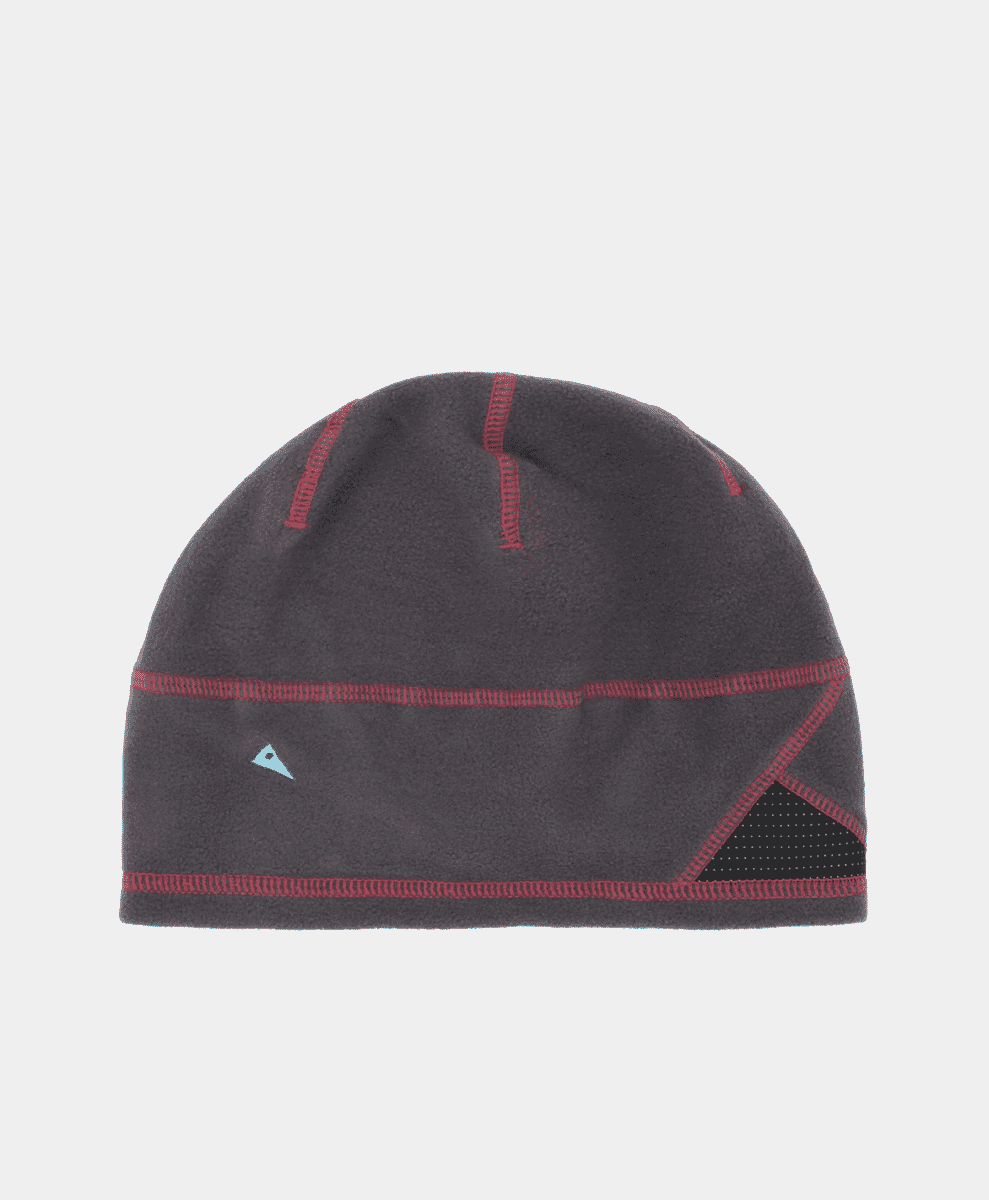

While the myth of losing 50% of your heat through your head has been debunked, the comfort of a thermal beanie is undisputed. A dark gray fleece beanie with contrast red stitching offers a rugged, utilitarian vibe. For days with high wind-chill or low-hanging sun, a brown sun-protective hat with a neck flap provides a "shield" that protects the sensitive skin of the neck from both UV rays and frostbite. This is high-performance headwear that prioritizes coverage over convention.
Optical Performance & Vision Safety
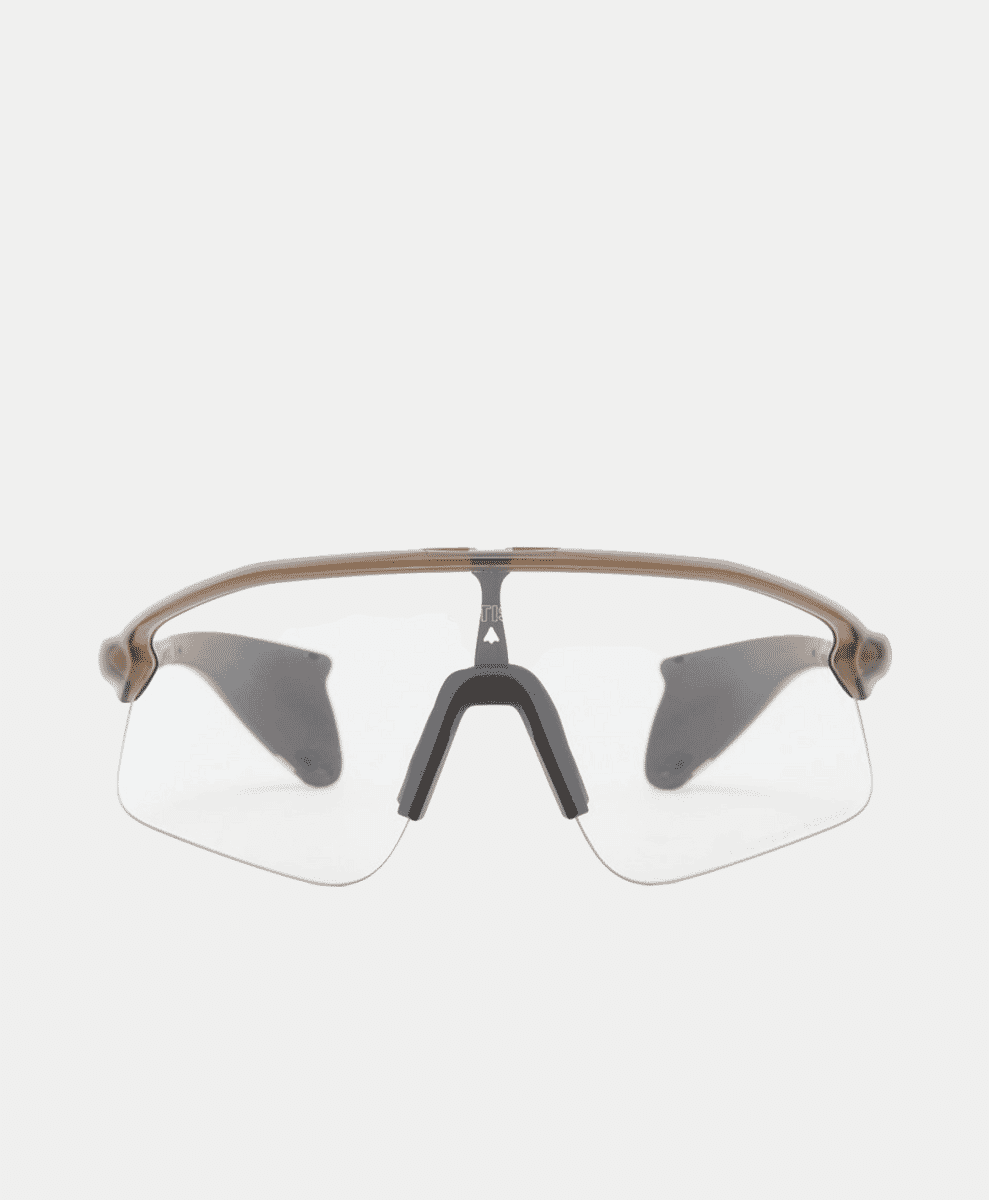
Sunglasses aren't just for summer. In winter, the sun sits lower on the horizon, creating a constant glare against the gray pavement. Moreover, high-wrap transparent lenses act as a windshield, protecting your eyes from cold-induced tearing and flying debris. Choosing sleek, transparent frames maintains a lightweight, modern look that doesn't feel overly aggressive during the shorter days of the year.
The Foundation: Neon Visibility & Tech Feedback
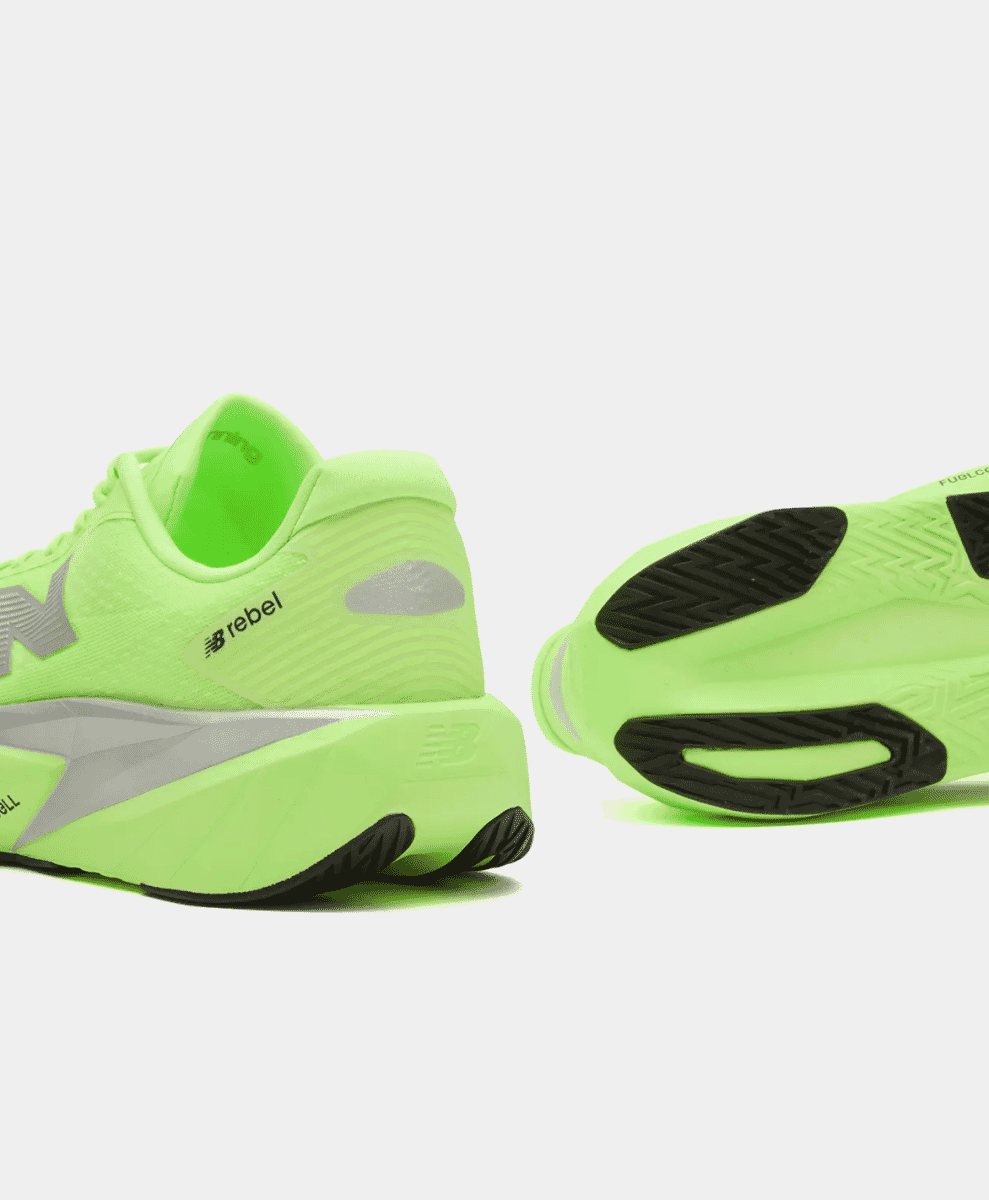
In the world of winter running, neon is a safety requirement, not just a style choice. Incorporating a "pop" of neon green—like in the New Balance Fuelcell Rebel v5—can increase your visibility to motorists by up to 400%. Beyond the safety aspect, the FuelCell technology provides a critical energy rebound, keeping your stride snappy even when the cold makes your muscles feel heavy and sluggish.
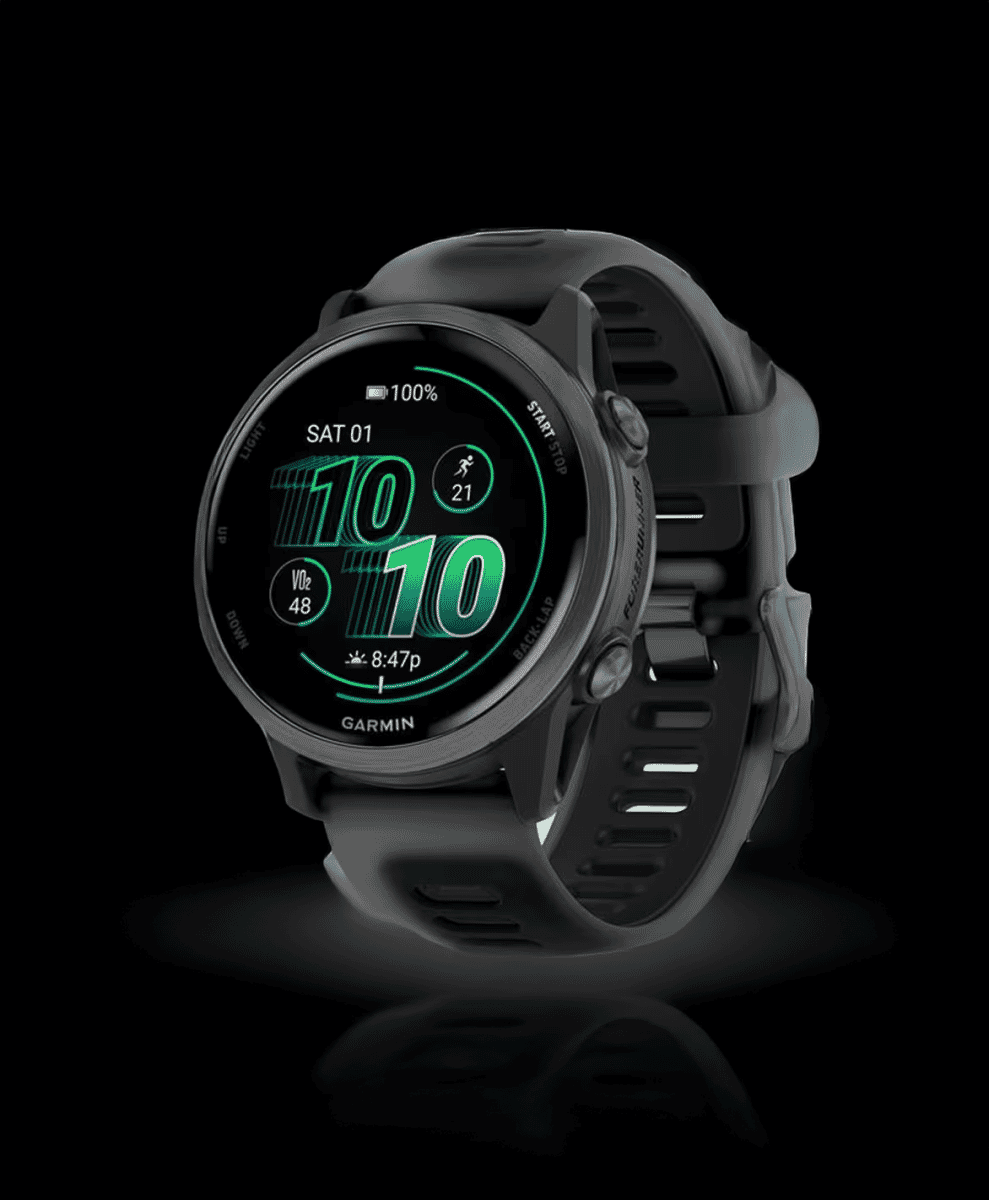
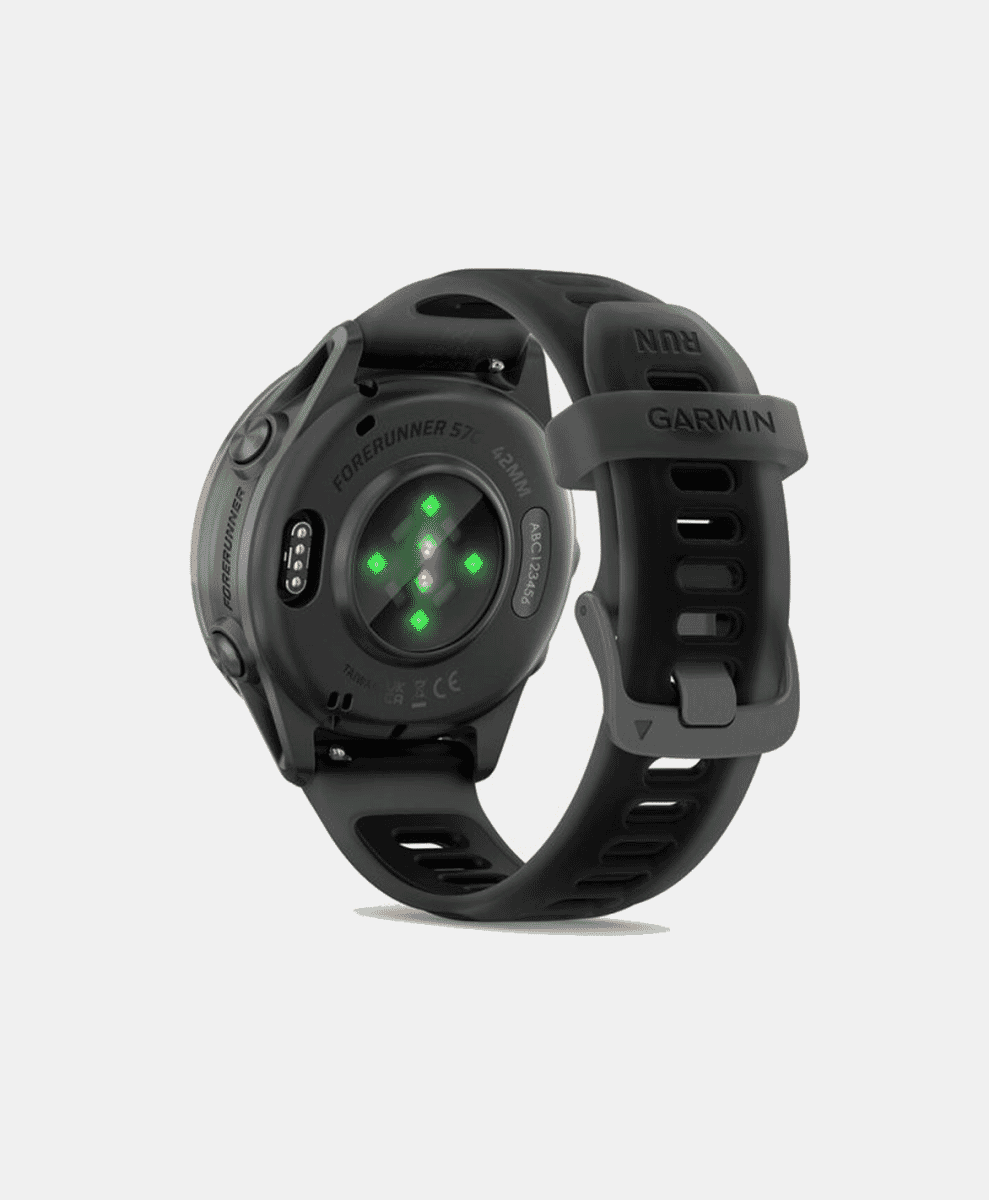
Winter is the season of data. Cold air can mask your perceived exertion, making it easy to overtrain or underperform. Utilizing a Garmin smartwatch with integrated heart rate sensors allows you to track your VO2 max and training zones in real-time. This tech-forward approach ensures that every mile in the cold is a productive one, turning the "off-season" into a period of measurable growth.
The Finishing Touches: Technical Socks & Recovery
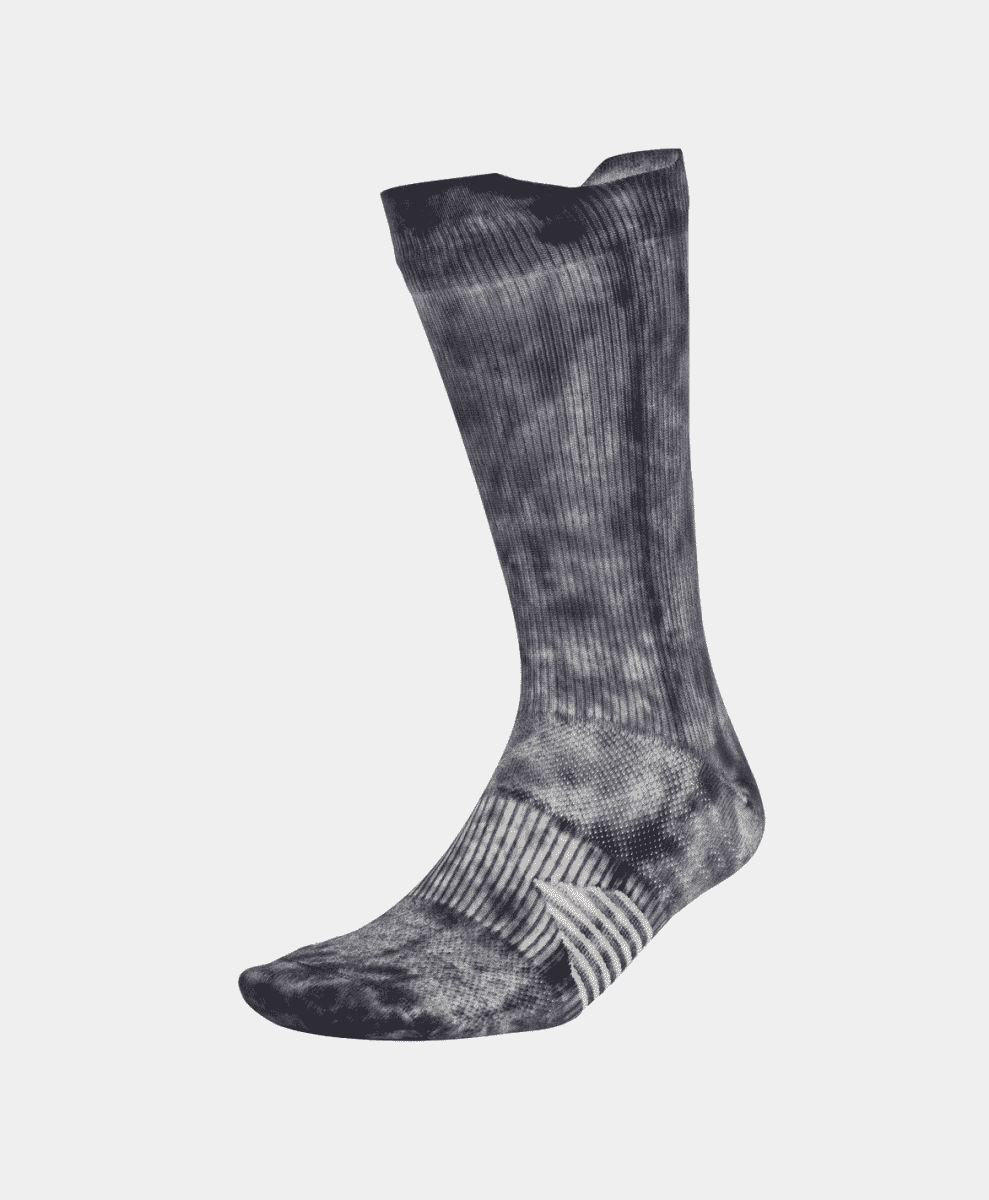
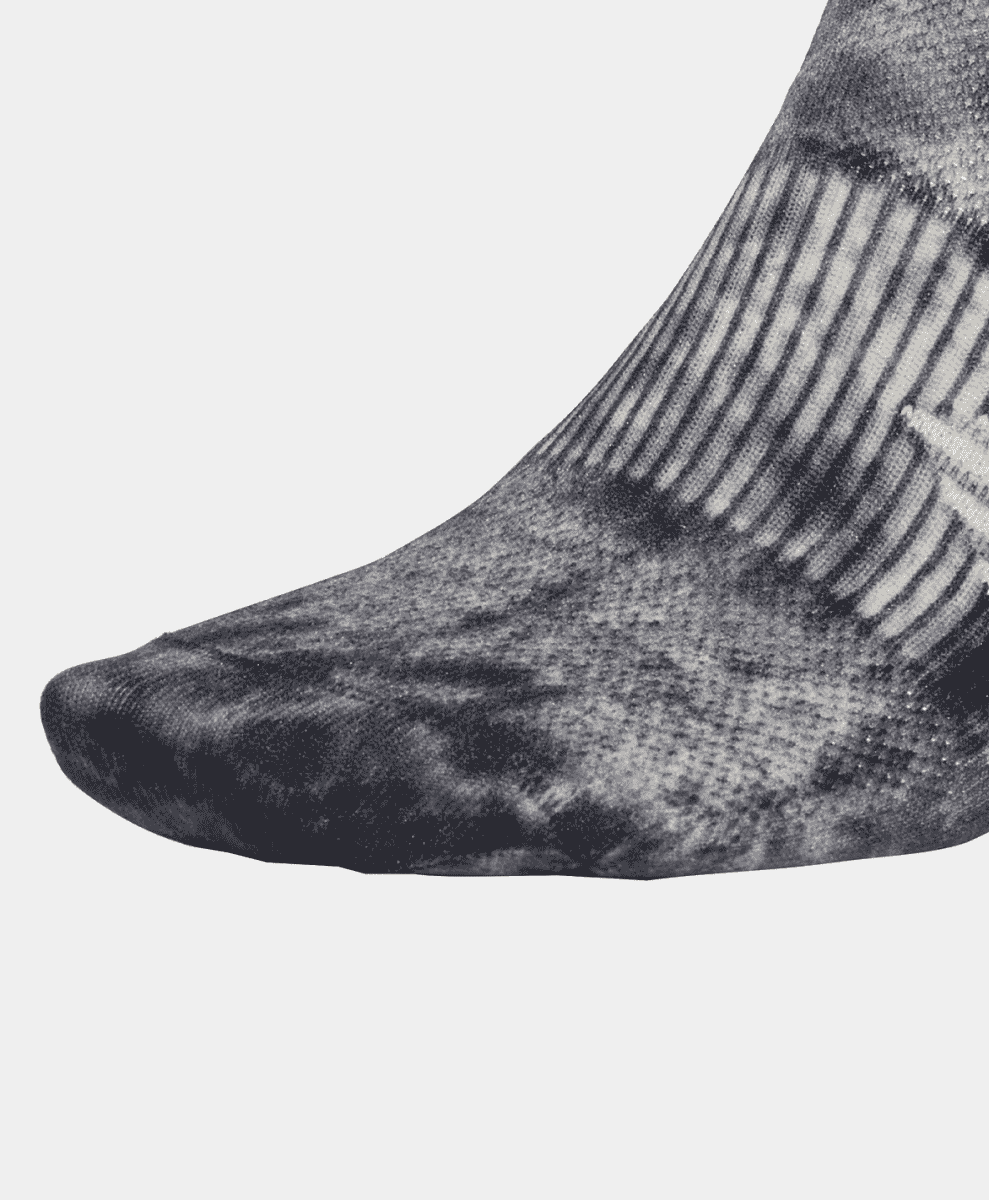
Never underestimate the power of a technical sock. Winter blisters are a common frustration when moisture from snow or slush gets trapped inside the shoe. Technical socks with reinforced heel and toe zones and a secure ribbed cuff ensure the sock stays in place, preventing the friction that leads to injury. The compression fit aids in circulation, helping your feet stay warm and recover faster. A touch of tie-dye or texture here adds a bit of personality to your foundation, proving that even the most functional gear can have a bit of soul.
Mastering the winter run is about the synergy of the three-layer system: a moisture-wicking Merino base, a breathable technical mid-layer, and a windproof, high-visibility shell. With this kit, you aren't just enduring the season—you're owning it.