The era of "flat" dressing is officially behind us. As we navigate the professional landscape of 2026, the two-dimensional minimalism of the work-from-home years has been replaced by a demand for physical presence. To command a room in a 3D office environment, you need "Tactile Professionalism"—a style strategy that prioritizes depth, weave, and touch.
The 2026 Office Shift: Embracing Tactile Professionalism
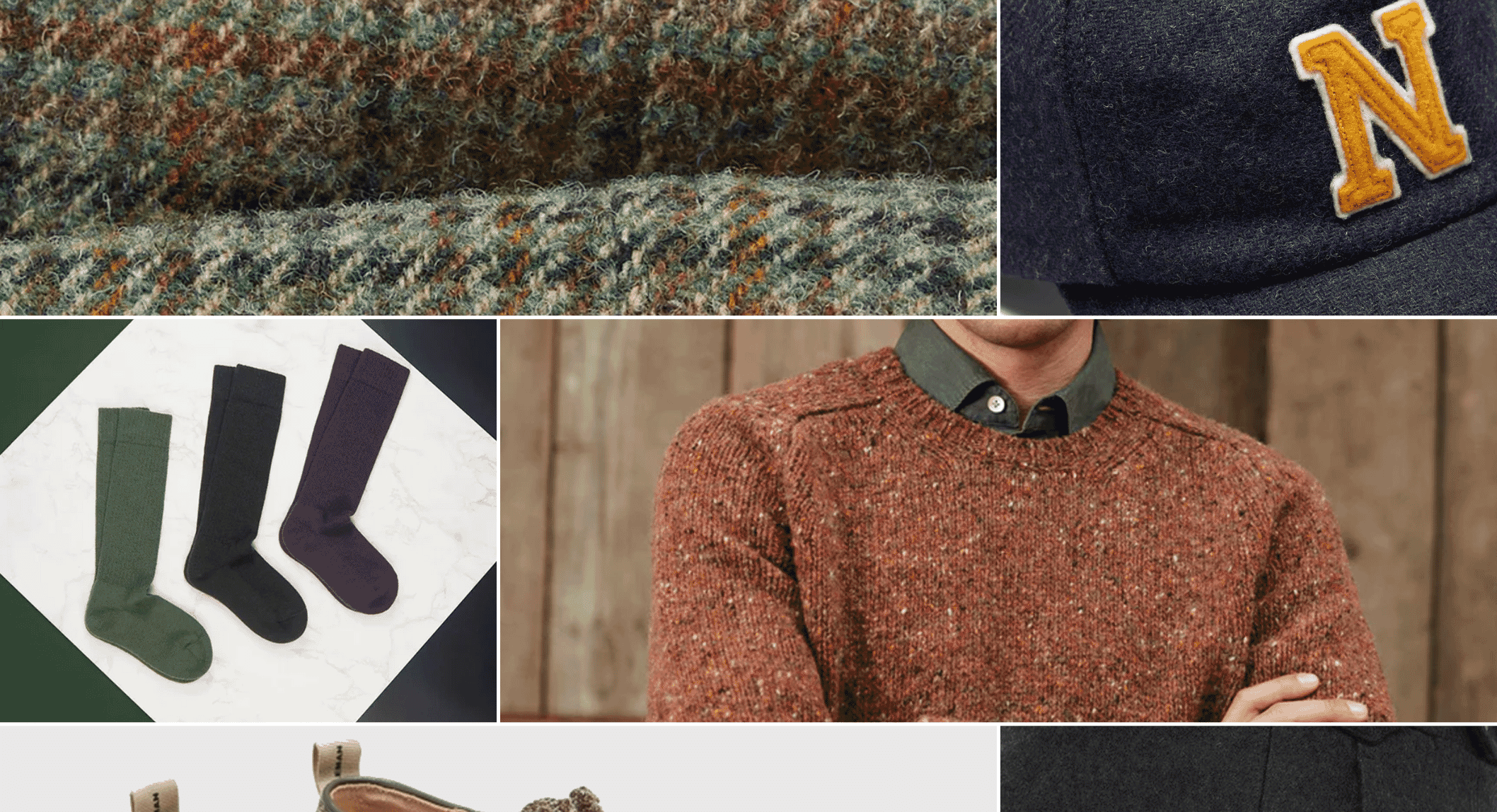
In 2026, the most successful wardrobes aren't built on loud patterns, but on rich, multi-dimensional textures. When you walk into a meeting, the way light hits a heavy tweed or a ribbed knit signals a level of intentionality that a flat cotton shirt simply cannot match. This is about building a "Power Casual" aesthetic—one that feels grounded, authoritative, and sophisticated. Think of your clothing as architectural equipment: it provides the structure for your professional persona.
1. The Anchor: The Tweed Donkey Jacket
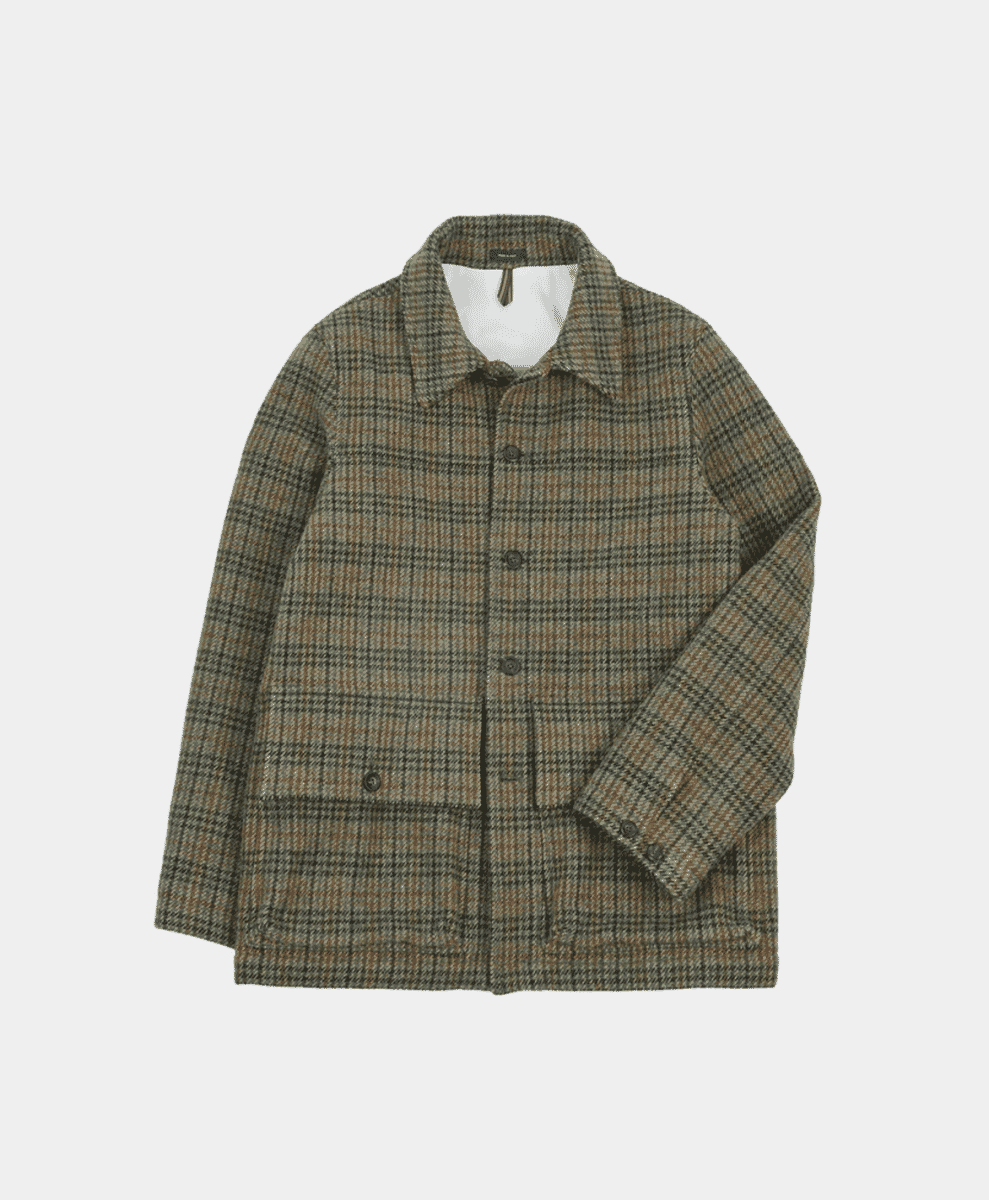
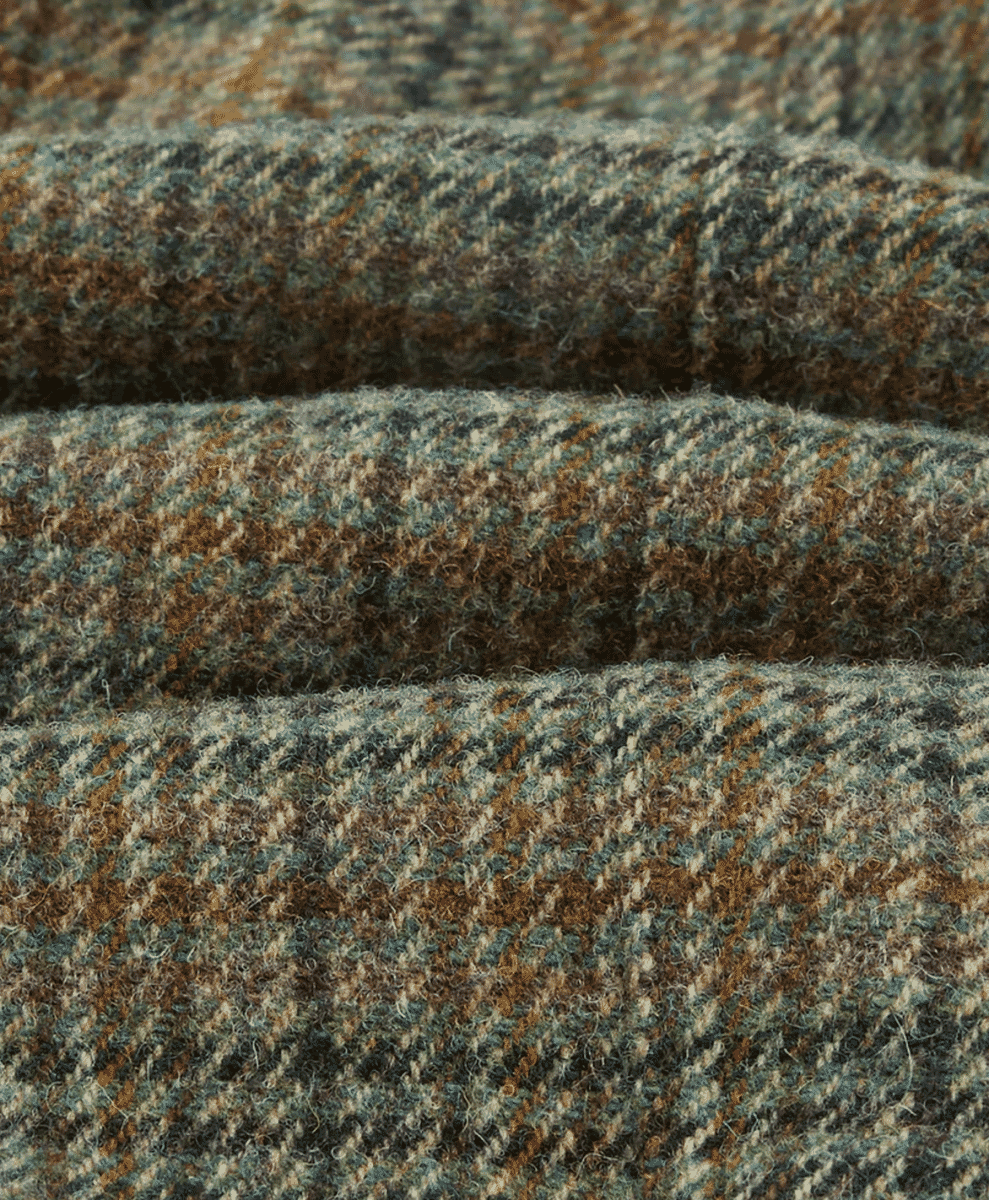
The centerpiece of this tactile shift is the reimagined Donkey Jacket. Traditionally a rugged piece of British workwear, the 2026 iteration is refined through premium tweed and sharp tailoring.
- Fabric: Heavyweight British Tweed.
- Weave: Oversized Herringbone.
- Fit: Structured, slightly cropped to layer over knits.
The goal here is "Visual Depth." A solid navy blazer looks the same from ten feet as it does from two; this tweed jacket reveals more complexity the closer you get. It’s a hero piece that anchors your entire look, bridging the gap between heritage ruggedness and modern corporate leadership.
2. The Statement Accessory: The Ribbed Knit Beanie
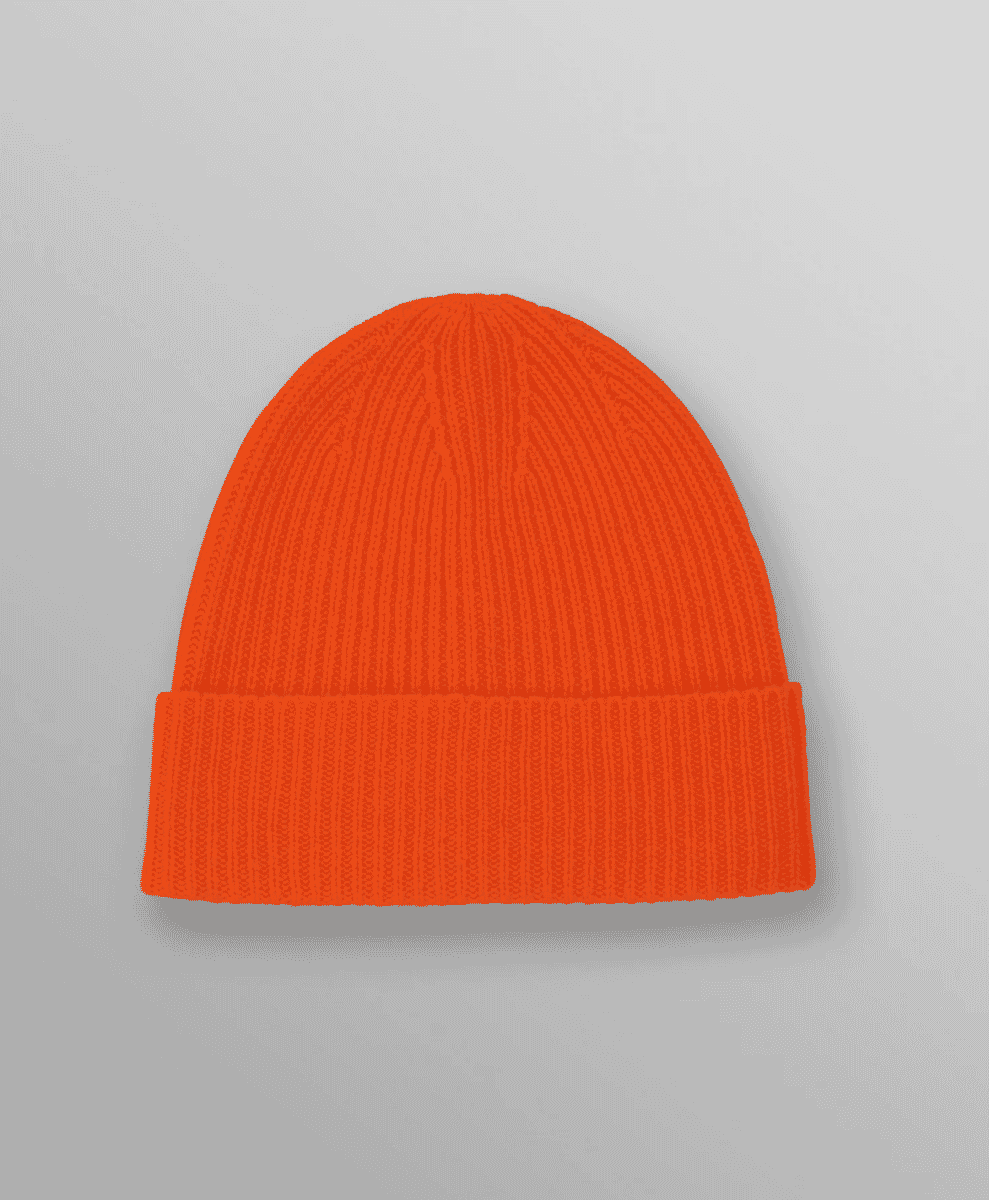
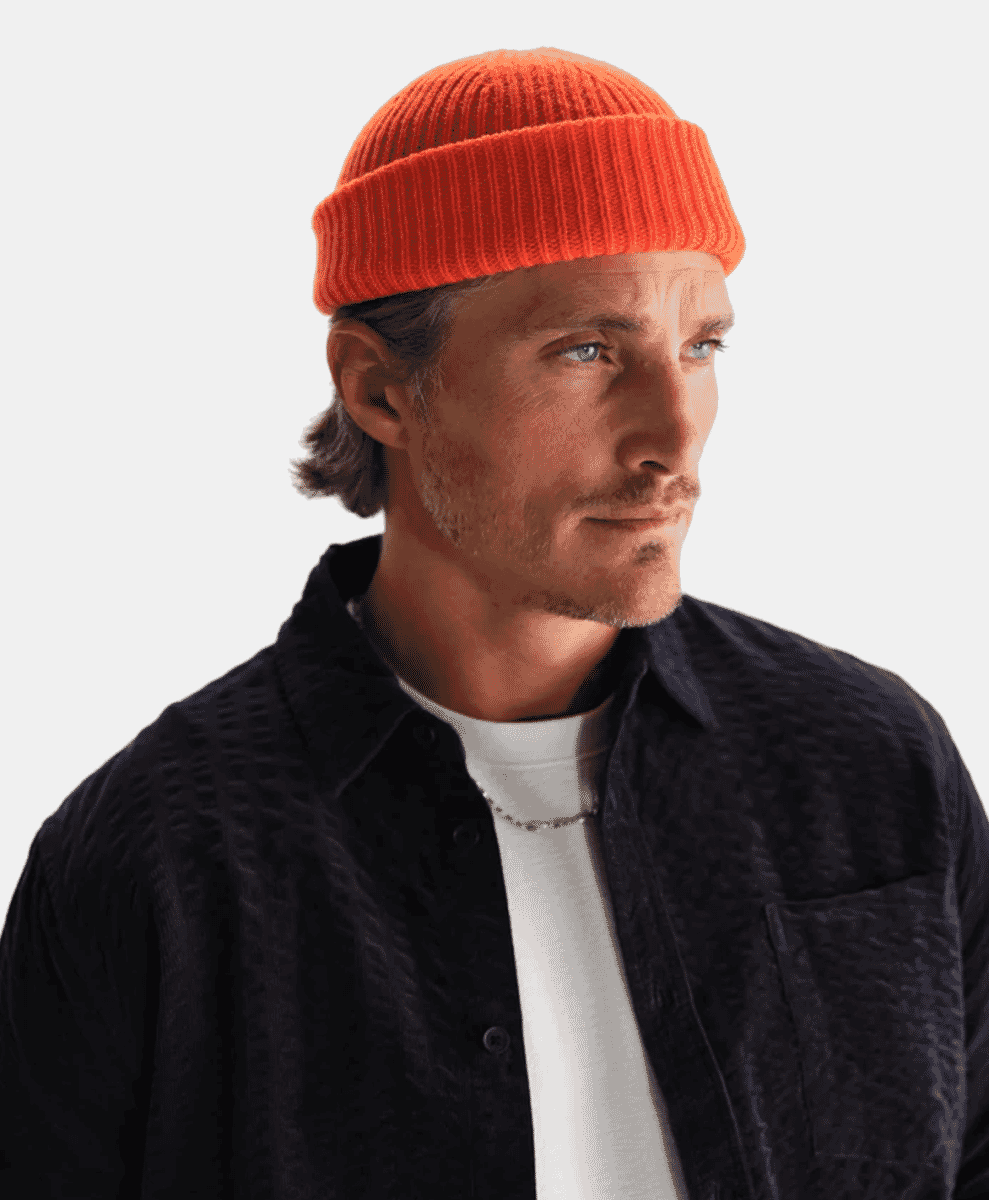
Modern professionalism allows for a personality "pop." The ribbed knit beanie in a high-visibility orange is the perfect counterweight to the earthy greens and browns of a textured wardrobe.
- Style Tip: Keep the rest of the outfit muted.
- Texture: Thick vertical ribbing adds height and a rugged edge.
This isn't just about warmth; it’s about breaking the monotony of professional neutrals. In a sea of grey and navy, a singular, high-quality accessory in a bold hue signals confidence. It shows you understand the rules well enough to bend them with precision.
3. The New Foundation: Single-Pleat Flannel Trousers
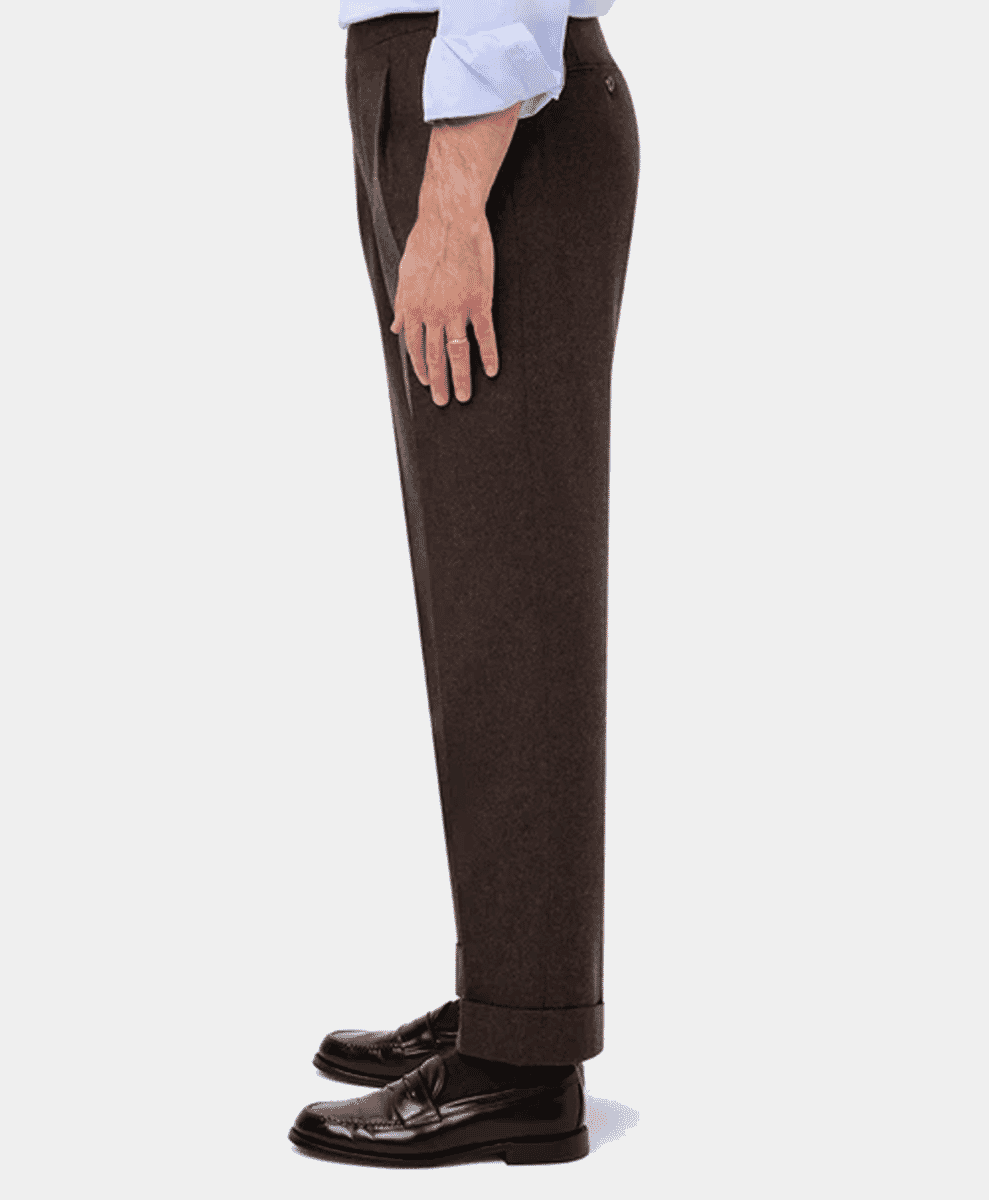
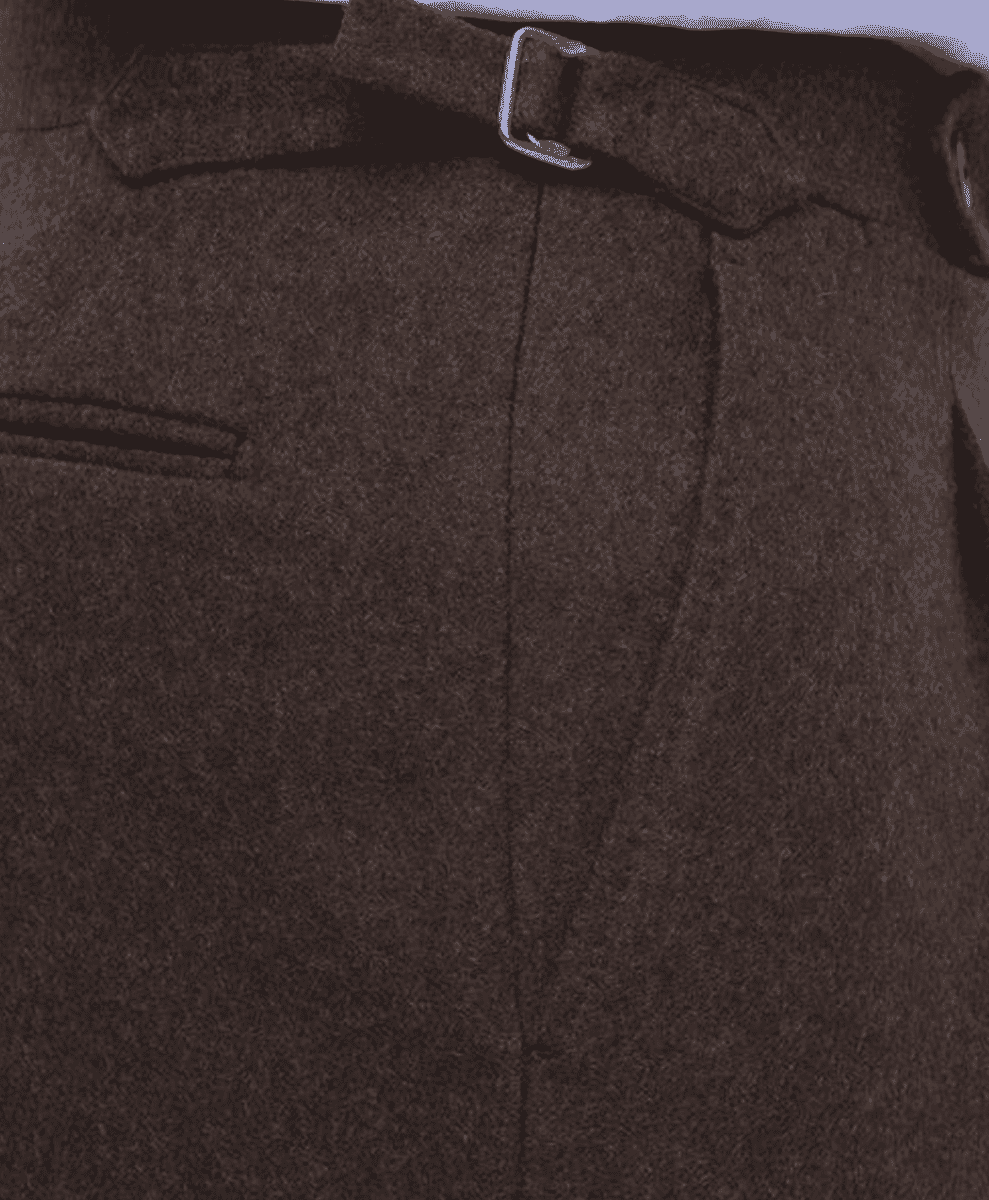
Forget the skin-tight chinos of the past decade. The 2026 foundation is built on single-pleat flannel trousers. Flannel is the ultimate "Tactile Professional" fabric—it’s soft to the touch but visually dense, creating a silhouette that feels substantial.
- Technical Spec: 340g wool flannel with a single forward pleat.
- The Benefit: The pleat allows for comfort while seated in meetings, while the "hairy" texture of the wool absorbs light, providing a rich, matte finish that screams luxury without the shine of cheap synthetics.
4. Visual Interest: The Speckled Merino Sweater
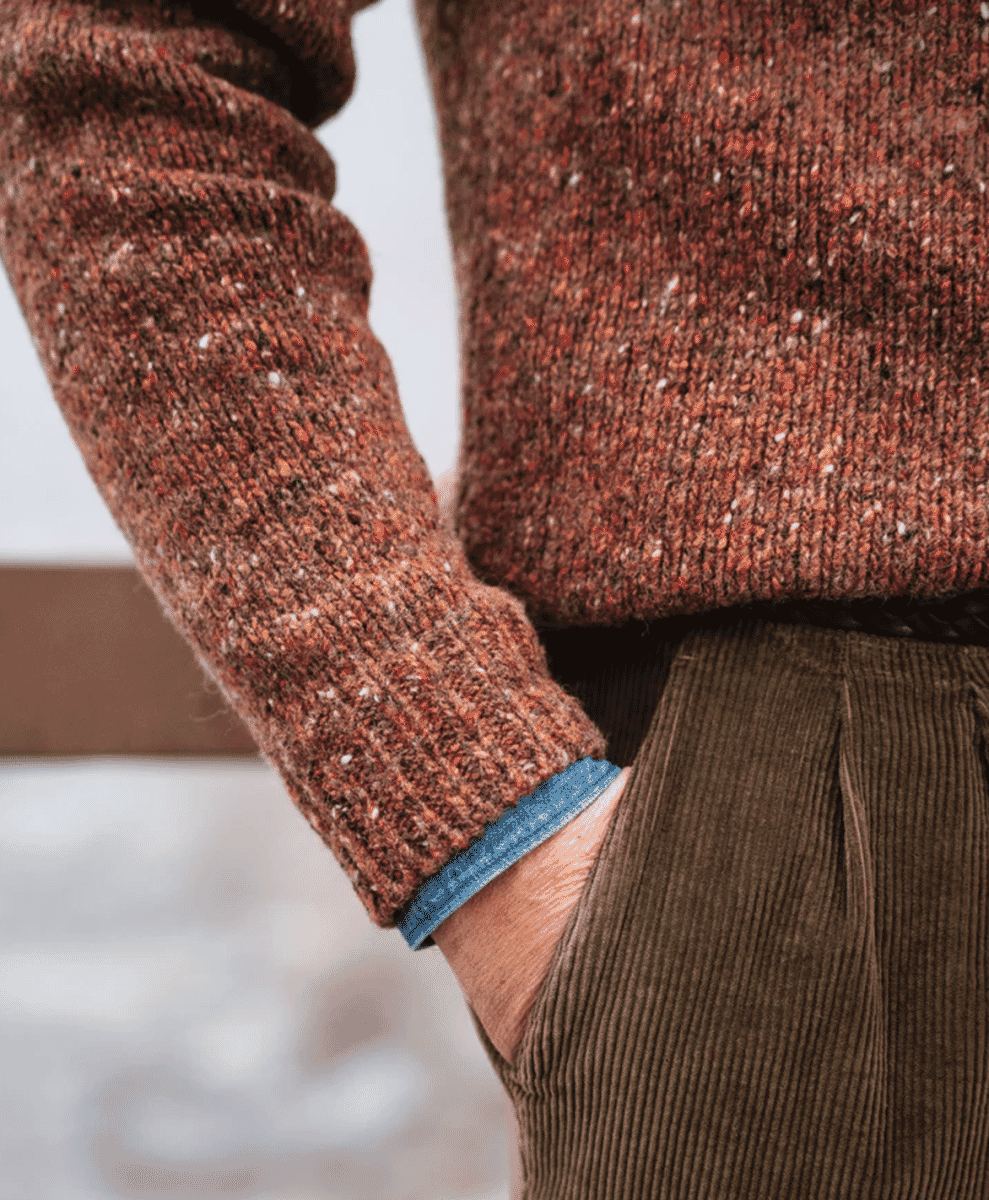
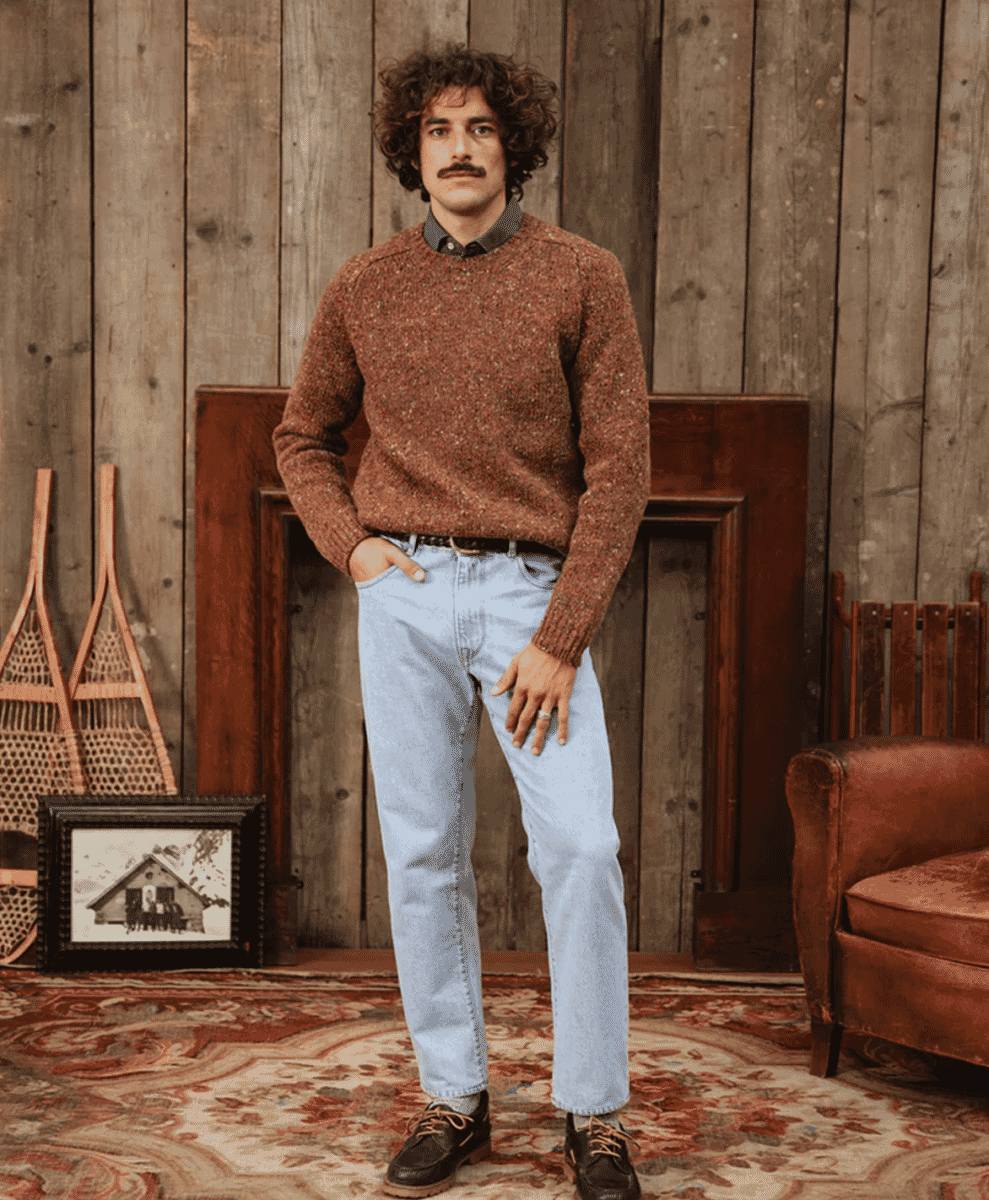
When it comes to knitwear, avoid flat yarns. The speckled merino sweater uses flecked "donegal" style wool to add what I call "visual noise." These tiny bursts of color within the yarn create depth without the distraction of a loud graphic pattern.
- The Look: Rustic yet refined.
- Layering: It works perfectly under a tweed jacket or over a crisp button-down.
This is the perfect mid-layer for the hybrid office. It provides the comfort of a weekend sweater but the structured "neckline" presence required for a boardroom presentation.
5. The Texture King: The Corduroy & Velvet Blazer
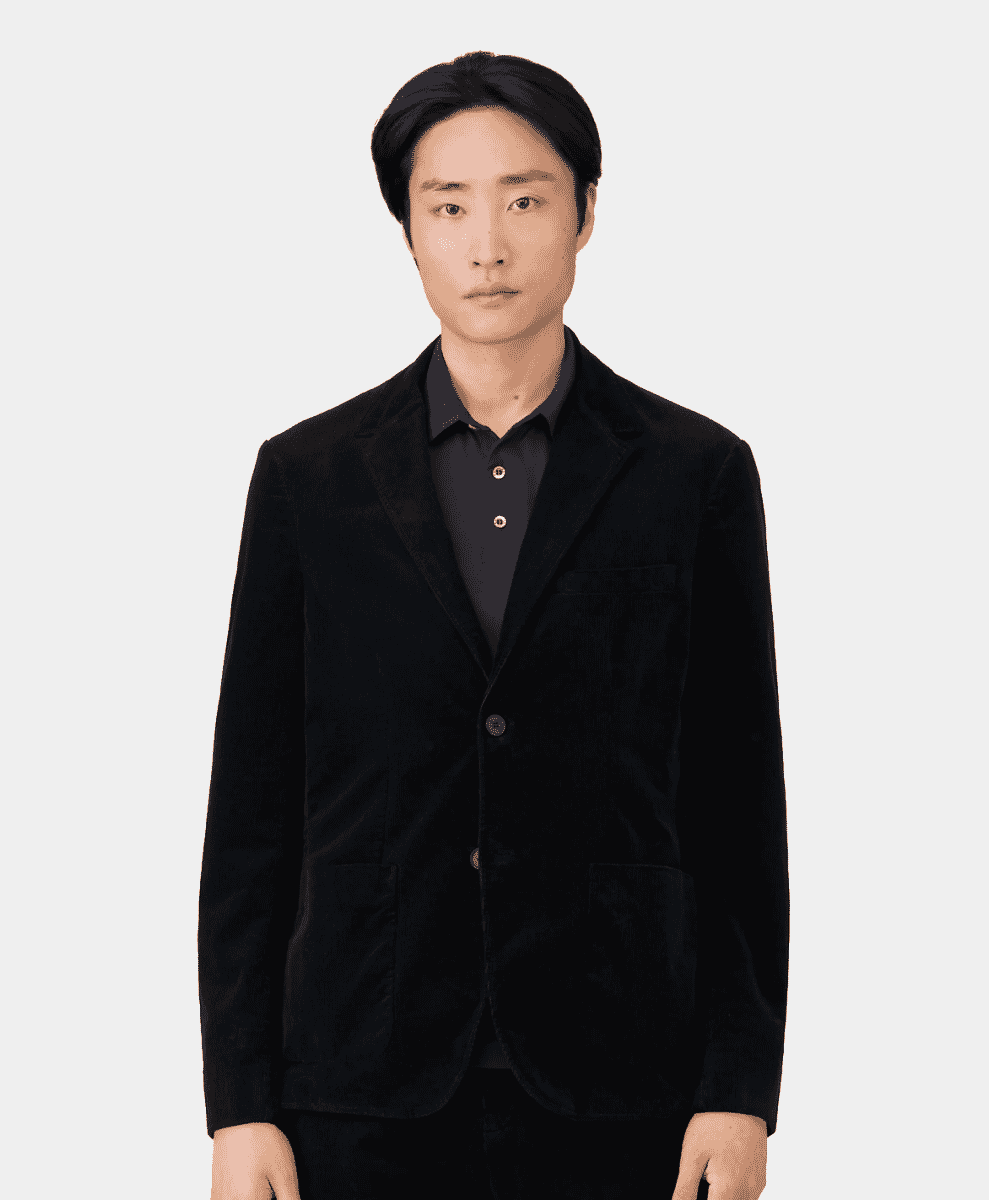
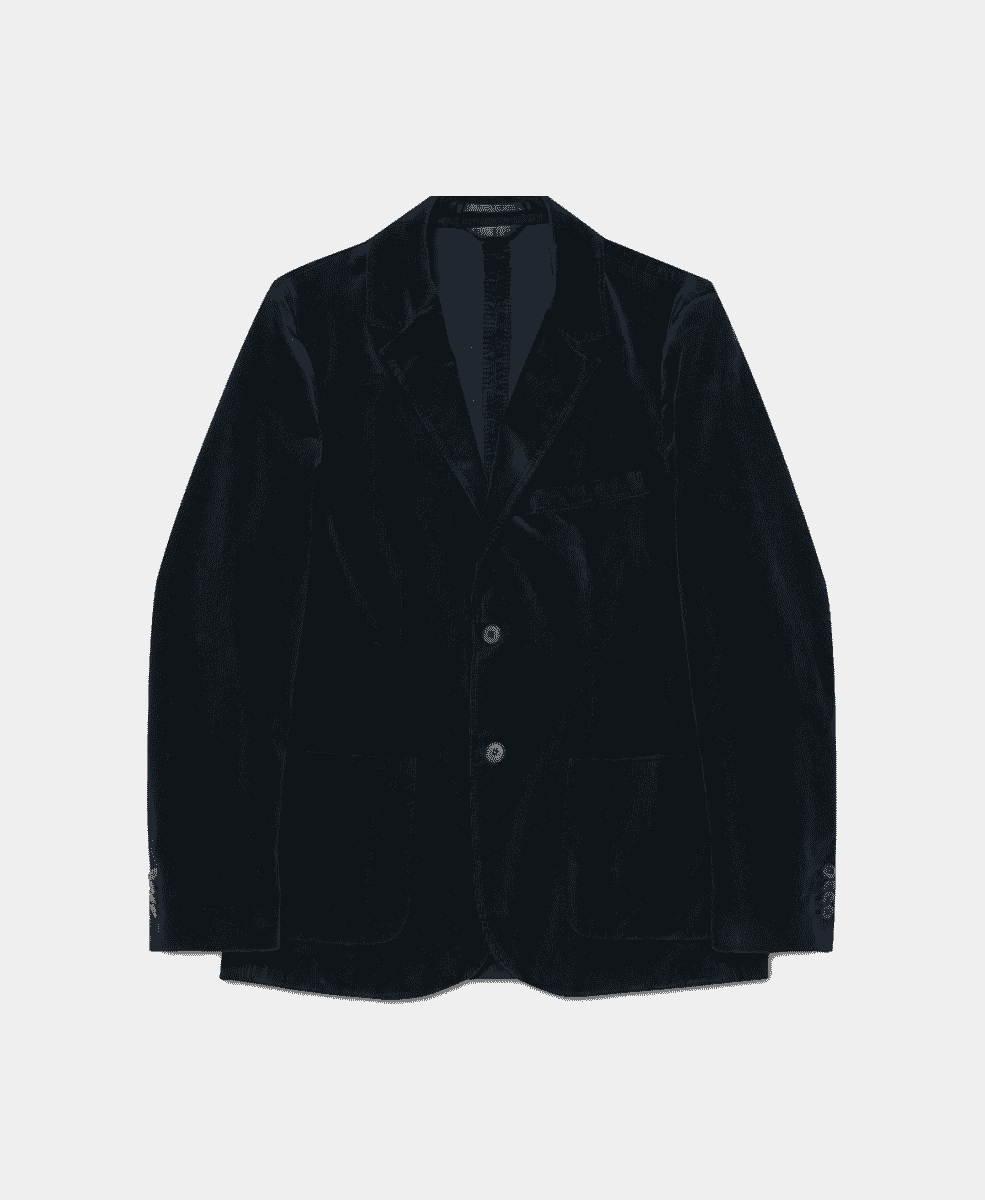
We’ve officially moved past the "geography teacher" tropes. Modern corduroy in 2026 is about high-end, structured tailoring. A black or dark navy corduroy blazer offers a unique play of light and shadow thanks to its "wales" (the ridges in the fabric).
- Corduroy: Choose a medium wale for a balance of structure and softness.
- Velvet: For evening professional events, transition to a velvet blazer.
Both fabrics offer a plush, tactile experience that sets you apart from the standard worsted wool crowd. They signal creative leadership—a person who values heritage but isn't afraid of a bold, tactile statement.
6. The Architect’s Layer: The Knitted Overshirt
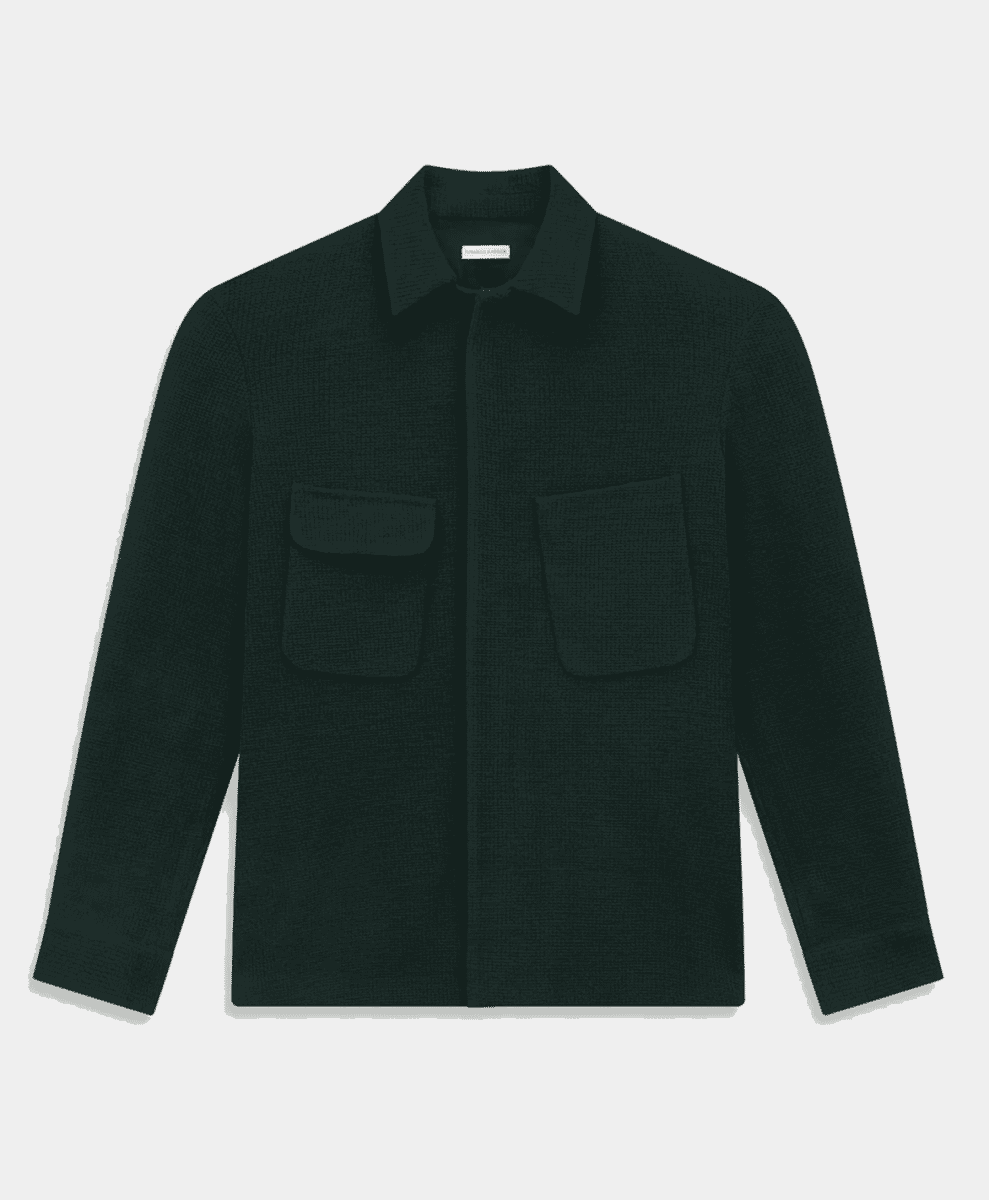
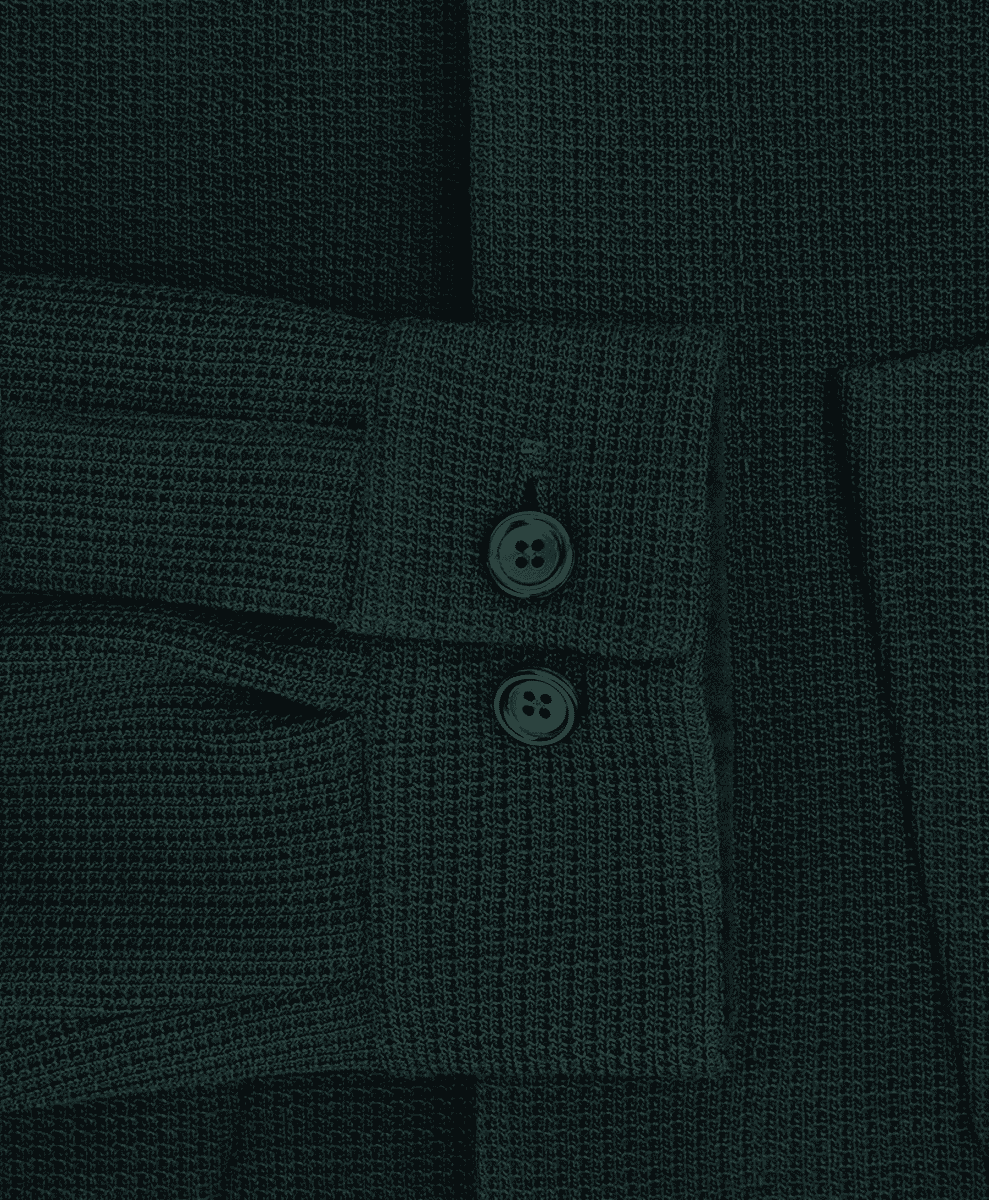
The overshirt has evolved. No longer just a casual throw-on, the 2026 knitted overshirt acts as architectural "scaffolding" for your outfit. By using a heavy knit instead of a woven cotton, the shirt gains a three-dimensional quality that frames the torso.
- Fabric: Boiled wool or heavy gauge cotton knit.
- Function: It replaces the traditional cardigan, offering more structure around the collar and placket.
This piece is essential for those "transitional" office days. It’s formal enough for a client lunch but comfortable enough for a deep-work session at your desk.
7. The Finishing Details: Wool Socks & Suede Footwear
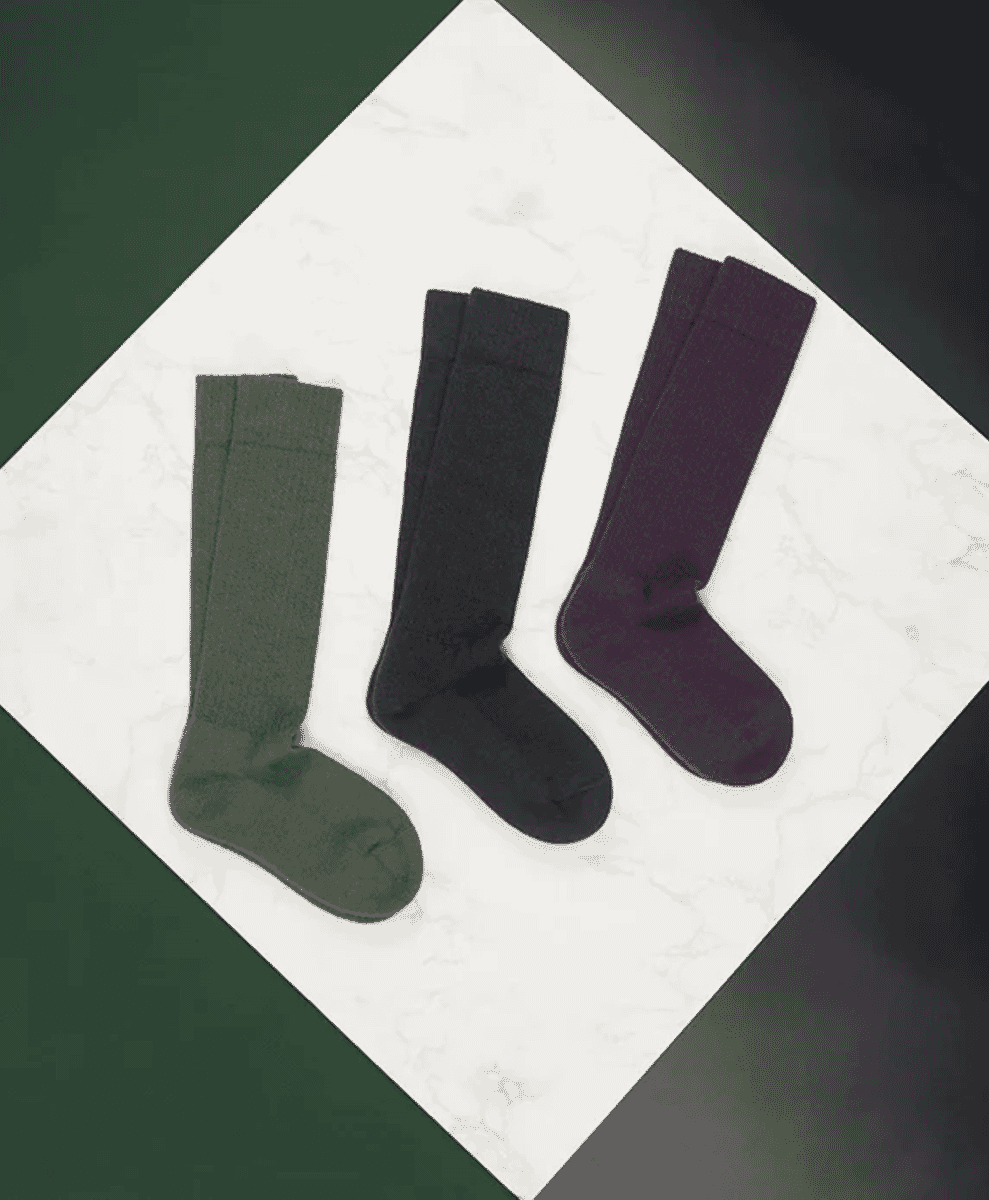
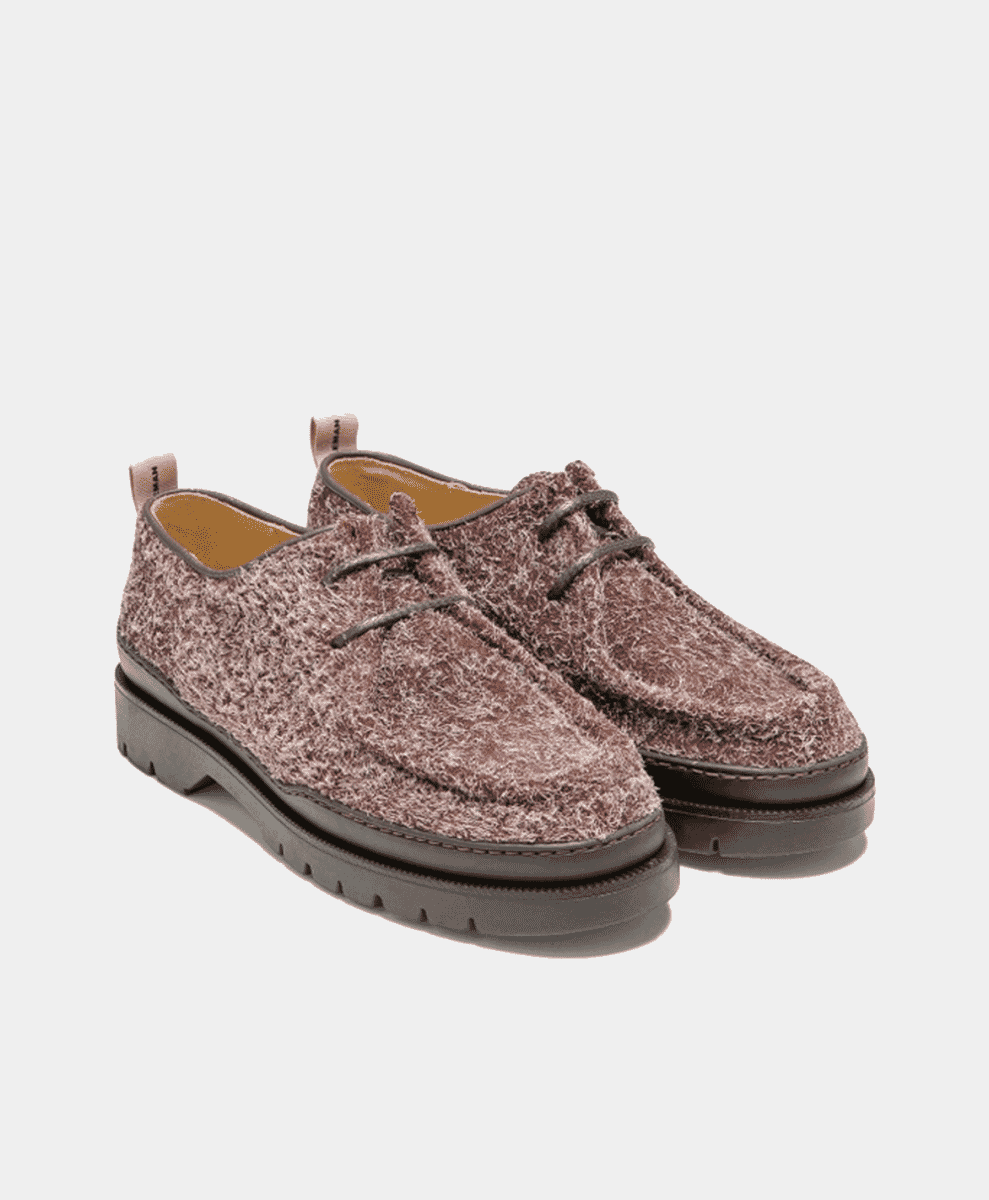
The tactile journey shouldn't end at your ankles. To ground these heavy textures, you need footwear and hosiery that match the "visual weight" of the rest of your kit.
- Socks: Sustainable knee-high wool in rich tones like olive, plum, or burnt orange.
- Footwear: Textured suede derbies.
Suede is the "hairy" alternative to polished leather. It has a matte finish that perfectly complements flannel and tweed. Polished leather can often look too "sharp" and jarring against these softer, richer textures; suede provides the harmonious finish your 2026 office look requires.
Conclusion: The 2026 Style Math
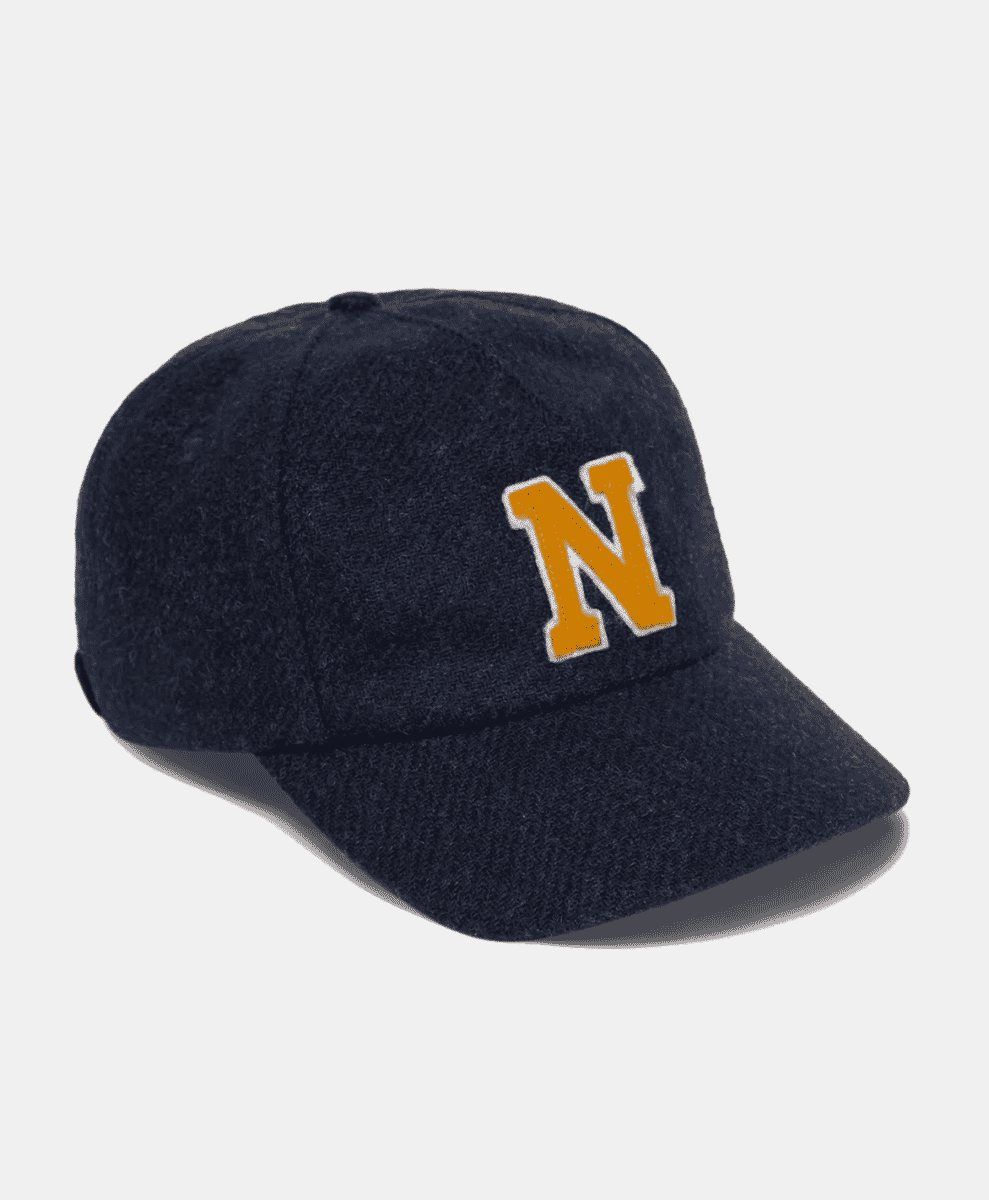
Mastering the office look in 2026 isn't about buying more; it's about buying better textures. These seven essentials—the tweed jacket, the ribbed beanie, the flannel trouser, the speckled knit, the cord blazer, the knitted overshirt, and the suede shoe—create a "Construction" mindset.
When every piece has visual depth, they all speak the same language. You can mix and match these seven items to create over 30 different outfits, each one signaling competence, leadership, and a sophisticated understanding of the new 3D professional world. Build with texture, and you’ll never look flat again.