Quick Facts
- The Milestone: 2023–2024 marks the 75th anniversary of Julia and Paul Child’s arrival in Paris in November 1948.
- The Landmark Home: Julia resided at 81 Rue de l’Université, affectionately known as "Roo de Loo," in the heart of the 7th Arrondissement.
- Culinary Ground Zero: Her journey began with a simple café complet at Les Deux Magots and professional training at the original Le Cordon Bleu.
- Essential Gear: To cook like Julia, one must still visit E. Dehillerin, the copper-clad temple of French kitchenware since 1820.
- Modern Interest: There has been a recent 40% increase in demand for personalized "French Chef" culinary pilgrimages across the 6th and 7th arrondissements.
In the damp, gray morning of November 1948, a tall, exuberant American woman stepped off the boat train at Gare Saint-Lazare and into a city that would not only change her life but rewrite the culinary history of the United States. Julia Child didn't just move to Paris; she inhaled it.
Today, seventy-five years after that transformative arrival, the spirit of "The French Chef" remains as palpable as the scent of melting butter wafting from a boulangerie at dawn. Recent travel data reflects this enduring legacy, showing a 40% increase in interest for personalized culinary pilgrimages centered on Julia’s life. Retracing Julia Child’s footsteps in Paris is more than a tourist itinerary; it is a sensory journey through over 12 historic landmarks, spanning the bohemian 6th arrondissement to the aristocratic 7th, capturing the essence of a woman who found her soul in a copper pot.
The First Bite: Breakfast at Les Deux Magots
Before the world-famous Sole Meunière in Rouen, there was the first morning in Paris. Julia and Paul settled into the Saint-Germain-des-Prés neighborhood, and their first ritualistic stop was Les Deux Magots. In 1948, this was the epicenter of existentialist thought, where the air was thick with Gauloises smoke and the intense debates of Sartre and de Beauvoir.
Julia, however, was focused on the plate. Her first breakfast was the classic café complet: a silver tray bearing a pot of strong, dark coffee, a jug of hot milk, crackly baguettes, creamy unsalted butter, and a basket of golden, flaky viennoiserie. She marveled at the simplicity and the quality—the way the crust gave way with a crackly snap, revealing a buttery, airy interior that put all American "French bread" to shame.
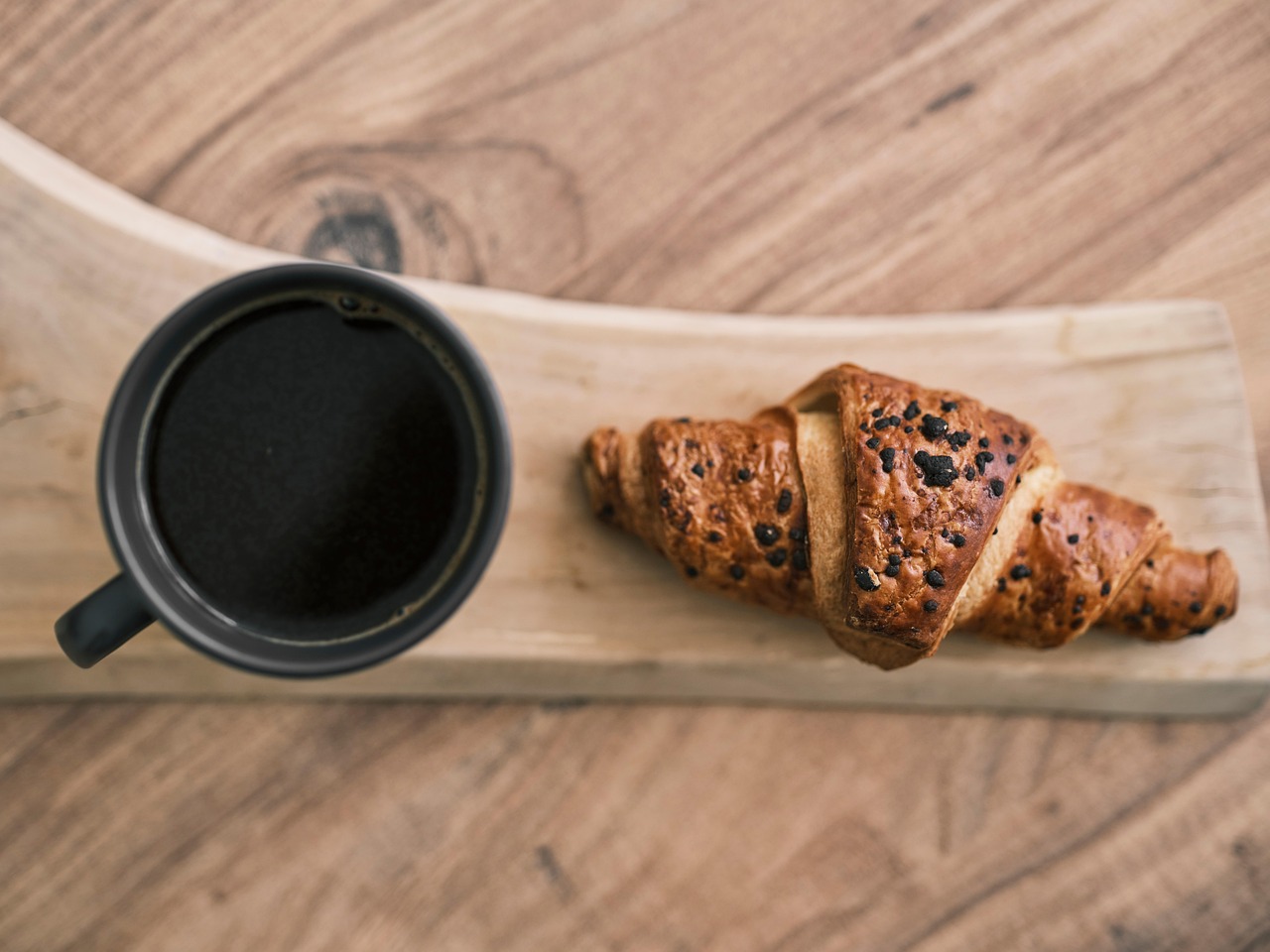
To recreate this experience today, secure a small round table on the terrace. While the "Hemingway" breakfast is a popular choice, ordering a simple café crème and a croissant allows you to sit in the same viridian shadows where Julia once planned her day. The clatter of spoons against porcelain remains the timeless soundtrack of the Left Bank.
Book a Table at Les Deux Magots →
'Rue de Loo': The Sanctuary at 81 Rue de l’Université
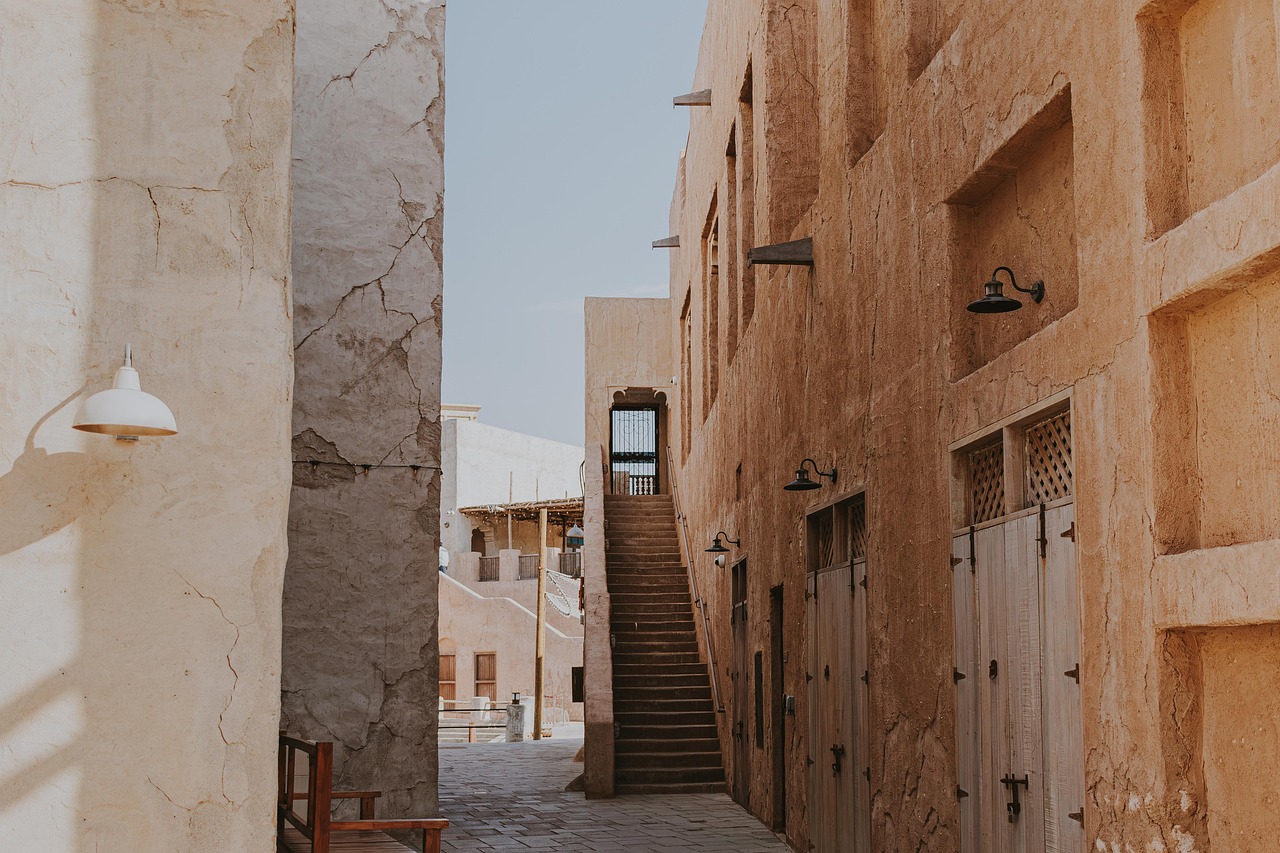
The true heart of Julia’s Paris lies at 81 Rue de l’Université. A short, brisk walk from the Seine, this address housed the "Roo de Loo"—the third-floor apartment in an 18th-century hôtel particulier where the Childs lived for six years. The building, with its massive green wooden doors and sun-dappled courtyard, remains an elegant sanctuary of the 7th Arrondissement.
It was in this kitchen that Julia first began testing the recipes that would eventually become Mastering the Art of French Cooking. She and Paul would often entertain friends here, the small space filled with the aroma of simmering boeuf bourguignon. Walking past this address today, one can almost hear Julia’s trilling laugh echoing from the windows. The neighborhood has retained its quiet, scholarly dignity, a stark contrast to the bustling tourist hubs nearby.
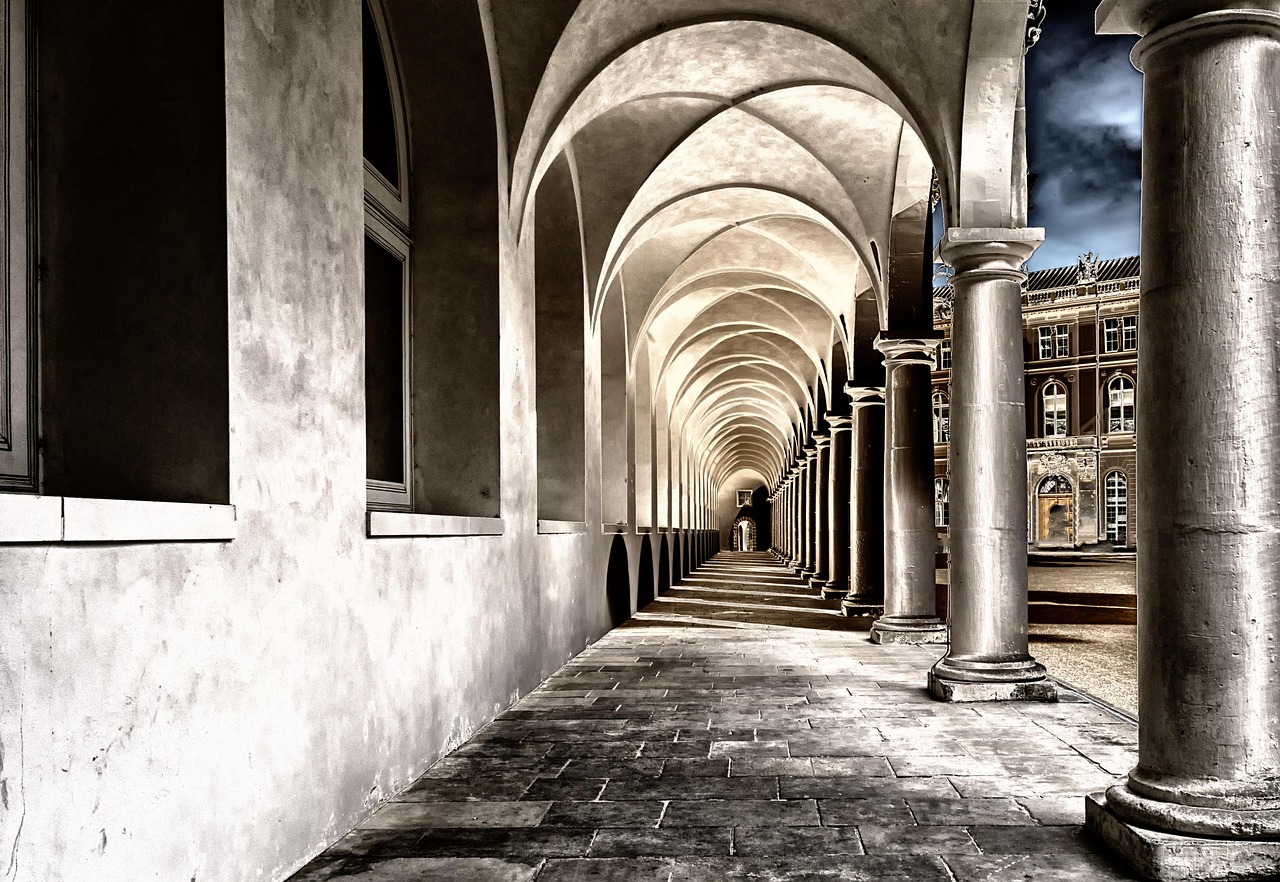
"Paris was a feast for the eyes and a delight for the soul. I was a different person when I lived there." — Julia Child
From Amateur to Professional: Le Cordon Bleu and Beyond
Julia’s hunger for knowledge eventually led her to Le Cordon Bleu. In 1949, the school was located on Rue du Faubourg Saint-Honoré. She famously found the "housewife" classes too elementary and demanded to be placed in the professional program alongside GIs returning from the war. Her tenacity was legendary; she spent her days chopping onions until her fingers were raw, obsessed with mastering the foundational techniques of the French kitchen.
While the school has since moved to a modern, state-of-the-art facility near the Eiffel Tower, the rigor of French culinary training remains unchanged. Today’s travelers can book short-form workshops at Le Cordon Bleu to experience a sliver of the discipline Julia embraced. Alternatively, for those seeking a more intimate connection to the ingredients, shops like Paroles de Fromagers offer deep dives into the science of terroir that Julia so admired.

The Essential Tools: E. Dehillerin and the Lure of Copper
If there is a cathedral for the Julia Child disciple, it is E. Dehillerin. Located near the former site of the Les Halles central market, this historic culinary supply store has been operating since 1820. Its wooden shelves are stacked high with every conceivable tool—from tiny truffle shavers to massive stockpots.
Julia famously shopped here, building the collection of heavy copper pans that would eventually hang on the famous pegboard in her kitchen (now preserved in the Smithsonian). Stepping into Dehillerin is like stepping back into the 19th century. The floorboards creak, and the staff, clad in traditional blue aprons, possess an encyclopedic knowledge of their wares.
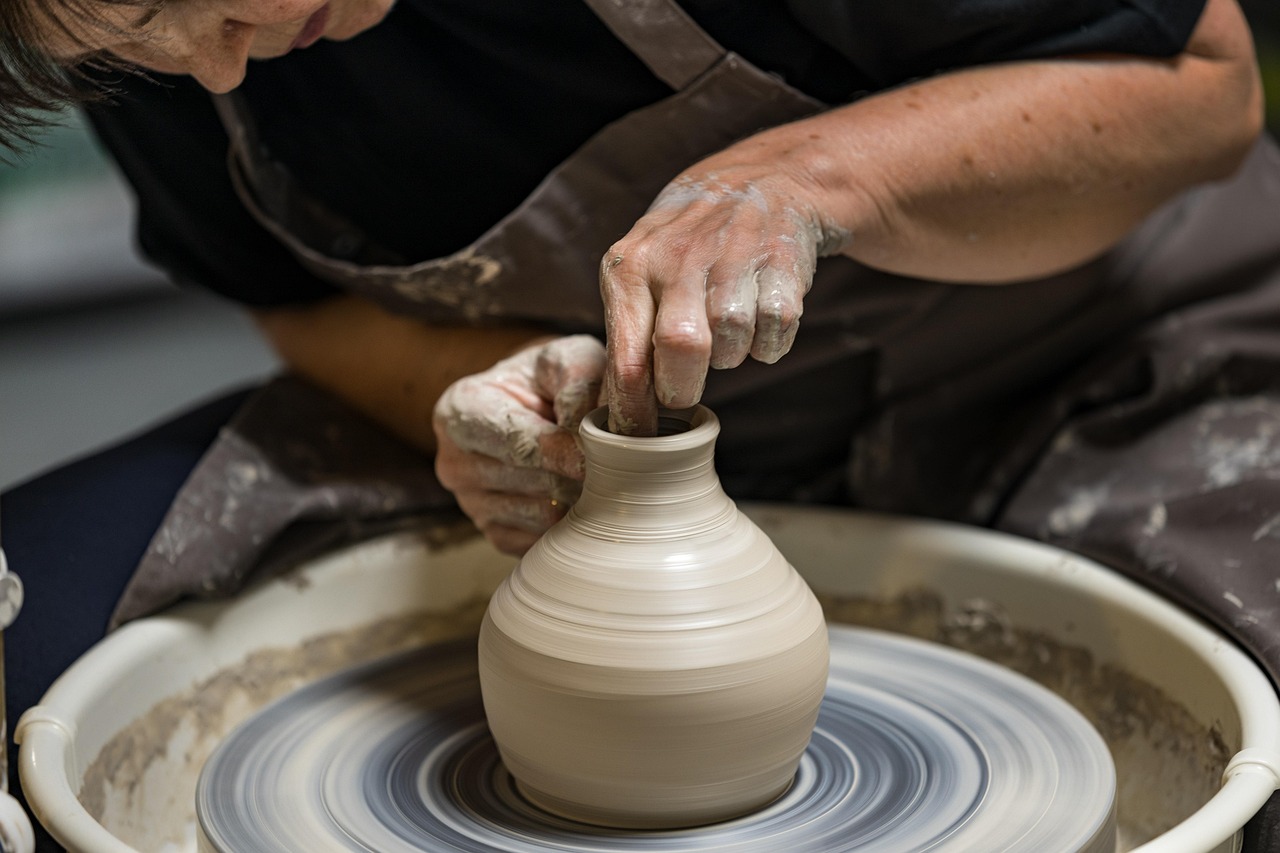
When visiting, look for the "Mauviel" copperware. Owning a piece from Dehillerin is a rite of passage for any serious cook. Even a small butter warmer or a heavy brass whisk serves as a lasting souvenir of the French culinary tradition Julia championed.
A Tale of Two Markets: Rue Mouffetard and Marché Maubert
For Julia, the market was her classroom. She famously said that shopping for food in Paris was a "life-changing experience." She frequented the Marché Maubert—the oldest open-air market in Paris—and the vibrant Rue Mouffetard.
These markets taught her the importance of seasonality and the relationship between the producer and the cook. She would engage in spirited negotiations with the boucher and the charcutier, learning which cuts were best for a daube de boeuf or which butter had the highest fat content for her pastry.
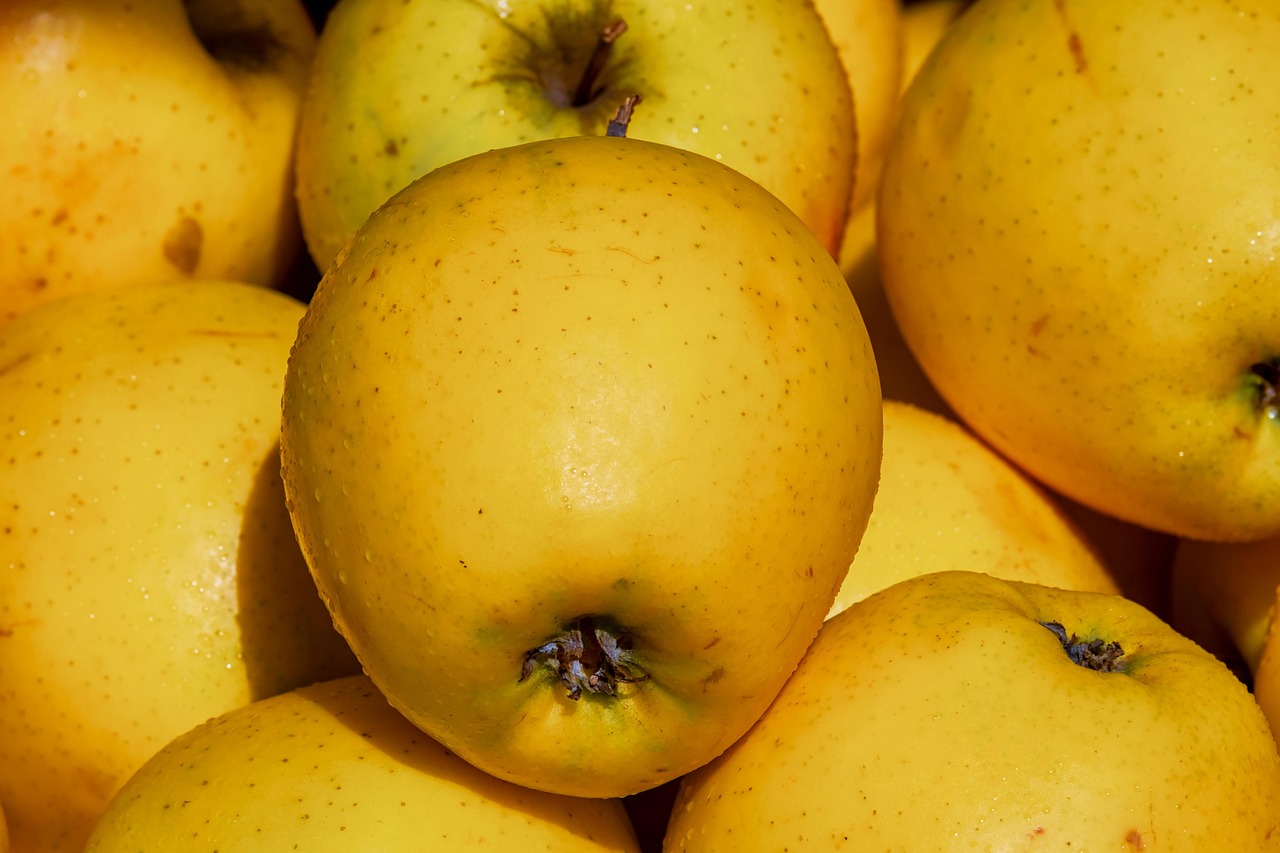
To follow her lead, start your morning at La Maison d’Isabelle on Place Maubert, which serves what many consider the best croissant in the city (a recipient of the Concours du Meilleur Croissant au Beurre). Take your pastry and wander the stalls, looking for the MOF (Meilleur Ouvrier de France) badge on vendors—a sign of the highest level of craftsmanship in France.
Dining with the Stars: Julia’s Favorite Tables
Julia’s culinary map of Paris was dotted with legendary establishments, many of which still stand as bastions of French gastronomy.
- Le Grand Véfour: Located in the Palais Royal, this restaurant is a jewel box of 18th-century opulence. With its mirrored ceilings and hand-painted silk panels, it was one of Julia’s favorite places for a grand celebration. It remains a pinnacle of Parisian dining history, where the ghosts of Napoleon and Colette seem to linger in the corners.
- La Tour Montlhéry-Chez Denise: For a more boisterous experience, Julia loved this Les Halles classic. Known for its generous portions of steak tartare, marrow bones, and overflowing carafes of Brouilly, it captures the raw, energetic spirit of old Paris.
- Brasserie Lipp: In the 6th, Julia often enjoyed the Sole Meunière or the choucroute at this historic brasserie. It was here, and at nearby Lapérouse (where she celebrated her 40th birthday), that she truly felt part of the Parisian literary and social fabric.

Comparison: Julia’s Classics vs. Modern Equivalents
| Julia's Classic | Why She Loved It | Modern Equivalent for Today’s Traveler |
|---|---|---|
| Les Deux Magots | The literary vibe and perfect café complet. | Café de Flore (for the same historic prestige) |
| Le Grand Véfour | 18th-century opulence and fine sauces. | Palais Royal Restaurant (modern Michelin dining) |
| Chez Denise | Hearty, traditional Les Halles fare. | Benoit Paris (classic bistro with a Michelin star) |
| Le Cordon Bleu | Rigorous technical training. | Cook'n With Class (intimate Montmartre workshops) |
The Modern Tribute: Le Jules Verne and Shakespeare & Co.
While much of Julia’s Paris is preserved in amber, the city continues to evolve in ways she surely would have toasted with a glass of vermouth. A culinary pilgrimage today often includes a meal at Le Jules Verne, perched high within the Eiffel Tower. While Julia preferred the ground-level markets, the 5-course tasting menu here represents the modern heights of the French cuisine she helped demystify for the world.
Finally, no retracing of her footsteps is complete without a stop at Shakespeare & Company. The legendary bookstore on the banks of the Seine maintains a dedicated display for Julia Child. Her seminal work, Mastering the Art of French Cooking, remains a bestseller here, a testament to her enduring role as the cultural bridge between France and the English-speaking world.
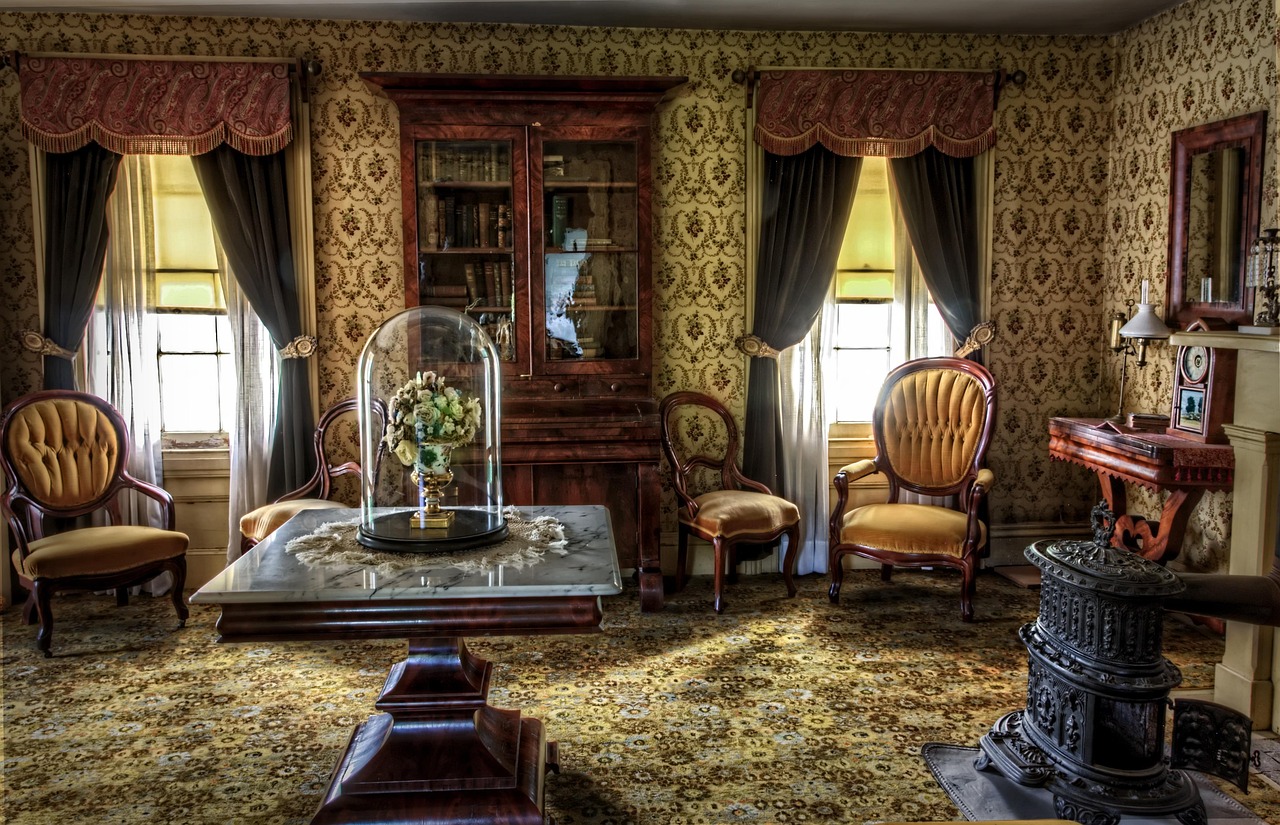
Summary of the Julia Child Culinary Pilgrimage
Retracing Julia’s journey typically covers over 12 historic landmarks across the 6th and 7th arrondissements. From the quiet courtyard of "Roo de Loo" to the gleaming copper aisles of E. Dehillerin, the itinerary is a reminder that Julia Child’s Paris was not just a place, but a state of mind—one of curiosity, fearlessness, and an unapologetic love for the table. As you walk these streets, remember her most famous advice: "Find something you're passionate about and keep tremendously interested in it." In Paris, that passion is always just one bite away.
FAQ
Can I visit the inside of Julia Child's former apartment at 81 Rue de l’Université? The building is a private residence and is not open to the public for tours. However, you can view the exterior and the historic courtyard from the street. Many culinary walking tours stop here to share stories of Julia and Paul’s time in the neighborhood.
Is E. Dehillerin friendly to amateur cooks, or is it only for professionals? While the shop serves many of the world's top chefs, it is open to everyone. Don't be intimidated by the no-frills atmosphere. The staff is helpful if you know what you are looking for, but it helps to browse the catalog online beforehand.
What is the best time of year for a Julia Child-themed culinary tour? Autumn (September to November) is particularly evocative, as it marks the anniversary of her arrival. The markets are full of game, mushrooms, and hardy vegetables, perfectly mirroring the rich, comforting dishes Julia was famous for.