Quick Facts
- SOMA Pilipinas: Designated in 2016, this is San Francisco’s official Filipino Cultural Heritage District, serving as a vital sanctuary for the city’s Filipino arts, history, and culinary revival.
- The Hub of the Diaspora: The San Francisco Bay Area is home to the second-largest Filipino population in the United States, with Daly City boasting the highest per-capita concentration of Filipinos in the nation.
- A Century of Flavor: Filipino food in San Francisco dates back over 100 years, anchored in the now-razed "Manilatown" on Kearny Street before migrating toward the SOMA district and the southern suburbs.
- The Fusion Strategy: Modern Pinoy cuisine is defined by its "gateway" evolution—using accessible formats like tacos, burritos, and pasta to introduce traditional flavors like sisig and adobo to a global audience.
Introduction: A Century-Old Legacy in Flux
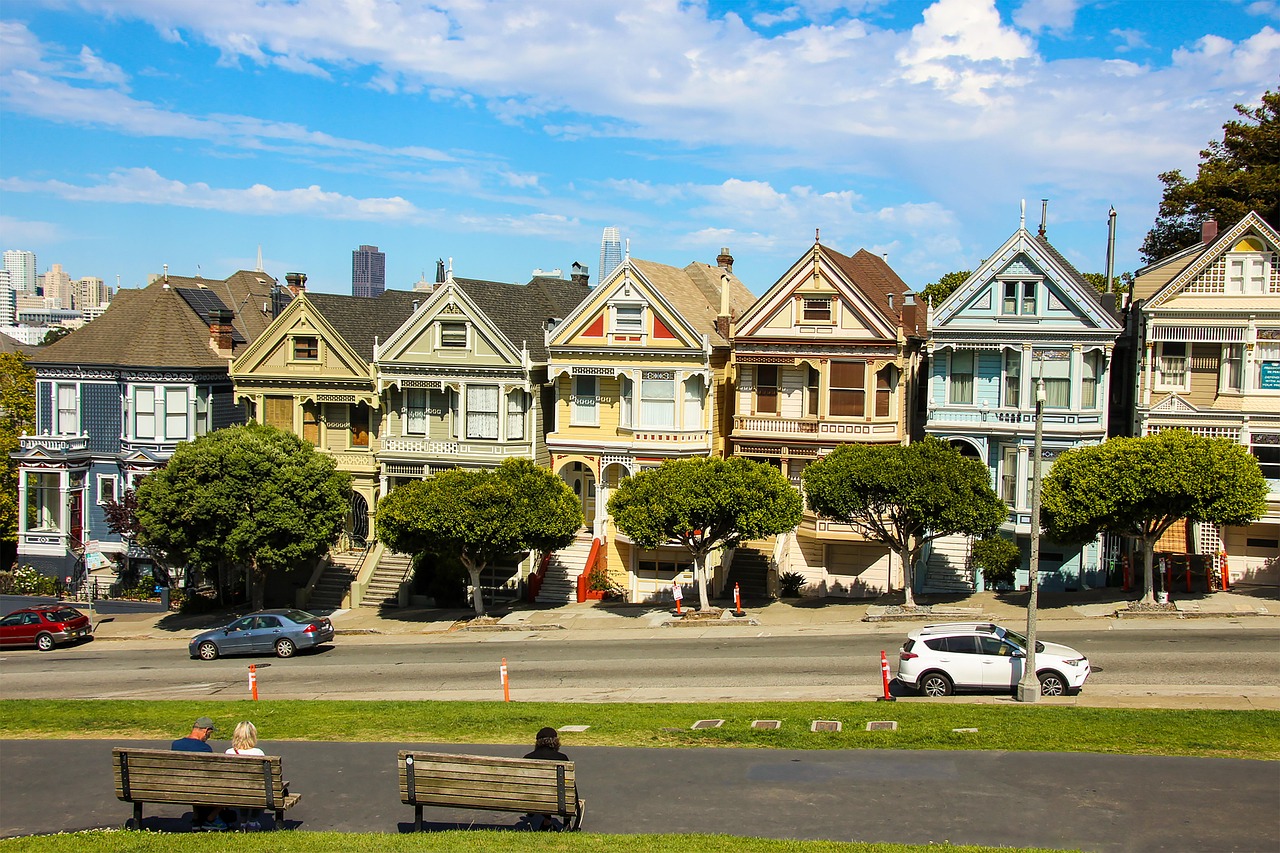
San Francisco is a city of perpetual reinvention, a place where self-driving Waymo cars hum past Victorian facades and glass-and-steel tech cathedrals. Yet, beneath the high-octane gloss of Silicon Valley North lies a much older, deeper rhythm—the rhythmic chop of a cleaver against a wooden block, the acidic tang of vinegar hitting a hot pan, and the sweet, floral scent of ube wafting through the foggy streets.
The Filipino story in San Francisco is not merely a chapter in the city’s history; it is the ink itself. For over a century, the Filipino community has navigated the ebb and flow of displacement and rebirth. In 2016, this resilience was formally recognized with the designation of SOMA Pilipinas, a Cultural Heritage District in the South of Market neighborhood. It is more than a geographic boundary; it is a cultural "vibranium," a source of strength that fuels a culinary scene ranging from humble "point-point" (turo-turo) eateries to Michelin-recognized dining rooms.
The Bay Area currently hosts the second-largest Filipino population in the United States. This sheer demographic weight has turned the region into a laboratory for what many are calling the "Filipino Food Movement." Whether you are looking for the nostalgic comfort of a home-cooked meal or a boundary-pushing tasting menu, the evolution of this cuisine tells the story of a community that refuses to be erased.
The Roots: Manilatown and the Battle for Kearny Street
To understand the modern Filipino plate in San Francisco, one must look back to the 1920s. For decades, a ten-block stretch along Kearny Street was known as Manilatown. It was a bachelor society of "Manongs"—first-generation Filipino immigrants who worked the fields and canneries, returning to San Francisco to find community in residential hotels and basement cafes.
The eventual destruction of Manilatown in the late 1970s—marked by the infamous eviction of the International Hotel—displaced thousands, but it did not kill the spirit of the cuisine. The community drifted south toward the SOMA district and eventually into Daly City, carrying their recipes with them.
Today, if you want a taste of that unyielding history, you head to the Mint Mall on Mission Street. There, tucked away like a precious secret, is JT Restaurant. Since 1994, it has functioned as a de facto time machine. This is the home of turo-turo—literally "point-point"—where diners select their lunch from a steaming array of metal trays behind glass.
Pro-Tip: Navigating Turo-Turo When you visit a traditional spot like JT Restaurant, don't look for a printed menu. Simply look at what's fresh in the trays. If you see something dark and savory, it’s likely dinuguan (pork blood stew); if it’s bright yellow with eggplant, you’ve found the kare-kare. Just point and enjoy.
The staples here are unapologetic. The pork sinigang is tamarind-kissed and bracingly sour, designed to cut through the damp San Francisco chill. The kare-kare, a rich peanut stew with oxtail and bok choy, is served with a side of pungent bagoong (shrimp paste) that elevates the dish with a fermented, salty funk.
The 'Gateway' Era: The Rise of Filipino Fusion
As the community faced the pressures of gentrification and displacement, a new generation of chefs emerged with a different strategy. If the world wouldn't come to traditional Filipino restaurants, the food would go to the world—disguised in familiar forms. This "gateway" strategy transformed Filipino food from a community secret into a citywide obsession.
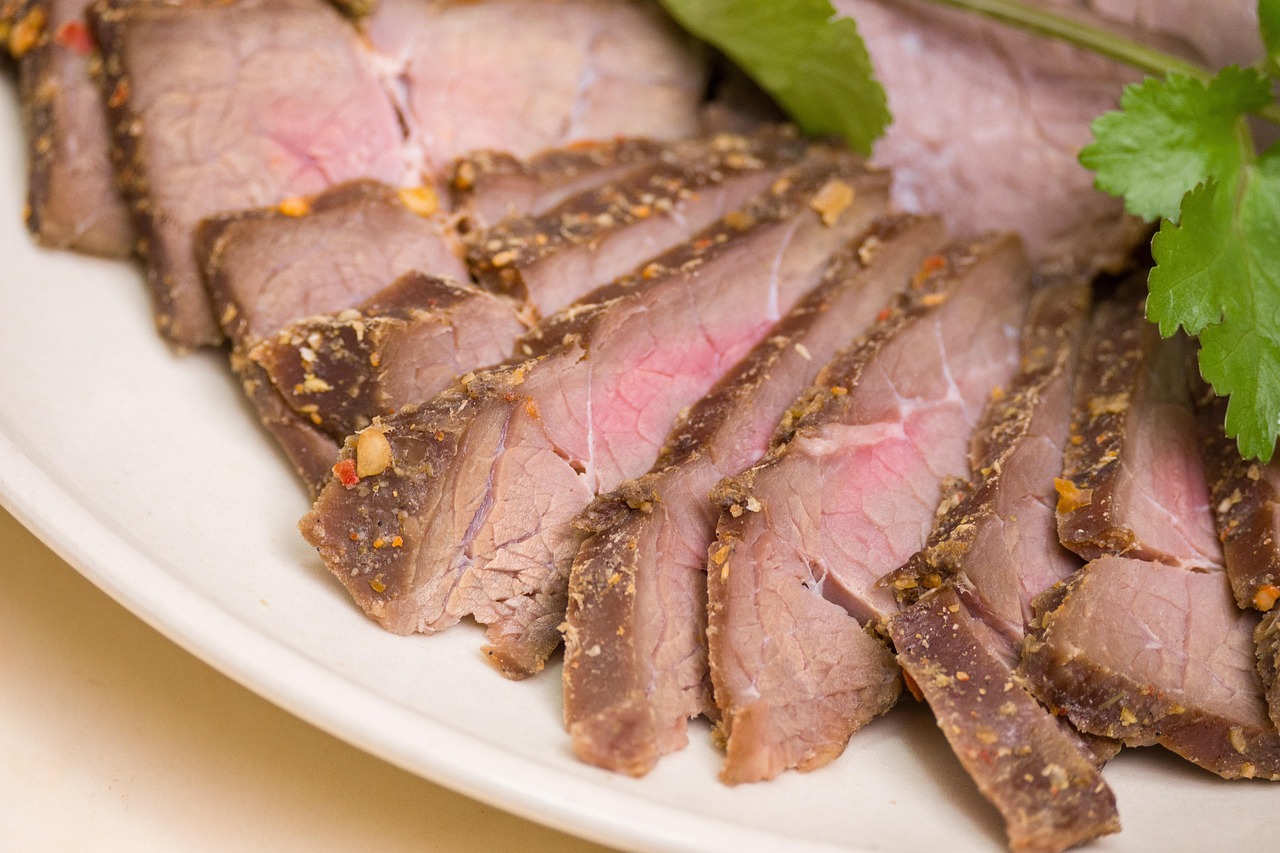
The revolution hit the streets in 2010 with Señor Sisig. Founders Evan Kidera and Leo Quintana took sisig—traditionally a dish of chopped, seasoned pig’s head—and reimagined it as a filling for tacos, burritos, and "California-style" fries. By swapping the more adventurous textures for fatty, marinated pork shoulder and topping it with cilantro cream, they created a culinary bridge. It was a "mitigation strategy" against invisibility, and it worked spectacularly.
Following in these footsteps is The Sarap Shop, located in the SOMA Streat Food Park. They specialize in what they call "feel-good Filipino food," including a lechon sisig carbonara mac that marries the crunch of roasted pork with the creamy decadence of pasta. Their innovation extends to the beverage menu, where they offer plant-based Halo-Halo milk tea, making the iconic Filipino dessert accessible to the city’s large vegan population.
The Foggy Hub: Daly City and Beyond
While SOMA Pilipinas is the cultural heart, Daly City is the demographic powerhouse. Bordering San Francisco to the south, Daly City has the highest per capita concentration of Filipinos in the United States. It is a place where the fog rolls thick over suburban hills and the air smells of garlic rice.
For a truly local experience, one must visit Café Colma, located inside the Lucky Chances Casino. It is a 24-hour sanctuary where the "Silog" breakfast—garlic fried rice (sinangag), eggs (itlog), and a protein—is served around the clock. Whether it's longganisa (sweet sausage) or tocino (cured pork), the silog is the ultimate comfort food for a community that works all hours.
Another legendary anchor is 7 Mile House. Originally built in 1853 as a stagecoach stop, this historic pub has evolved alongside the neighborhood. Today, it is a beloved Filipino-Italian-American fusion spot where you can pair a pint of local craft beer with a plate of lumpiang shanghai or a sizzling sisig platter. It represents the perfect synthesis of San Francisco’s frontier history and its Filipino future.
Comparing the Eras: Filipino Food in SF
| Feature | Traditional (Manilatown/JT Restaurant) | Modern Fusion (Señor Sisig/Sarap Shop) |
|---|---|---|
| Service Style | Turo-Turo (Point-Point) | Food Truck / Fast Casual |
| Star Ingredient | Oxtail, Offal, Whole Fish | Pork Shoulder, Lechon, Plant-based meats |
| Flavor Profile | Sour, Bitter, Fermented | Savory, Spicy, Creamy |
| Target Format | Served with plain white rice | Burritos, Tacos, Fries, Pasta |
The Michelin Era: Modernity and Intentional Eating
In recent years, the conversation has shifted again. Filipino food is no longer just "the next big thing"—it has arrived at the pinnacle of fine dining. This new era is defined by "intentional eating": a focus on regionality, seasonality, and the elevation of indigenous ingredients.
This shift is partly fueled by the global recognition of the Philippines' own culinary scene, with the country’s inaugural Michelin Guide featuring over 100 recognized venues. In San Francisco, this energy is epitomized by Abacá, located in Fisherman’s Wharf. Chef Francis Ang takes diners on a regional tour of the archipelago, moving beyond the "deep-fried and heavy" stereotypes to showcase the delicacy of Filipino flavors.
At Abacá, you might find scallop crudo with calamansi or handmade pancit with seasonal California vegetables. It is a place where the heritage of the past meets the technique of the present. Similarly, Ox & Tiger offers a sophisticated Japanese-Filipino tasting menu, reflecting the intricate historical and cultural ties between the two nations through dishes that are as visually stunning as they are delicious.
Cultural Celebrations: SOMA Pilipinas Events
Food in the Filipino community is inseparable from celebration. SOMA Pilipinas serves as the primary stage for these moments of "Kapwa"—the recognition of a shared identity.
Throughout the year, the district hosts events that double as culinary festivals:
- Flores de Mayo (May): A floral festival featuring parades and traditional snacks like kakanin (rice cakes).
- SOMA Pilipinas Night Market: A vibrant gathering of food vendors, artisans, and performers that showcases the incubator spirit of the district.
- Parol Lantern Festival (December): As the year ends, the streets are lit with star-shaped lanterns (parols), and the air is thick with the scent of hot chocolate and bibingka (baked rice cake with salted egg).
These festivals are more than just parties; they are an invitation for the rest of San Francisco to step into the Filipino home, to taste the history of Kearny Street, and to see the bright, neon-lit future of the community.
FAQ
What is the best neighborhood to find Filipino food in San Francisco? While SOMA Pilipinas is the official cultural district with many modern and fusion options, Daly City (just south of SF) offers the highest concentration of traditional restaurants and bakeries.
Is Filipino food spicy? Generally, Filipino food is more savory and sour (due to the use of vinegar and citrus) than spicy. However, many modern fusion dishes use spicy aiolis or peppers to add heat.
What should I order if it's my first time trying Filipino food? Start with Adobo (meat braised in vinegar, soy sauce, and garlic) for a classic flavor, or try Sisig in a taco or burrito format for a familiar yet uniquely Pinoy experience.
Experience the Legacy
The story of Filipino food in San Francisco is a testament to the power of flavor as a form of cultural preservation. From the resilient Manongs of the 1920s to the Michelin-starred chefs of today, each plate served is a victory. We invite you to walk the streets of SOMA, to point at a tray in a turo-turo, and to taste the evolution for yourself.