As we look toward the horizon of 2026, the Scandinavian design ethos is undergoing its most profound metamorphosis in a generation, shifting from a focus on mere aesthetic minimalism to a deep, tectonic "Fjord Integration."
The 2026 Shift: Fjord-Integrated Architecture
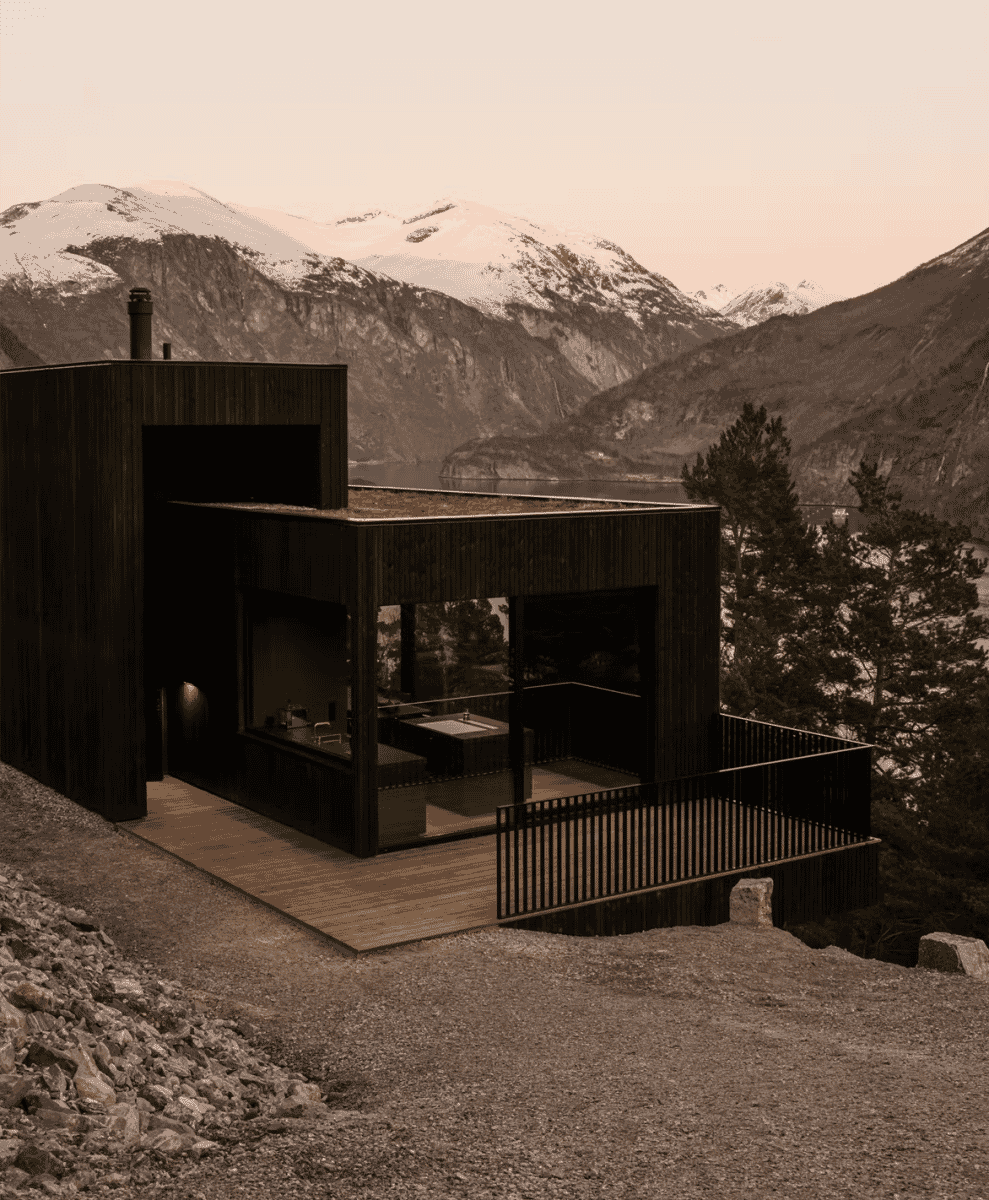
By 2026, the luxury residential market in Norway has moved beyond the "impactful" to the "invisible." We are witnessing the rise of architecture that dialogues with the terrain rather than imposing upon it. This modern black timber structure is a masterclass in ecological integrity; by utilizing elevated concrete plinths, architects have achieved an 85% reduction in soil displacement. It is a philosophy of touch—leaving the ancient moss and jagged rock undisturbed while offering a perched, panoramic vantage point. For the conscious curator, this represents the ultimate investment: a home that functions as a silent observer of the landscape.
Biophilic Minimalism: Living with the Landscape
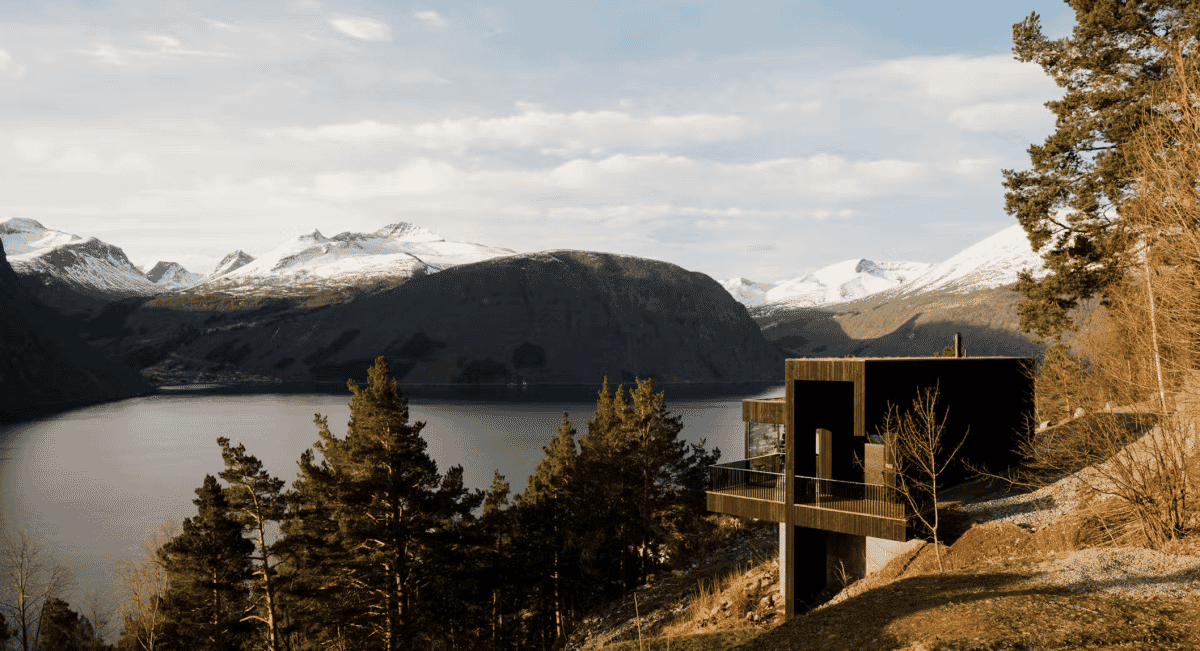
The 2026 movement defines a new era of "Biophilic Minimalism." It is no longer enough to simply bring plants indoors; the architecture itself must dissolve the barrier between inhabitant and environment. In this hillside cabin, the transition from the structured warmth of the interior to the raw, snow-capped peaks is nearly imperceptible. This seamlessness is achieved through high-performance glass and structural timber that mirrors the surrounding evergreens. It is a design language that prioritizes the emotional well-being of the resident, fostering a sense of belonging within the wild Nordic expanse rather than separation from it.
The Olive Palette & Warm Woods
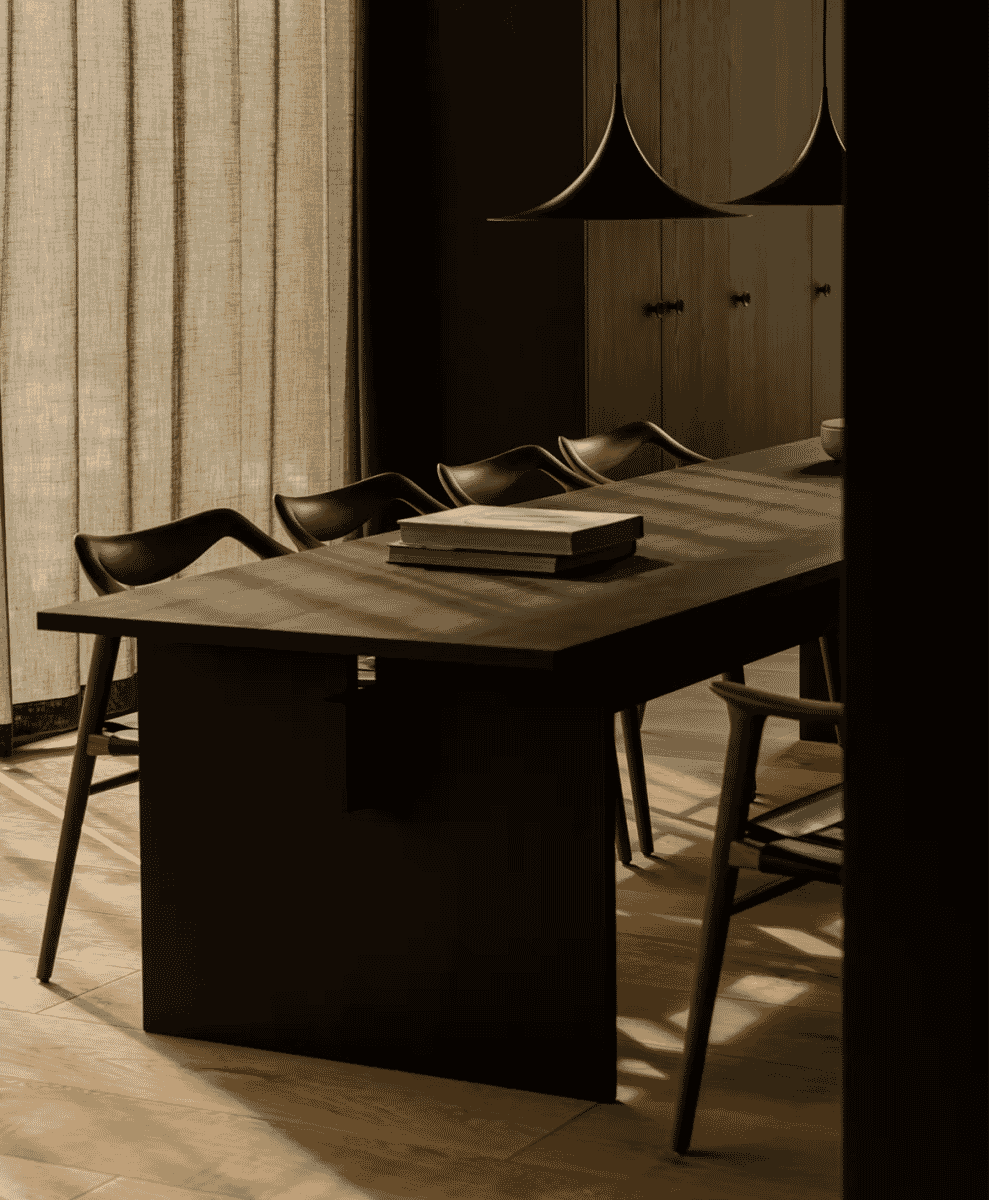
Inside, the palette of 2026 has matured. We are moving away from the stark "Scandi-white" of the past decade toward a more grounded, sensorial immersion. The rise of olive-toned accents paired with locally sourced, wide-plank timber—reminiscent of the Valldal heritage—creates a cocoon-like atmosphere. The craftsmanship here is quiet but commanding; every joint and surface celebrates tactile authenticity. This is interior design as a form of grounding, where the depth of char-burnt timber provides a sophisticated contrast to the soft, diffused light of the Northern latitudes.
Sensorial Immersion: The View as Decor
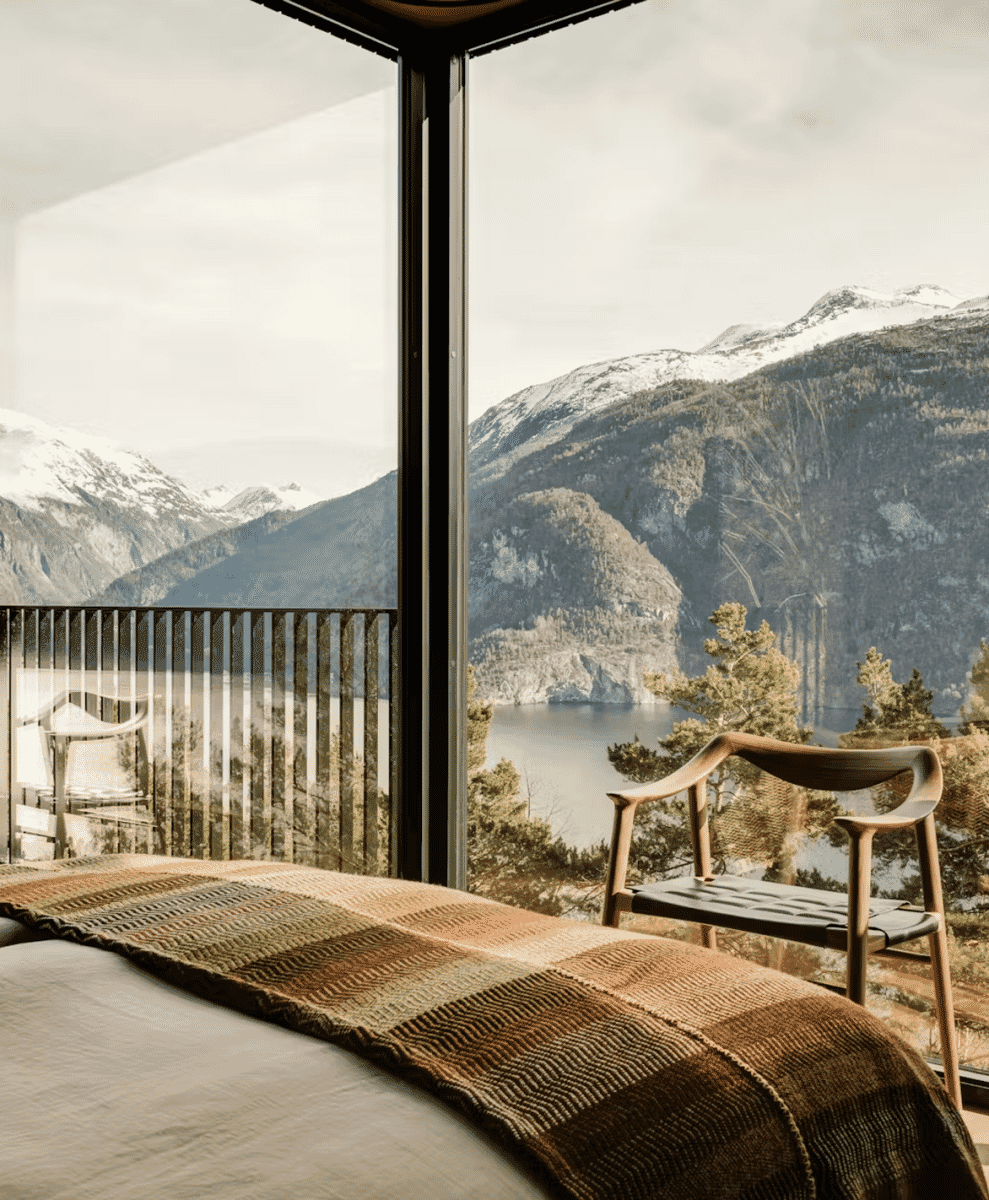
In the most exclusive Nordic retreats, "Sensorial Immersion" is the new luxury. Traditional ornamentation is being replaced by the dynamic, ever-changing weather of the fjords. When the view is this profound, the interior must remain a humble frame. A cozy bedroom, anchored by a heavy plaid wool blanket and minimalist textures, becomes a private observatory. In 2026, we value the luxury of time and observation—watching a storm roll across the mountain peaks is considered more valuable than any static piece of art. This is the "Scandinavian Superlative": finding opulence in the raw, unscripted theater of nature.
Eco-Luxury Travel: The Zero-Emission Era
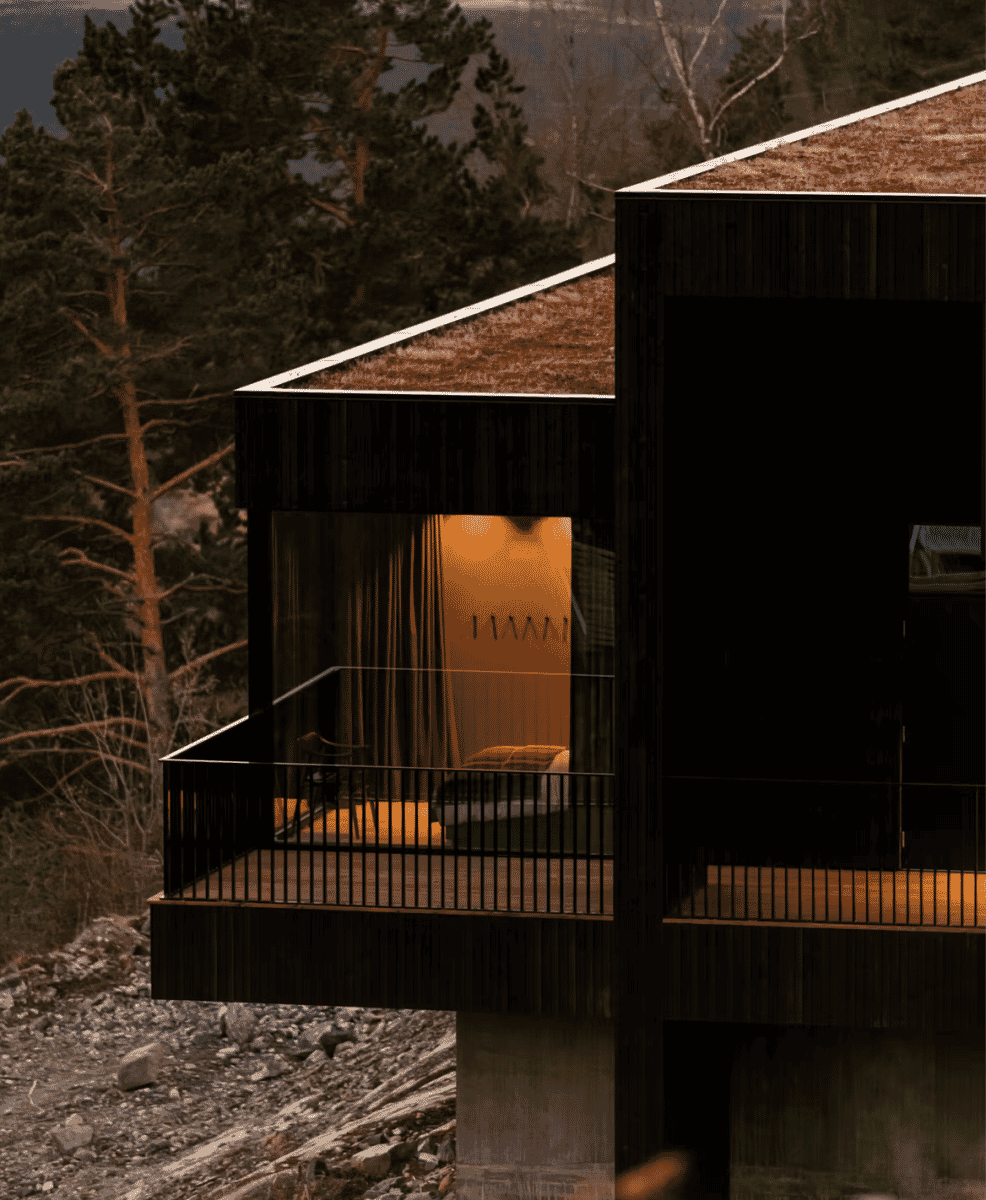
The evolution of Scandinavian design is inextricably linked to the environmental mandates of 2026. With the January 1st deadline requiring all vessels in UNESCO-protected fjords like Geirangerfjord to be zero-emission, the surrounding architecture has followed suit. We are seeing a new class of eco-luxury lodges that function as self-sustaining ecosystems. These structures, illuminated by warm, low-impact lighting, serve as beacons of the zero-emission era. They prove that high-end hospitality can coexist with the most stringent environmental ethics, offering a blueprint for the future of global luxury travel.
The Future of Nordic Solitude
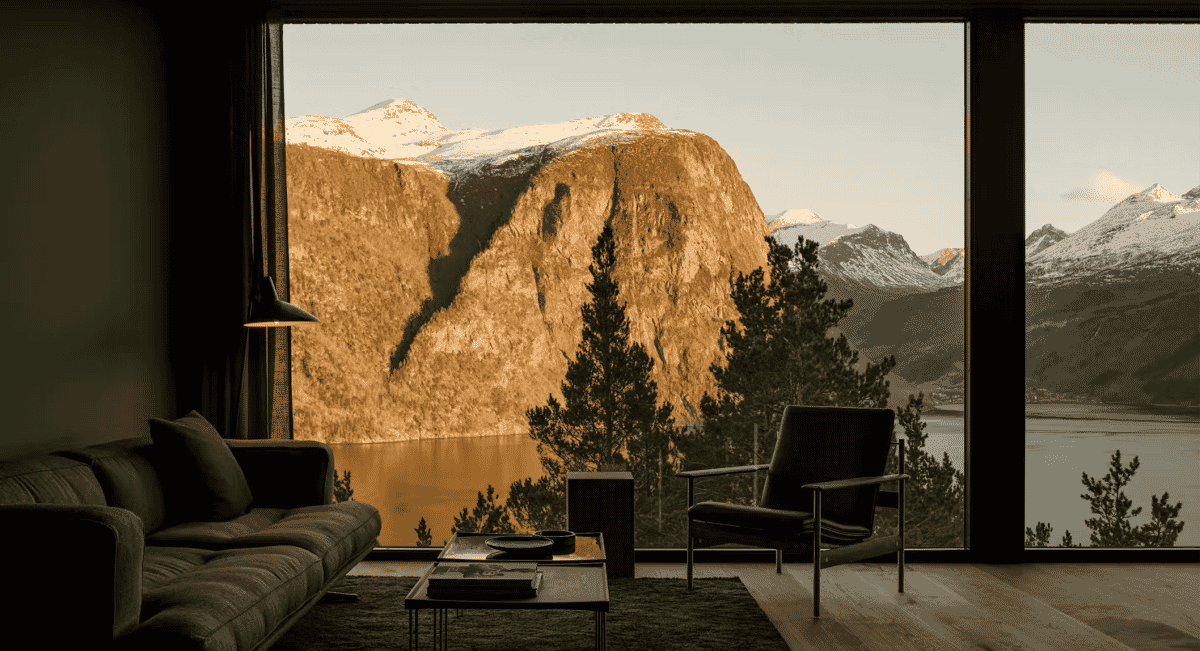
Ultimately, the Scandinavian design trends of 2026 culminate in the pursuit of "intentional solitude." In an increasingly digitized world, the value of a functional, emotionally supportive space cannot be overstated. By pairing warm, honeyed wood tones with expansive glass and natural light, these living spaces offer a sanctuary for reflection. The 2026 ethos is one of presence—it is about creating a home that doesn't just house our belongings, but supports our spirit through its connection to the earth and the water.
The Fjord Integration movement is more than a trend; it is a long-term commitment to a lifestyle where heritage, craftsmanship, and ecological integrity are the ultimate hallmarks of luxury.