Quick Facts
- The Vision: The Singapore Green Plan (SGP) 2030 is a national sustainability movement designed to transition Singapore from a "Garden City" into a "City in Nature."
- Accessibility: By 2030, 100% of households will live within a 10-minute walk of a park, facilitated by the addition of 300 acres of new green spaces.
- Transport Revolution: Singapore plans to triple its current cycling trail network and mandate that 100% of new car registrations be clean-energy vehicles by 2030.
- Waste Reduction: The plan targets a 30% reduction in waste sent to landfills per capita per day by 2030, emphasizing circular economy practices.
Introduction: From Garden City to City in Nature
Singapore has long been a global outlier—a hyper-dense metropolis that refuses to surrender its greenery to the encroachment of concrete. Since the initial "Garden City" vision was launched in 1967, the city-state has evolved with surgical precision. Today, we are witnessing the next phase of this evolution: the Singapore Green Plan 2030. This is not merely a policy document; it is a hyper-detailed blueprint for a sustainable future that balances urban growth with ecological resilience.
The Singapore Green Plan 2030 is a multi-ministry movement centered on five key pillars: City in Nature, Energy Reset, Sustainable Living, Green Economy, and Resilient Future. For the global traveler, this translates to a destination where sustainability is not an "add-on" but a foundational element of the experience. From the moment you land at Jewel Changi Airport to your commute via a zero-emission transport network, the SGP 2030 is reshaping how we perceive urban tourism.
The 5 Pillars of SGP 2030: A Blueprint for the Future
The architectural and social shift currently underway in Singapore is governed by five strategic pillars. These pillars ensure that the city-state remains liveable while meeting its goal of net-zero emissions by 2050.
- City in Nature: This is perhaps the most visible pillar for visitors. Singapore aims to develop over 300 acres of new parks by 2030. The objective is clear: ensure 100% of households live within a 10-minute walk of a green space. This involves intensive reforestation and the creation of "ecological corridors" that connect isolated pockets of biodiversity.
- Energy Reset: The city is tripling its solar energy deployment and transitioning the transport sector. Under the SGP 2030, Singapore mandates that 100% of new car registrations are clean-energy vehicles. For the traveler, this means a quieter, cleaner urban environment.
- Sustainable Living: A target has been set to reduce waste sent to the Semakau Landfill by 30%. This is achieved through circular economy initiatives, such as "NEWSand," which converts incinerator ash into construction-grade materials.
- Green Economy: Singapore is positioning itself as a hub for green finance and carbon services, creating jobs that specifically support global decarbonization efforts.
- Resilient Future: To combat rising sea levels, the city is investing in coastal protection and aiming for "30 by 30"—producing 30% of its nutritional needs locally by 2030.
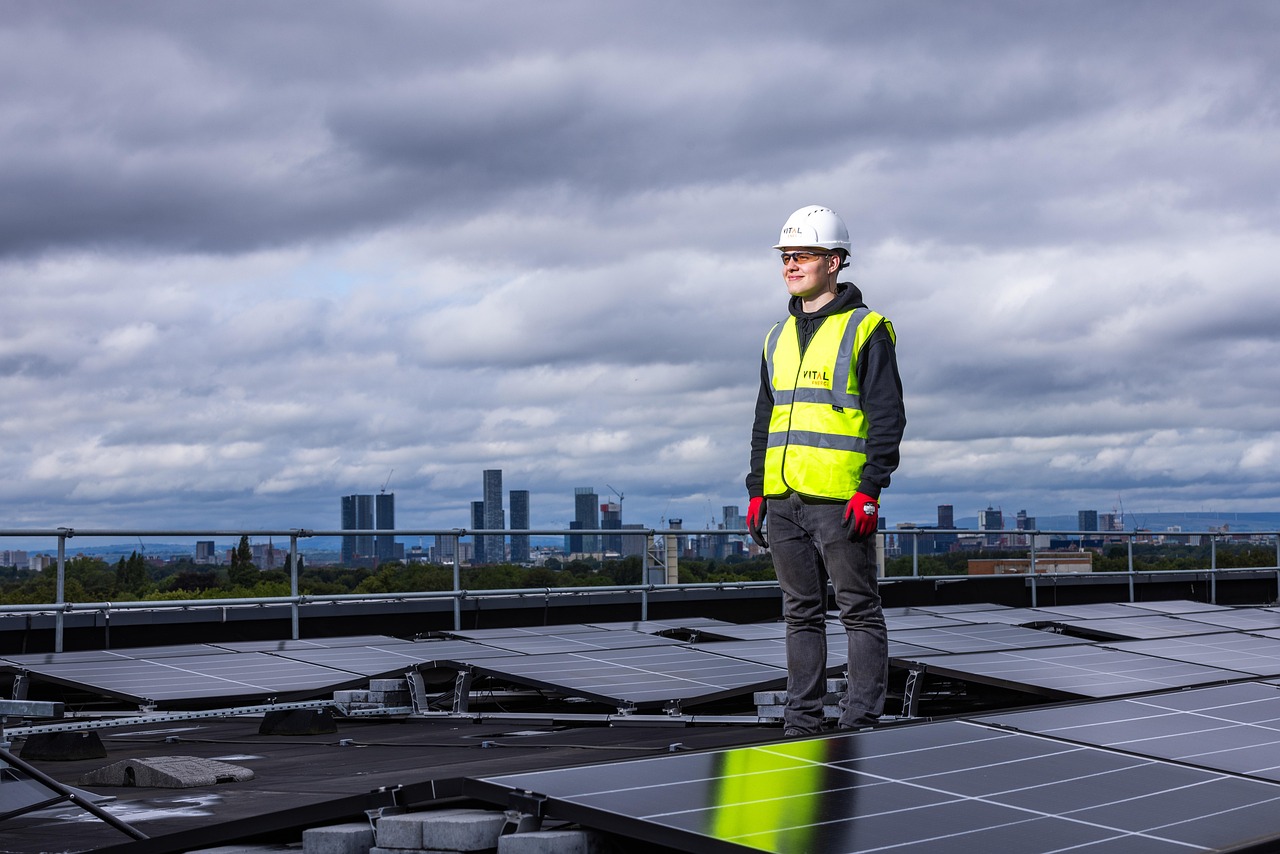
Sustainable Architecture: Where Concrete Meets Canopy
Singapore’s skyline is no longer a collection of glass boxes; it is a vertical forest. The city’s Building and Construction Authority (BCA) has implemented some of the world’s strictest green building codes, requiring new developments to integrate greenery and maximize energy efficiency.
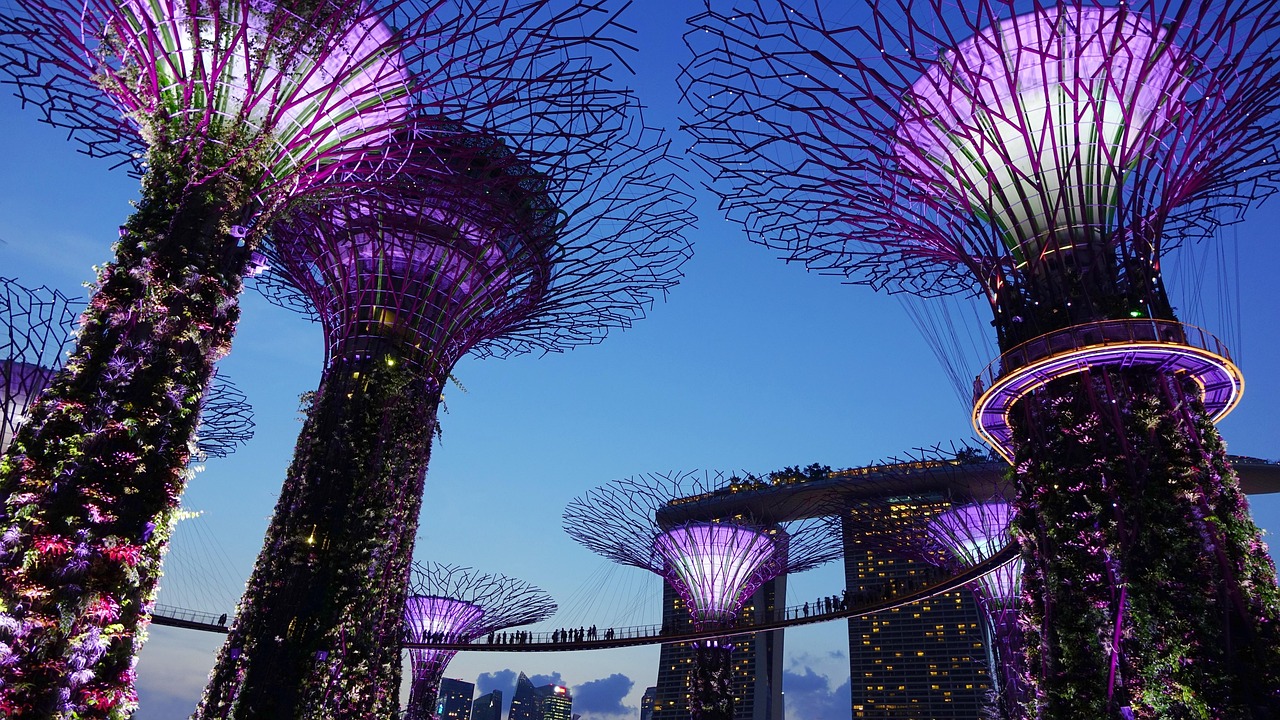
Gardens by the Bay
Gardens by the Bay remains the gold standard for sustainable architectural marvels. The 18 "Supertrees" are far more than aesthetic landmarks. Ranging from 25 to 50 meters in height, these structures function as vertical gardens that harvest solar energy via photovoltaic cells and act as air venting ducts for the cooled conservatories nearby. The entire park is powered by horticultural waste, which is incinerated in an on-site biomass plant to generate electricity.
ParkRoyal Collection Pickering
If you want to see the "hotel-in-a-garden" concept at its peak, the ParkRoyal Collection Pickering is the definitive example. The building features 15,000 square meters of sky gardens, reflecting pools, and waterfalls. Its self-sustaining irrigation system uses harvested rainwater and solar power to maintain the lush greenery that drapes over the balconies, effectively cooling the building and reducing energy consumption for air conditioning.
Jewel Changi Airport
Jewel Changi Airport redefined the "airport experience" by centering it around the Shiseido Forest Valley. At its heart lies the HSBC Rain Vortex, the world’s tallest indoor waterfall. The water is recycled rainwater that helps maintain the indoor temperature, creating a micro-climate that supports over 2,000 trees and 100,000 shrubs within the terminal.
Book a Stay at Singapore’s Most Sustainable Hotel →
Eco-Tourism: Best Green Activities for Travelers
The SGP 2030 is expanding the menu of eco-friendly activities, shifting the focus from air-conditioned malls to rugged nature trails and biodiversity hubs.
- Hiking Bukit Timah Nature Reserve: For those seeking raw nature, the 400-acre Bukit Timah Nature Reserve contains one of the highest concentrations of native species in the region. It is one of the few remaining pockets of primary rainforest in Singapore and offers challenging trails that lead to the city’s highest point.
- Cycling the Island: Under the SGP 2030, Singapore is tripling its cycling trail network to 1,320 kilometers. Visitors can now cycle from the CBD all the way to Changi or the northern coastline via the Park Connector Network (PCN), a seamless way to explore the city without a carbon footprint.
- Pulau Ubin and the 'Last Kampong': A short bumboat ride from the mainland takes you back in time. Pulau Ubin is an eco-tourism haven where you can explore Chek Jawa Wetlands—one of Singapore’s richest ecosystems—via a coastal boardwalk.
- Urban Biodiversity Walks: For a structured experience, the Urban Biodiversity Walk at Gardens by the Bay provides insights into how the city manages its diverse flora and fauna in a high-density environment.

Sustainable Dining & Hawker Culture
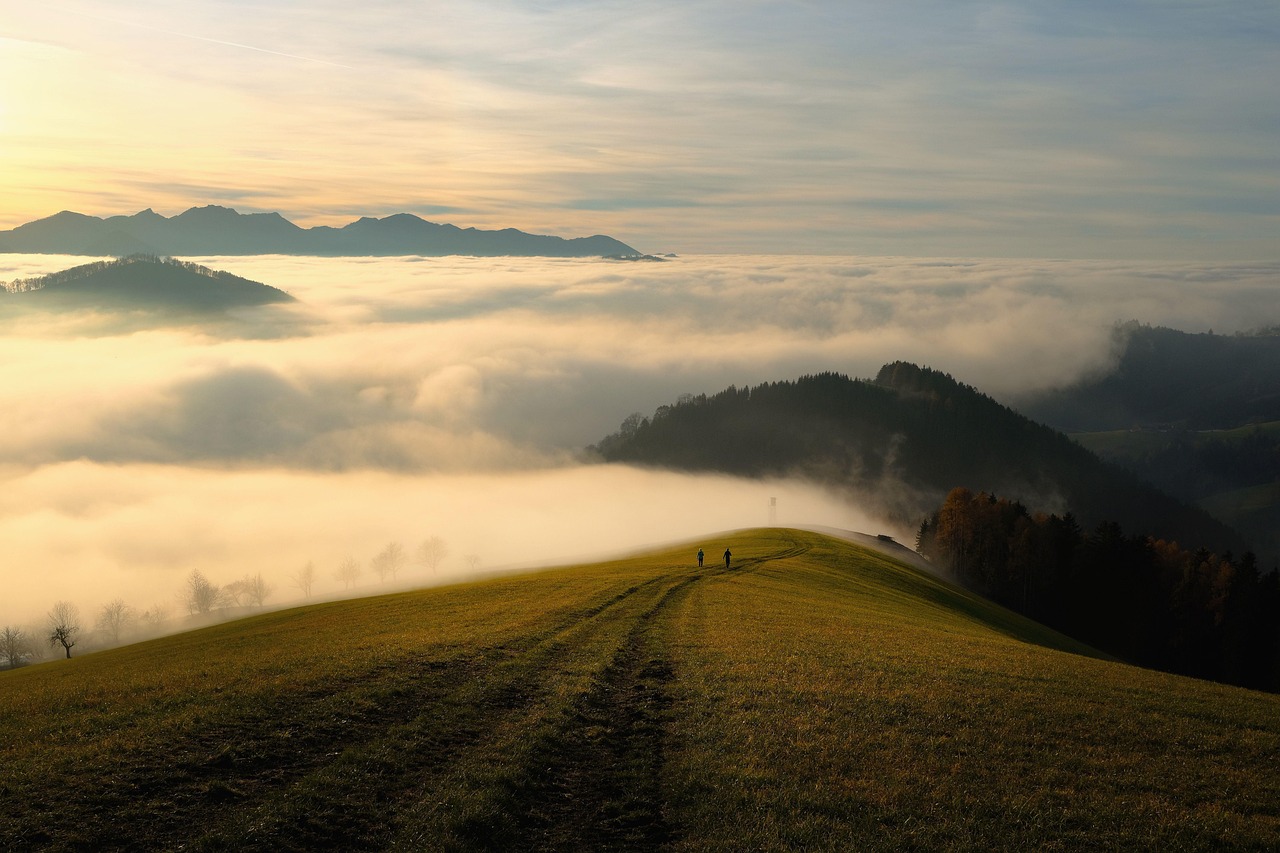
Singapore’s food scene is undergoing its own green revolution. The UNESCO-recognized Hawker culture is inherently efficient, but the SGP 2030 is pushing it further through low-waste initiatives and the promotion of local sourcing.
Hawker centers like Maxwell and Old Airport Road are community hubs that serve meals at a fraction of the cost of restaurants (typically 3-6 SGD). These centers are increasingly implementing food waste digesters and eliminating single-use plastics. For a more "elevated" sustainable experience, the "Farm-to-Table" movement is thriving. 1-Arden, located at the top of the CapitaSpring skyscraper, features one of the world’s highest urban farms, providing fresh herbs and vegetables directly to its kitchens in the heart of the Central Business District.
Traveler’s Logistics: Navigating the Green City
Navigating Singapore sustainably is remarkably simple, thanks to an integrated public transport system that ranks among the best in the world.
- The MRT and Public Transport: The Mass Rapid Transit (MRT) is the backbone of the SGP 2030's transport goals. It is the most sustainable way to move. I highly recommend purchasing the Singapore Tourist Pass (EZ-Link), which offers unlimited travel for a fixed period (from 10 SGD/day).
- Budgeting: Eco-travel in Singapore is surprisingly affordable. Hiking and park entry (with the exception of Flower Dome/Cloud Forest) are free. Hawker dining allows you to eat for under 15 SGD a day. Luxury comes in the form of eco-certified hotels, which generally range from 250-500 SGD per night.
- Safety and Local Laws: Singapore’s "fine city" reputation helps maintain its green standards. Littering or smoking in non-designated areas carries heavy fines. This strict enforcement ensures that the "greenery" remains pristine for everyone.
| Feature | Traditional Travel | SGP 2030 Eco-Travel |
|---|---|---|
| Transport | Taxis and Private Cars | MRT, Cycling, and Electric Buses |
| Dining | Imported Fine Dining | Hawker Centers and Farm-to-Table |
| Activities | Air-conditioned Shopping Malls | Nature Trails and Biodiversity Walks |
| Accommodation | Standard High-Rise Hotels | Eco-Certified "Hotels-in-a-Garden" |
FAQ
1. Is Singapore really the world’s greenest city? While cities like Copenhagen and Zurich lead in carbon policy, Singapore is often cited as the world’s greenest city in terms of physical urban canopy. It currently has a green cover of nearly 50%, with the SGP 2030 aiming to increase this through more parks and vertical greenery.
2. Can I visit Singapore’s nature reserves for free? Yes. Entry to Bukit Timah Nature Reserve, Sungei Buloh Wetland Reserve, and the Southern Ridges is free. Paid tickets are only required for specific commercial attractions like the cooled conservatories at Gardens by the Bay.
3. Is it feasible to cycle around Singapore? Absolutely. The Park Connector Network (PCN) is extensive and well-maintained. While the tropical heat can be intense, many routes are shaded, and there is a growing network of bicycle-sharing apps like Anywheel and HelloRide.
The Singapore Green Plan 2030 represents a fundamental shift in how a nation-state can exist in harmony with its environment. For the traveler, this means a visit to Singapore is no longer just a stopover; it is a masterclass in the future of urban living. Whether you are trekking through primary rainforest or dining on a skyscraper-top farm, you are participating in one of the world's most ambitious ecological experiments.