Quick Facts
- Peak Timing: Generally, the best time to see fall foliage in Canada is from late September to mid-October. However, Northern regions like the Yukon peak as early as mid-August, while the Maritimes reach their prime in mid-to-late October.
- Top Destinations: For the quintessential "maple red" experience, focus on Ontario and Québec (Mont Tremblant and Agawa Canyon). For unique golden hues, the Canadian Rockies (Banff) and the Prairies (Elk Island) offer stunning larch and aspen displays.
- Unique Perspective: Beyond the classic road trip, consider a scenic rail journey through Agawa Canyon, piloting a private houseboat on the Rideau Canal, or walking across the flaming red peat bogs of Miscou Island.
- The "Sugar" Secret: The Beauce region in Québec produces 20% of the world’s maple syrup, which translates to an incredible density of sugar maples that create some of the most vibrant crimson landscapes on Earth.
There is a profound, almost spiritual silence that descends upon the Canadian landscape as the heat of August retreats. It begins as a whisper in the far north—a golden flicker in the tundra—before sweeping across four thousand miles like a slow-burning fire. For those of us who find luxury in the fleeting and the fine, autumn in Canada is the ultimate travel vintage. It is a season of cashmere layers, crackling hearths in remote lodges, and a palette of colors so intense they feel visceral.
To witness this transformation is to see the country at its most poetic. Whether you are chasing the golden larches of the West or the fiery maples of the East, timing is your most precious currency. While the heart of the season typically beats strongest between late September and mid-October, the vastness of the geography means the "peak" is a moving target, shifting with the latitude and the cooling winds of the Atlantic and Pacific.
Planning Your Trip: Timing and Transport
Navigating a country that spans five time zones requires more than a map; it requires an intuition for the elements. The transition from the emerald greens of summer to the "landscape ablaze" of autumn is influenced by a delicate dance of daylight hours and overnight frost.
For the discerning traveler, the how is just as important as the where. While a private chauffeured drive through the Eastern Townships is divine, there is a distinct romanticism in alternative vessels. Imagine the rhythmic click-clack of a vintage train cutting through the rugged Canadian Shield, or the gentle lap of water against a houseboat as you navigate a UNESCO World Heritage waterway.
Emma’s Note: Do not rush. The beauty of "leaf-peeping" is found in the pauses—the roadside cider stand in Nova Scotia, the morning mist rising off a glacial lake in Alberta, or the first sip of a bold Tidal Bay wine in the Annapolis Valley.
Western Canada: Pacific Gold and Alpine Hues
The autumn story in the West is one of gold, ochre, and shimmering silver. Here, the rugged grandeur of the mountains and the temperate rainforests of the coast provide a dramatic backdrop for a more subtle, yet no less breathtaking, color palette.
1. Saanich & Victoria, British Columbia
On Vancouver Island, autumn arrives with a sophisticated grace. The star of the show is undoubtedly The Butchart Gardens, specifically the Sunken Garden. As the Japanese maples turn a delicate translucent red and the ivy on the Fairmont Empress turns a deep burgundy, the air takes on a crisp, salty sweetness.
- Peak Timing: Early to mid-October.
- Where to Stay: Villa Eyrie Resort. Perched high above the Malahat, it offers 180-degree views of the Finlayson Arm and the surrounding forest canopy.
- Must-Do: Afternoon tea at the Fairmont Empress, where the heritage architecture is framed by autumnal vines.
2. The Canadian Rockies: Banff & Jasper, Alberta
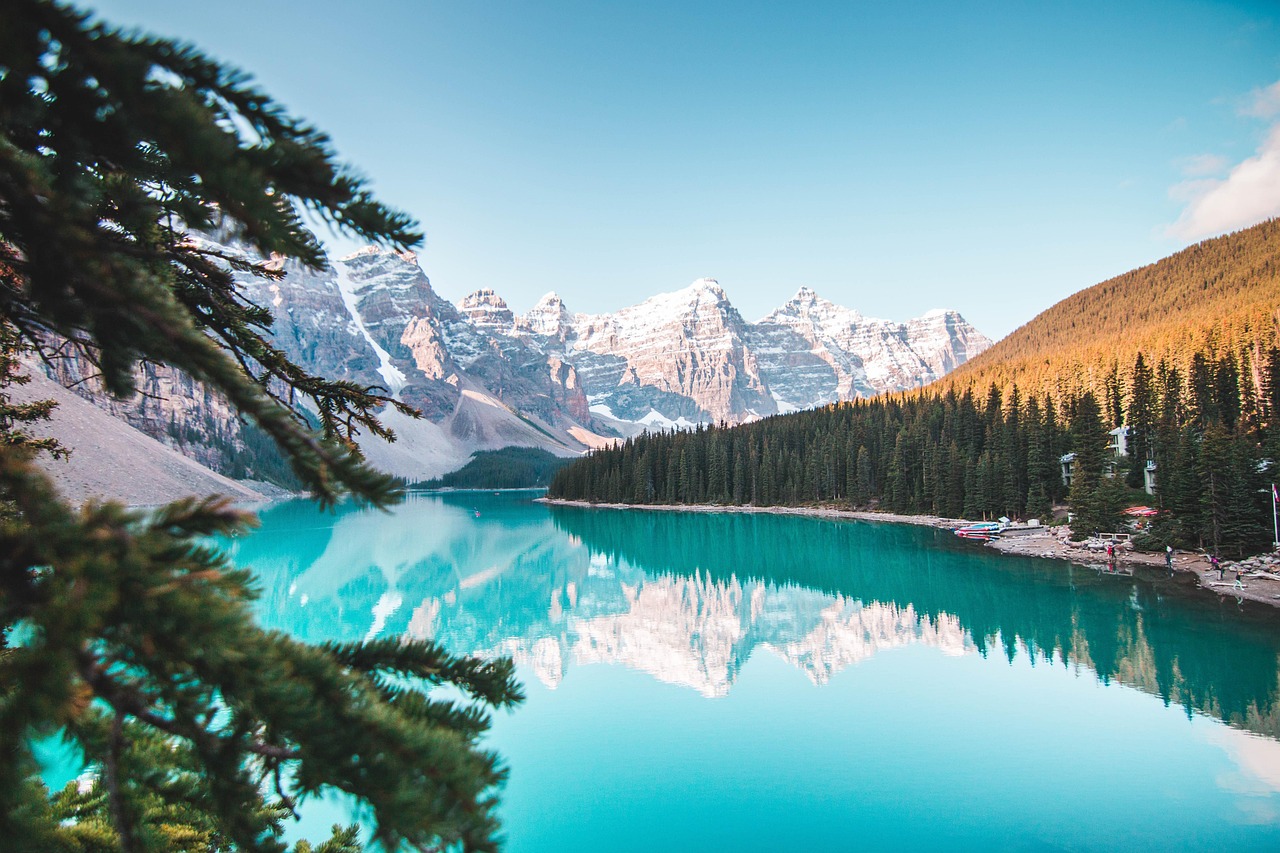
In the Rockies, the "main event" is the golden larch season. Unlike other conifers, the subalpine larch loses its needles, but not before turning a brilliant, shimmering gold that reflects in the turquoise waters of Lake Louise and Moraine Lake.
- Highlight: The drive along the Icefields Parkway is arguably the most beautiful road trip in the world, especially when the aspen groves at lower elevations turn a bright, flickering lemon.
- Must-Do: Hike to Larch Valley from Moraine Lake; the contrast between the golden trees and the towering, snow-dusted Ten Peaks is a memory that will linger long after you’ve returned home.
3. Elk Island National Park, Alberta
Just east of Edmonton lies a hidden sanctuary where the aspen parkland turns a deep, saturated orange. This is a place for slow travel, where you can watch bison roam through a landscape that feels unchanged for centuries.
- Peak Timing: Late September.
- Ambiance: The park is a Dark Sky Preserve. Stay until dusk to see the orange leaves silhouetted against a sky that quickly fills with a billion stars—or perhaps the Aurora Borealis.
The Prairies: Hidden Gems of the Heartland
Often overlooked, the Canadian Prairies offer a "kaleidoscopic tundra" effect that is deeply soulful and unexpectedly vibrant.
4. Saskatoon, Saskatchewan
The "City of Bridges" is transformed in the fall. Along the South Saskatchewan River, the Meewasin Valley trails become a corridor of gold.
- Experience: Visit Wanuskewin Heritage Park. Engaging in an Indigenous-led cultural tour amidst the shifting colors of the Manitoban maples provides a profound connection to the land and its history.
5. Riding Mountain National Park, Manitoba
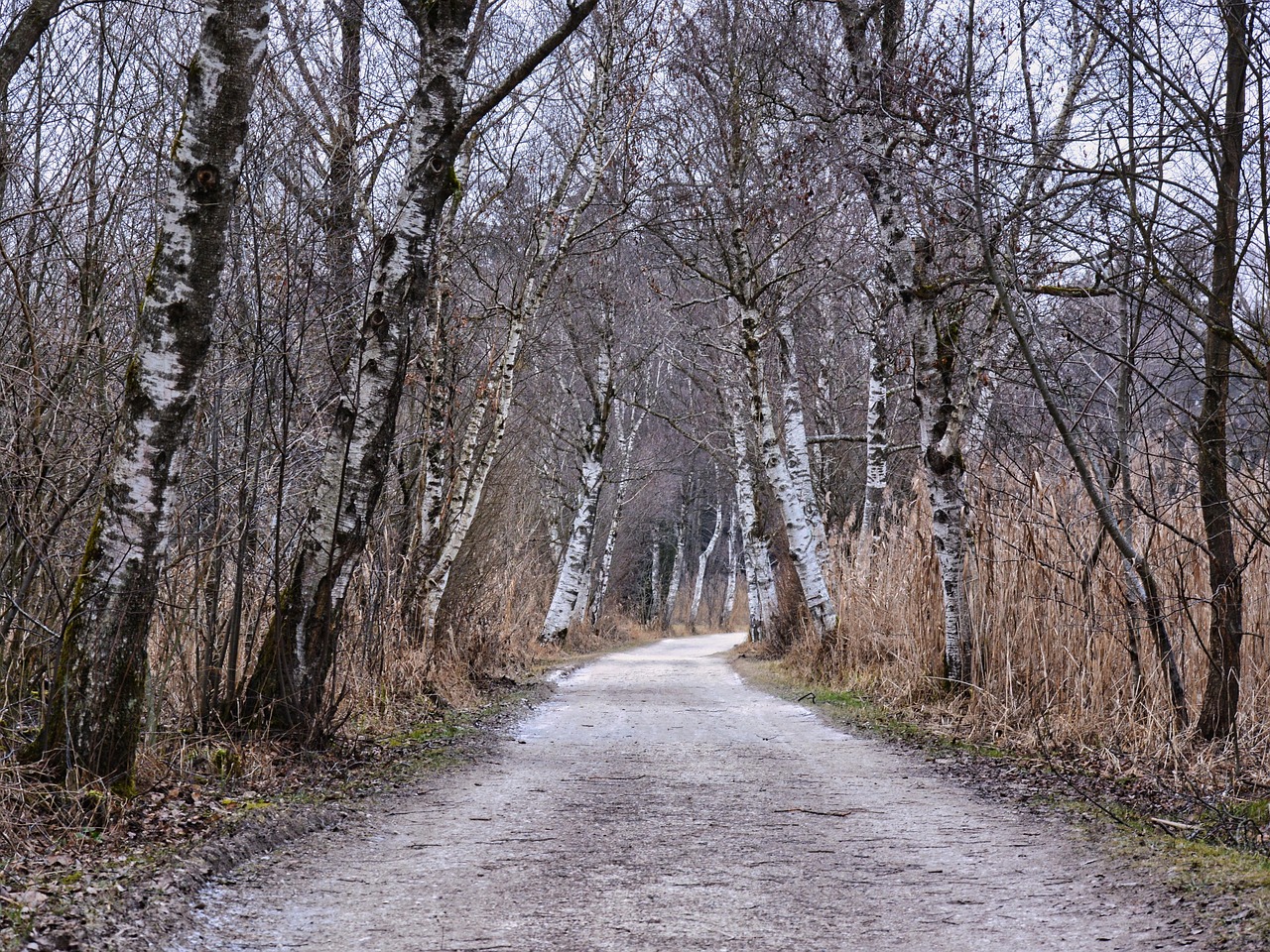
Perched on the Manitoba Escarpment, this park is an island of boreal forest in a sea of prairie. The Ominik Marsh Trail, with its floating boardwalk, is surrounded by birches that turn a ghostly, beautiful silver-gold.
- Where to Stay: For a touch of refined rusticism, book a luxury oTENTik cabin, blending the comfort of a boutique hotel with the immersion of the wilderness.
Central Canada: The Maple Heartlands
This is the theater of the "Great Canadian Autumn." Ontario and Québec are where the sugar maples dominate, painting the hills in shades of scarlet, crimson, and burnt orange that defy belief.
6. Agawa Canyon, Ontario
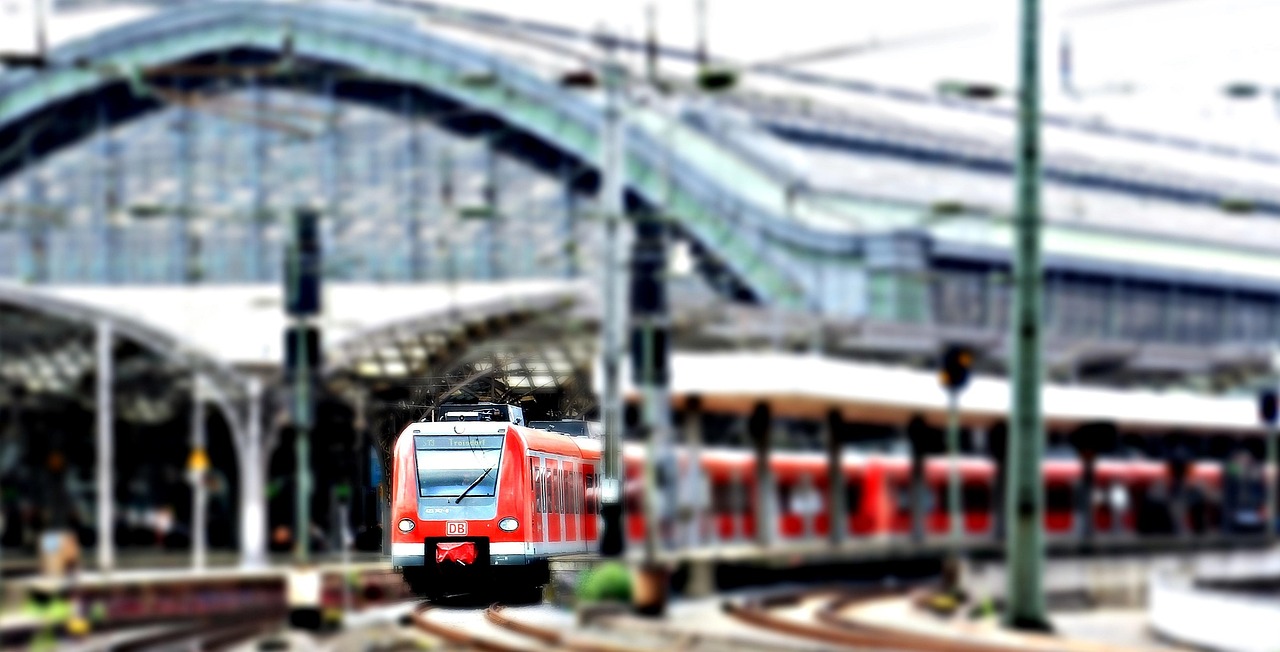
Deep in the heart of the Algoma District, the Agawa Canyon is a masterpiece of rugged Canadian Shield beauty. The most elegant way to witness it is via the Agawa Canyon Tour Train.
- The Experience: Large picture windows and GPS-triggered narration guide you through 114 miles of pristine wilderness. The descent into the canyon itself, as the train winds through walls of granite draped in fiery foliage, is a sensory crescendo.
- Peak Timing: Usually the last week of September to the first week of October.
7. Rideau Canal, Ontario
A UNESCO World Heritage site, the Rideau Canal represents the oldest continuously operated canal system in North America, stretching over 125 miles. It is a waterway of immense historic and aesthetic value.
- Unique View: Rent a luxury houseboat (Le Boat) in Smith Falls. Navigating the canal at a leisurely 5 knots allows you to witness the reflection of the foliage in the still water—a double vision of autumn beauty.
- Stopover: Merrickville, often called the "Jewel of the Rideau," for its boutique shops and artisan glassblowers.
8. Mont Tremblant, Québec
The Laurentian Mountains are synonymous with fall colors. Mont Tremblant, with its European-style pedestrian village, offers a blend of outdoor adventure and refined relaxation.
- The Vibe: Ride the panoramic gondola to the summit for a bird's-eye view of the multi-colored canopy.
- Dining: Indulge in local terroir-driven cuisine; autumn is the season for foraged mushrooms and late-harvest berries.
9. Beauce Region, Québec
If you want to go to the source of the color, go to the Beauce. This region is responsible for 20% of the world’s total maple syrup production. This density of sugar maples creates a concentration of red foliage that is almost dizzying. It is the heart of French-Canadian rural charm.
Atlantic Canada: Coastal Crimson and Red Bogs
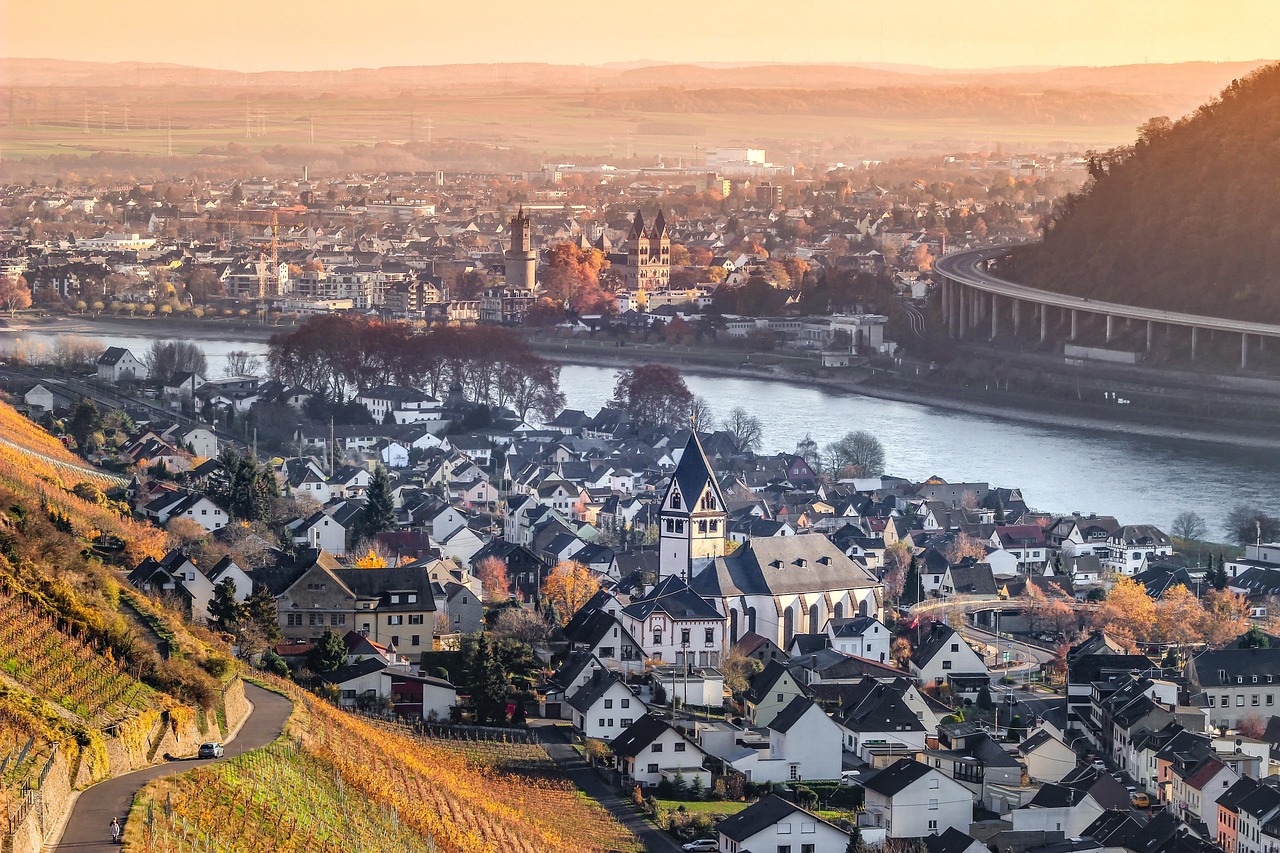
As the season matures, the colors move toward the Atlantic. Here, the salt air meets the woods, and the result is a landscape of deep crimsons and warm golds set against the blue of the sea.
10. Miscou Island, New Brunswick
For something truly avant-garde in the world of leaf-peeping, head to Miscou Island. Here, it is not the trees but the ground that catches fire. The island's vast peat bogs turn a flaming, incandescent red in October.
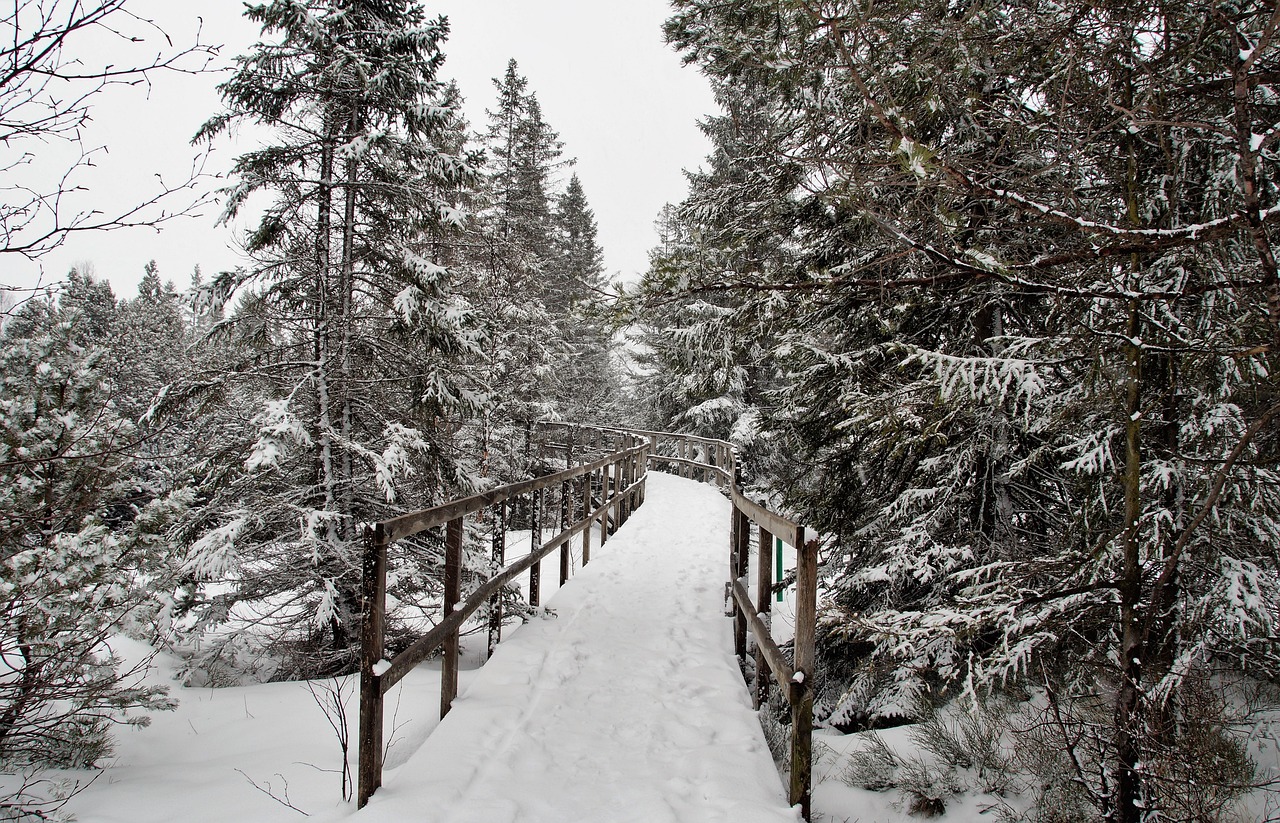
- Unique View: The "horizontal forest" effect. Standing on the boardwalks over the scarlet bogs while the historic lighthouse stands sentinel in the distance is one of the most unique visual experiences in Canada.
11. Wolfville & Annapolis Valley, Nova Scotia
Autumn in the Annapolis Valley is a celebration of the harvest. As the vineyards turn yellow and bronze, the surrounding hills provide a frame of deep red maples.
- Activity: Vineyard hopping. Sample "Tidal Bay," the region's signature crisp white wine, while looking out over the Minas Basin, home to the world’s highest tides.
- Peak Timing: Mid-October.
12. Prince Edward Island National Park, PEI
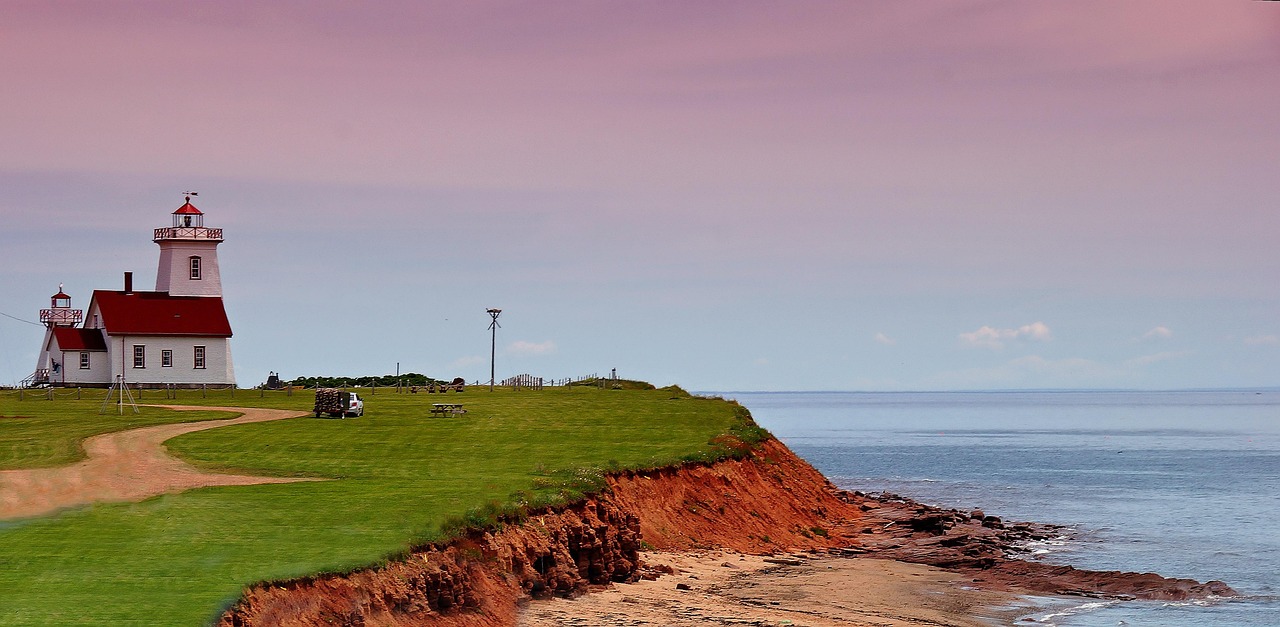
PEI is the last to join the autumn symphony, usually peaking in the second week of October. The island offers a stunning contrast: the red sandstone cliffs, the emerald-green pastures, and the brilliant yellow and gold of the late-season foliage.
- Must-Do: Cycle a portion of the Confederation Trail. The canopy of trees creates a "tunnel of gold" that feels like something out of a storybook.
Summary Table: Peak Foliage Calendar by Province
To help you curate your journey, here is a guide to when each region typically reveals its full glory.
| Region | Peak Window | Dominant Colors |
|---|---|---|
| Yukon & Northwest Territories | Mid-August to Early September | Yellow, Orange, Red Tundra |
| Alberta (Rockies) | Mid-September to Early October | Larch Gold, Aspen Yellow |
| Ontario & Québec | Late September to Mid-October | Fiery Red, Orange, Gold |
| New Brunswick & Nova Scotia | Early to Mid-October | Crimson, Burnt Orange |
| Prince Edward Island | Second Week of October | Bright Yellow, Soft Orange |
FAQ
When is the absolute best time to see fall foliage in Canada? While it varies by latitude, the period between September 20th and October 10th offers the highest probability of seeing peak colors across the most popular regions like Ontario and Québec.
Where is the best place to see the red "maple" leaves specifically? For the iconic Canadian red, focus on Québec’s Laurentians (Mont Tremblant) and Ontario’s Muskoka or Algonquin Park regions. The sugar maple is most prevalent in these provinces.
Is it worth visiting the Canadian Rockies in the fall? Absolutely. While you won't see as many deep reds, the "Golden Larch" season is a bucket-list event for many photographers. The contrast of gold against the turquoise glacial lakes is a different, yet equally stunning, aesthetic.
A Final Invitation
Autumn in Canada is not merely a change in weather; it is a change in soul. It is a season that demands we slow down and appreciate the ephemeral. Whether you find yourself on the deck of a houseboat on the Rideau or wandering through the scarlet bogs of Miscou, the experience is one of profound beauty and quiet luxury.
Ready to find your own corner of autumn?