As we approach 2026, the global design narrative is shifting away from the fleeting aesthetics of "Instagram perfection" toward a more profound, emotional resonance. We are entering the era of the Soulful Sanctuary, where the living room is no longer a showroom, but a curated environment designed for intentionality and quiet luxury.
Introduction: The New Era of Intentional Living
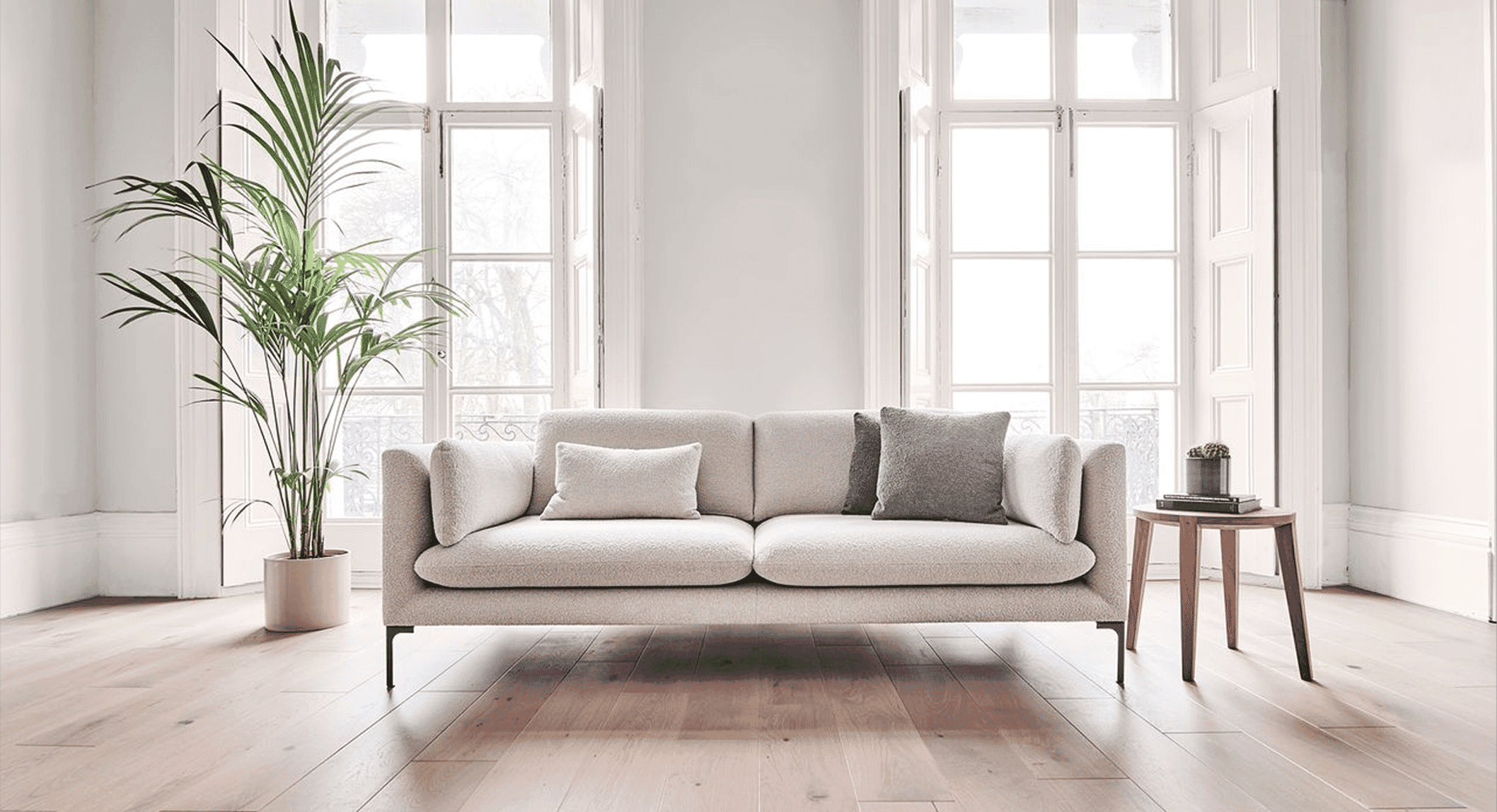
The modern living room for 2026 is defined by a deliberate restraint. We are seeing a departure from high-contrast, loud interiors in favor of Warm Minimalism. This approach focuses on the interplay of natural light and shadow, utilizing a palette of bone, sand, and smoked oak to create a space that feels both expansive and grounded. It is about "Quiet Luxury" in its purest form—investing in pieces that possess an understated heritage and a timeless silhouette, ensuring your home remains a sanctuary against the digital noise of the outside world.
1. Sculptural Silhouettes and Low-Profile Seating
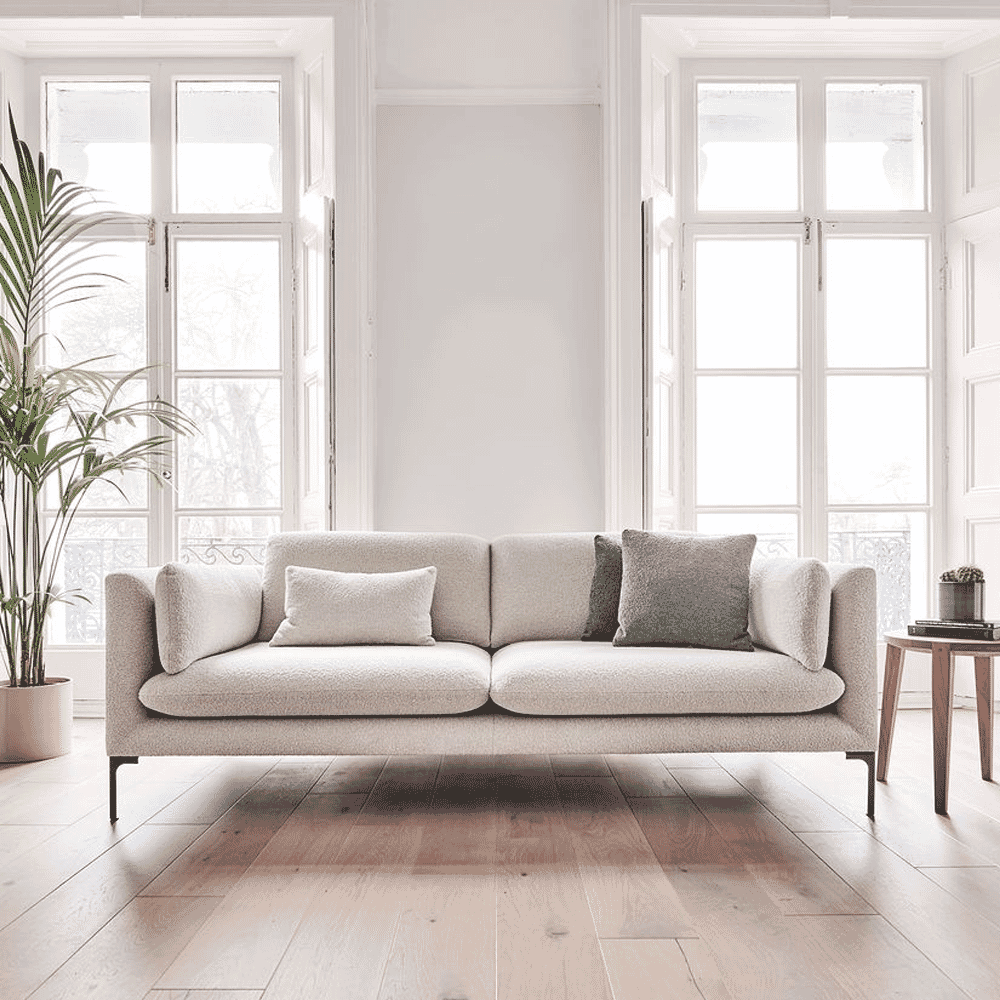
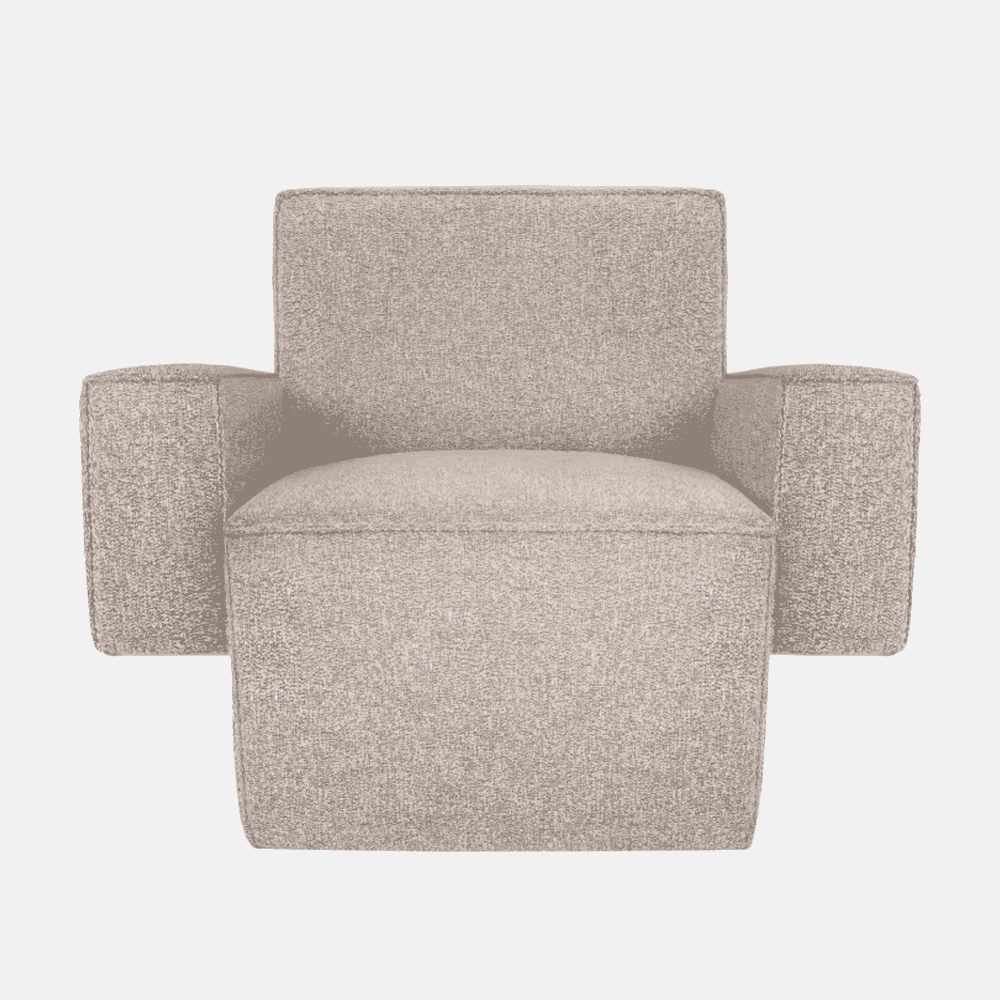
The foundational element of the 2026 living room is the low-profile silhouette. We are witnessing a 65% rise in 'croissant-shaped' and lozenge-inspired furniture, a trend that prioritizes architectural purity over traditional formality. These "hugging" forms are designed with human-centricity at their core; they sit lower to the ground, fostering a sense of informal intimacy and groundedness.
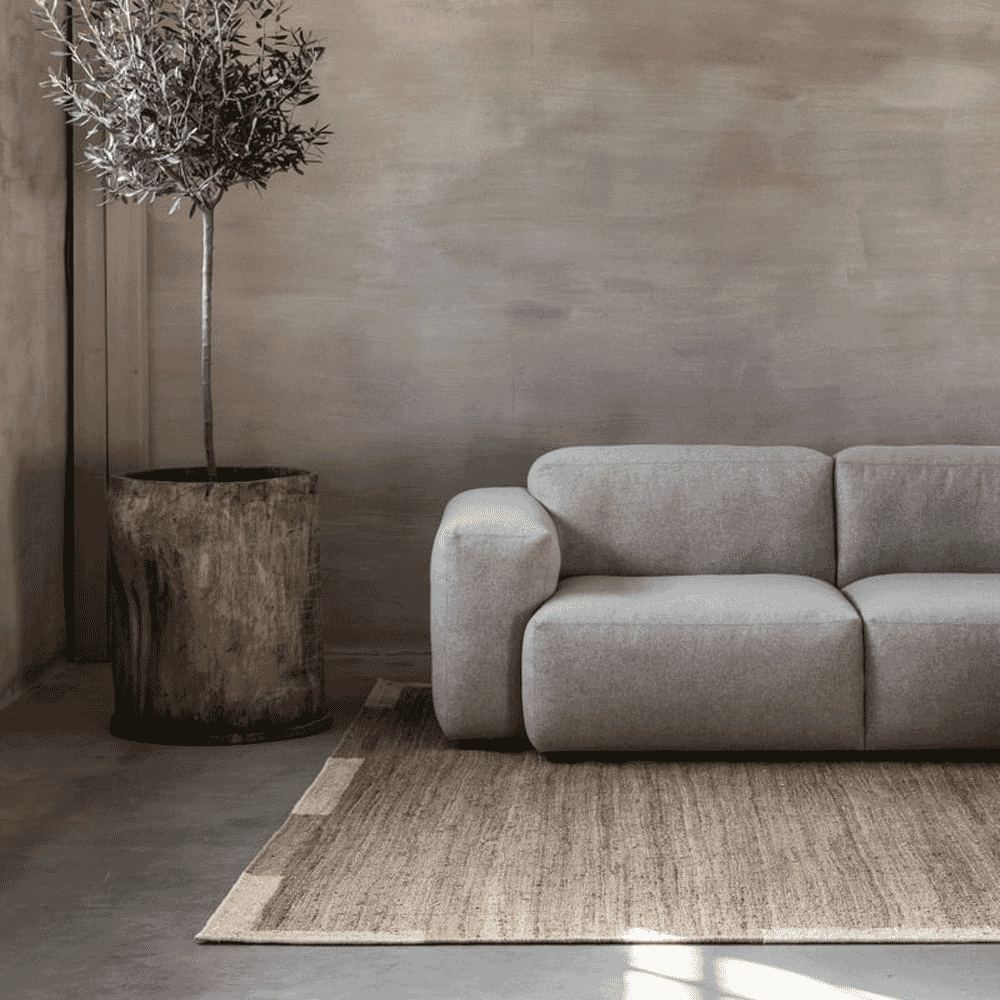
When selecting investment pieces, look for sofas and armchairs that double as functional sculptures. A light beige textured sofa with softened edges acts as a soft anchor, while a geometric, blocky armchair provides a sophisticated visual counterpoint. These pieces don't just occupy space; they define it through their volume and craftsmanship, offering a tactile embrace that invites you to linger.
2. Sensory Comfort: The Bouclé and Linen Evolution
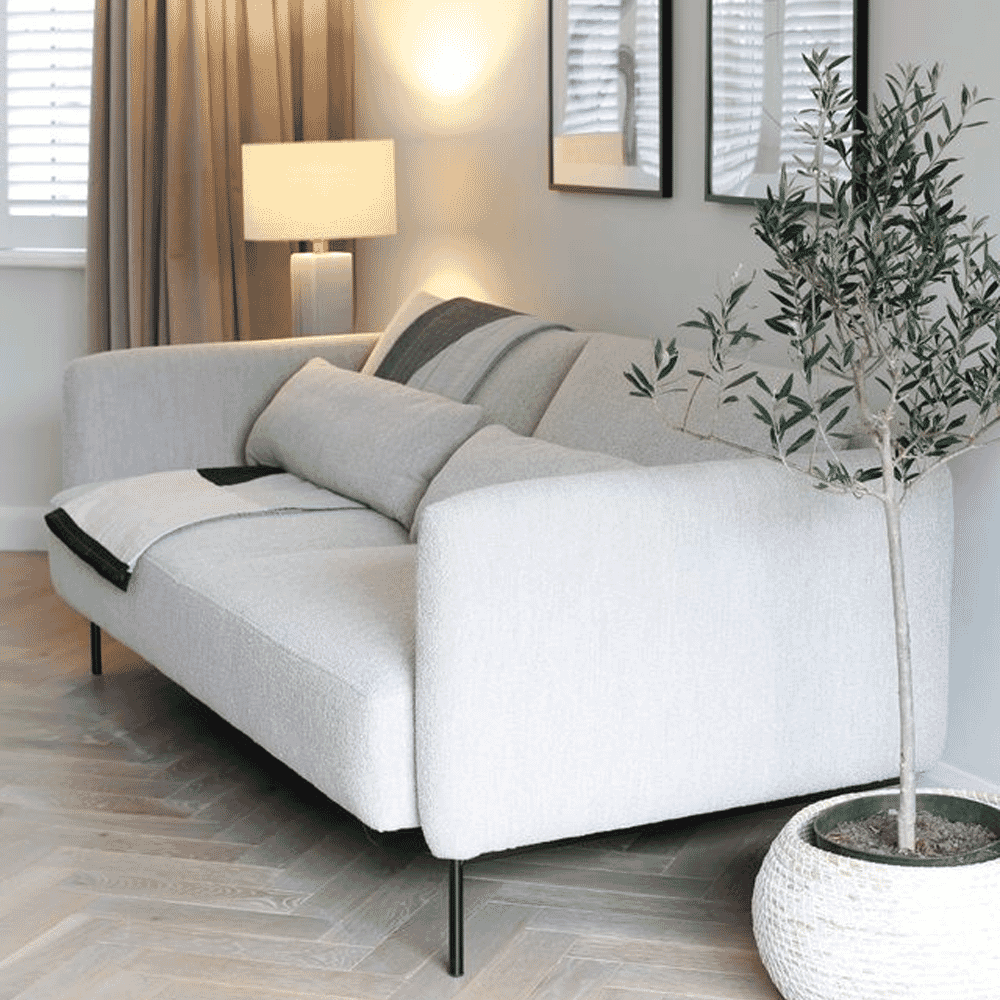
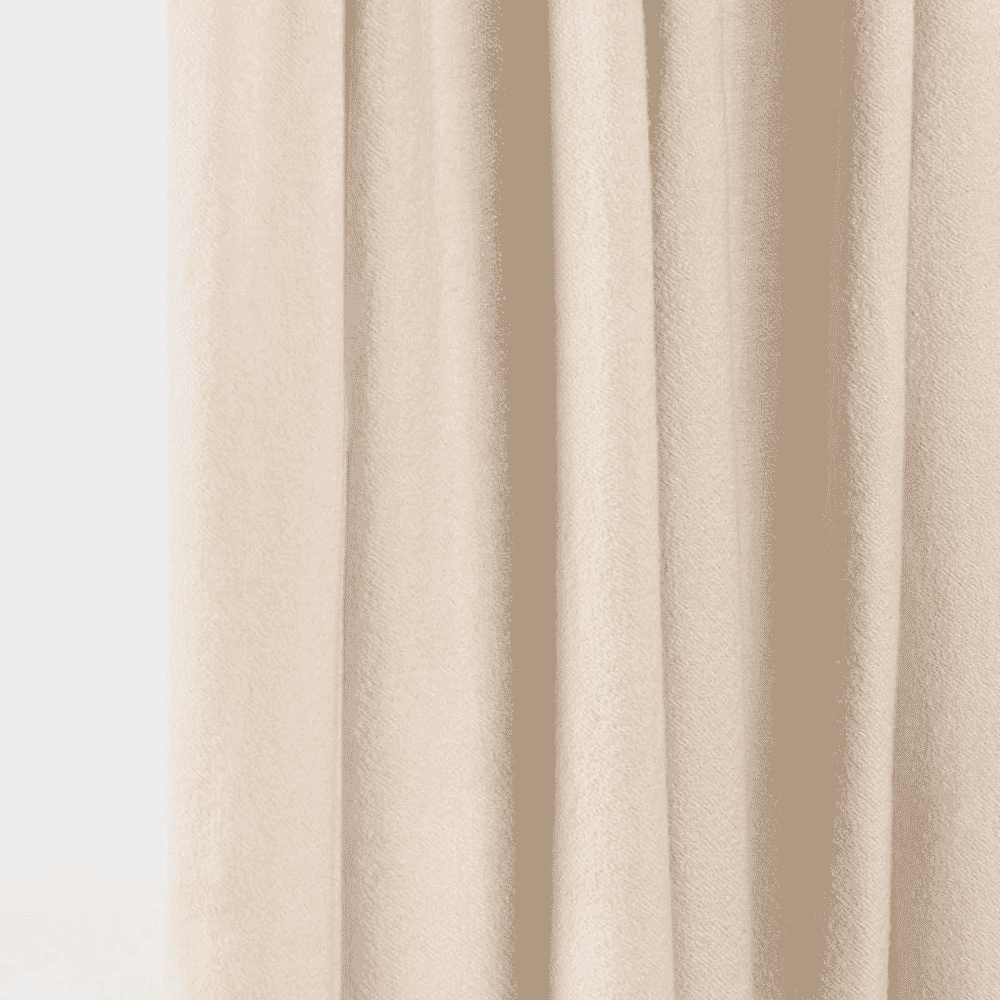
In 2026, luxury is felt before it is seen. Recent data suggests that 82% of homeowners now prioritize tactile comfort above all other design factors. The ubiquitous bouclé of previous years has evolved into a more refined, durable weave, often paired with the effortless drape of washed linen and the organic warmth of soft wool.
This sensory layer is vital for creating depth in a monochromatic palette. By layering cream-colored linens against herringbone wood floors, you introduce a sophisticated "texture-on-texture" effect. These materials are chosen for their material honesty—they age beautifully, gaining character over time. As a curator of your space, focus on the hand-feel of your textiles; the weight of a drape and the grain of a weave are the "hidden" luxuries that elevate a room from standard to bespoke.
3. The Collector’s Living Room: Balanced Maximalism
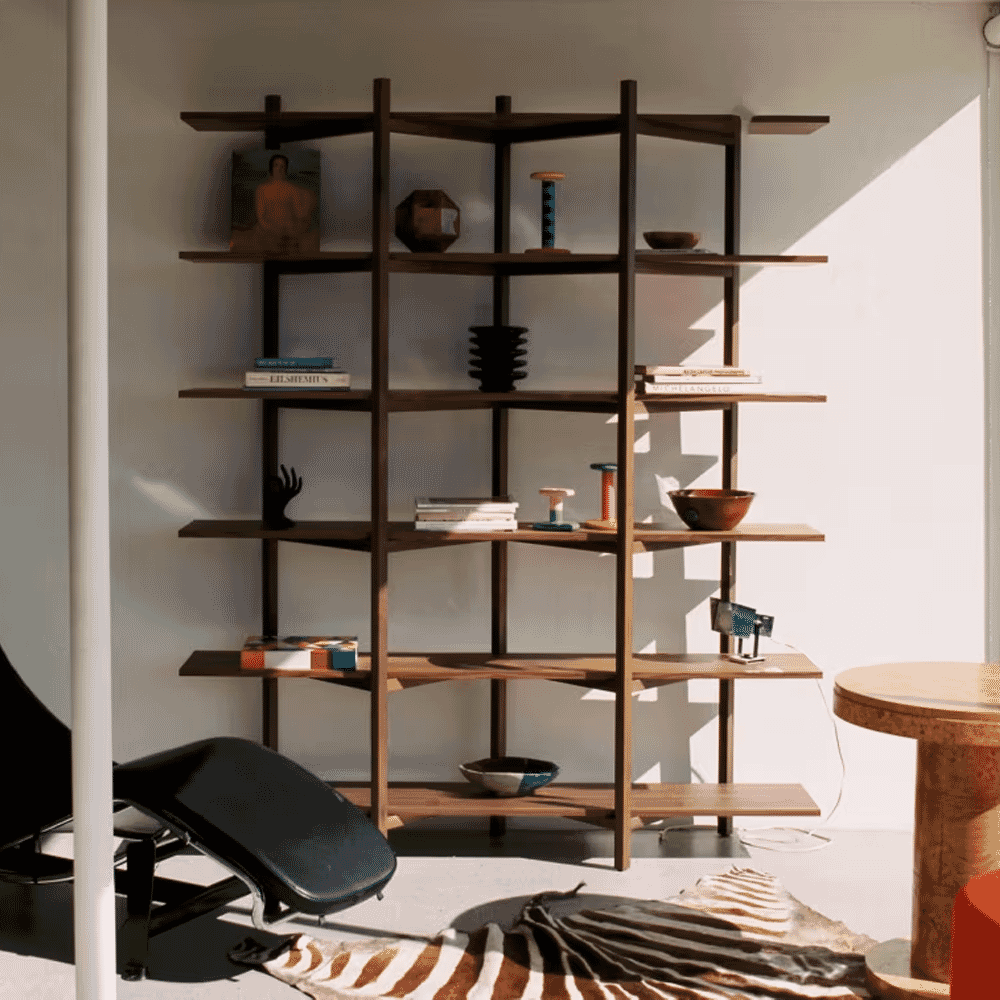
We are moving toward Balanced Maximalism, a design philosophy where personal history is showcased with disciplined elegance. Rather than clutter, we use modern wooden shelving as an "object case" to house curated treasures, artisanal ceramics, and heirloom books.
The goal is to merge your personal narrative with clean, modern furniture. Consider a statement zebra-print rug to ground a library nook; it adds a daring, graphic element that remains sophisticated when surrounded by natural wood and muted tones. This trend encourages you to be an editor of your own life, displaying only those pieces that hold emotional resonance, thereby creating a space that is uniquely yours and impossible to replicate.
4. Tonal Immersion: The 'Color Capping' Technique
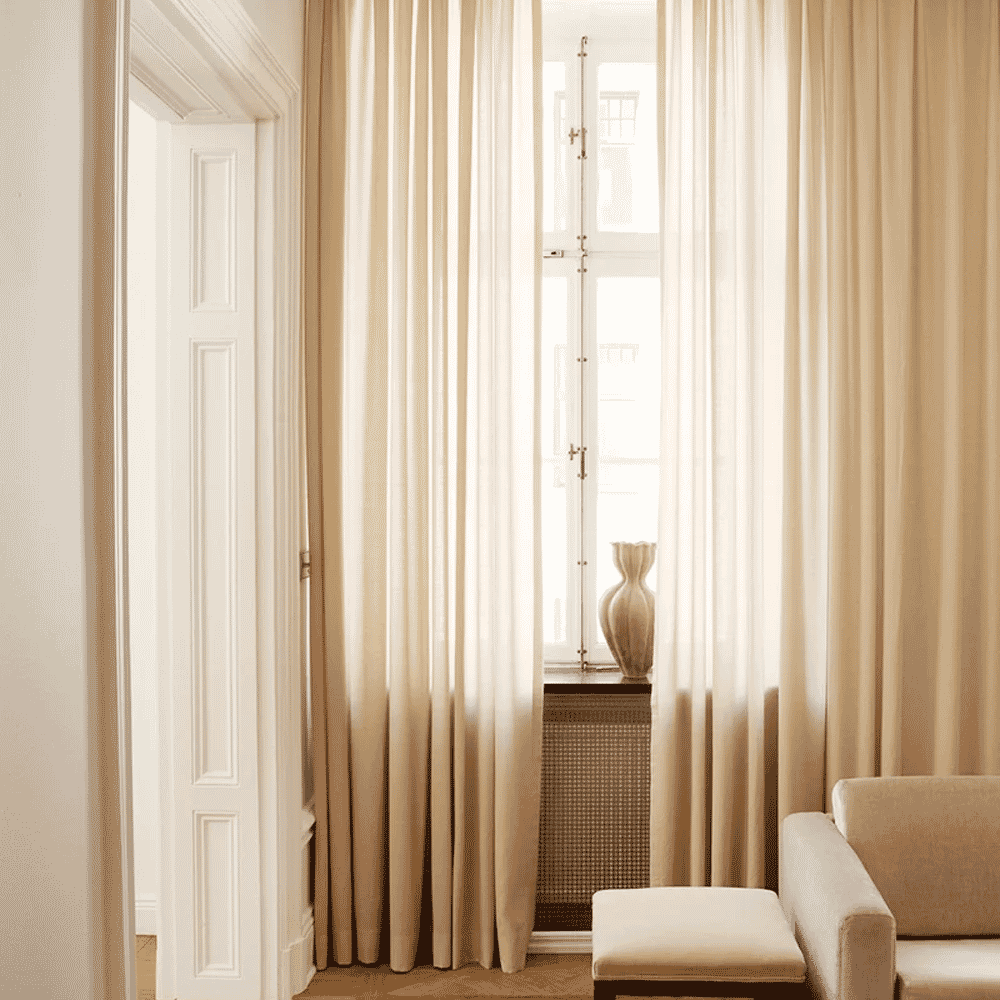
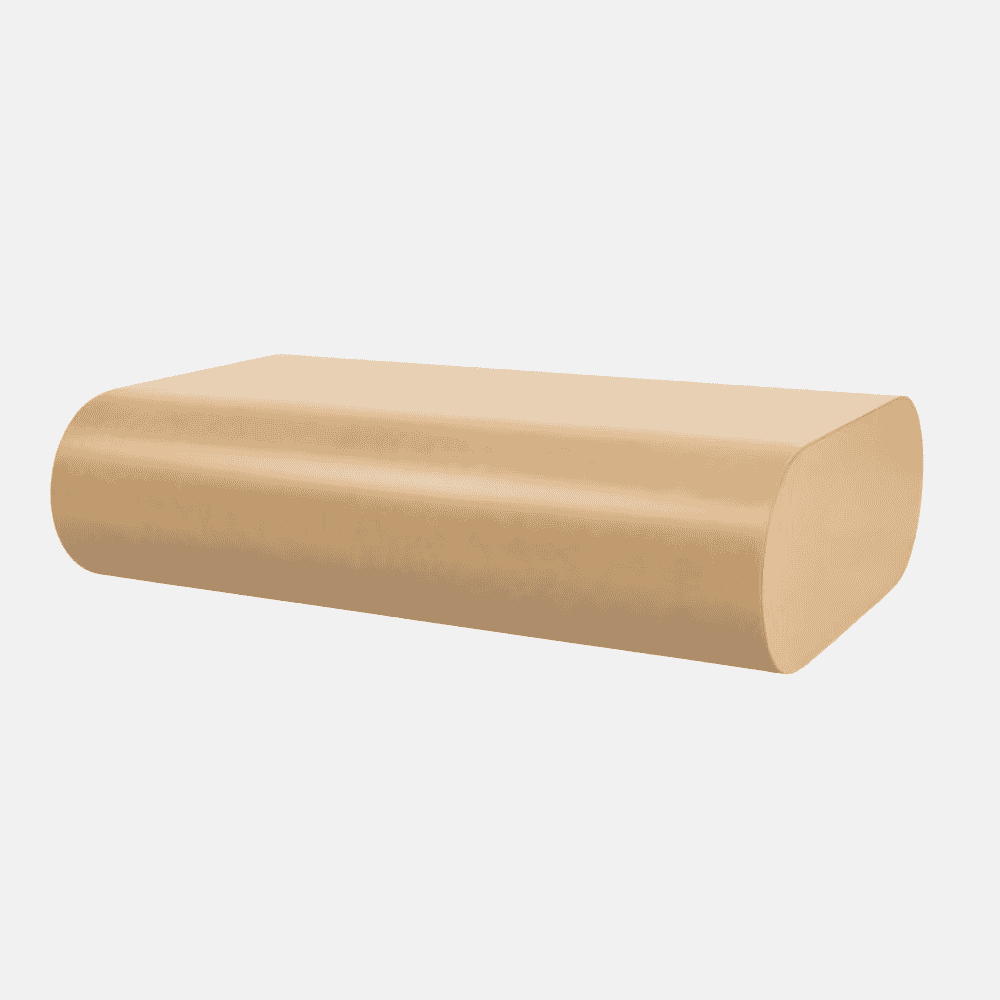
One of the most avant-garde techniques for 2026 is Color Capping. This involves extending tonal gradients across every surface—from the walls and drapes to the ceiling and the primary upholstery. The result is an immersive "cocoon effect" that blurs the boundaries of the room, making it feel infinitely more tranquil and expansive.
To master this look, ensure your soft furnishings and even minor decorative objects—like a beige cylindrical pedestal or cream-toned sculptures—echo the primary hues of the walls. This creates a seamless visual flow. When you enter a room that has been "color capped," the eye isn't drawn to one specific item but rather takes in the entire atmosphere as a singular, harmonious experience. It is the ultimate expression of tonal immersion.
5. Artisanal Surfaces and Grounded Materials
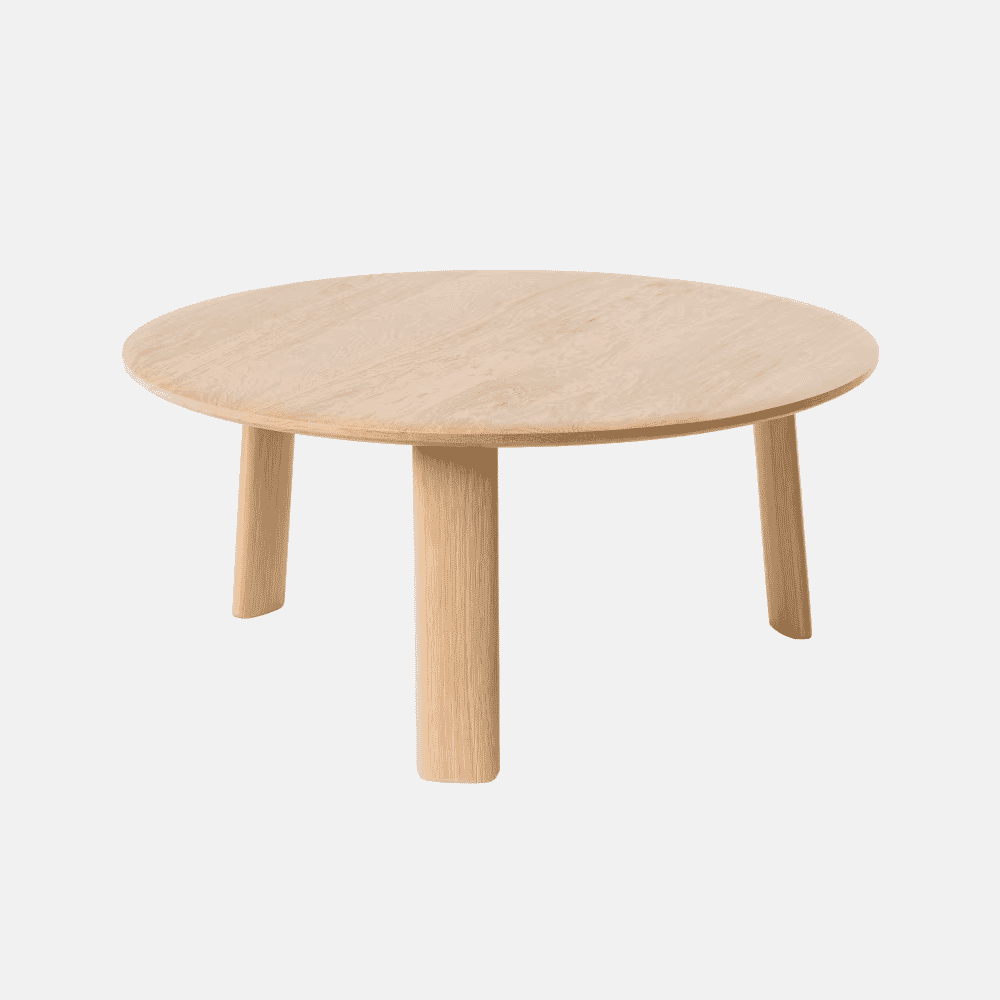
The final touch for the 2026 interior is a return to material honesty. We are seeing a resurgence of lighter wood finishes, such as ash and smoked oak, which offer a sense of airy permanence. A round wooden coffee table with stout, cylindrical legs serves as a testament to craftsmanship and grounded design.
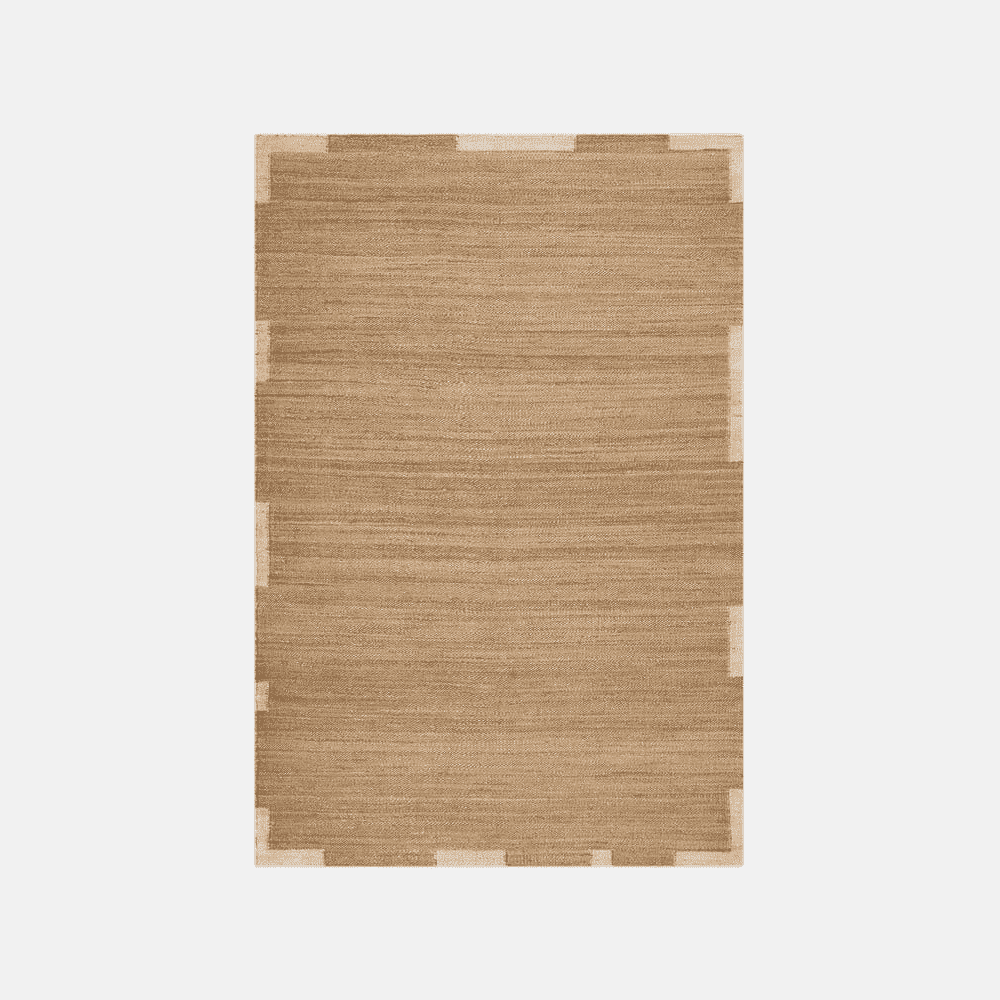
To further connect the interior to the natural world, incorporate grounded materials like jute, woven wool, and honed marble. These textures provide a physical connection to the earth. Furthermore, the 2026 living room is incomplete without a touch of greenery—not as an afterthought, but as a structural element. A potted olive tree in a rustic, hand-thrown planter bridges the gap between the refined interior and the wild exterior, providing a breath of life that is essential for a modern, sustainable home.
Conclusion: Designing for the Future
The shift for 2026 is a move from interchangeable rooms toward spaces filled with "easter eggs" of personal history and artisanal integrity. By focusing on sculptural silhouettes, tonal immersion, and sensory comfort, you are not just following a trend; you are designing a calmer, more grounded, and highly personal way of living. The future of the living room is a celebration of the quiet, the curated, and the timeless.