Quick Facts
- Extent of Damage: As of January 13, 2025, the Los Angeles wildfires have scorched over 40,000 acres and destroyed more than 12,000 structures.
- Cultural Losses: The Los Angeles Conservancy reports that at least 32 culturally or architecturally significant properties have been lost.
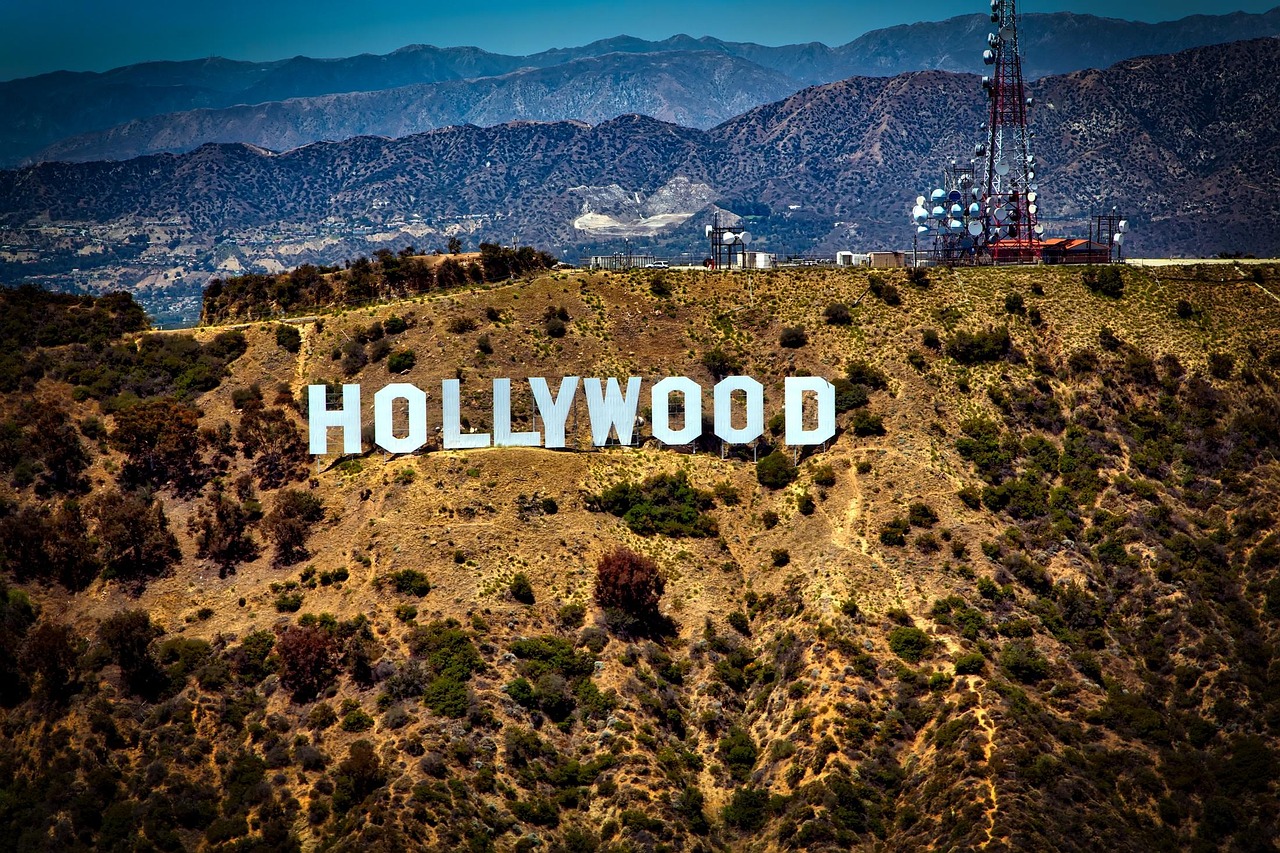
- Major Landmarks Saved: The Hollywood Sign, Griffith Observatory, and the Getty Center/Villa remain intact, though some face temporary closures.
- Irreplaceable Losses: Iconic sites including the Will Rogers ranch house (1920s), the 1929 Topanga Ranch Motel, and Malibu’s legendary Reel Inn have been destroyed.
- Economic Outlook: With an estimated $250 billion in economic impact, the city has launched the "LA Rebuild 2026" initiative to prepare for upcoming global events.
As a travel critic who has spent decades evaluating the cultural fabric of global cities, I find the events of early 2025 to be a profound inflection point for Los Angeles. The Eaton and Palisades fires have not merely altered the topography of the Santa Monica Mountains; they have physically removed chapters of California’s architectural and culinary history. However, for the traveler and the local alike, understanding the current status of the city’s landmarks is essential for both safety and the eventual support of the region's recovery.
Below is a data-driven assessment of the current state of Los Angeles’s most iconic sites.
Current Status Report: Los Angeles Landmarks
| Landmark Name | Status | Location | Notes |
|---|---|---|---|
| Hollywood Sign | Safe | Griffith Park | No fire damage; area remains under watch. |
| Griffith Observatory | Safe | Griffith Park | Intact; temporary closures for air quality. |
| Will Rogers Ranch House | Destroyed | Pacific Palisades | Total loss of the historic 1920s structure. |
| The Getty Villa | Stable | Malibu/Palisades | Museum closed; galleries sealed against smoke. |
| Reel Inn Malibu | Destroyed | Malibu | Iconic seafood landmark lost to Palisades fire. |
| Universal Studios | Operational | Universal City | Resumed full operations on Jan 10. |
| Topanga Ranch Motel | Destroyed | Topanga State Park | Historic 1929 Hearst-built bungalows lost. |
| Mount Wilson Observatory | Safe | San Gabriel Mts | Successfully defended; telescopes unharmed. |
The Symbols That Stand: Survived and Secure
From a tourism perspective, the survival of Los Angeles’s "Big Three"—the Hollywood Sign, Griffith Observatory, and Universal Studios—is a critical victory for the city’s brand. Despite the Eaton Fire’s proximity to the Hollywood Hills, the Hollywood Sign remains undamaged. This is largely due to aggressive brush clearance and the strategic positioning of fire crews who prioritized these high-value cultural assets.
The Griffith Observatory, while physically untouched, has served as a silent witness to the devastation. Though it faced temporary closures in mid-January to allow emergency vehicles clear access to the hills, the structure remains a beacon of the city’s skyline. Critics often discuss the "resilience" of Los Angeles in metaphorical terms, but seeing the white domes of the Observatory standing against a charred backdrop is a literal testament to the efficacy of California’s fire-mitigation infrastructure.
Further west, the Getty Center and the Getty Villa have demonstrated why they are considered some of the most fire-safe museums in the world. The Getty Villa, situated near the heart of the Palisades fire, remains stable. While some surrounding vegetation was scorched, the museum's sophisticated air filtration systems and thick travertine walls are designed to seal off galleries from smoke and heat. Travelers should note that while the art remains safe, the Villa is temporarily closed to the public as local recovery efforts continue.
Universal Studios Hollywood and CityWalk also reported a swift return to normalcy, resuming operations on January 10. For the travel industry, this reopening signaled that the core of LA’s "entertainment tourism" remains open for business, even as the periphery continues to mourn.
Mourning Local Legends: Landmarks and Sites Lost
The objective data regarding cultural loss is staggering. The Los Angeles Conservancy has confirmed that at least 32 properties of significant historical value have been leveled. The most heartbreaking of these is the Will Rogers ranch house. Built in the 1920s, this wasn't just a building; it was a physical manifestation of the transition from the Old West to the Hollywood era. While staff successfully evacuated the horses and a significant portion of the internal artifacts, the architectural shell—the heart of the State Historic Park—is gone.
Similarly, the loss of the Topanga Ranch Motel represents the erasure of a specific type of California vernacular architecture. Built by William Randolph Hearst in 1929, these bungalows were a cornerstone of early coastal tourism. Their destruction marks the end of an era for Topanga State Park and the Pacific Coast Highway.
The culinary landscape has also suffered a devastating blow. In Malibu, the Reel Inn and Moonshadows—two institutions that defined the coastal dining experience for decades—fell victim to the Palisades fire. For those who track the cultural history of food, the Reel Inn wasn't just a place for fish tacos; it was a democratic landmark where celebrities and surfers sat side-by-side. The loss of Altadena’s Fox’s Restaurant further emphasizes that the Eaton Fire’s reach was equally unforgiving to local community hubs.
The Eaton Fire also impacted historic estates in the foothills, including the Andrew McNally House and the Zane Grey Estate. These structures were pivotal to the early development of the San Gabriel Valley, and their loss significantly thins the region’s architectural pedigree.
Under Watch: Threatened Sites and Temporary Closures
Several sites remain in a state of precarious safety. The Eames House (Case Study House No. 8), a pinnacle of mid-century modern architecture, has remained harm-free as of mid-January. However, its location on the bluffs of Pacific Palisades keeps it within the "active watch" zone. Preservationists are closely monitoring air quality and local flare-ups to ensure this modernist treasure survives.
The LA Zoo & Botanical Gardens has implemented a series of safety-first closures. While the fire itself did not breach the zoo’s perimeter, the heavy smoke concentrations required the activation of emergency protocols for animal welfare. Specialist teams have been working 24/7 to manage the respiratory health of sensitive species, particularly the birds and primates.
Educational and cultural hubs like the UCLA Museums (The Hammer and the Fowler) have also faced disruptions. While the buildings are secure, several exhibitions have been postponed as the university focuses on regional recovery efforts and logistical support for displaced residents.
The Path to Recovery: Rebuilding for the Global Stage
Los Angeles is a city that understands the narrative of the "phoenix." Even as the smoke clears, the focus is shifting toward the LA Rebuild 2026 Initiative. Governor Gavin Newsom has issued executive orders (N-2-25 and N-4-25) specifically designed to bypass traditional bureaucratic hurdles, expediting debris removal and reconstruction permitting for affected historical sites.
"The architectural soul of Los Angeles has been bruised, but not broken. Our priority is to rebuild with a focus on fire-resilient materials while honoring the historic aesthetics that define our city." — Excerpt from State Recovery Planning Commission.
The economic impact is projected to hit $250 billion, a figure that includes the loss of tourism revenue and property value. However, the timing of this disaster has added a layer of urgency: the FIFA World Cup 26™ is just around the corner. The city’s recovery is now tied to a global deadline.
Despite the setbacks, major cultural openings—such as the Lucas Museum of Narrative Art and the massive LACMA expansion—are proceeding on schedule. These projects are now being framed as symbols of the city's future, even as we mourn the 1920s bungalows lost in the hills.

For the international traveler, the message is clear: Los Angeles is navigating a tragedy, but the city’s core identity is intact. Visiting the sites that remain open is one of the most effective ways to support the local economy and fund the restoration of those landmarks we have lost.
Support LA’s Cultural Recovery Fund →
FAQ: Your Questions on LA Fire Damage
Q: Is the Hollywood Sign and Griffith Observatory safe from the fires?
A: Yes. Both the Hollywood Sign and the Griffith Observatory are currently undamaged. The Observatory may face temporary closures based on air quality or regional safety protocols, but the structures themselves are secure.
Q: Which iconic Los Angeles landmarks were destroyed in the 2025 fires?
A: Several historic sites were lost, most notably the Will Rogers ranch house, the 1929 Topanga Ranch Motel, and legendary Malibu dining spots like the Reel Inn and Moonshadows.
Q: What is the current status of the Getty Villa?
A: The Getty Villa is physically stable and its art collections are safe in smoke-sealed galleries. However, it remains closed to the public as of mid-January as a precaution against local hot spots and to allow for air quality remediation.
Q: Are theme parks like Universal Studios open?
A: Yes, Universal Studios Hollywood resumed full operations on January 10, 2025.
A Final Note from James Wright
In the world of travel criticism, we often look for "authenticity." Right now, the most authentic thing about Los Angeles is its resilience. While the loss of the Will Rogers ranch house is a cultural tragedy that cannot be undone, the city’s response—the rapid deployment of resources and the focus on 2026—suggests that LA’s story is far from over. If you are planning a visit, I encourage you to check official park websites for daily updates, but do not cancel your plans. Los Angeles needs its visitors now more than ever.