In the evolving landscape of high-end interiors, 2026 marks a definitive departure from the clinical austerity of the past decade. As we seek refuge within our homes, the living room has transitioned into a "restorative sanctuary," where every piece of furniture must perform a dual role: serving as a functional tool and a soulful anchor. At the heart of this transformation is the coffee table—no longer a mere surface for coasters, but a sculptural centerpiece that dictates the room's entire rhythmic flow.
The data confirms a 55% surge in consumer interest toward organic silhouettes, signaling a broader cultural shift from "stark" to "warm" minimalism. As we look toward 2026, we see a sophisticated embrace of material integrity, where the tactile allure of stone and the heritage of burl wood take center stage.
1. Sculptural Organic Shapes & Pebble Silhouettes
The move toward biomorphic design reflects our innate desire to reconnect with nature. Rigid rectangles are being replaced by "soft" geometry—forms that seem polished by the tides rather than cut by a machine. These pebble-like silhouettes eliminate the harsh "visual barriers" of traditional furniture, allowing energy and movement to circulate freely through the lounge.
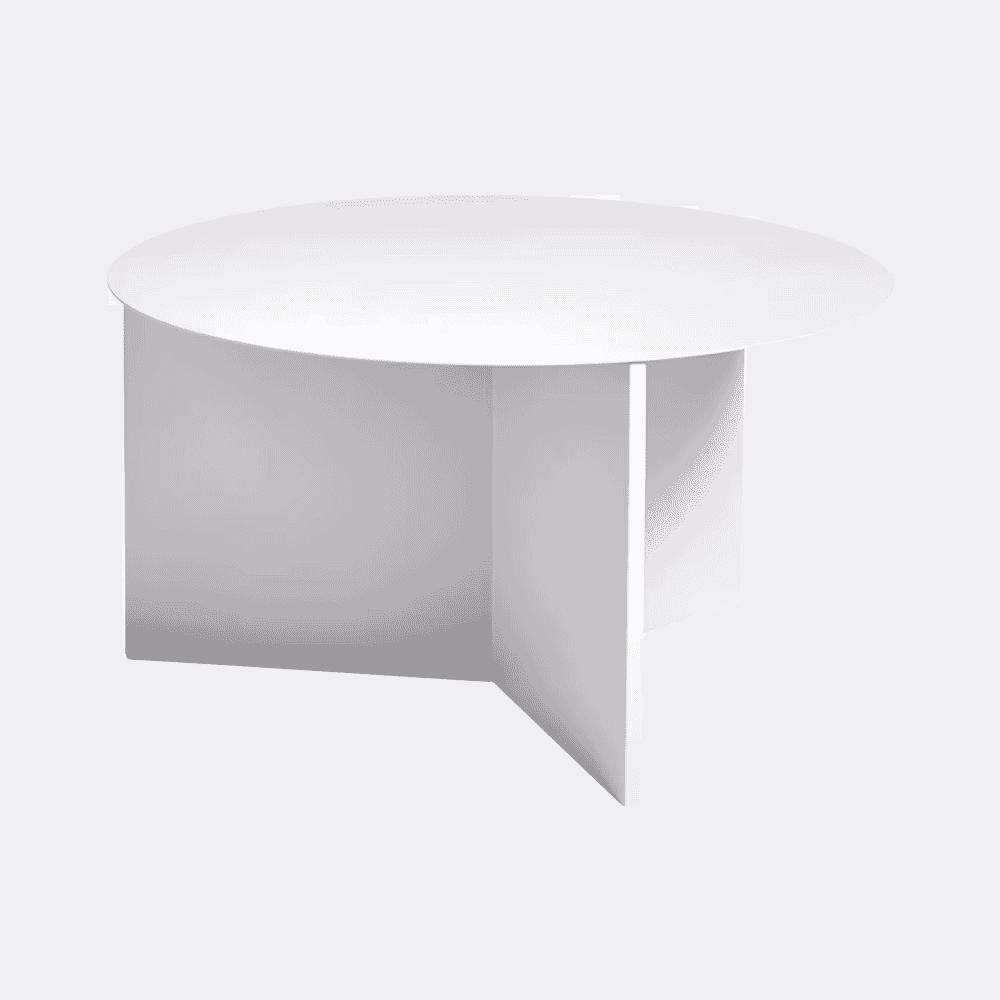
Design Commentary: Notice the interplay between the rounded, tiered surfaces and the surrounding architectural lines. This piece serves as a "soft landing" for the eyes, breaking up the linear monotony of modern apartments. By utilizing varying heights within a single organic cluster, the table provides depth and utility without the bulk of a singular, heavy mass.
Style Tip: Pair an asymmetrical, pebble-shaped table with a low-pile, monochromatic rug. The contrast between the table’s smooth curves and the rug's subtle texture creates a sophisticated "visual friction."
2. The Plinth Effect: Solid Stone Gravity
Drawing inspiration from contemporary art galleries, the "Plinth" trend brings a sense of permanence and architectural gravity to the home. These are statement pieces in the truest sense—monolithic cubes and rectangles that prioritize the raw, unadorned beauty of natural stone.
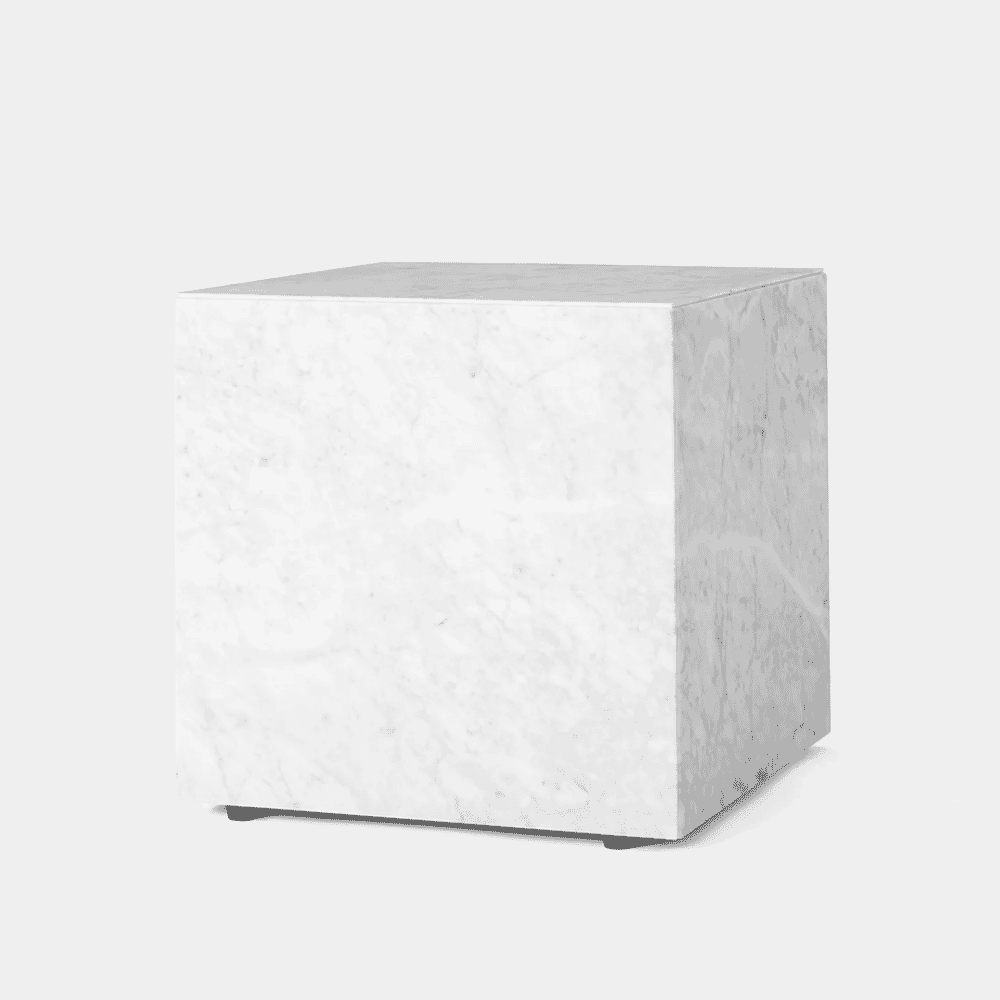
Design Commentary: Whether it’s Calacatta marble or Nero Marquina, the 2026 iteration of the plinth often utilizes a "hollow core" construction. This allows for the substantial visual weight of stone without the structural impossibility of a solid block. The high-contrast veining becomes the "art," requiring very little in the way of additional decor. It is a masterclass in investment-grade minimalism.
3. Ultra-Low 'Lounge Height' Silhouettes
Influenced by Japanese minimalism and the 1970s conversation pits, "Lounge Height" tables are trending significantly lower—often hovering just 8 to 12 inches off the ground. This shift emphasizes a more relaxed, grounded style of hosting and living.
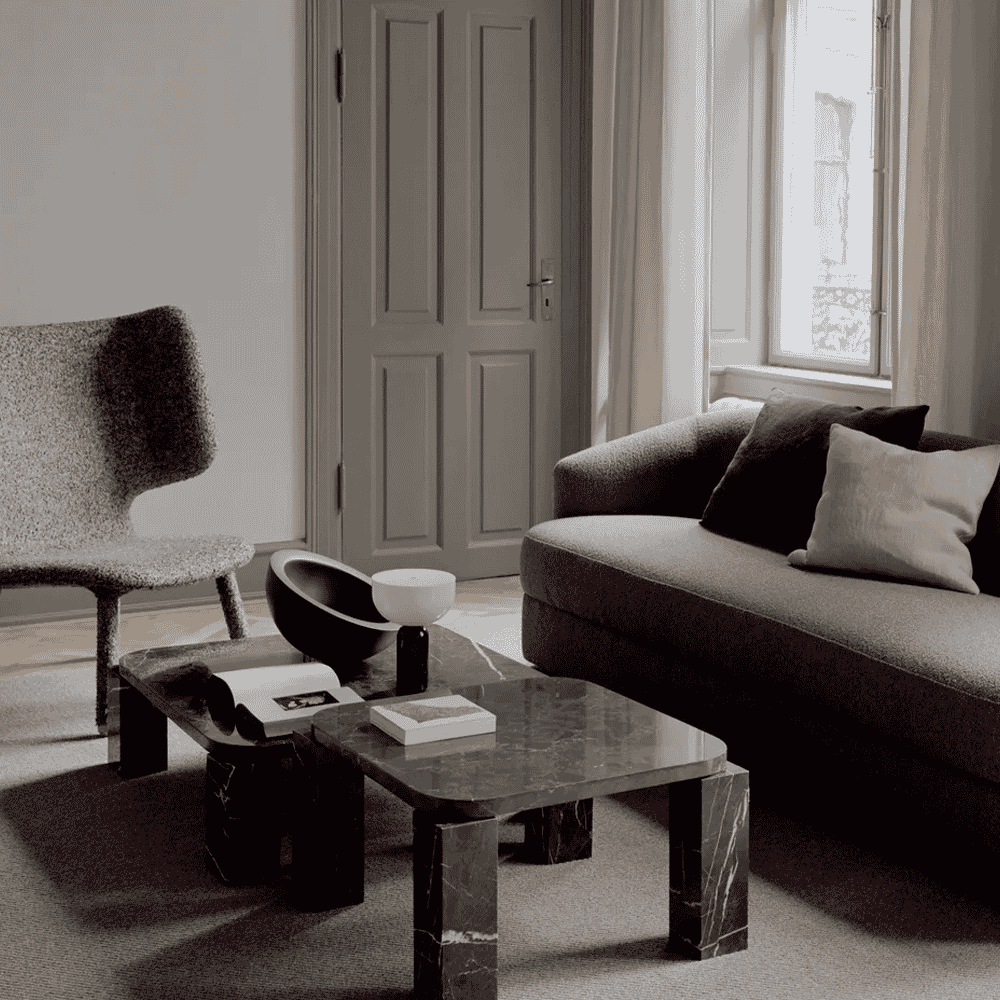
Design Commentary: By lowering the profile of the central furniture, you effectively expand the room's vertical volume. This creates an airy, expansive feel even in smaller urban dwellings. In this setting, the table becomes an extension of the floor—a platform for curated objects that sits below the eye line of someone seated on a plush, low-slung sofa.
4. Hero Textures: Expressive Burl & Travertine
As we move away from flat, lacquered surfaces, 2026 is defined by "Hero Textures." Designers are increasingly turning to materials with high-character "imperfections," such as expressive burl wood and porous travertine. These materials tell a story of time and geological process, offering a tactile richness that synthetic materials cannot replicate.
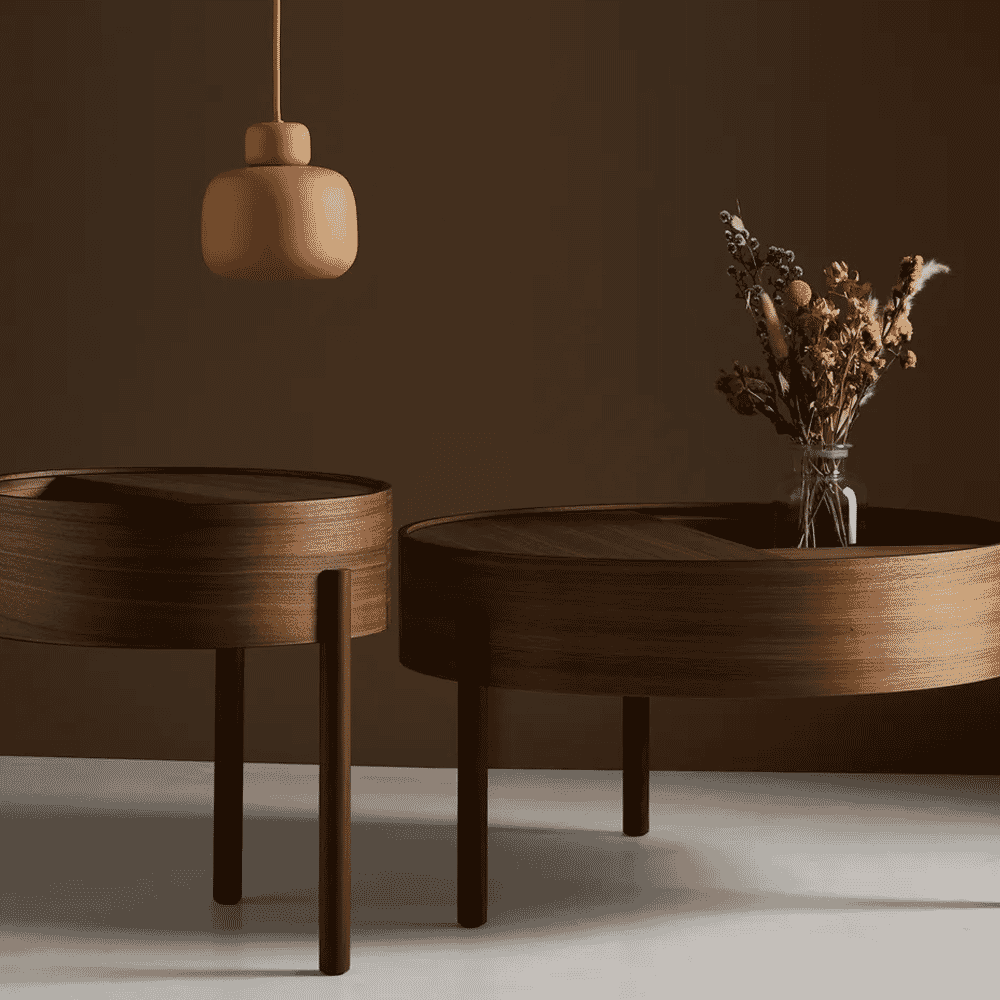
Design Commentary: The warmth of a burl wood grain provides an essential counterpoint to the cool, concrete-heavy interiors of modern architecture. The "patina" of these materials is part of the investment; they are designed to age gracefully, gaining character with every spill and scratch, shifting the definition of luxury from "perfect" to "authentic."
Style Tip: When working with high-grain woods, keep the surrounding accessories minimal. A single, matte ceramic vase is all you need to ground the expressive patterns of the wood.
5. Industrial Refinement: Chrome & Transparency
Bridging the gap between Japandi and Mid-Century Modernism, the return of polished metals and glass offers a "cool" edge to the prevailing warmth. The focus here is on "visual lightness"—furniture that occupies space without consuming it visually.
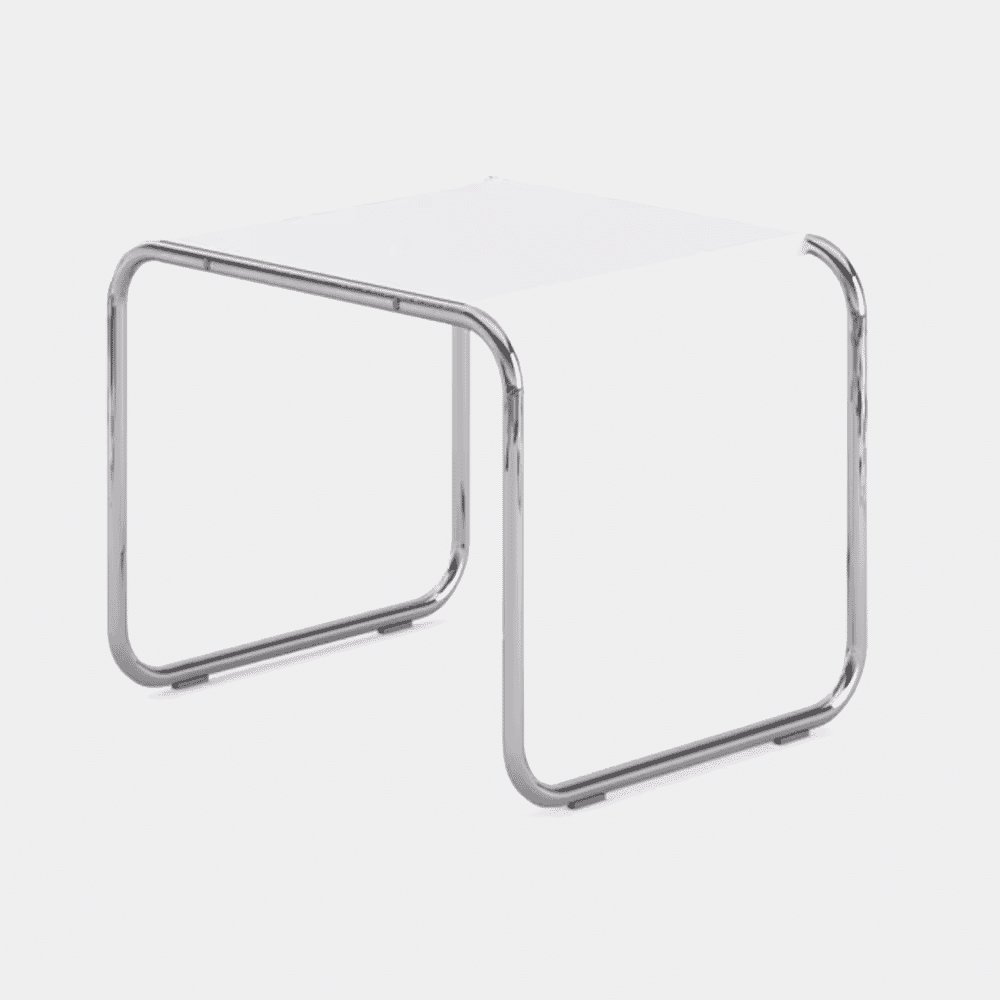
Design Commentary: This trend celebrates the structural elegance of the frame. Inspired by the iconic Laccio table, these pieces use brushed or polished chrome to reflect light and create a sense of movement. The transparency of glass or acrylic allows the textures of your rug to remain visible, making it an ideal choice for collectors of fine textiles.
6. Integrated & Hidden Functionality
The modern minimalist demands utility without the clutter. In 2026, we see a rise in "invisible" storage—coffee tables with seamless drawers, hidden charging pads, and sliding tops that reveal organized compartments.
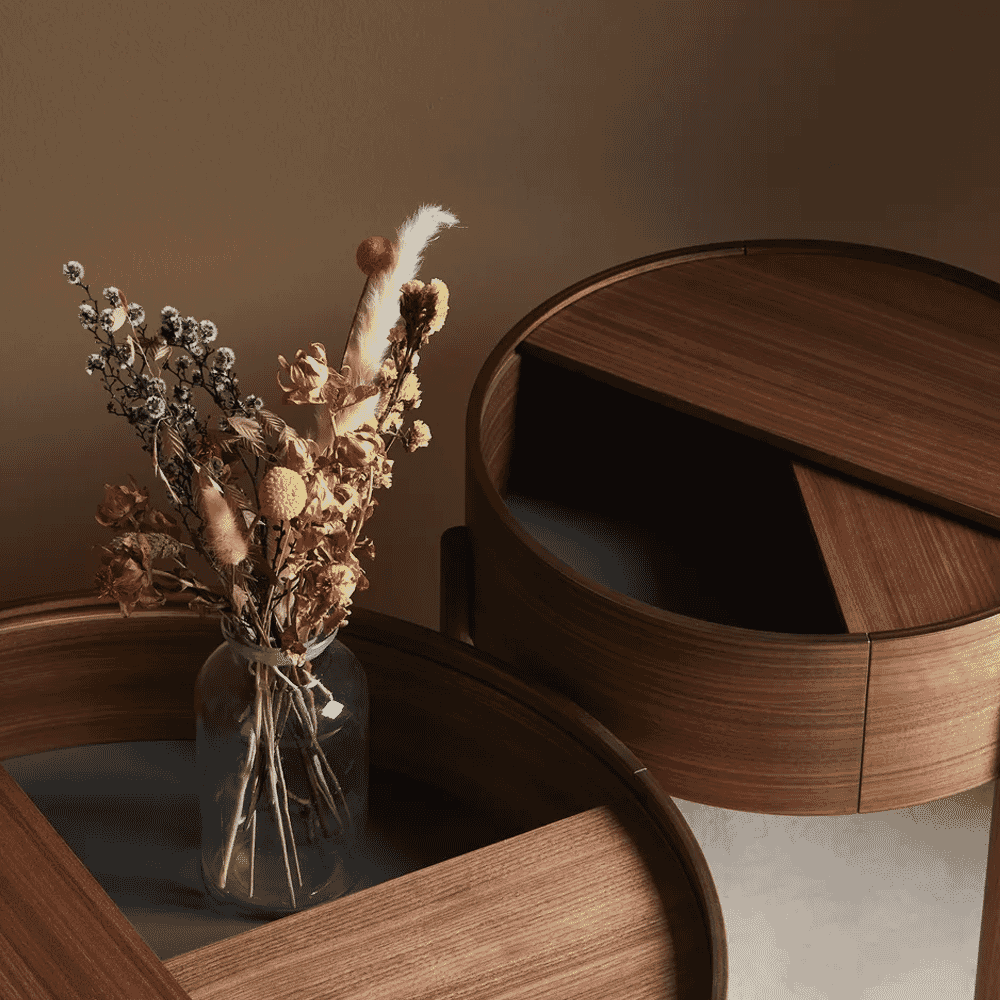
Design Commentary: This is "Sculptural Functionalism" at its peak. To the casual observer, the table is a solid, monolithic form. Internally, however, it is a high-tech hub. This trend is essential for those who prioritize a "clear desk, clear mind" philosophy, ensuring that remotes, cables, and magazines are tucked away, leaving the surface pristine for a single statement object.
7. Curated Minimalism: The Art of the Surface
Finally, the way we style our coffee tables is shifting. The cluttered "stack of books" look is being replaced by a more intentional, curated approach that honors negative space.
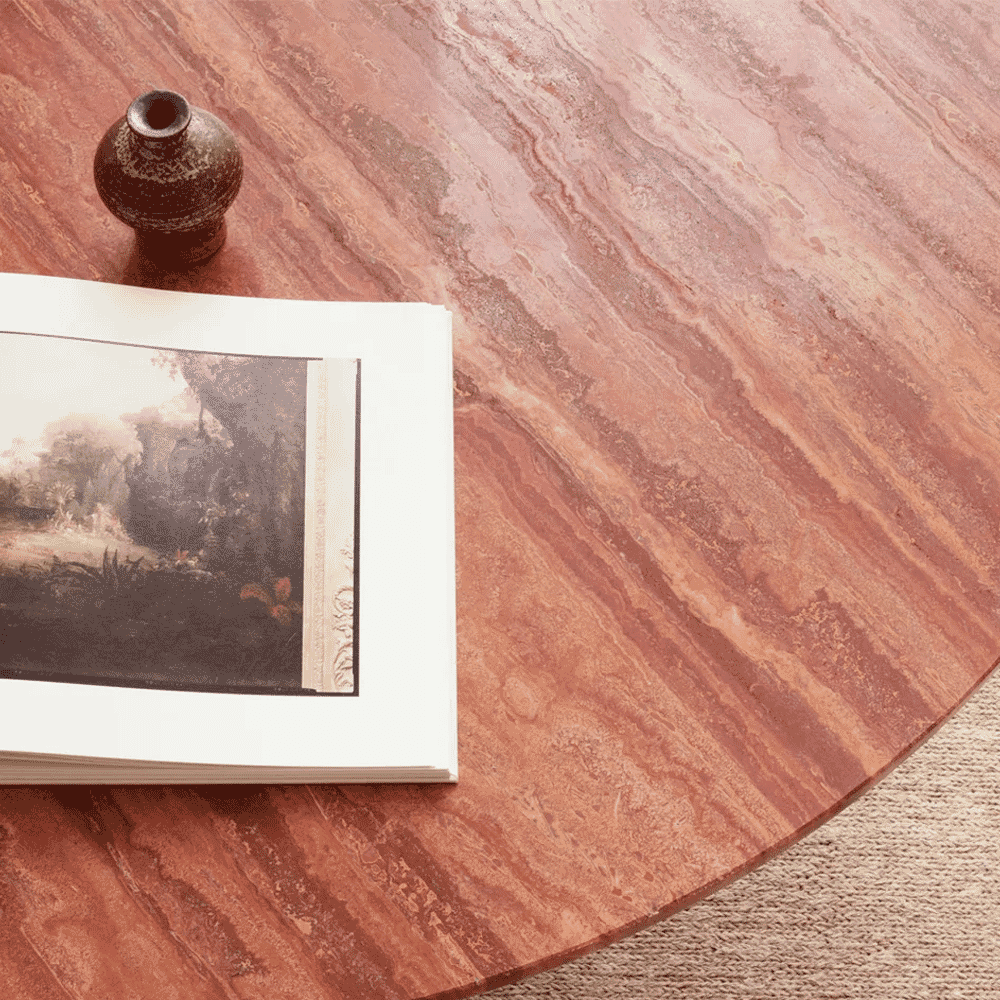
Design Commentary: Styling for 2026 is about the "Power of One." Instead of multiple small trinkets, choose one hero object—a rare oversized monograph, a hand-blown glass vessel, or a single sculptural branch. The goal is to allow the material of the table (like the stunning marble shown here) to breathe.
Choosing a coffee table for 2026 is an exercise in restraint and material appreciation. Whether you gravitate toward the architectural gravity of a stone plinth or the biomorphic warmth of a pebble-shaped wood set, prioritize longevity. In the world of luxury design, a piece is truly minimalist only when it serves its purpose so perfectly that it becomes timeless.