Quick Facts
- Best Time to Visit: Spring (May/June) for the linden blossoms or Autumn (September/October) for crisp gallery-hopping weather.
- Travel Focus: Moving beyond the techno-tourism of the last decade toward a sophisticated blend of contemporary art, "Brandenburg-to-plate" dining, and historic architectural revivals.
- Top Stay for Art Lovers: Château Royal in Mitte for artist-curated rooms, or Wilmina in Charlottenburg for a serene prison-to-sanctuary conversion.
- Must-See Landmark 2024: The new 164-foot 'Monument to Freedom and Unity' commemorating the 35th anniversary of the fall of the Berlin Wall.
- Dining Trend: Sustainable, vegetable-led menus highlighting regional ingredients from the surrounding Brandenburg countryside.
Berlin’s State of Constant Flux: A City Beyond the Club
There is a specific kind of silence that has begun to settle over Berlin—not the absence of sound, but a purposeful, contemplative hush that suggests the city is finally catching its breath. For decades, the global narrative of Berlin was written in the strobe lights of its legendary nightclubs and the gritty, post-industrial sprawl of its techno cathedrals. But in 2024, as we mark the 35th anniversary of the fall of the Wall, Berlin is shedding its "poor but sexy" skin for something far more nuanced: a multi-sector cultural hub that values heritage and high-concept design over the hedonism of the early 2000s.
This evolution is physically manifest in the city’s skyline. The centerpiece of this year's artistic commemoration is the new 164-foot 'Monument to Freedom and Unity' (Einheitsdenkmal). Located in front of the Humboldt Forum, this massive, kinetic bowl serves as a reminder of the collective power of the people. It’s a site for slow reflection, far removed from the frenetic energy of the U-Bahn tunnels.
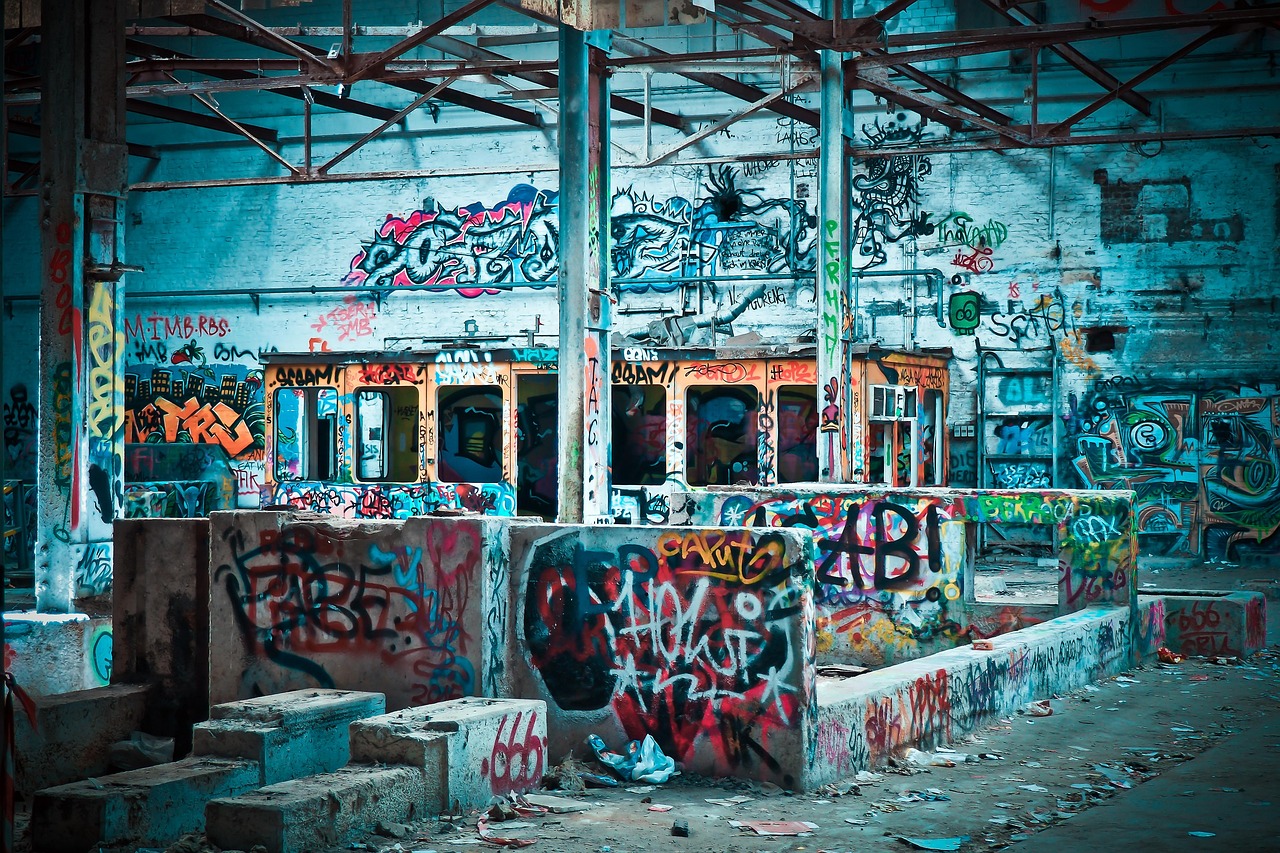
The city’s creative economy has undergone a structural shift. We are witnessing the rebirth of historic industrial sites—once the playgrounds of illegal raves—into permanent institutions of global significance. No longer mere squats, at least five major historic complexes, including the storied Tacheles, have been repurposed into massive permanent art and tech venues. This transition signals a Berlin that is maturing, a city where "sophisticated storytelling" has replaced "rebellious noise" as the primary currency of the Berlin contemporary art scene.
The Charlottenburg Revival: Leafy Boulevards and Boutique Stays
For years, the gravitational pull of Berlin was strictly East. But recently, the compass has swung back toward the West. Charlottenburg, with its Art Deco bones and broad, leafy boulevards, is experiencing a high-end revival that feels both nostalgic and fiercely modern. It is here that the Berlin travel guide 2024 finds its most elegant chapters.
If you are wondering where the best places to stay in Berlin for art lovers are, the answer lies in these thoughtfully restored spaces.
- Wilmina (Charlottenburg): Perhaps the most poetic conversion in the city, Wilmina is a former 19th-century women’s prison and courthouse transformed into a sanctuary of light and silence. The architect, Almut Grüntuch-Ernst, managed to keep the historic soul—the iron gates, the thick walls—while flooding the space with lush greenery and minimalist warmth. Staying here feels like a monastic retreat in the heart of the metropolis.
- Château Royal (Mitte): Located just a stone’s throw from the Brandenburg Gate, this hotel functions as a living gallery. Each of the 93 rooms is curated by a different contemporary artist, featuring works by the likes of Damien Hirst and Simon Fujiwara. It is woody, analog, and deeply immersive.
- The Hoxton: Adding a touch of 1920s West Berlin glamour, The Hoxton brings its signature community-focused vibe to the neighborhood, blending mid-century furniture with 1970s upcycling techniques.
The New Art Landscape: From Industrial Squats to Global Icons
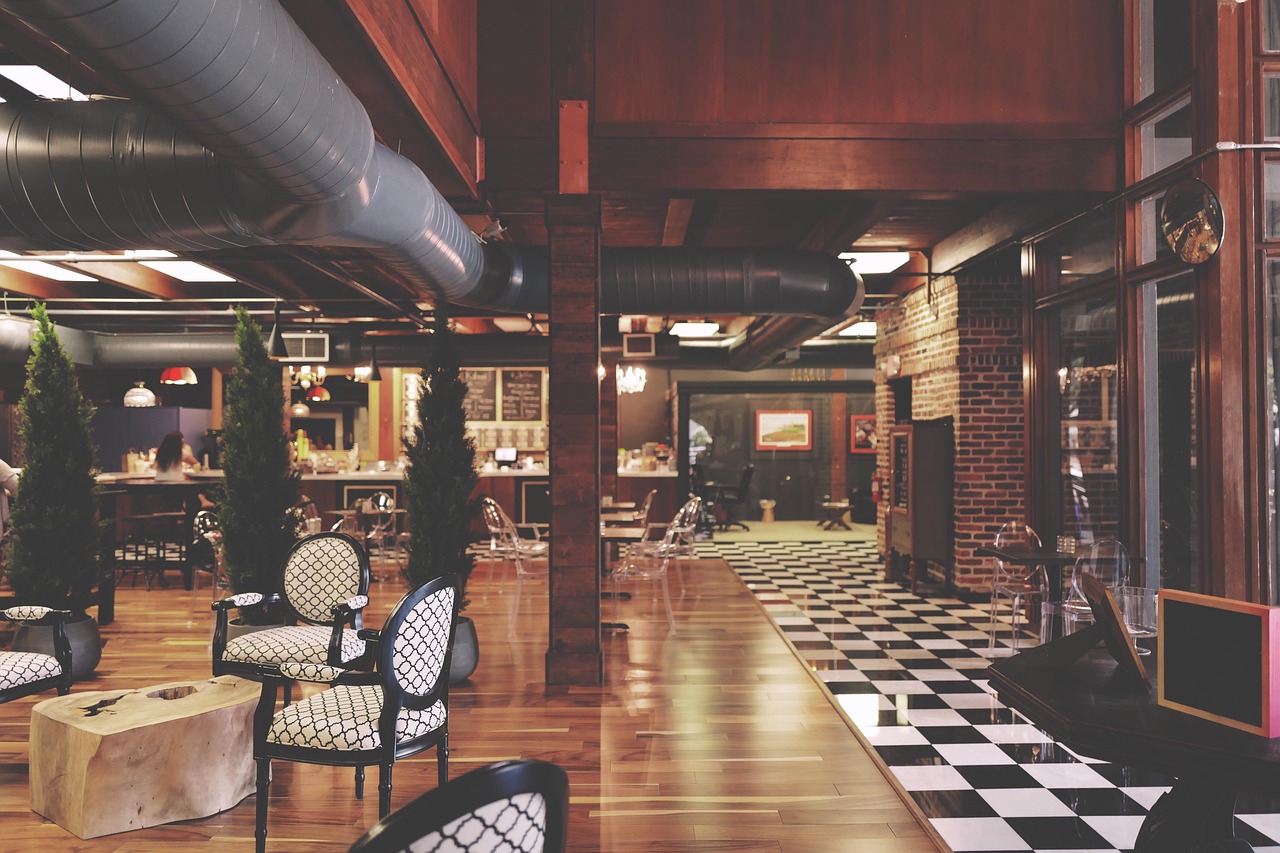
The art scene in Berlin has always been its heartbeat, but the scale of its latest venues is breathtaking. The transformation of the Tacheles—once a graffiti-covered ruin inhabited by artists—into Fotografiska Berlin is a testament to this new era. This museum doesn't just hang photos; it creates an immersive dialogue between art, tech, and the city’s complex history.
Nearby, the Neue Nationalgalerie, Mies van der Rohe’s glass-and-steel masterpiece, has broadened its curatorial scope. Under the direction of Klaus Biesenbach, the museum is looking beyond the Western canon, integrating Turkish-German perspectives and even high-fashion retrospectives like the recent Yves Saint Laurent exhibition.
For those who prefer a slower pace, the Kulturforum and the Gemäldegalerie offer a chance to commune with the Old Masters—Rembrandt and Vermeer—away from the crowds. And, of course, no visit to Berlin is complete without a walk through the Memorial to the Murdered Jews of Europe. Navigating the 2,711 concrete stelae remains a visceral, somber experience of memory and architecture that grounds the traveler in the city's heavy, necessary history.
Culinary Vanguard: Sustainable, Vegetable-Led Dining
If there is one area where Berlin has truly outgrown its "street food only" reputation, it is the dining room. What is the latest dining trend in Berlin? It is the "Brandenburg to Plate" movement. Chefs are looking outward to the surrounding farmlands, prioritizing seasonal vegetables and low-waste philosophies over imported luxuries.
- Lovis: Tucked away in the former prison yard of the Wilmina hotel, Chef Sophia Rudolph creates vegetable-led menus that feel like art on a plate. The space is atmospheric—dimly lit with soaring ceilings—and the food is a masterclass in texture and regional sourcing.
- Café Frieda: Located in Prenzlauer Berg, this high-volume, low-waste spot operates on closed-loop dairy principles. It’s the kind of place where you can find world-class sourdough, innovative ferments, and a wine list that celebrates the "new Germany."
- Happa: The radish-pink headquarters of Berlin’s low-waste philosophy. It is casual, vibrant, and serves as a community hub for those who care as much about the soil as they do the flavor.
- Wedding's Emerging Scene: Long considered a "working-class" neighborhood, Wedding is now the destination for avant-garde dining. Julius and its Michelin-starred sister Ernst (though Ernst is sadly nearing its final chapters) have redefined Japanese-influenced precision using local German ingredients. It is the best neighborhood in Berlin for adventurous foodies.
Olivia’s Tip: When dining in Wedding, don’t expect white tablecloths. Expect industrial-chic interiors, open kitchens, and chefs who will tell you exactly which farm your kohlrabi came from.
Beyond the Center: Neighborhood Micro-Kieze
Berlin is not one city, but a collection of villages, or Kieze. To truly understand the Berlin cultural travel experience, you must venture beyond Mitte.
- Mitte: The historic core. Here you’ll find the Humboldt Forum, a reconstructed palace that now houses world cultures. It’s a controversial but essential site for understanding modern Germany’s relationship with its colonial past.
- Kreuzberg & Neukölln: While still the centers of the "underground," these areas are maturing. Trauma Bar and Cinema is a perfect example—a venue that blends fashion, performance art, and meaningful artistic programs with a hint of the old nightlife spirit.
- Wedding: This is where the residential art commune of Callie's lives, alongside Silent Green, a cultural space housed in a former crematorium. It’s gritty-glamorous and deeply intellectual.
Practicalities: Navigating the Metropolis
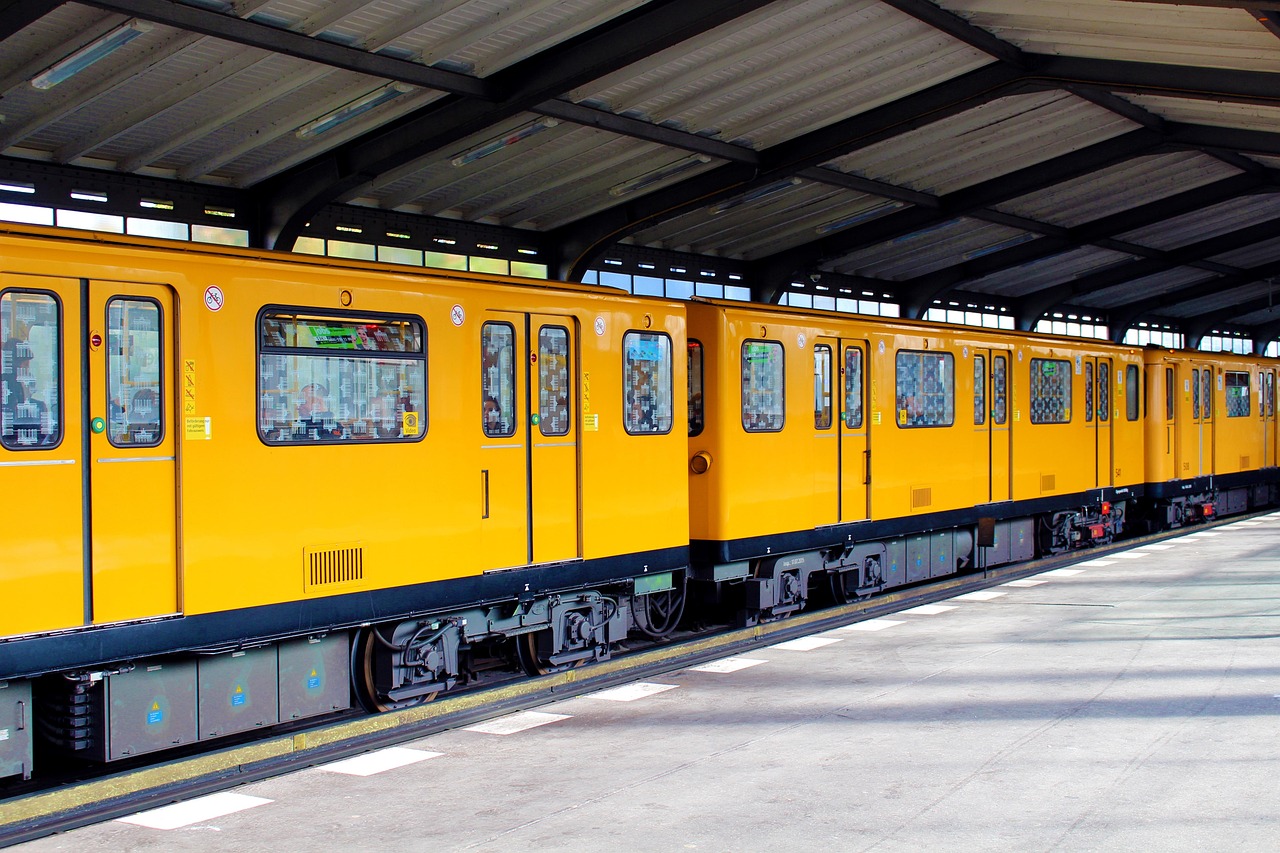
Berlin is sprawling, but its infrastructure is a marvel of German efficiency. The U-Bahn (underground) and S-Bahn (suburban) systems are the veins of the city, making it effortless to hop from a gallery in Mitte to a dinner in Wedding within 20 minutes.
For the cultural traveler, choosing the right pass can save significant amounts of money. Here is a quick comparison:
| Feature | Museum Pass Berlin | Berlin Welcome Card |
|---|---|---|
| Price (approx.) | €29 (3 days) | From €26 (48h to 6 days) |
| Museum Access | Free entry to 30+ museums (inc. Museum Island) | Discounted entry (25-50%) |
| Transport | Not included | Included (Zones AB or ABC) |
| Best For | Hardcore art lovers & museum hoppers | General tourists using public transit |
Safety Tip: While Berlin is generally safe, be mindful around Alexanderplatz and major nightlife hubs like Revaler Straße at night. Like any major metropolis, pickpockets are present in crowded tourist areas.
FAQ
Q: Is Berlin still worth visiting if I don't like clubbing? A: Absolutely. In fact, 2024 is the best year to visit for non-clubbers. The focus has shifted heavily toward the Berlin contemporary art scene, architectural restoration, and a world-class culinary landscape that rivals Paris or London in its innovation.
Q: How many days do I need for a cultural trip to Berlin? A: To truly experience the different Kieze and the major museums, four to five days is ideal. This allows for a day on Museum Island, a day exploring the West (Charlottenburg), and evenings dedicated to the burgeoning food scene in Wedding or Neukölln.
Q: Is it easy to find English speakers in Berlin? A: Berlin is incredibly international. In most galleries, hotels, and restaurants, English is spoken fluently, often as the primary language of the staff.
Experience the New Berlin
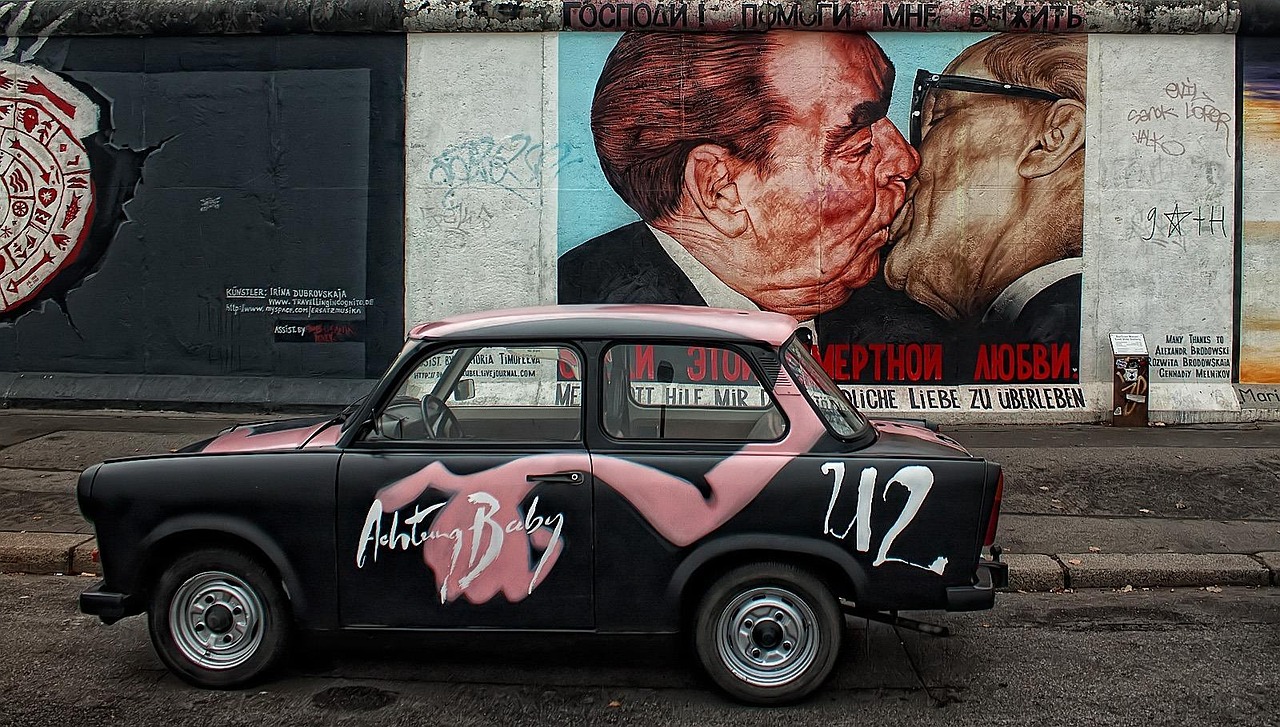
The city of "once-was" has become the city of "what's next." Whether you are tracing the scars of the Cold War at the East Side Gallery or tasting the future of sustainable fine dining in a repurposed prison yard, Berlin invites you to look closer.