The commute might be freezing, but the boardroom demands precision. Mastering winter workwear in 2025 is about striking the perfect balance between survival-level warmth and a razor-sharp professional silhouette.
Introduction: The Winter Sartorial Tightrope

The modern professional doesn't just "dress for the weather"—he engineers his outfit. The goal this season is heat retention without the bulk. A well-fitted quilted vest layered over a crisp white shirt provides core insulation while allowing for full range of motion. It’s a pragmatic approach to the 2025 business casual mindset: look authoritative at your desk, but stay warm enough to handle a drafty office or a quick coffee run without needing a full coat change.
Step 1: The Base Layer & The Overshirt
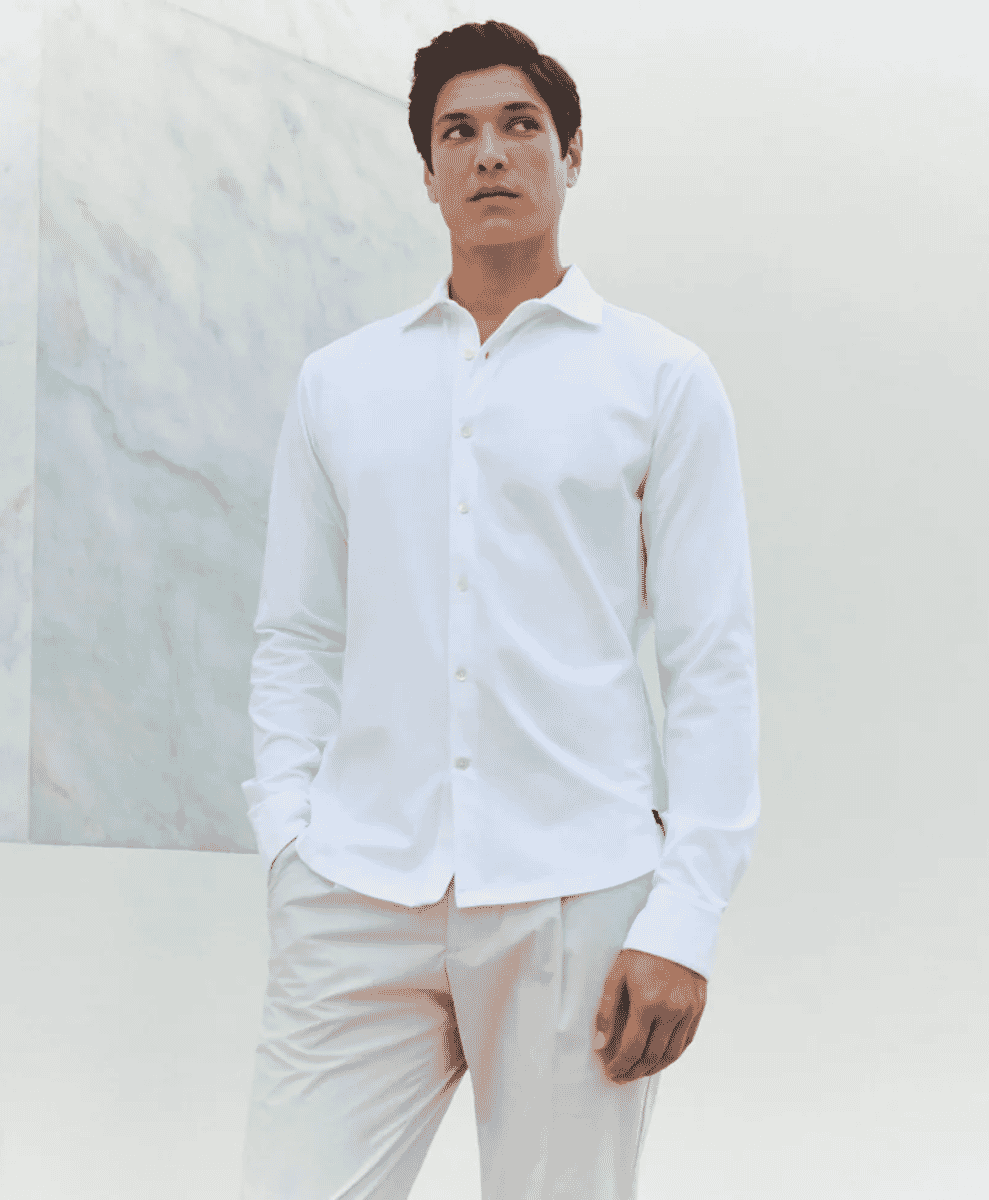
Every sartorial success starts with what’s closest to your skin. In sub-zero temperatures, standard cotton shirts often fall short. I recommend switching to high-thread-count cotton or, better yet, ultra-fine merino wool blends. These fabrics offer superior moisture-wicking properties, ensuring you don't overheat during a high-stakes presentation. A minimalist dark button-up serves as a versatile canvas, pairing effortlessly with charcoal trousers or deep navy blazers for a look that is understated yet undeniably premium.
Step 2: The Mid-Layer Mastery (Blazers & Vests)
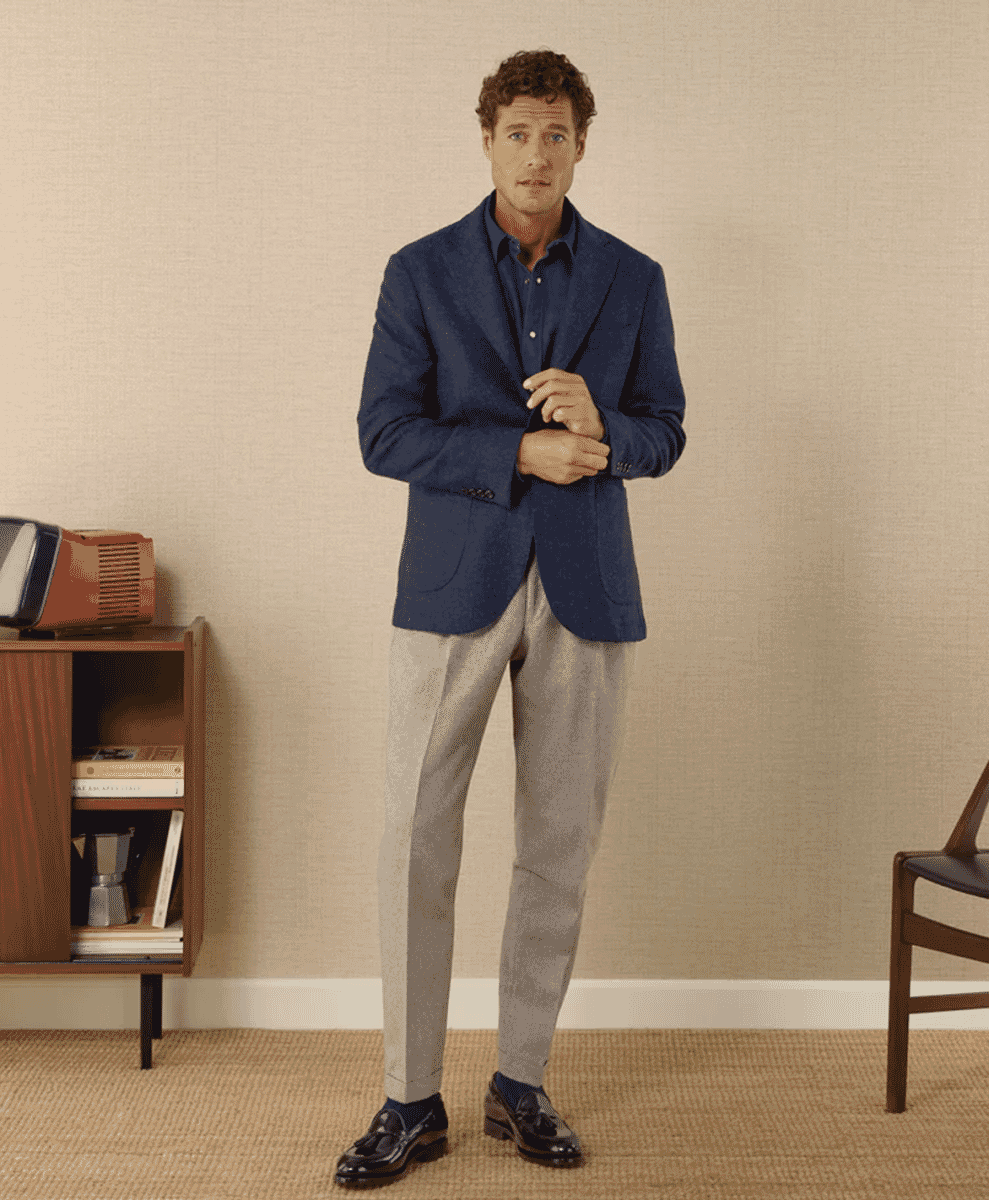
The full three-piece suit is increasingly being replaced by "broken separates"—the art of mixing textures and tones. A navy blazer in a heavier wool flannel or a subtle herringbone weave adds visual depth and physical warmth. For indoor environments where central heating can be unpredictable, a textured vest is your best asset. It bridges the gap between formal and functional, maintaining a structured chest and shoulder line even when the temperature fluctuates.
Step 3: Knitwear Essentials—Crewnecks and Turtlenecks
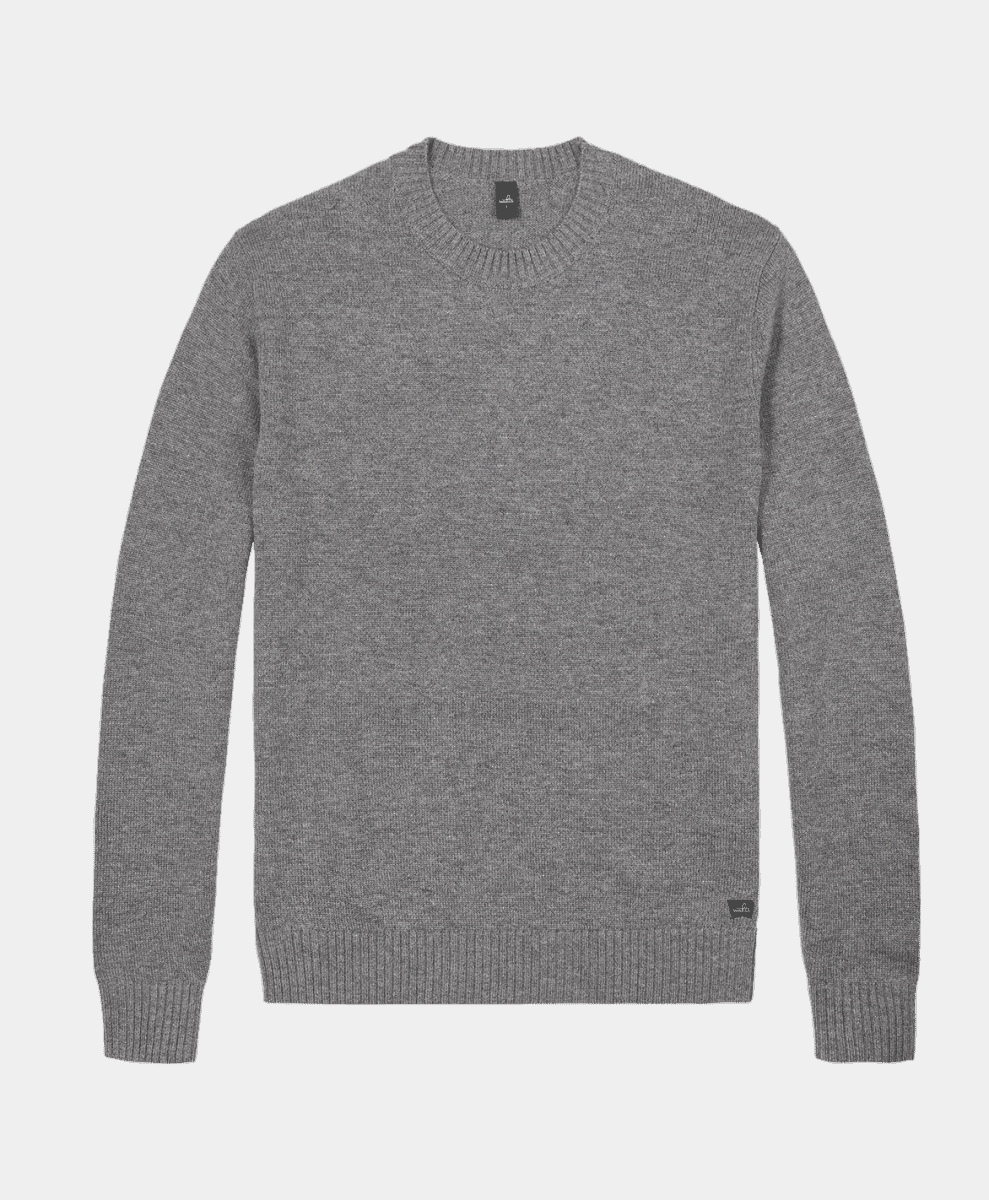
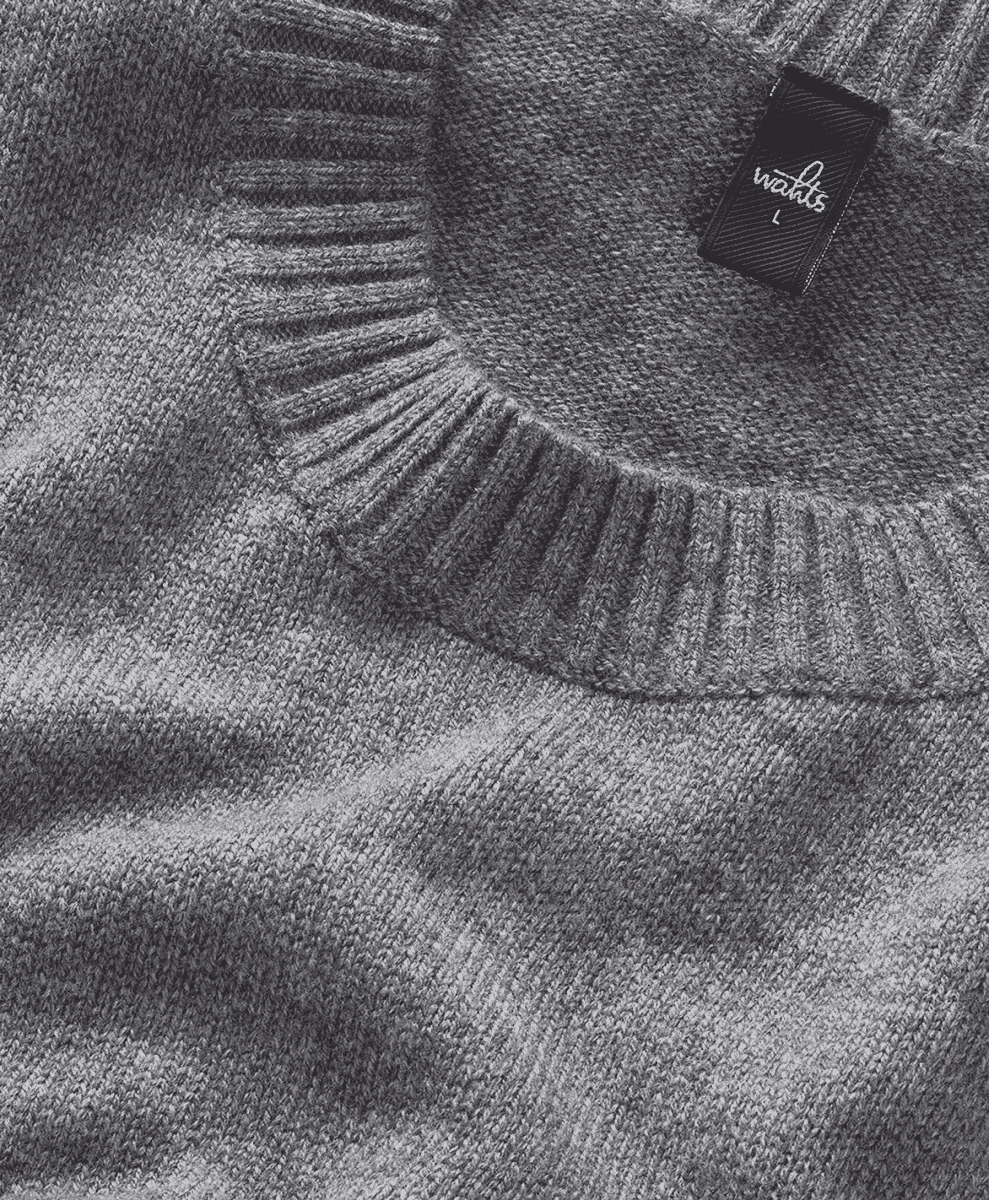
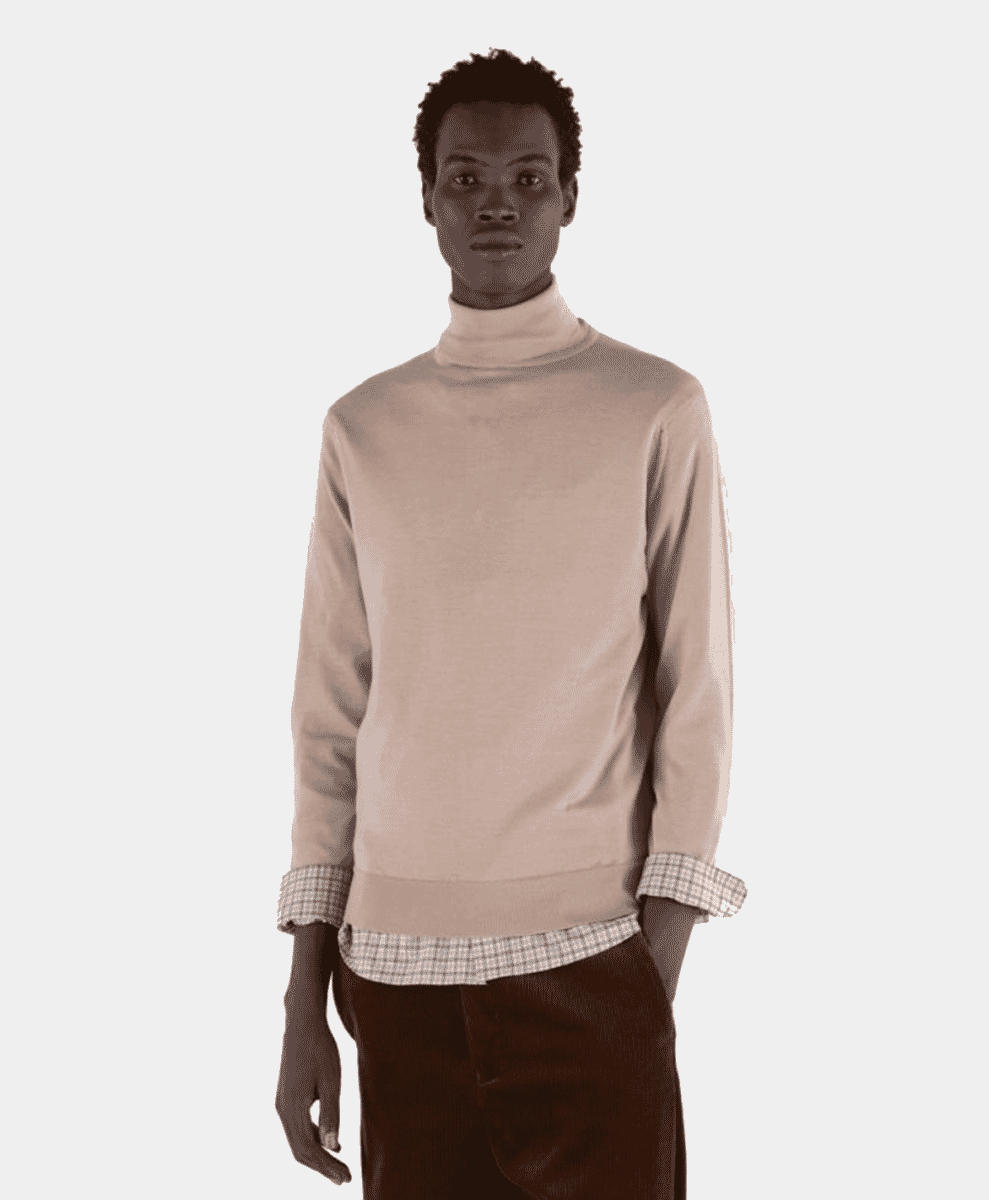
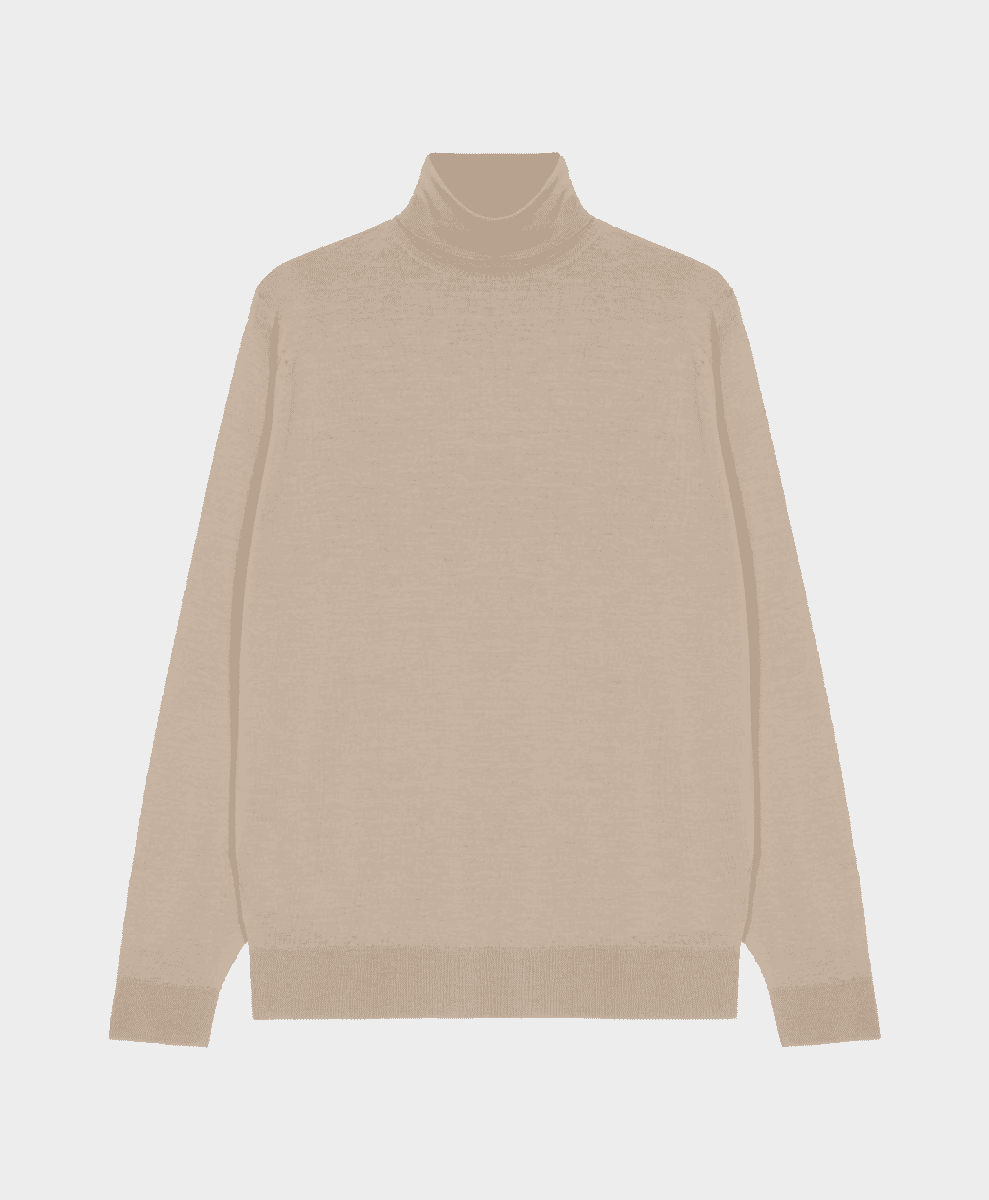
If you invest in only one category this winter, make it knitwear. A charcoal or heather gray crewneck in 100% cashmere is a workhorse; it layers perfectly over a collared shirt or under a blazer. Pay attention to the details—ribbed cuffs and collars prevent the "sag" that plagues cheaper knits after a long day of wear.
For a more elevated look, the "rollneck" or turtleneck has officially replaced the tie as the executive’s power move. It provides a clean, vertical line that elongates the frame while offering genuine protection for the neck. Stick to a neutral palette—beige, cream, and stone—to maintain a sophisticated, expensive aesthetic that lightens the visual weight of heavy winter fabrics.
Step 4: The Executive Overcoat

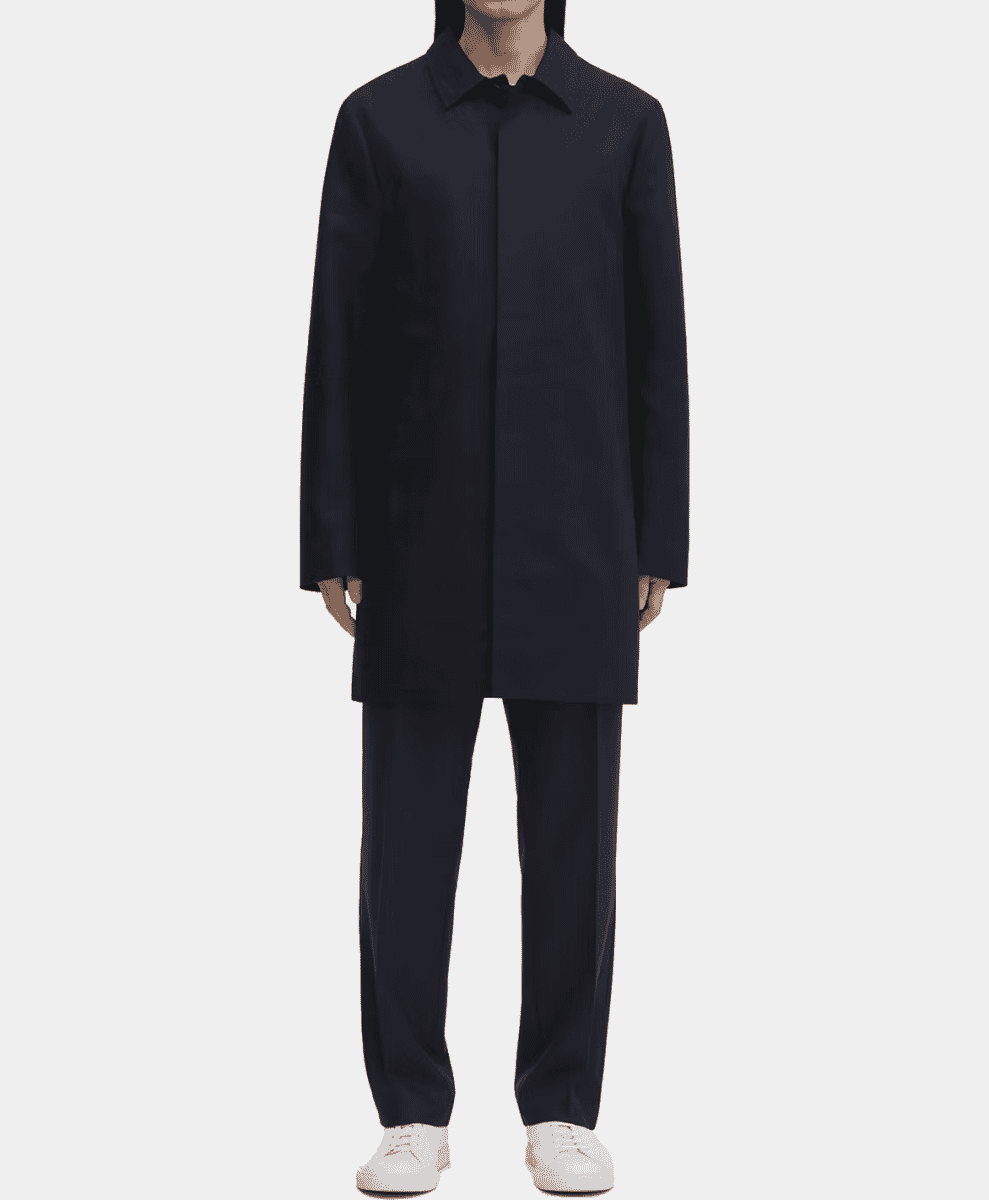
Your overcoat is the first thing people see; it’s your professional calling card. A double-breasted camel or charcoal wool coat offers a classic "power" silhouette, with the extra fabric across the chest providing an additional layer of windproofing. If you prefer a more modern, minimalist vibe, the navy car coat is your go-to. Ensure the length is correct: mid-thigh for a contemporary, agile look, or knee-length if you’re prioritizing traditional warmth and a more formal dress code.
Step 5: Professional Foundations—Wool Trousers
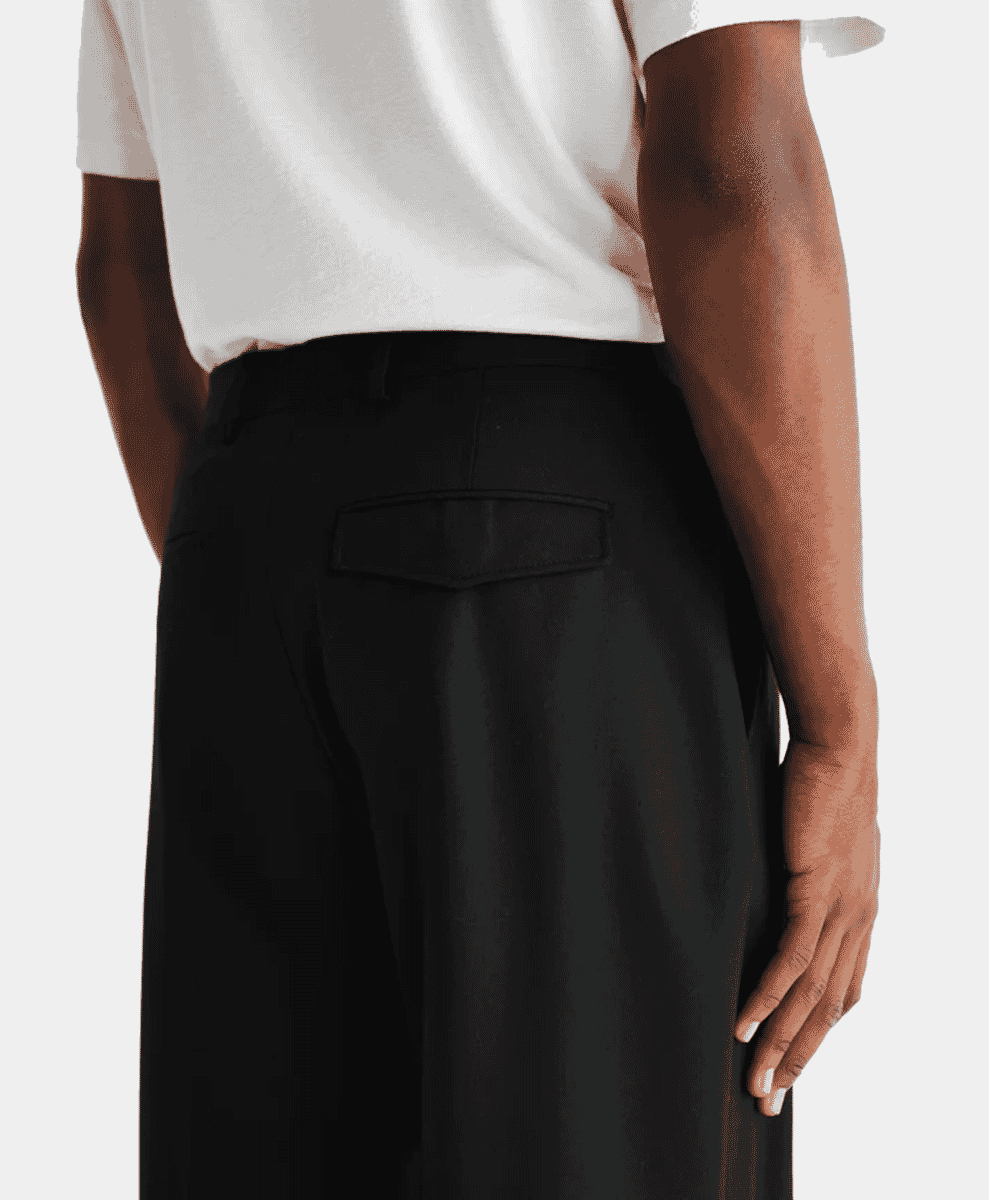
Ditch the lightweight chinos until spring. Professional winter style requires substance, which means swapping to flannel, tweed, or heavy wool blends. Pleated trousers are seeing a significant resurgence in 2025; the extra room in the lap and thigh allows for better heat circulation and accommodates thermal base layers if necessary. Look for soft-finish wools to avoid the "itch" factor, ensuring you stay comfortable from your first meeting to your final commute.
Step 6: Winter-Ready Footwear
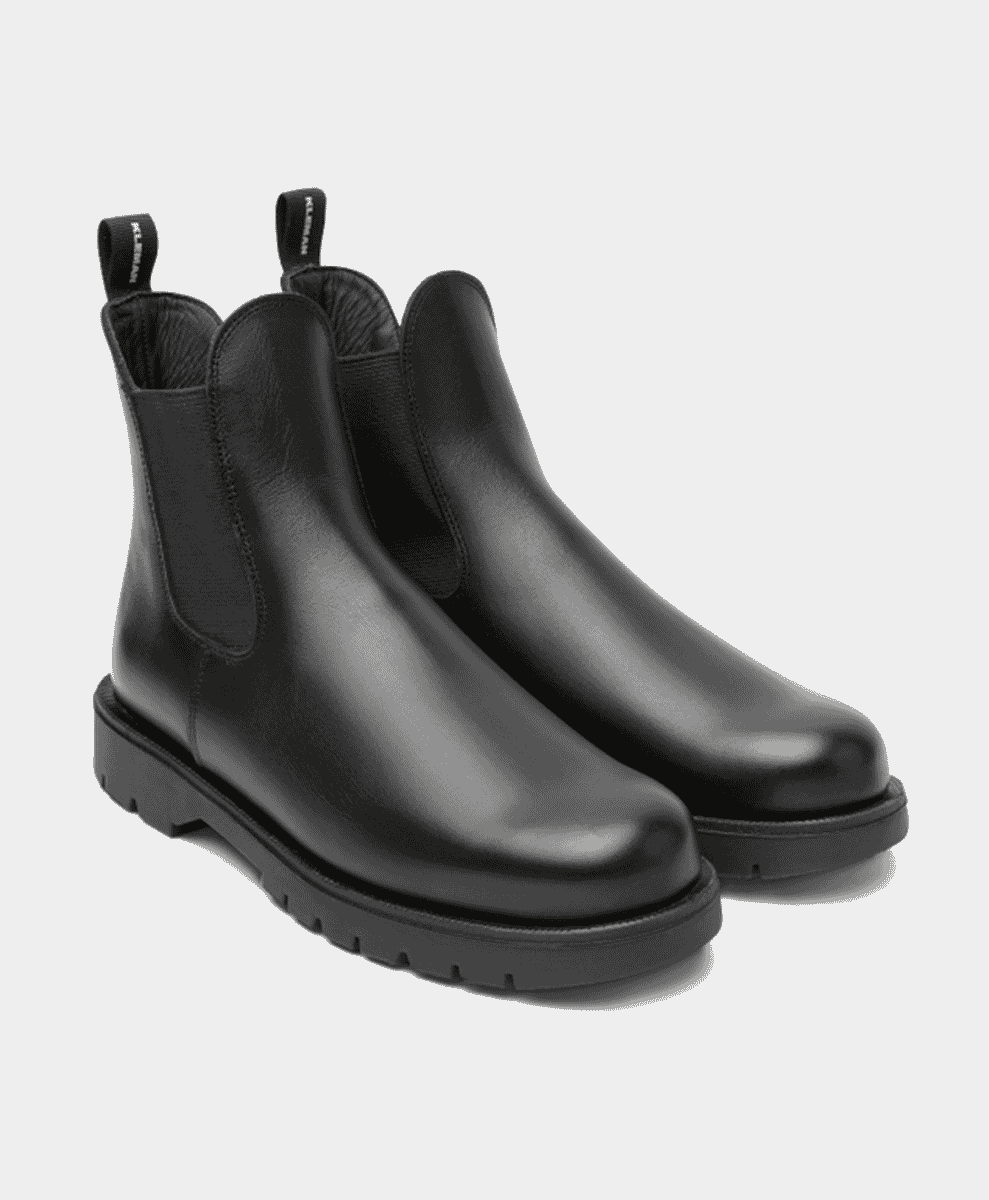
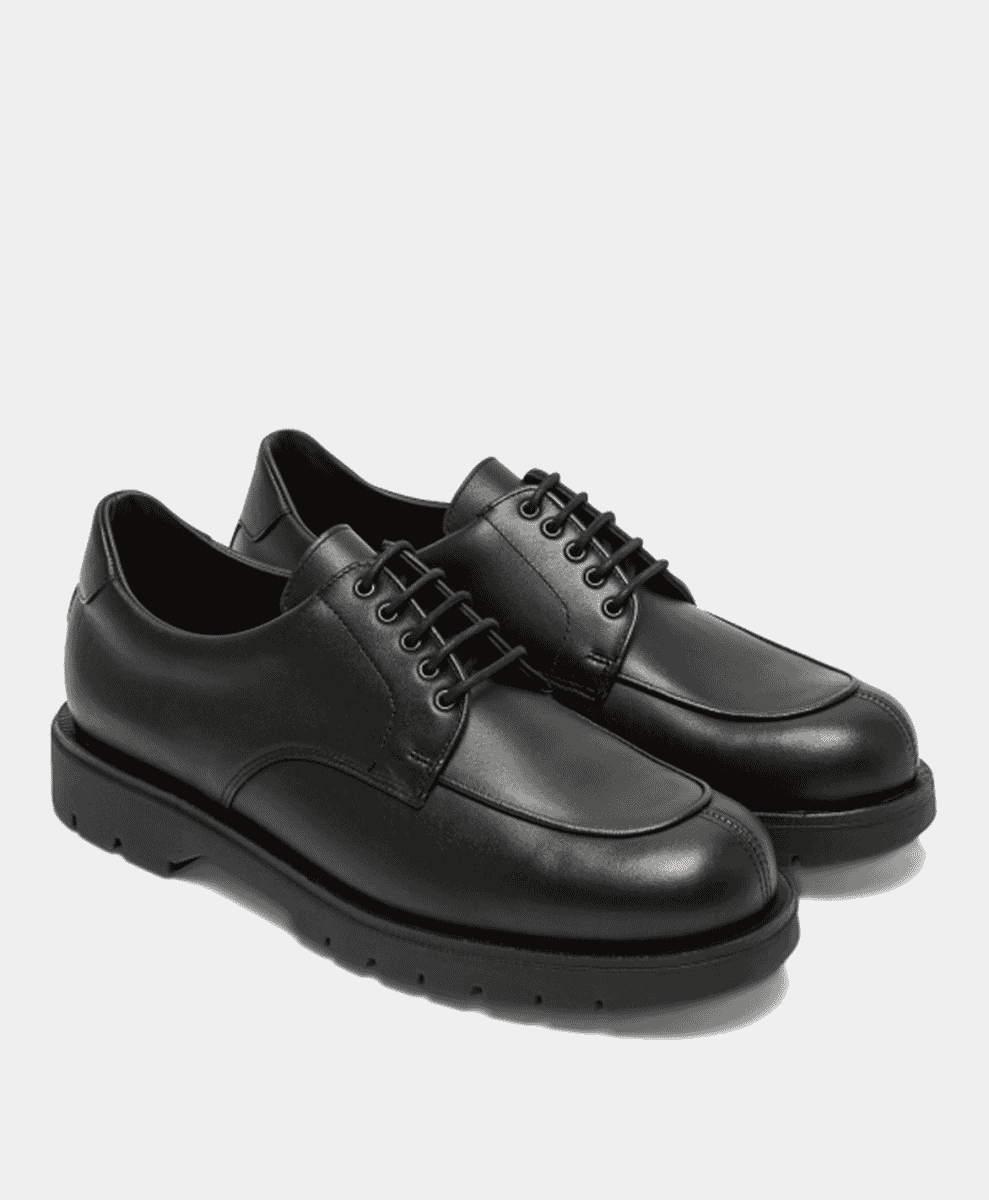
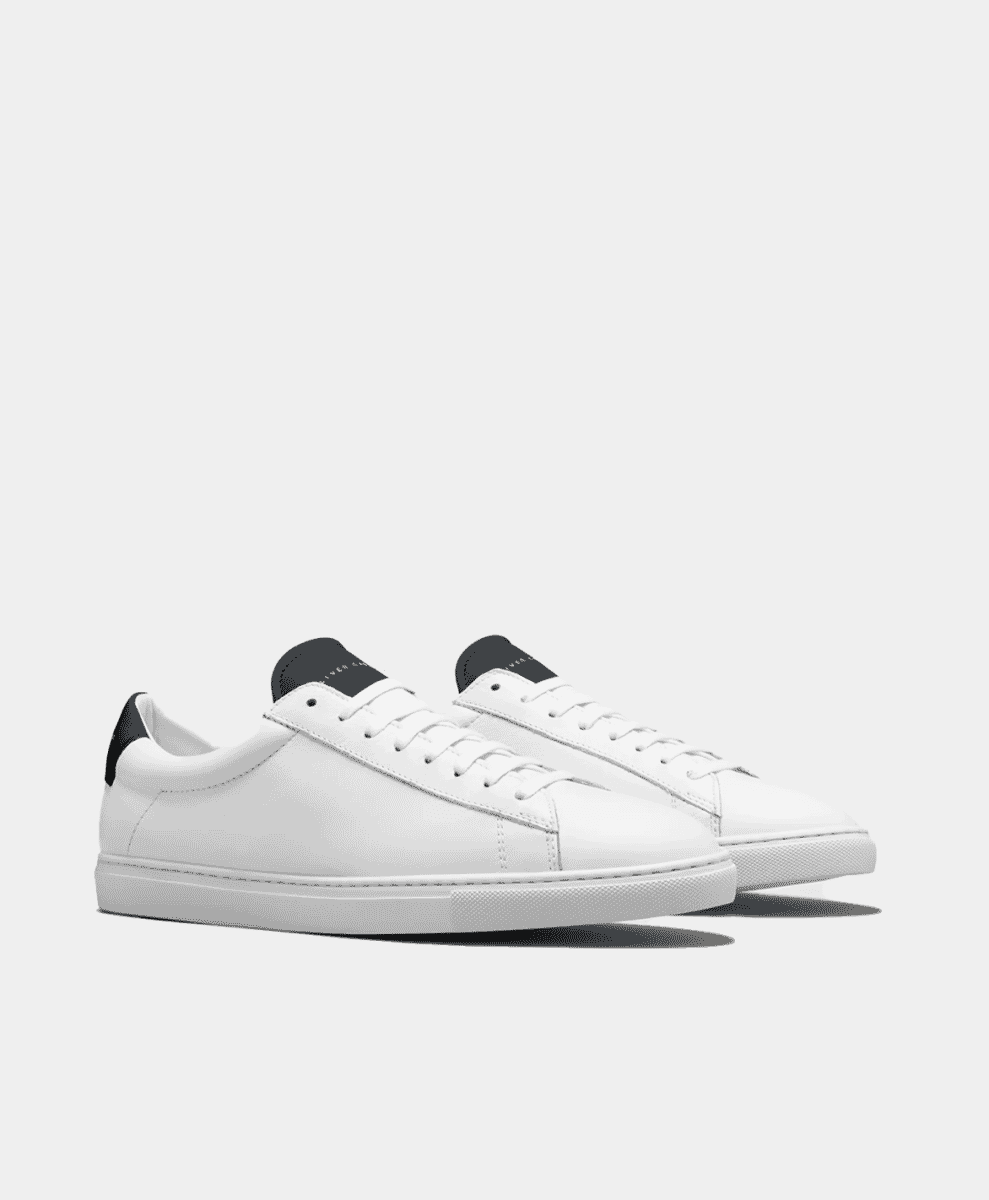
Footwear is where most men fail in winter. Leather soles are a hazard on icy pavements; look instead for high-quality dress shoes equipped with discreet rubber "city" soles for grip. The Chelsea boot remains the ultimate winter workwear staple—opt for a chunky lug sole to elevate yourself above the slush. Interestingly, for 2025, the "office sneaker" has matured. A pair of pristine, minimalist white leather sneakers is now widely accepted in business casual environments, provided they are kept spotless and paired with tailored wool trousers.
Step 7: The Finishing Touches—Accessories
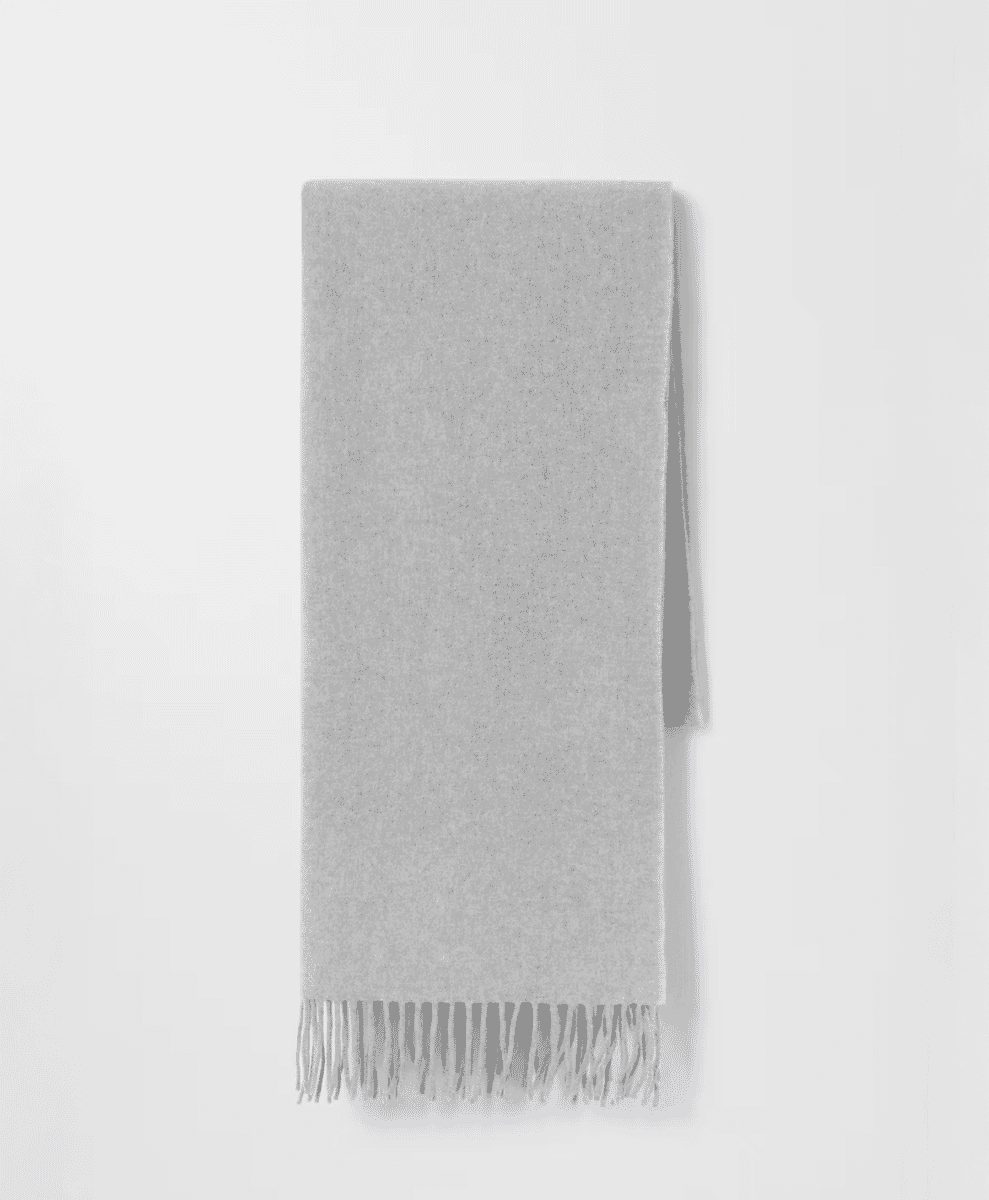
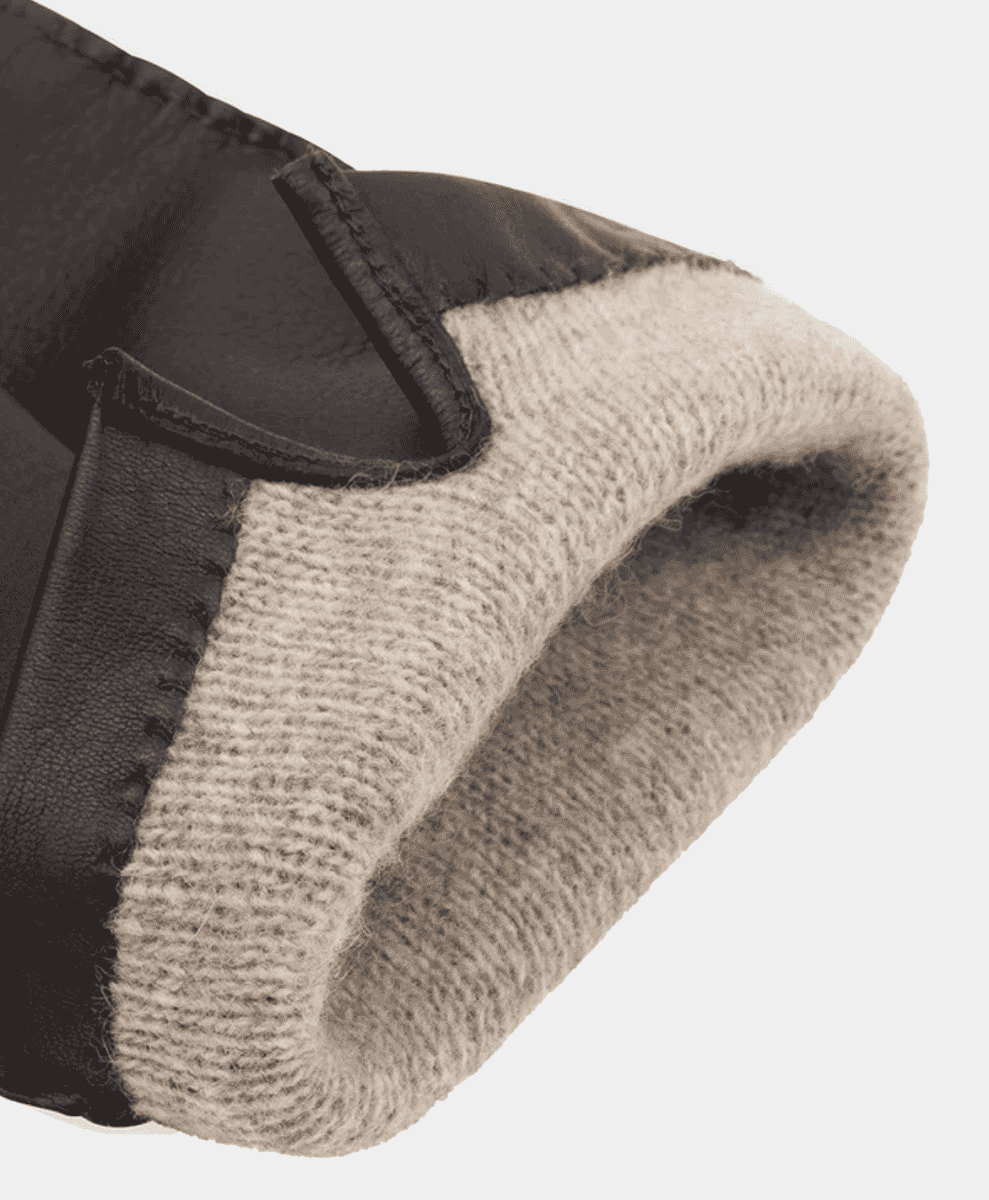
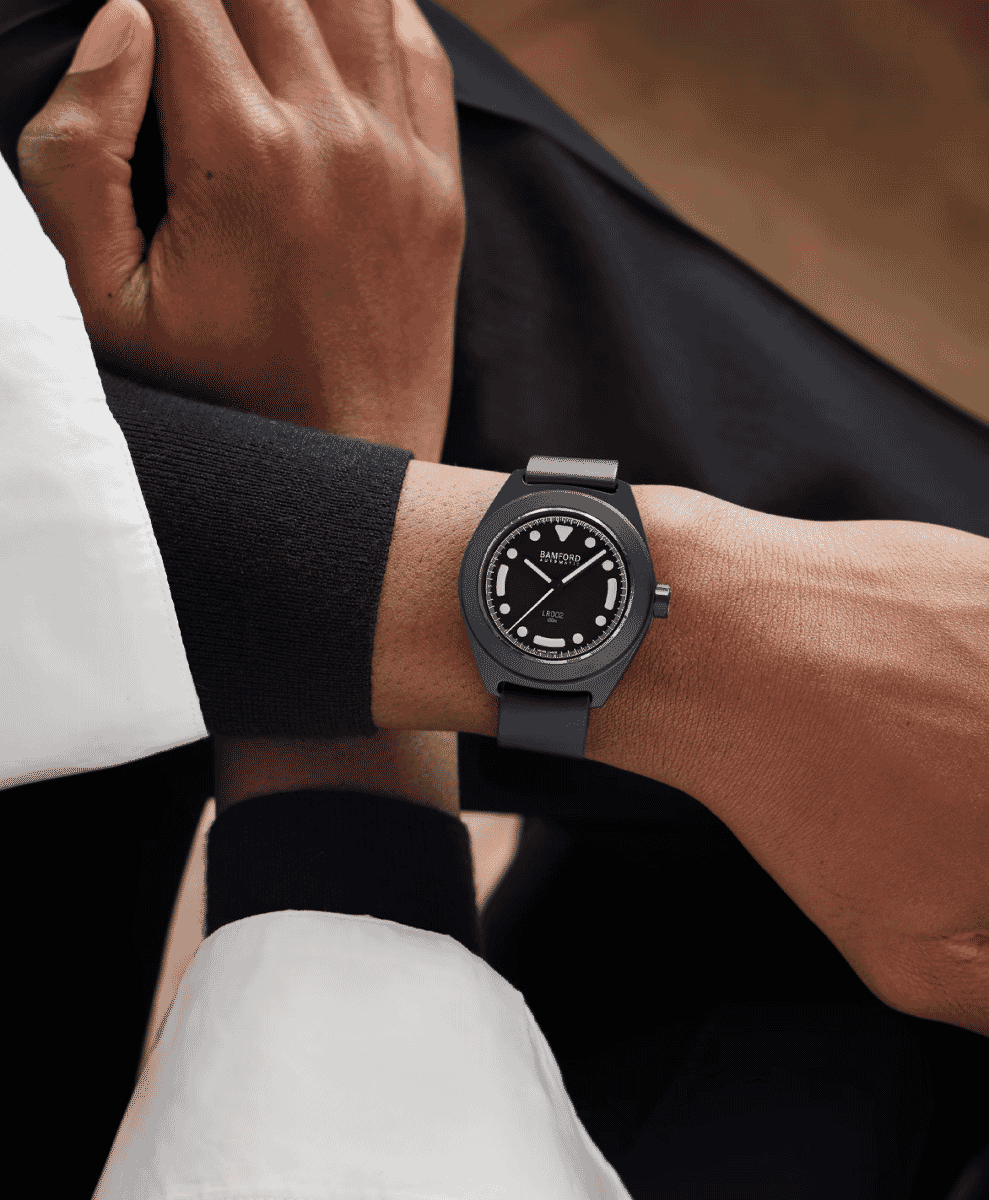
Accessories shouldn't be an afterthought. An oversized cashmere scarf is essentially neck armor—choose one in a complementary neutral tone to add texture to your overcoat. For gloves, skip the tech-fleece and go for leather with a cashmere or wool lining; they offer a tactile luxury that synthetics can’t match. Finally, keep your wristwear minimalist. A clean, slim timepiece won't snag on your knitwear or coat cuffs, serving as the final, quiet detail of a well-curated wardrobe.
Conclusion: Your 2025 Winter Checklist
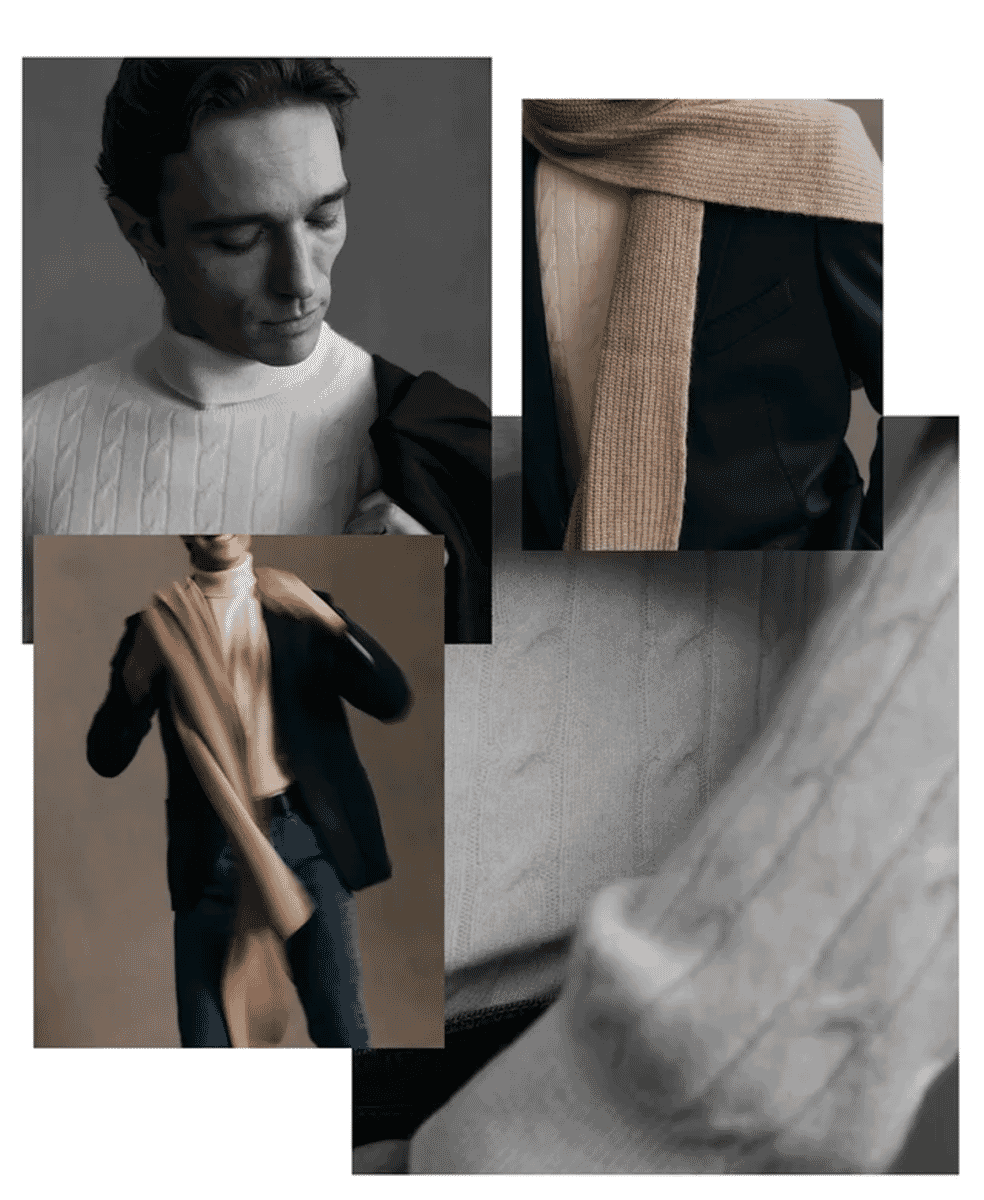
Successful winter style is a game of textures and tones. By coordinating navies, grays, and earth tones through smart layering, you ensure that even the most practical cold-weather gear looks like a deliberate fashion choice rather than a desperate attempt to stay warm. Focus on fit, invest in natural fibers, and your style will remain bulletproof all season long.
Build your wardrobe around these essentials, and you'll find that the coldest months are often the best time to show your sartorial range.